
The Triumph of Hercules — History & Facts
In The Triumph of Hercules, Giovanni Battista Tiepolo presents a vibrant scene filled with dynamic figures and rich colors. Hercules, the central figure, is depicted in a moment of celebration, surrounded by gods and mythological creatures. The background features a bright sky, enhancing the sense of grandeur and festivity.
The use of gold and warm tones adds to the overall opulence of the composition. The painting is executed in oil on canvas, a popular medium during the Rococo period. Tiepolo's brushwork is fluid, allowing for a sense of movement among the figures. The composition is carefully arranged to guide the viewer's eye through the scene, emphasizing the triumph of Hercules.
The dimensions are approximately 200 x 300 cm, making it a large and impactful work. Giovanni Battista Tiepolo was a prominent Italian painter known for his large-scale ceiling frescoes and mythological themes. The Triumph of Hercules is a notable example of his ability to blend narrative and decoration. An interesting fact about this work is that it reflects the Rococo style's emphasis on lightness and exuberance, which was a departure from the more serious tones of earlier Baroque art.
More Artworks by Giovanni Battista Tiepolo
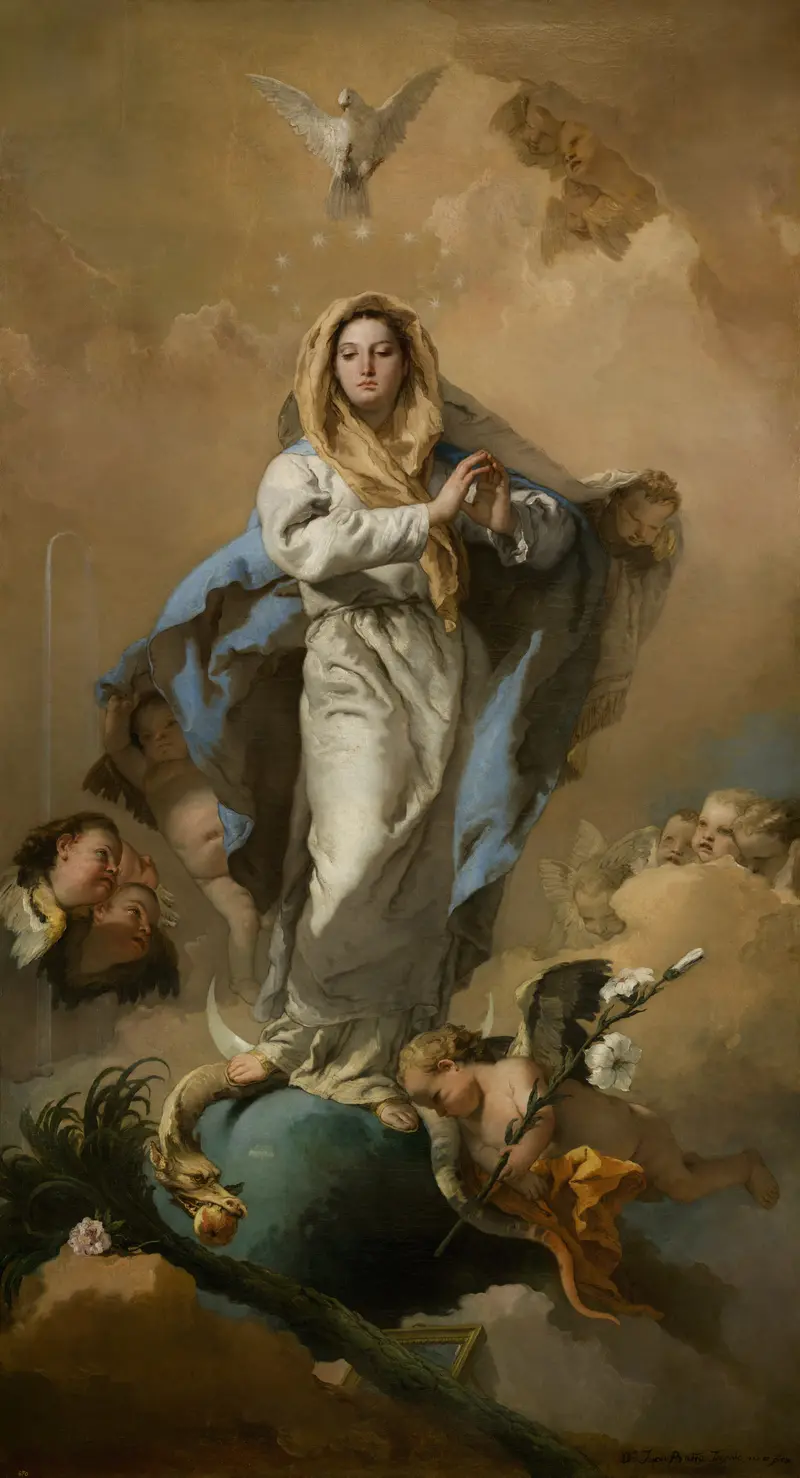
The Immaculate Conception
Giovanni Battista Tiepolo
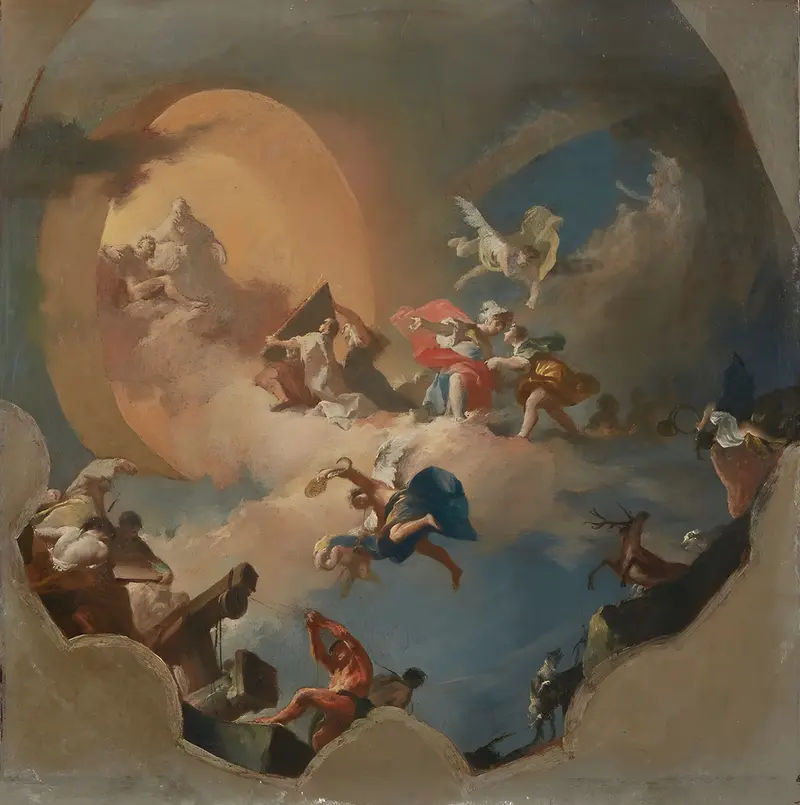
The Apotheosis of the Arts
Giovanni Battista Tiepolo
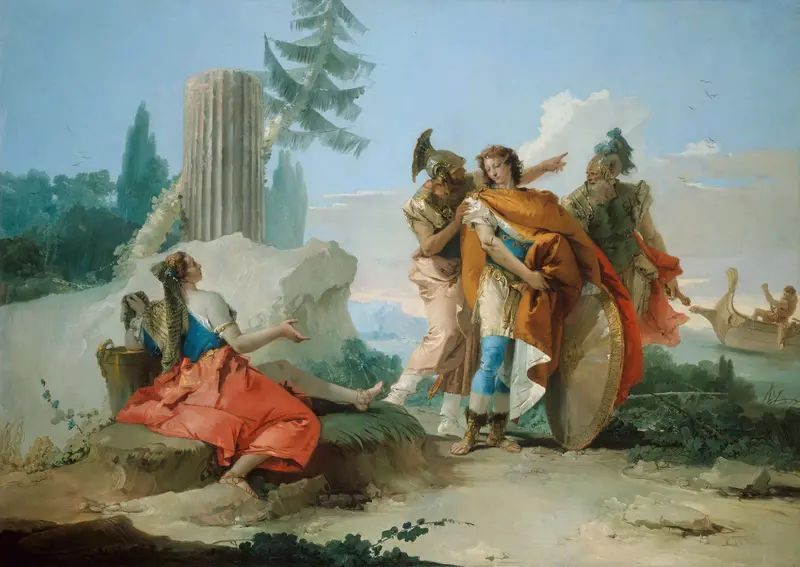
Armida Abandoned by Rinaldo
Giovanni Battista Tiepolo
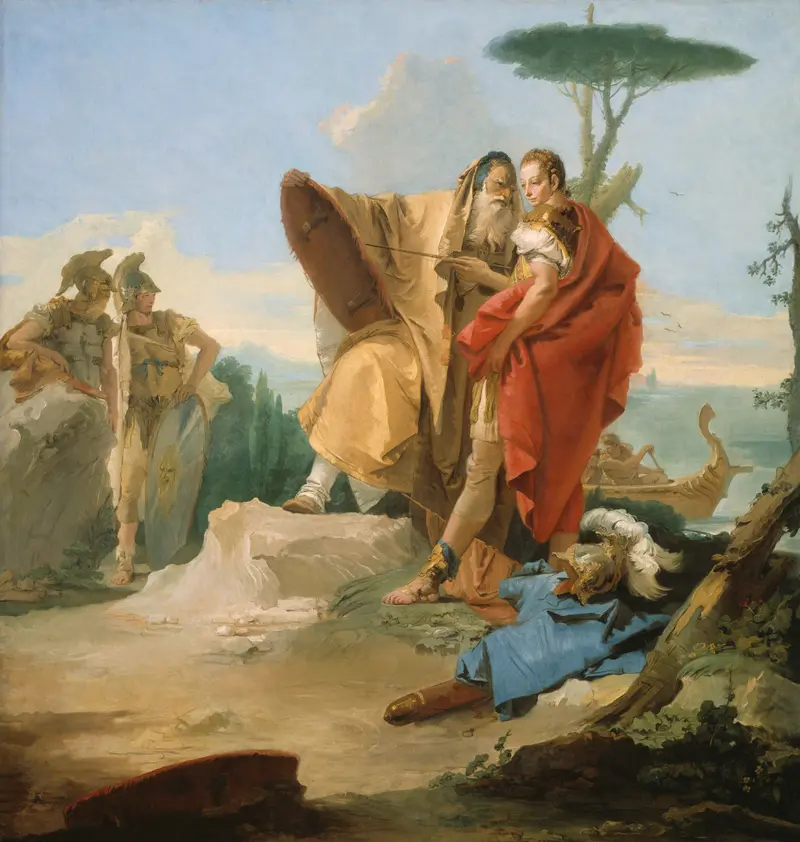
Rinaldo and the Magus of Ascalon
Giovanni Battista Tiepolo
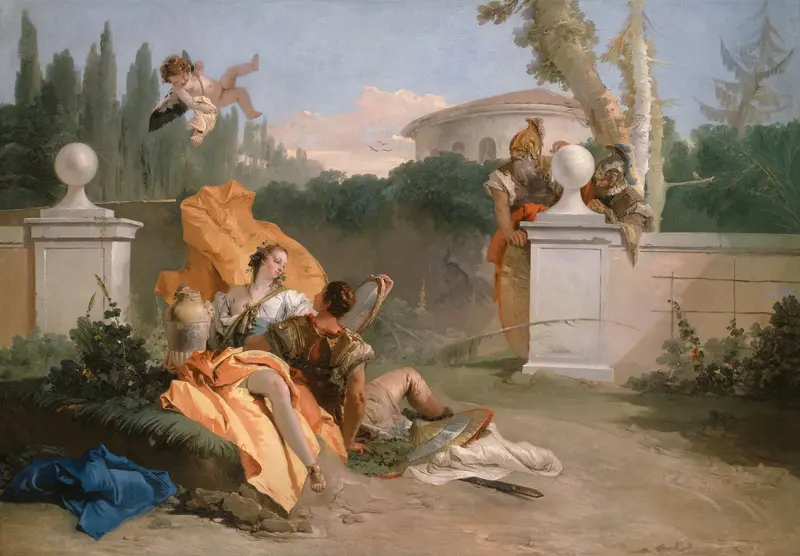
Rinaldo and Armida in Her Garden
Giovanni Battista Tiepolo
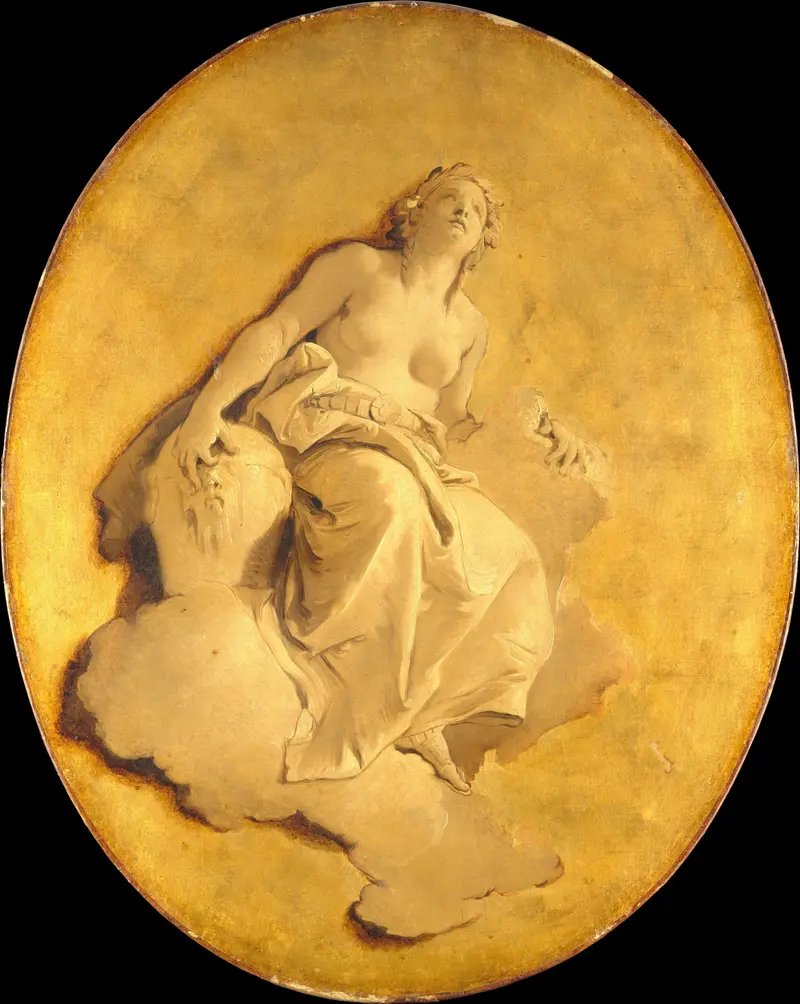
A Female Allegorical Figure
Giovanni Battista Tiepolo
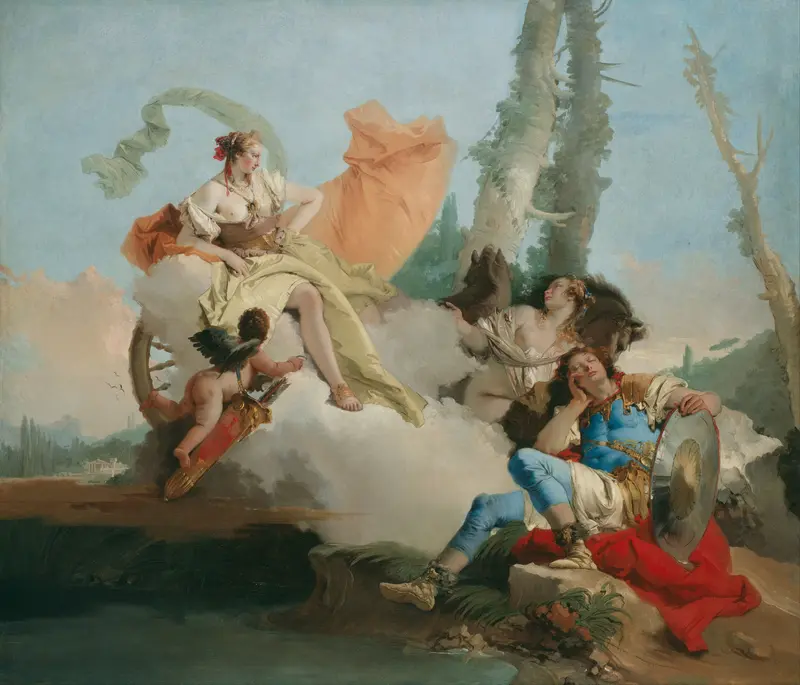
Armida Encounters the Sleeping Rinaldo
Giovanni Battista Tiepolo
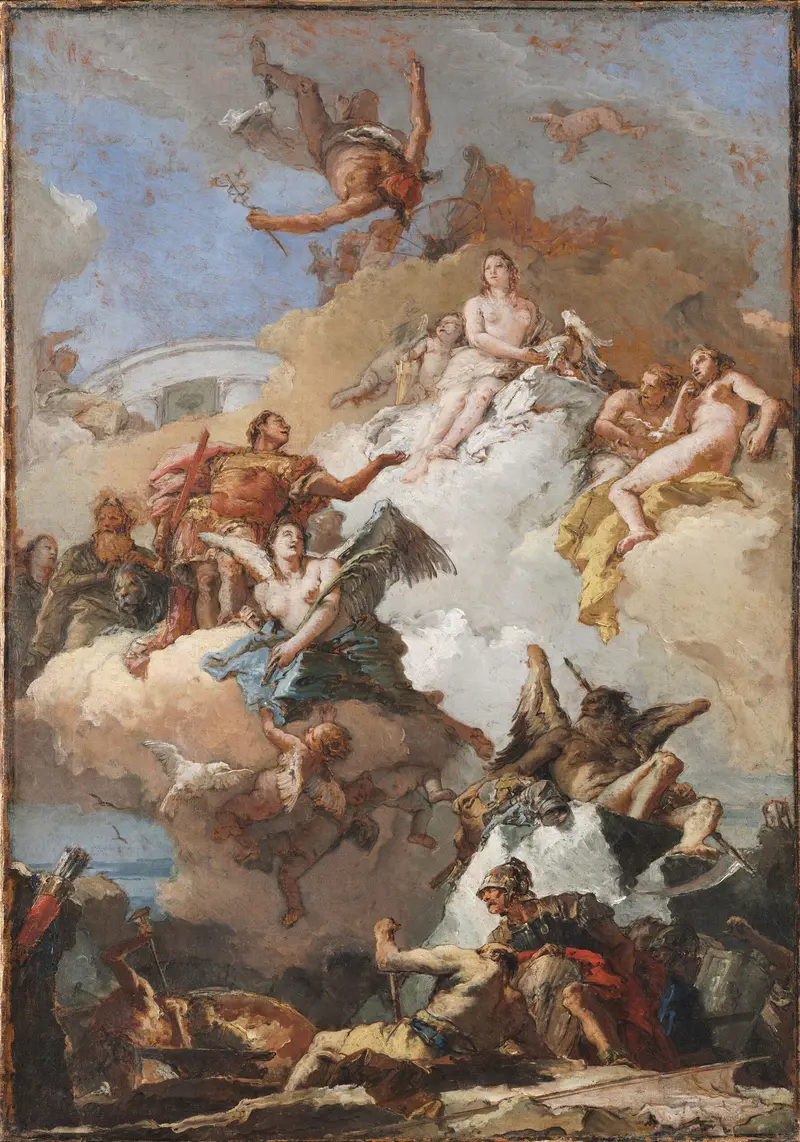
The Apotheosis of Aeneas
Giovanni Battista Tiepolo
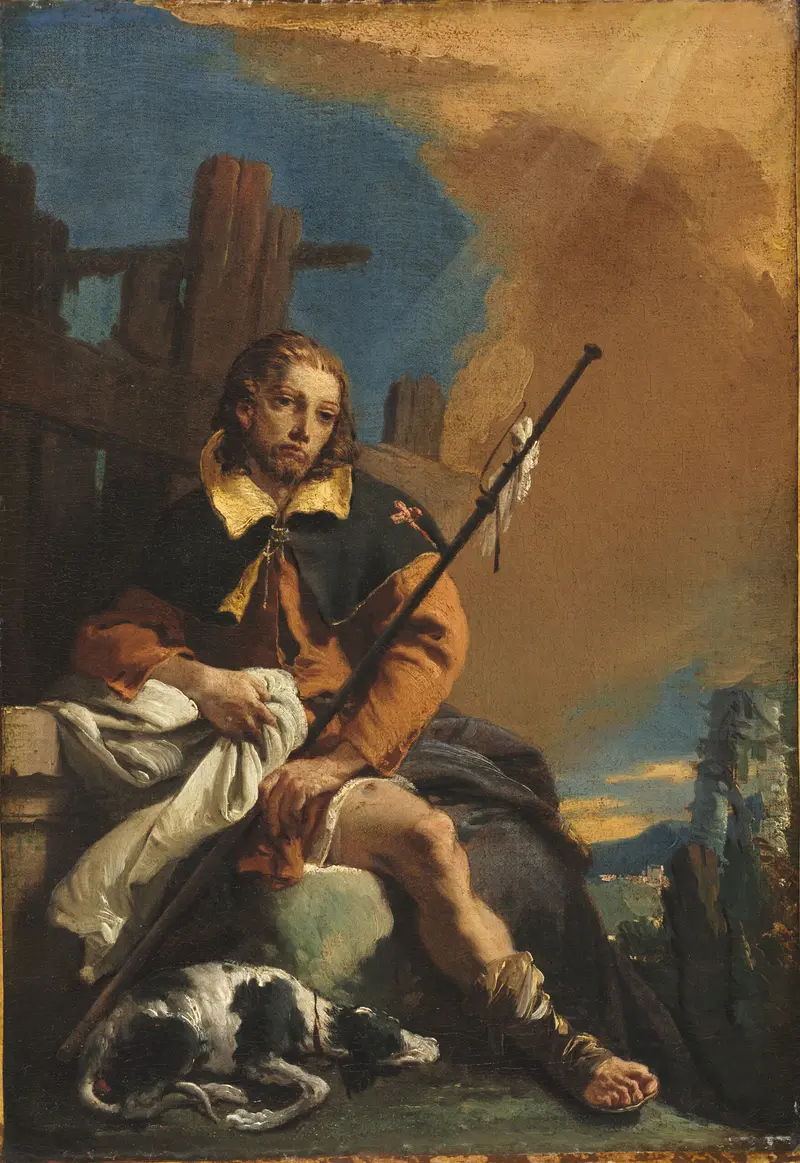
Saint Roch as a Pilgrim
Giovanni Battista Tiepolo
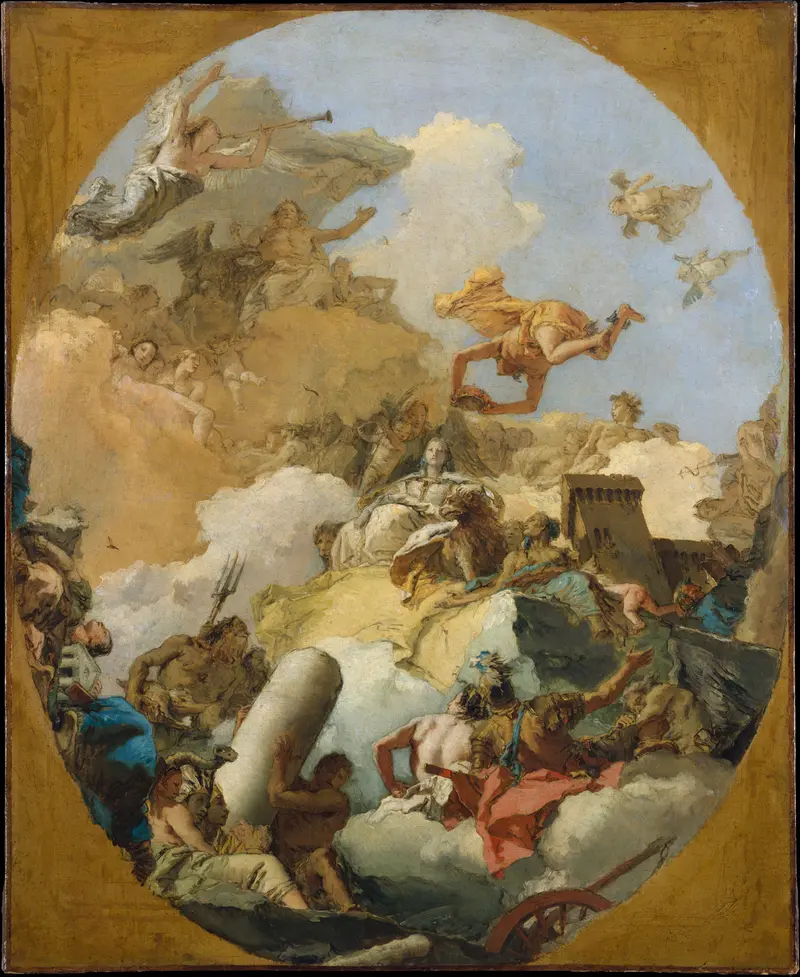
The Apotheosis of the Spanish Monarchy
Giovanni Battista Tiepolo





