
The Two Soldiers and the Two Women — History & Facts
In The Two Soldiers and the Two Women, we see a lively scene filled with vibrant colors. The two soldiers, dressed in military attire, stand confidently beside two women in elegant dresses. The background features a lush landscape, adding depth to the composition.
The overall atmosphere is one of interaction and social engagement. The painting is executed in oil on canvas, showcasing Tiepolo's characteristic use of light and shadow. The figures are rendered with a sense of movement, suggesting a moment of conversation or camaraderie. The colors are bright and warm, typical of the Rococo style.
Viewers can appreciate the intricate details in the clothing and expressions of the figures. Giovanni Battista Tiepolo was a prominent Italian painter of the Rococo period, known for his grand compositions and theatrical flair. This work reflects his ability to capture the social dynamics of his time. Interestingly, Tiepolo often incorporated elements of humor and playfulness in his genre scenes.
The Two Soldiers and the Two Women exemplifies this, inviting viewers to ponder the relationships between the figures.
More Artworks by Giovanni Battista Tiepolo
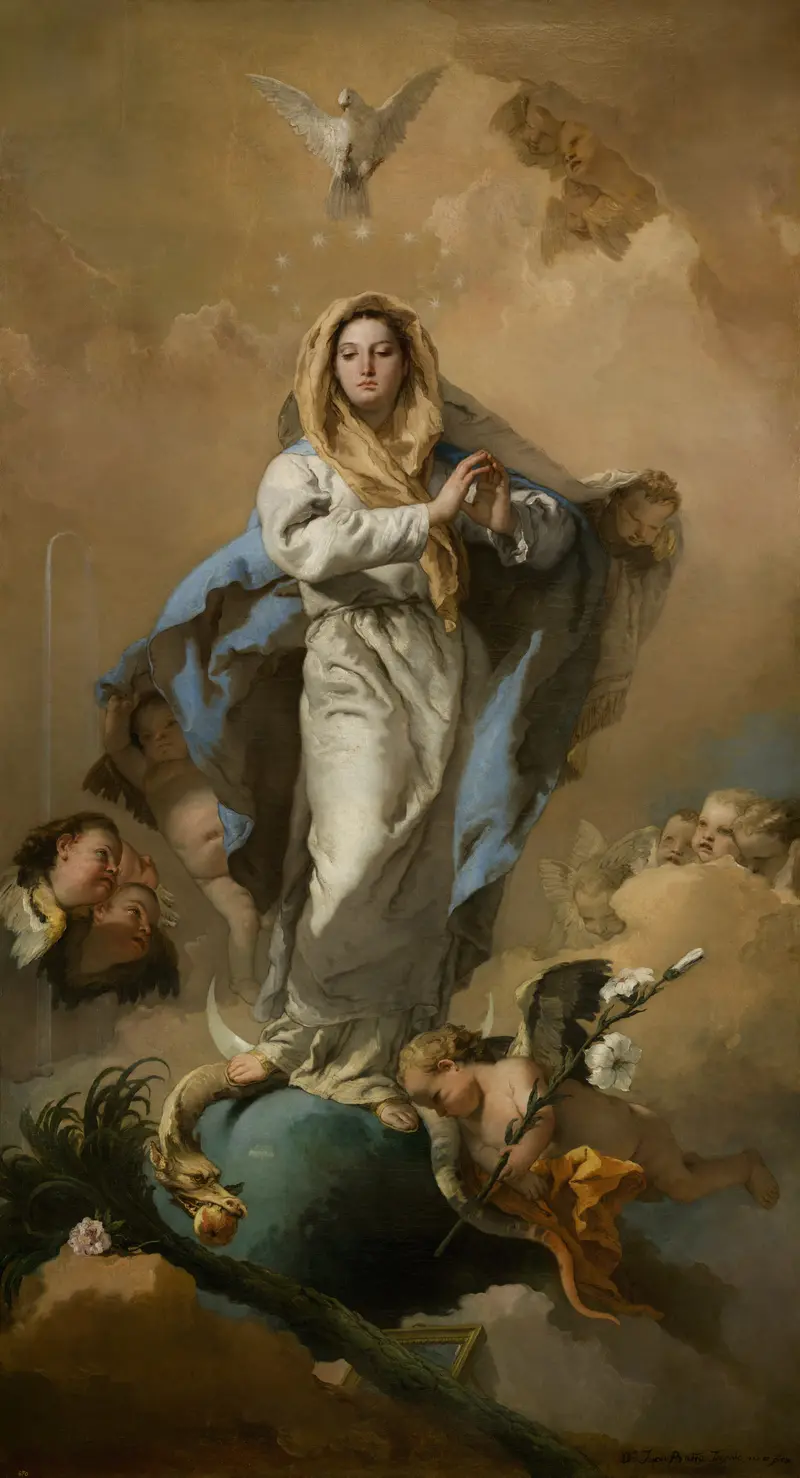
The Immaculate Conception
Giovanni Battista Tiepolo
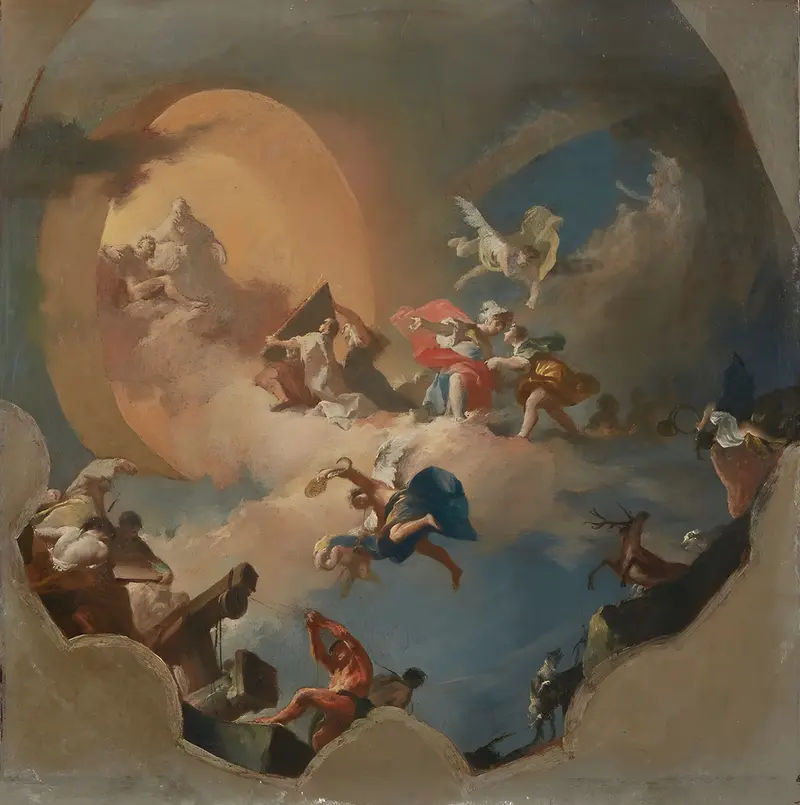
The Apotheosis of the Arts
Giovanni Battista Tiepolo
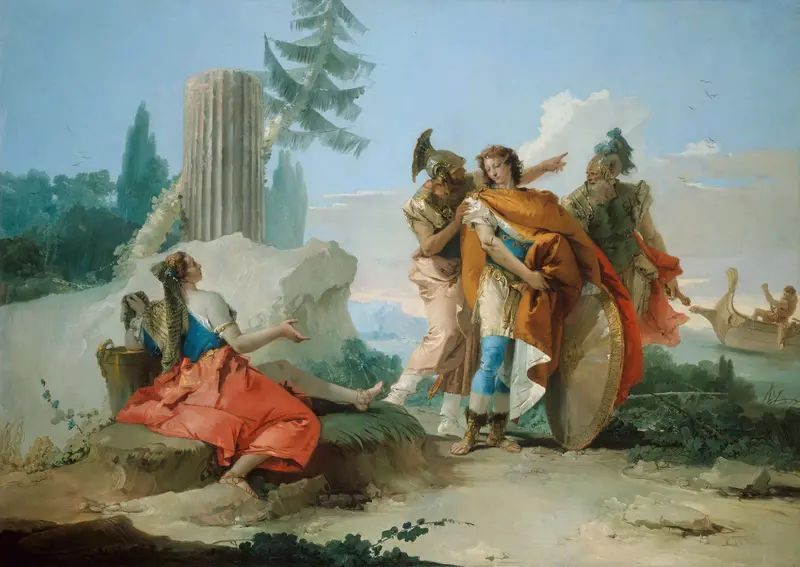
Armida Abandoned by Rinaldo
Giovanni Battista Tiepolo
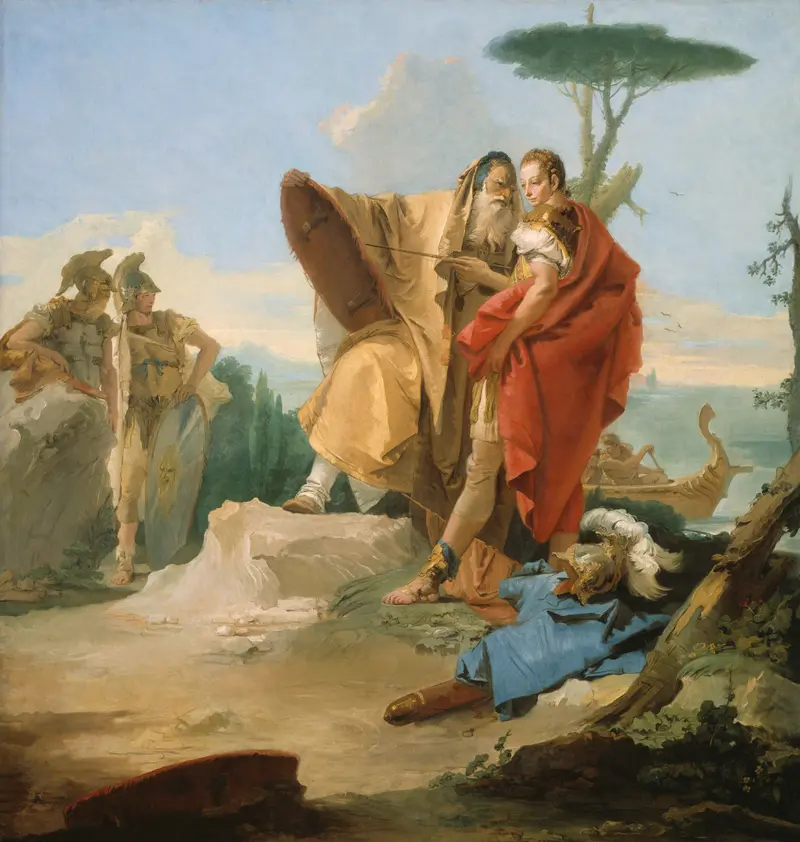
Rinaldo and the Magus of Ascalon
Giovanni Battista Tiepolo
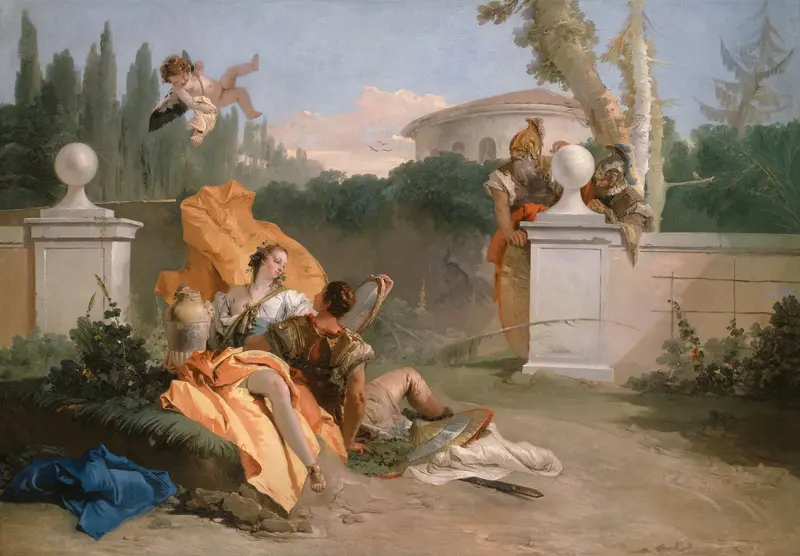
Rinaldo and Armida in Her Garden
Giovanni Battista Tiepolo
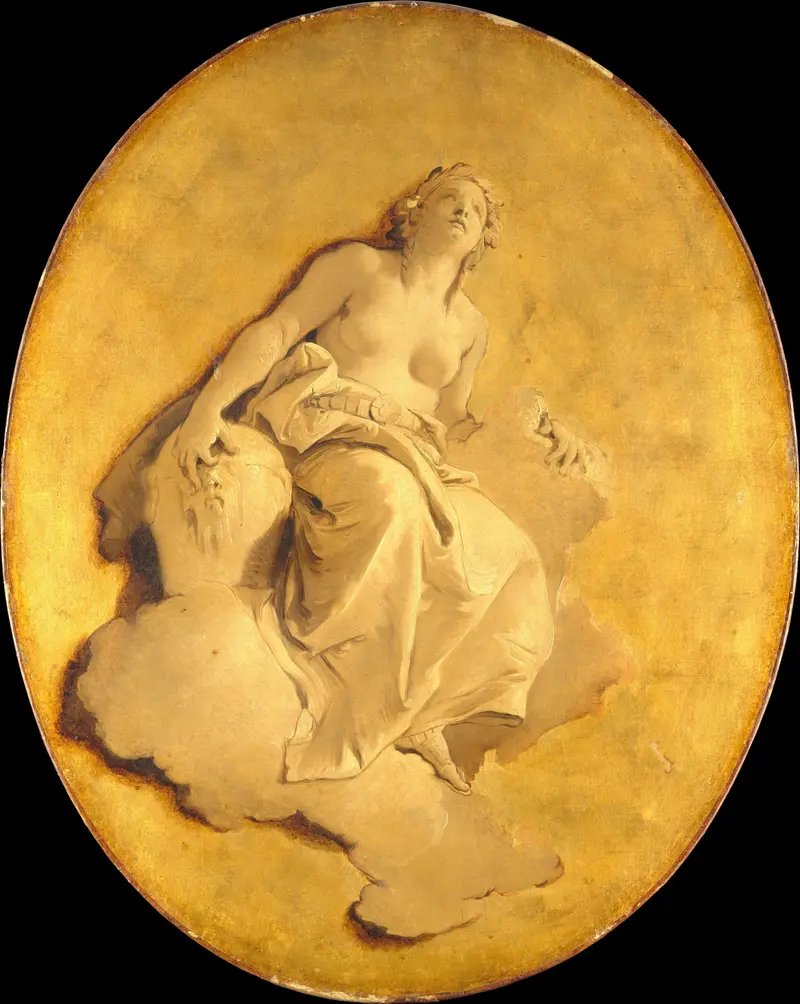
A Female Allegorical Figure
Giovanni Battista Tiepolo
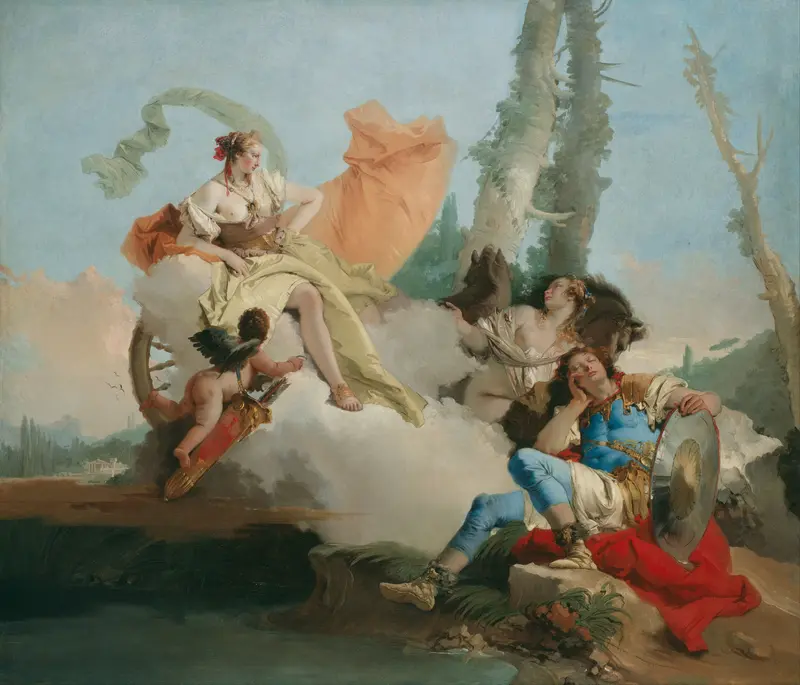
Armida Encounters the Sleeping Rinaldo
Giovanni Battista Tiepolo
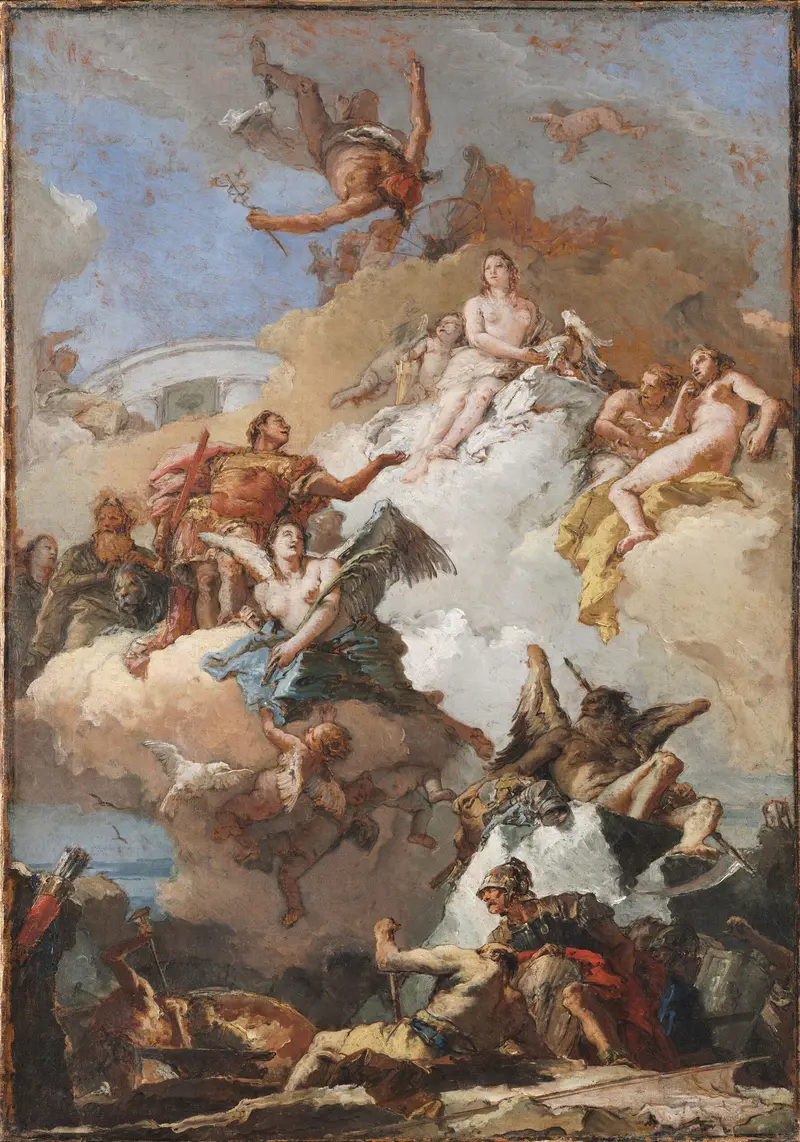
The Apotheosis of Aeneas
Giovanni Battista Tiepolo
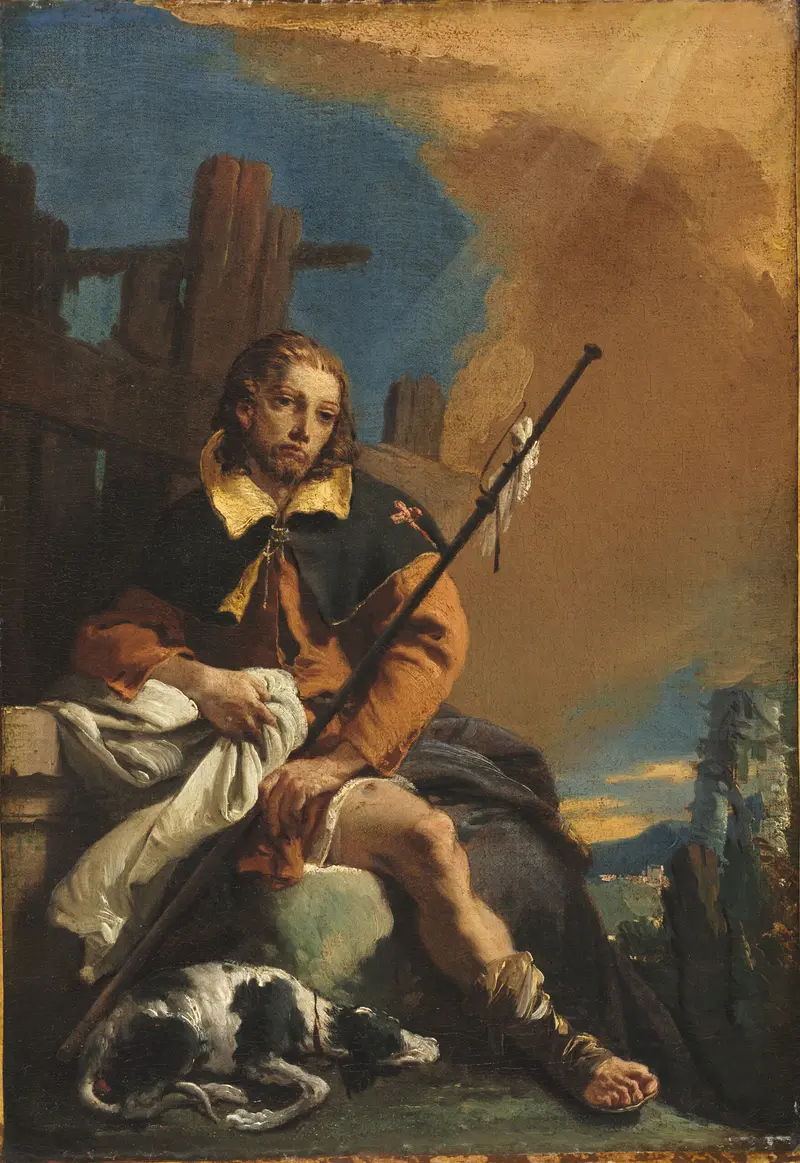
Saint Roch as a Pilgrim
Giovanni Battista Tiepolo
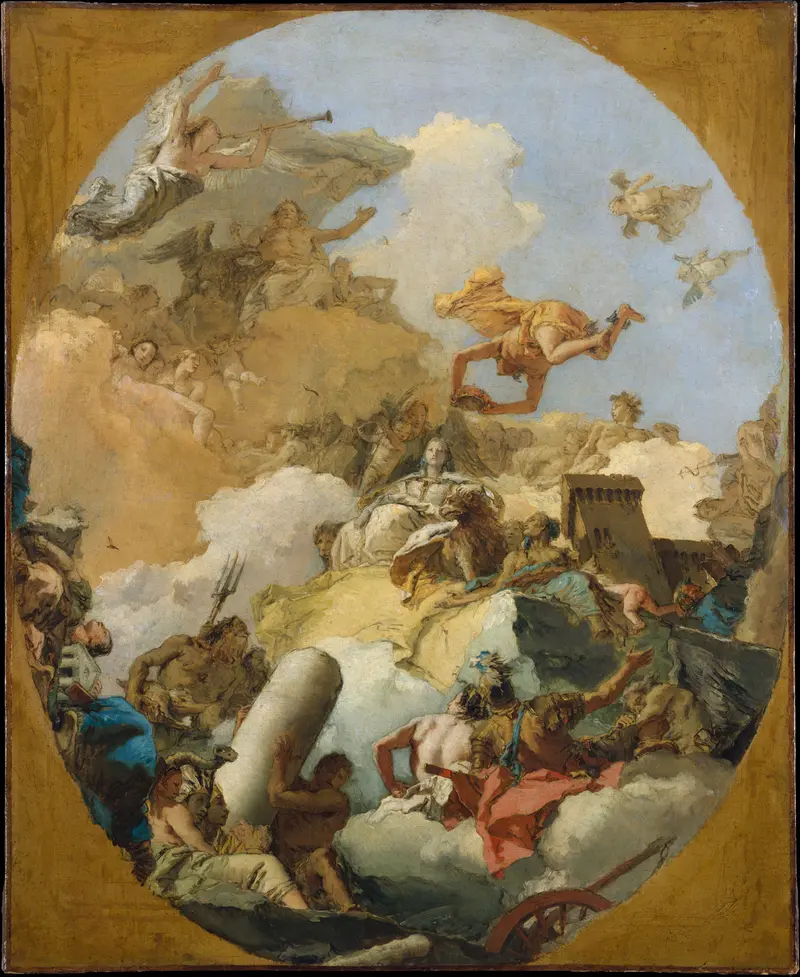
The Apotheosis of the Spanish Monarchy
Giovanni Battista Tiepolo
More Genre Scene Art

Banquet of the Officers of the St George Civic Guard
Frans Hals

Rembrandt and Saskia in the Scene of the Prodigal Son
Rembrandt van Rijn

Bal du moulin de la Galette
Pierre-Auguste Renoir

Quadrille at the Moulin Rouge
Henri de Toulouse-Lautrec

A Burial at Ornans
Gustave Courbet

When Will You Marry?
Paul Gauguin