
The Vale of Tears — History & Facts
When The Vale of Tears was first exhibited in 1883, it marked one of the final, haunting statements from Gustave Doré, better known in his lifetime for his engravings than for his paintings. The work drew immediate attention for its emotional gravity, with critics noting how Doré, in the last years of his life, turned increasingly to large-scale religious and allegorical scenes. The painting’s title itself became a catchphrase in reviews, as viewers recognized it as a reference to the biblical phrase describing the sorrows of earthly existence.
Unlike his earlier, more illustrative works, this canvas was not commissioned but rather sprang from Doré’s personal preoccupation with human suffering and redemption. At the heart of The Vale of Tears, Doré captures the moment when Christ, descending from a sunlit height, is surrounded by a crowd of the poor, the sick, and the grieving. The composition is dense with figures: mothers clutching children, the elderly leaning on sticks, the blind reaching out, all gazing toward the central figure of Christ, whose open arms and gentle light suggest solace and hope. The landscape itself seems to weep—dark, craggy rocks and a river winding through a barren valley—emphasizing the weight of human misery.
Doré’s handling of light, with a golden glow breaking through the clouds, recalls the spiritual drama of Rembrandt’s biblical scenes, but here the focus is less on individual salvation than on collective suffering. The chain at the feet of one figure, the tattered garments, and the bowed heads all serve as concrete symbols of earthly hardship. The exact medium of The Vale of Tears remains uncertain, though it is generally believed to be oil on canvas, consistent with Doré’s late religious works. After Doré’s death in 1883, the painting’s whereabouts were unclear for several decades, with references surfacing in exhibition catalogues but little documentation of its ownership.
Today, it is recognized as a key example of Doré’s late style, bridging the gap between illustration and grand historical painting, and is often reproduced in discussions of 19th-century religious art. Though it has not achieved the fame of his engravings for The Divine Comedy or The Bible, The Vale of Tears stands as a testament to Doré’s empathy and ambition in his final years.
More Artworks by Gustave Doré

The Deluge
Gustave Doré
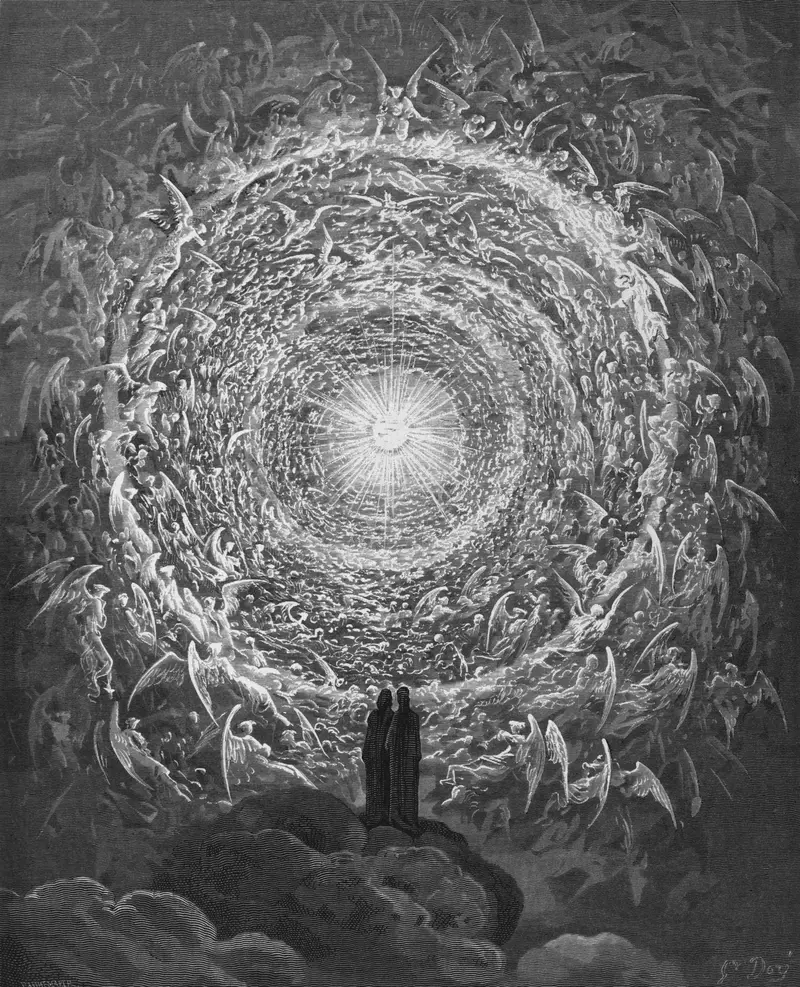
The Empyrean (Paradiso, Canto 31)
Gustave Doré
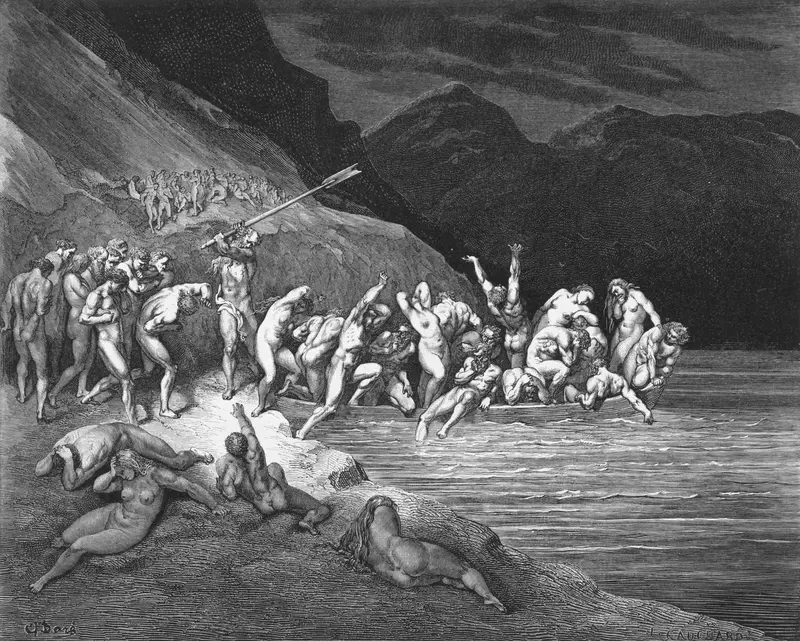
Charon (Inferno, Canto 3)
Gustave Doré
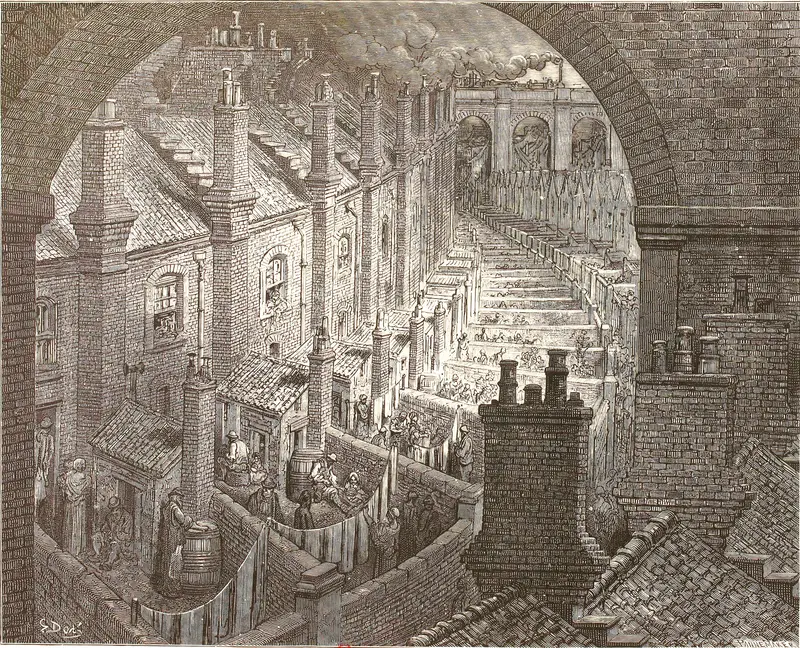
Over London by Rail
Gustave Doré
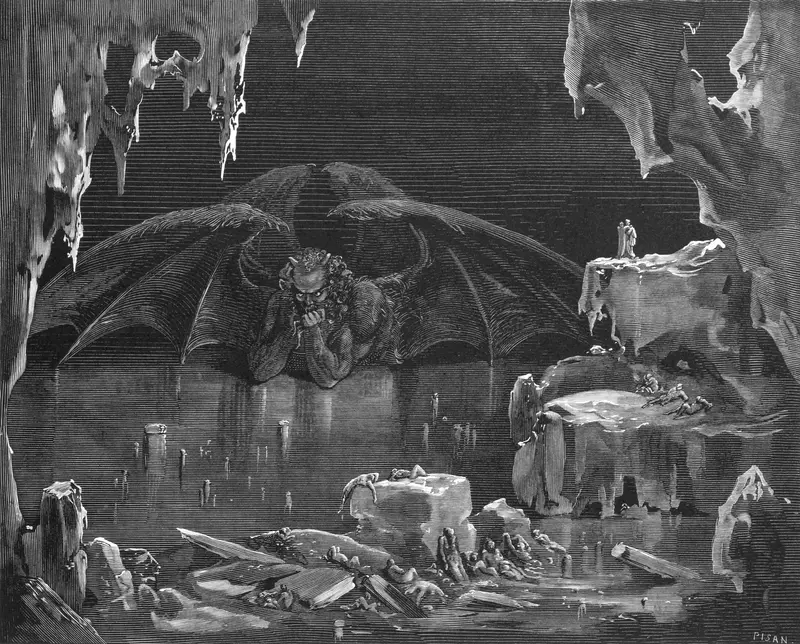
Lucifer, King of Hell
Gustave Doré
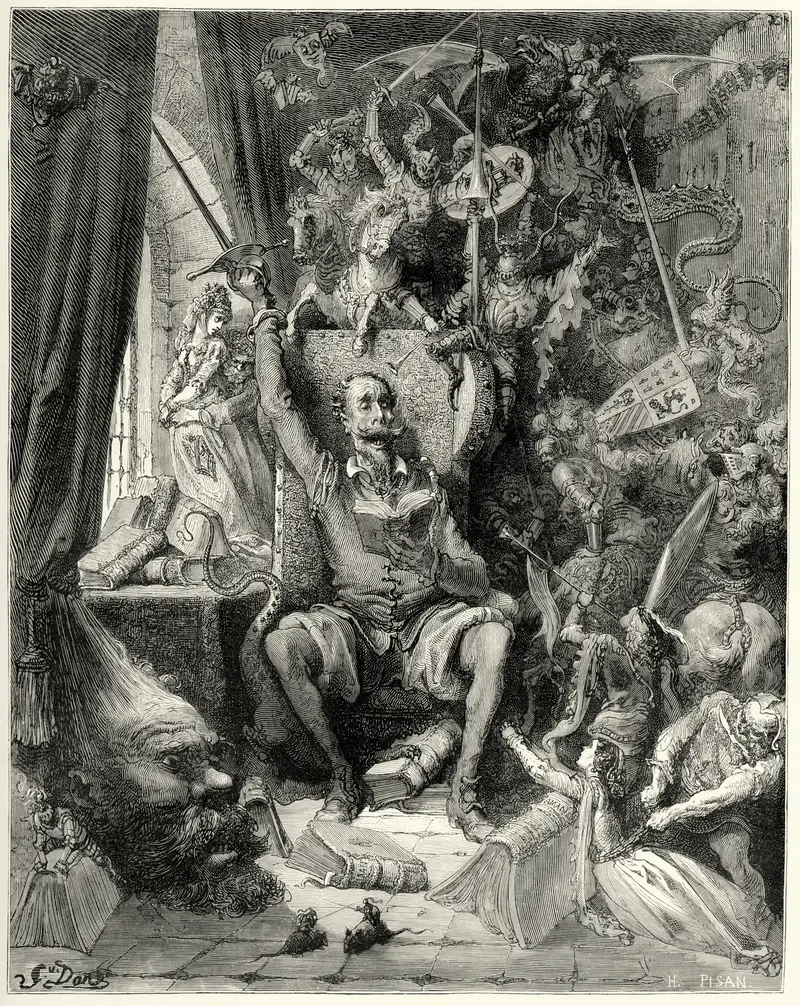
Don Quixote in His Library
Gustave Doré
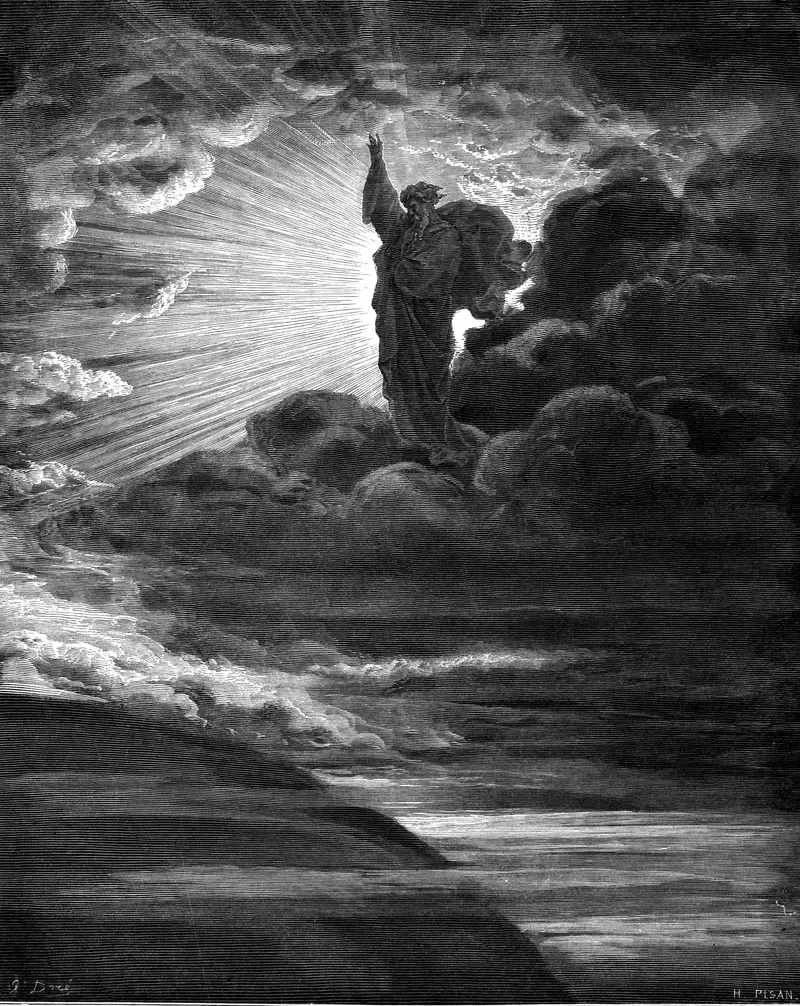
The Creation of Light
Gustave Doré
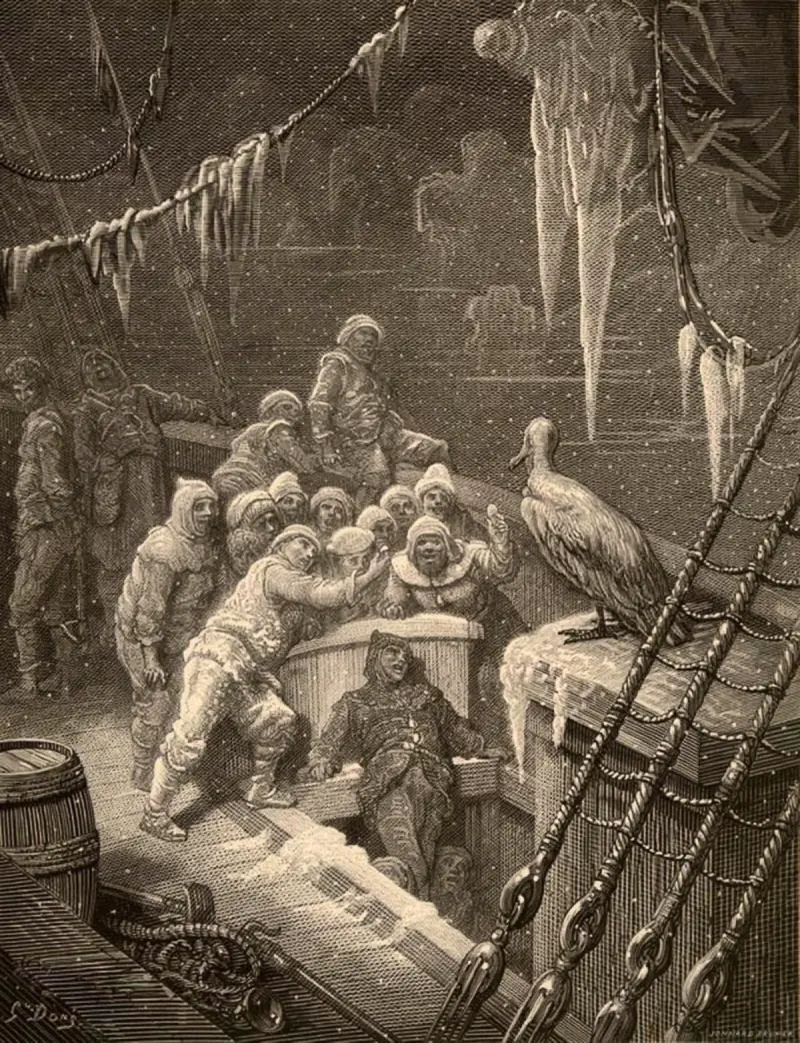
The Albatross (The Rime of the Ancient Mariner)
Gustave Doré
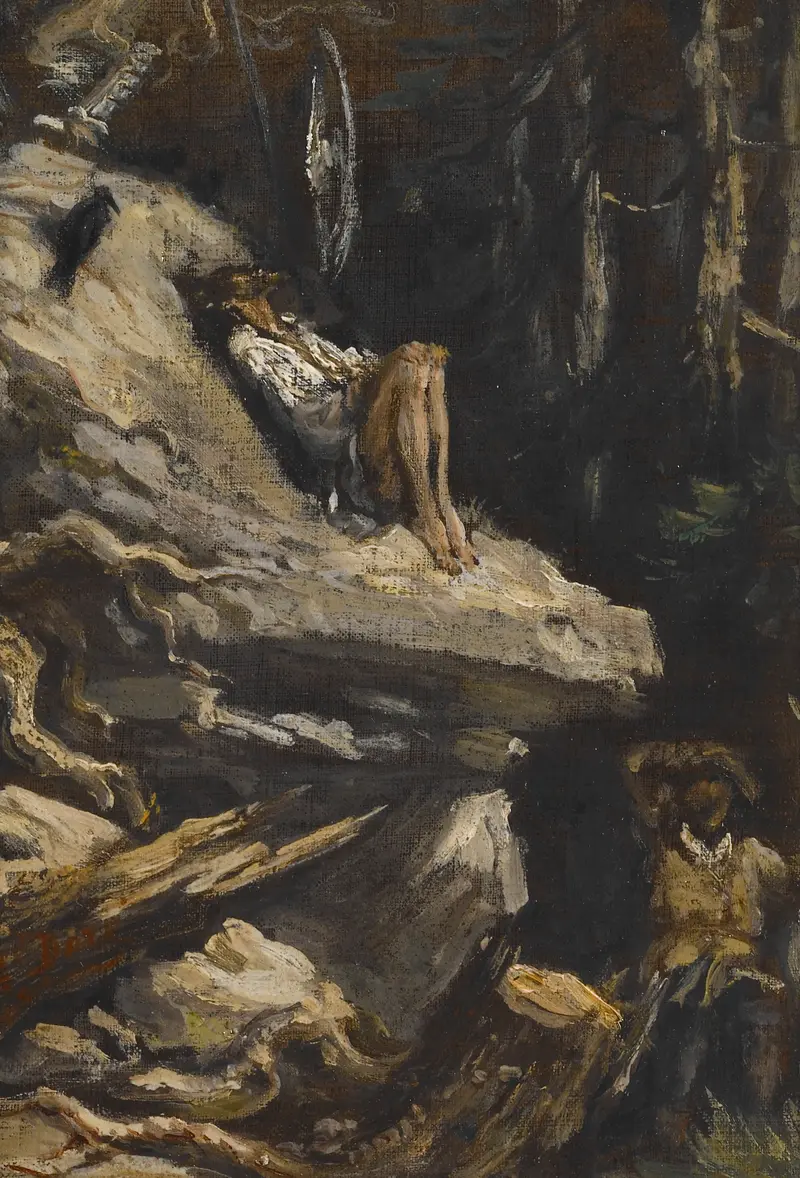
"'Alas!' answered Sancho, 'I found him in his shirt, lean, pale, and almost starved, sighing for his Lady Dulcinea'" from Don Quixote
Gustave Doré
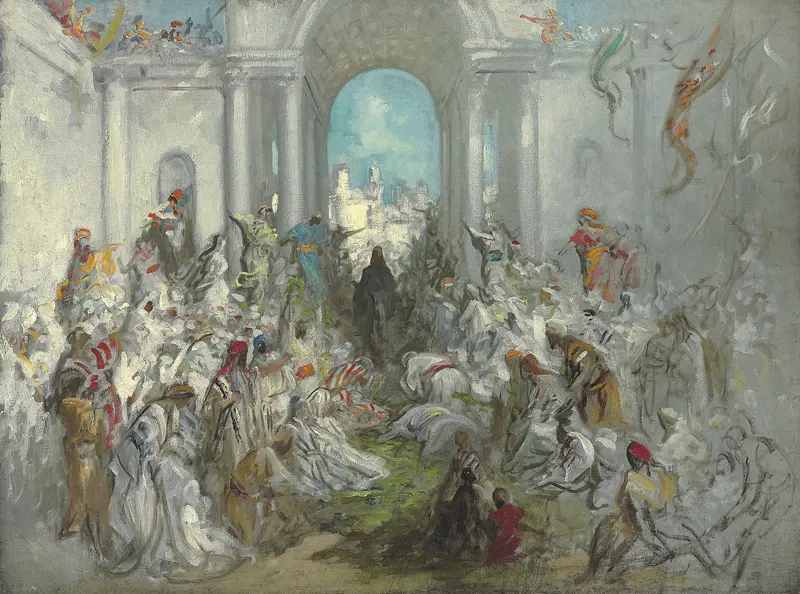
Christ's Entry into Jerusalem
Gustave Doré





