
The Virgin and Child — History & Facts
What first catches the eye in The Virgin and Child by Antonio Maria Esquivel is the almost theatrical glow that envelops the figures, drawing the viewer into a world suspended between earth and heaven. The Virgin sits in quiet majesty, her deep red and blue robes pooling around her, while the Christ Child stands upright on her lap, steady and self-assured, holding a small cross. A host of cherubic angels emerges from the golden haze behind them, their gestures and gazes converging on the central pair, while a radiant dove descends from above, its wings outstretched in a burst of light.
Every element in the composition serves to reinforce the sense of sacred revelation: the Child’s direct gaze, the Virgin’s gentle support, and the enveloping cloud of angelic witnesses all combine to focus attention on the moment’s spiritual gravity. Painted in 1856, this work belongs to a long tradition of devotional images created for both private contemplation and public veneration, especially in Catholic Spain. By the mid-19th century, artists like Esquivel were drawing on centuries of Marian iconography, yet infusing it with the clarity and polish favored by academic painting of the era. Such works were often commissioned by churches or wealthy patrons seeking to express both faith and status, and the careful rendering of drapery and flesh here speaks to the expectations of a discerning audience.
Though history has kept few traces of this particular painting’s journey, its presence in a documented collection today invites us to linger over the details—the luminous skin, the delicate hands, the tender exchange of glances—and consider how each brushstroke was meant to inspire devotion as much as admiration.
More Artworks by Antonio Maria Esquivel

Baldomero Espartero
Antonio Maria Esquivel
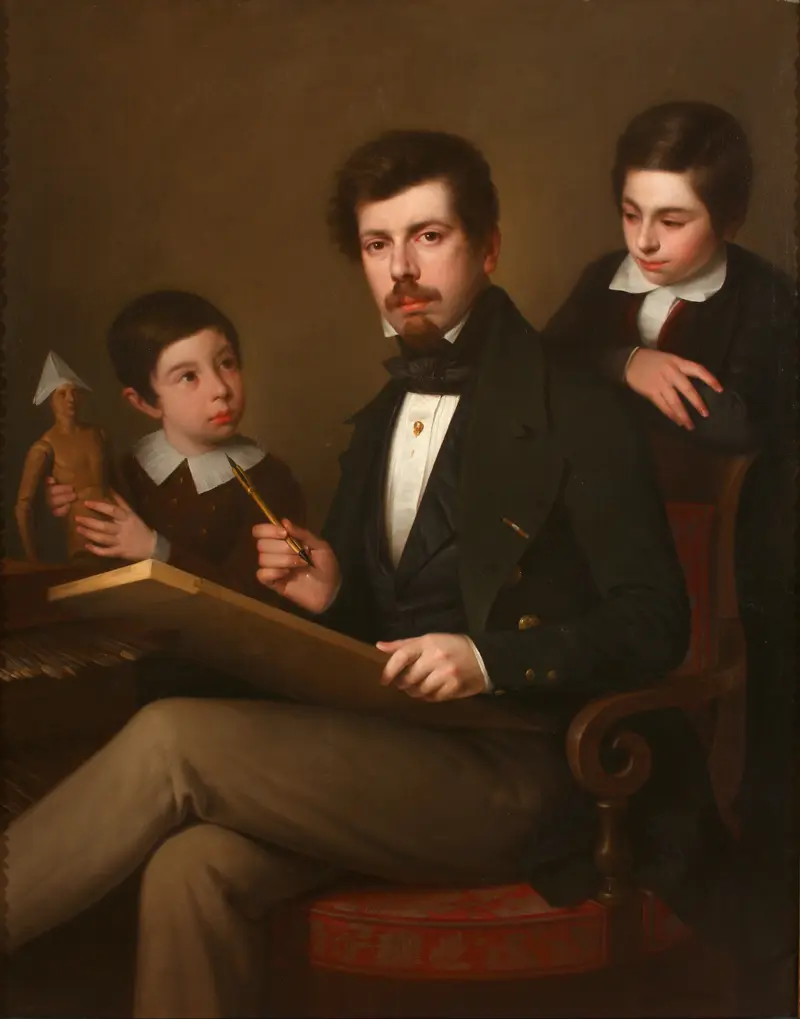
Self-portrait with his sons Carlos and Vicente
Antonio Maria Esquivel
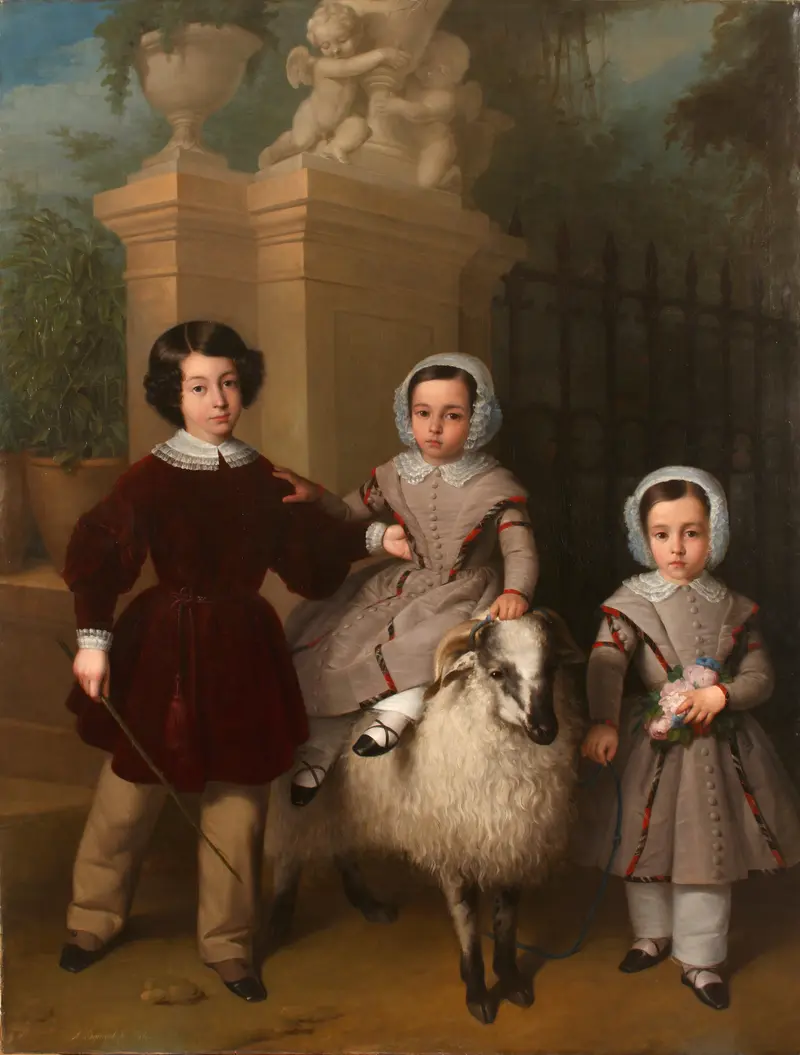
Children playing with a ram
Antonio Maria Esquivel
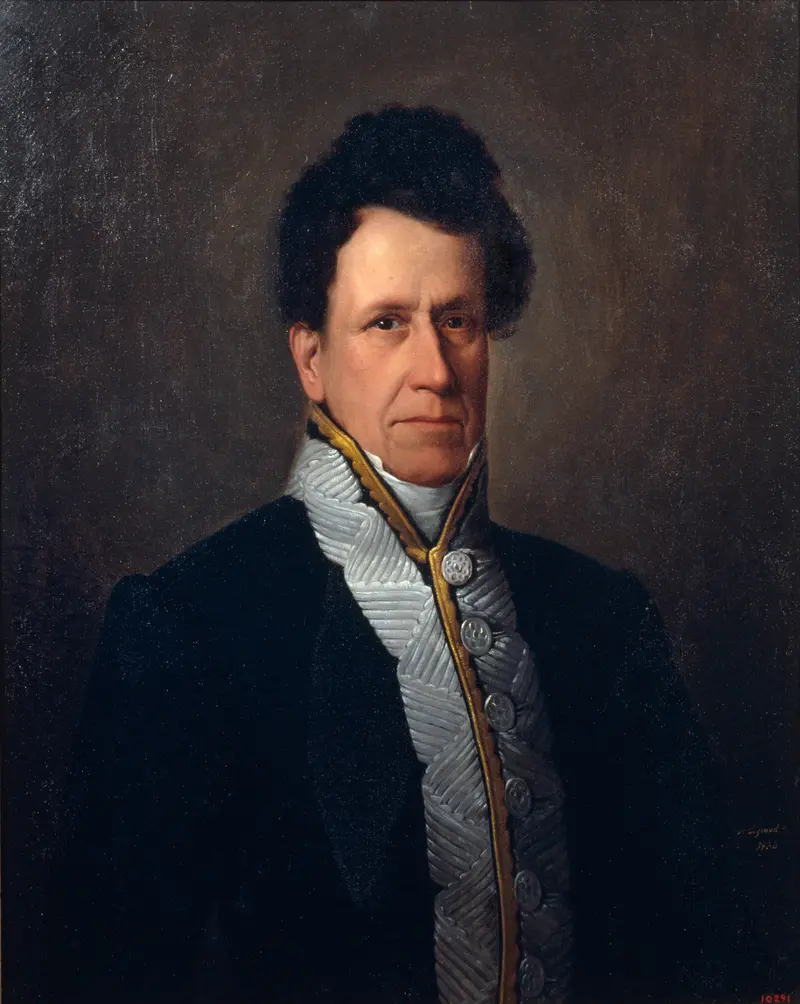
Portrait of Manuel Mª Gutiérrez
Antonio Maria Esquivel
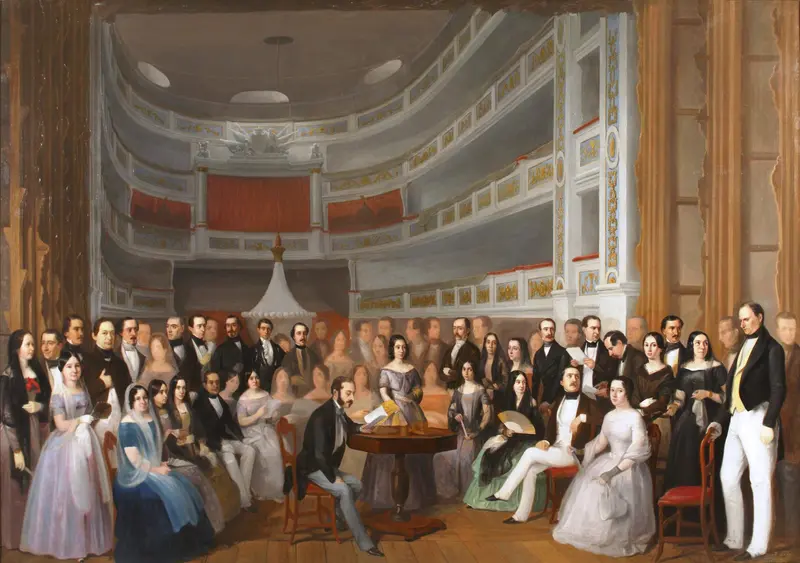
Ventura de la Vega reading a play at the Teatro del Príncipe
Antonio Maria Esquivel
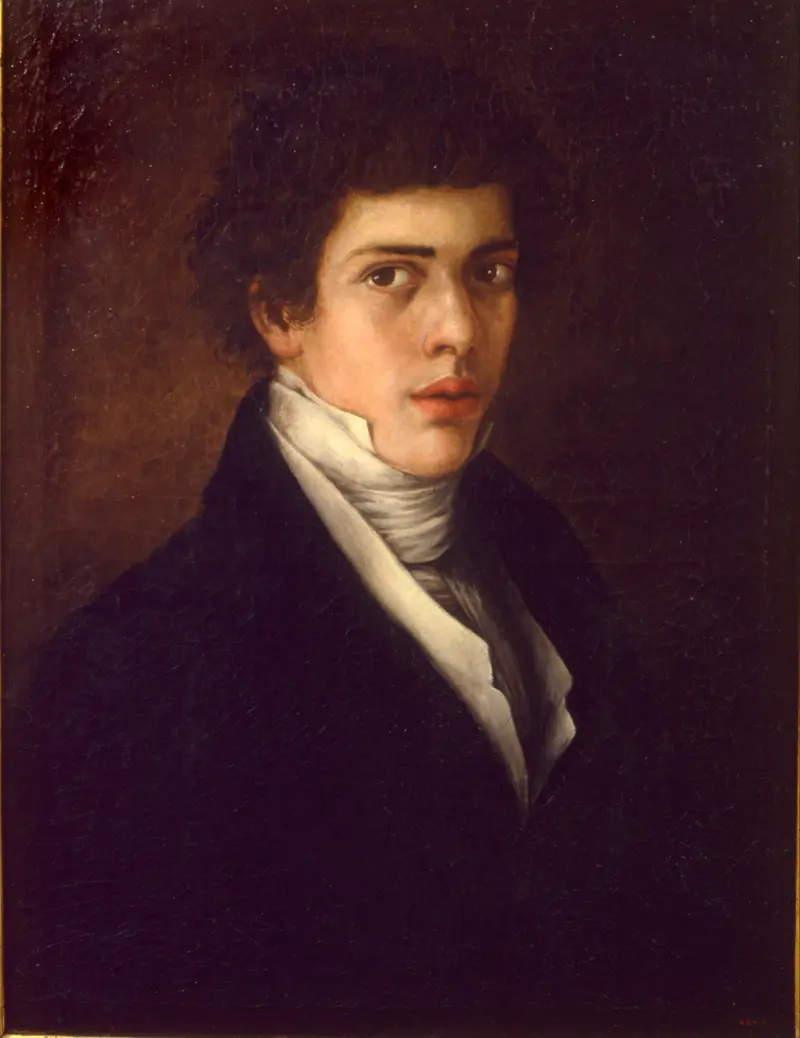
Self-portrait
Antonio Maria Esquivel
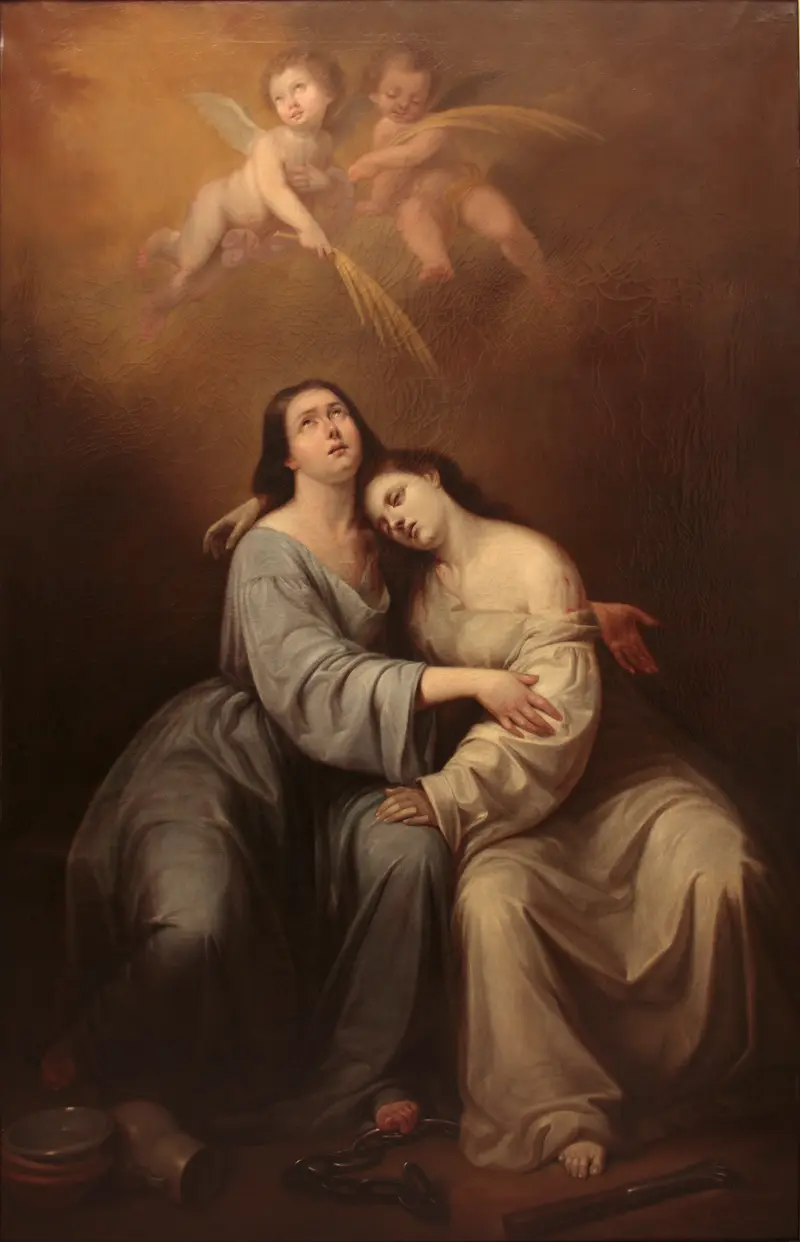
Saint Justa and Saint Rufina
Antonio Maria Esquivel
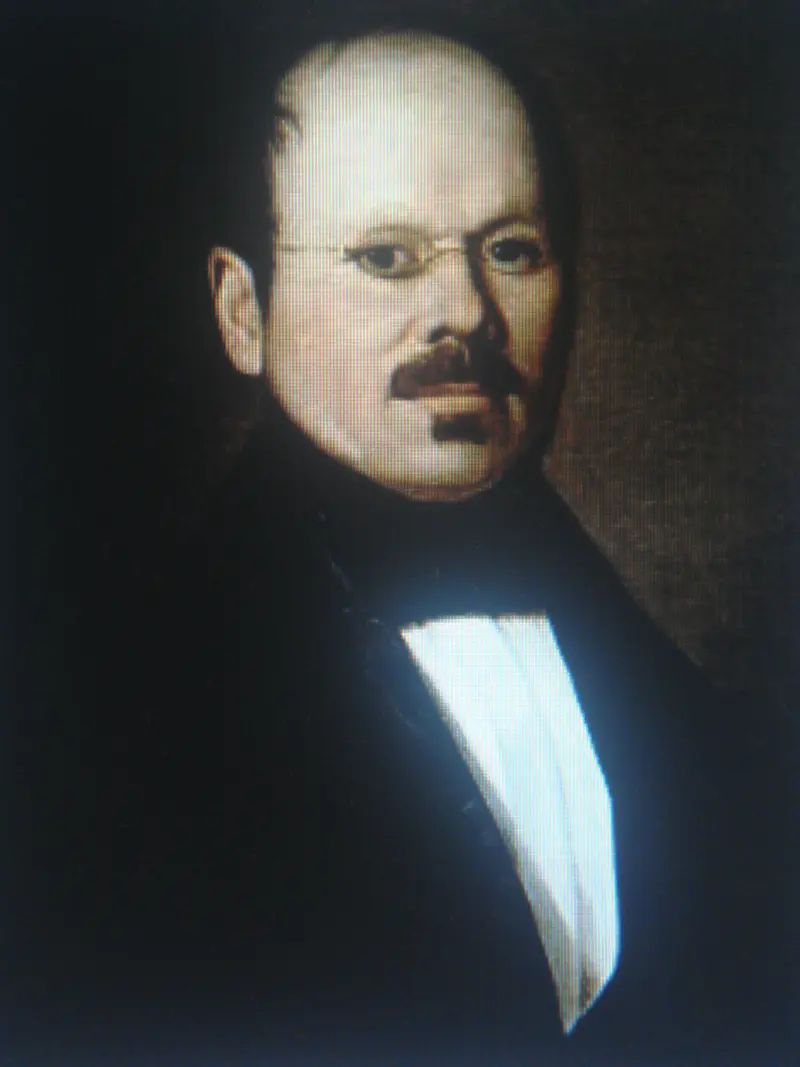
Antonio Benavides Fernández de Navarrete (Real Academia de la Historia)
Antonio Maria Esquivel
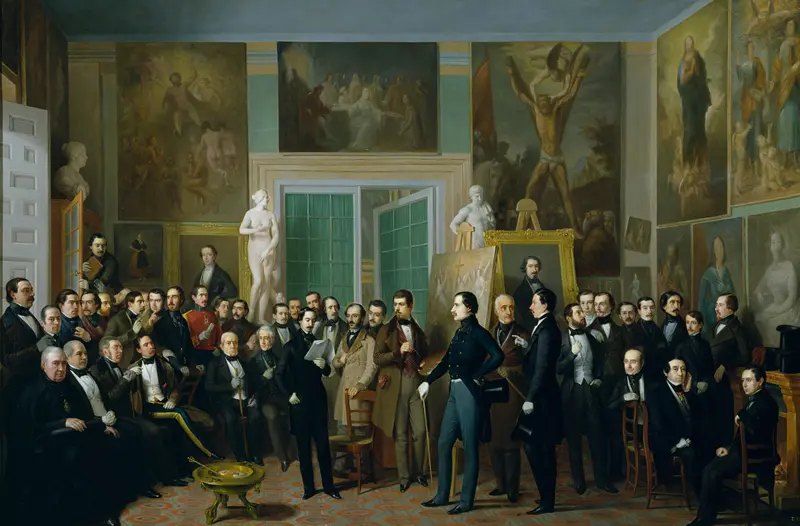
The Contemporary Poets. A Reading of Zorrilla in the Artist's Studio
Antonio Maria Esquivel
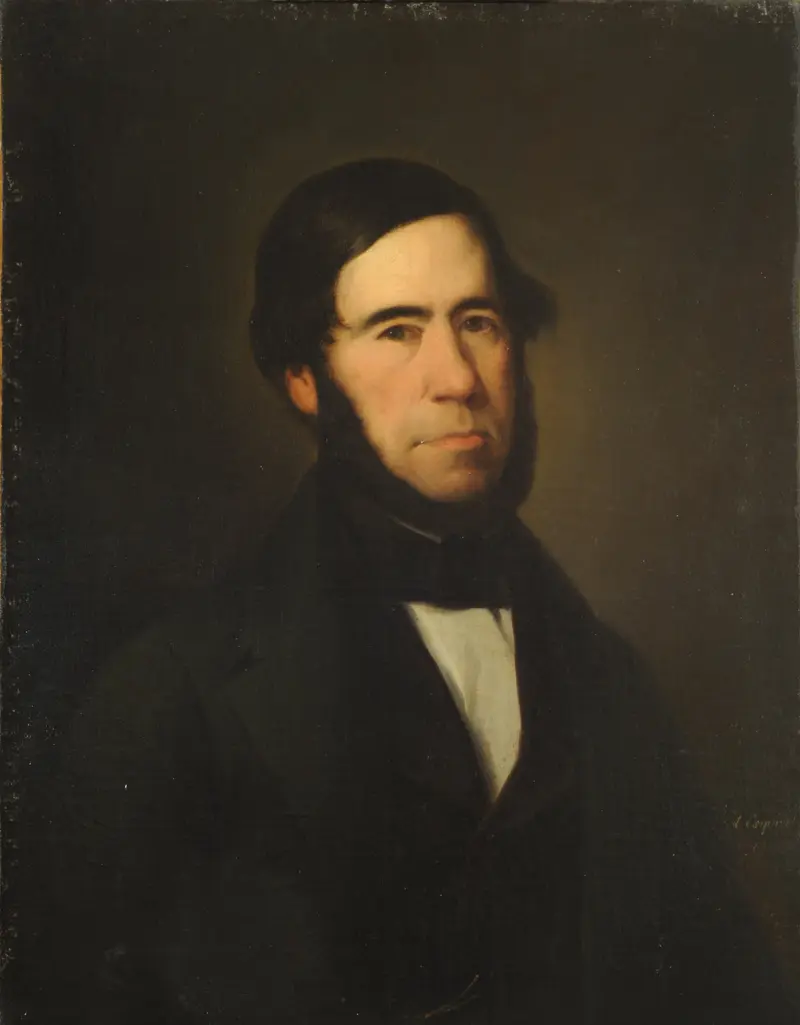
Portrait of Don Manuel José de Guerrico
Antonio Maria Esquivel





