
Three Cherubs and a Beribboned Staff — History & Facts
In Three Cherubs and a Beribboned Staff, three cherubs are depicted with soft, delicate features. The colors are light and airy, with pastel blues, pinks, and whites dominating the palette. The cherubs are surrounded by flowing ribbons that add a sense of movement to the composition.
The background is likely a serene sky, enhancing the celestial theme of the painting. The painting is executed in oil on canvas, showcasing Tiepolo's skill in creating depth and texture. The use of light and shadow is evident, giving the figures a three-dimensional quality. The cherubs are rendered with intricate details, from their expressions to the folds of their drapery.
This attention to detail is characteristic of Tiepolo's Rococo style. Giovanni Battista Tiepolo was a prominent Italian painter of the Rococo period, known for his grand compositions and vibrant colors. Three Cherubs and a Beribboned Staff reflects his ability to blend mythology with playful elements. Interestingly, Tiepolo often painted for palaces and churches, making this work a delightful example of his lighter, more whimsical side.
His influence can still be seen in contemporary art today.
More Artworks by Giovanni Battista Tiepolo
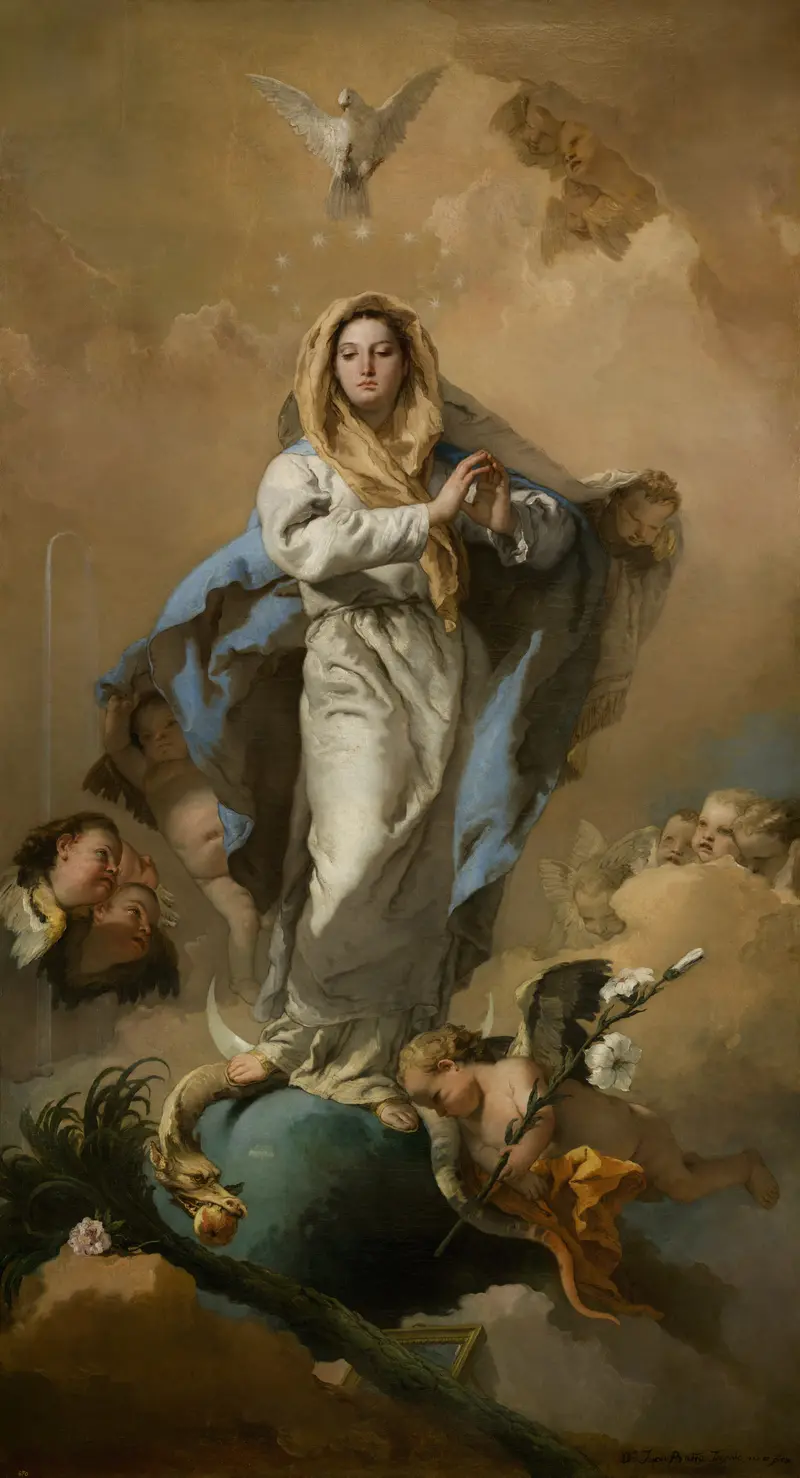
The Immaculate Conception
Giovanni Battista Tiepolo
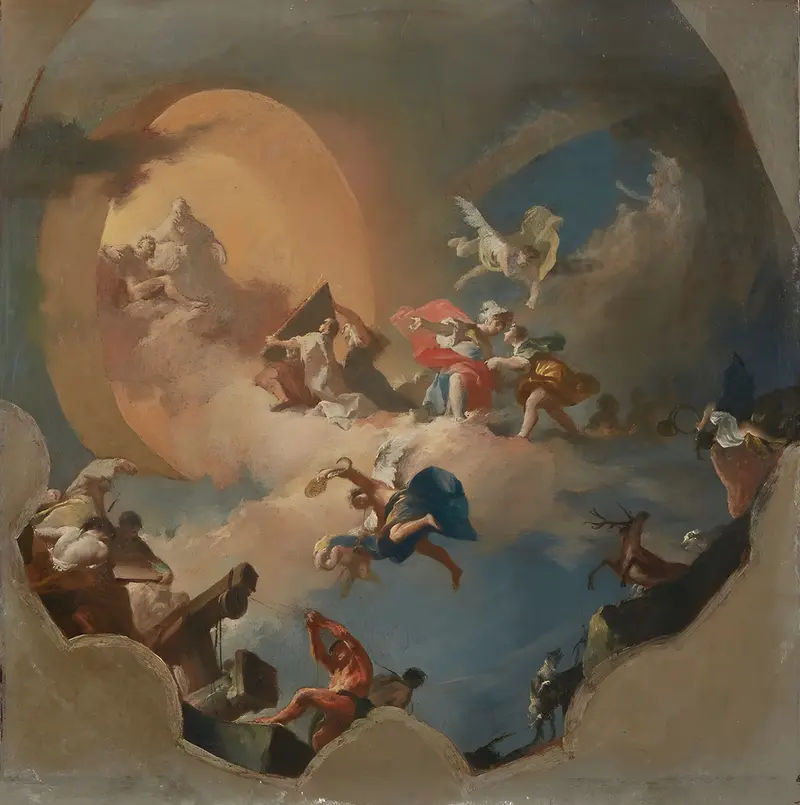
The Apotheosis of the Arts
Giovanni Battista Tiepolo
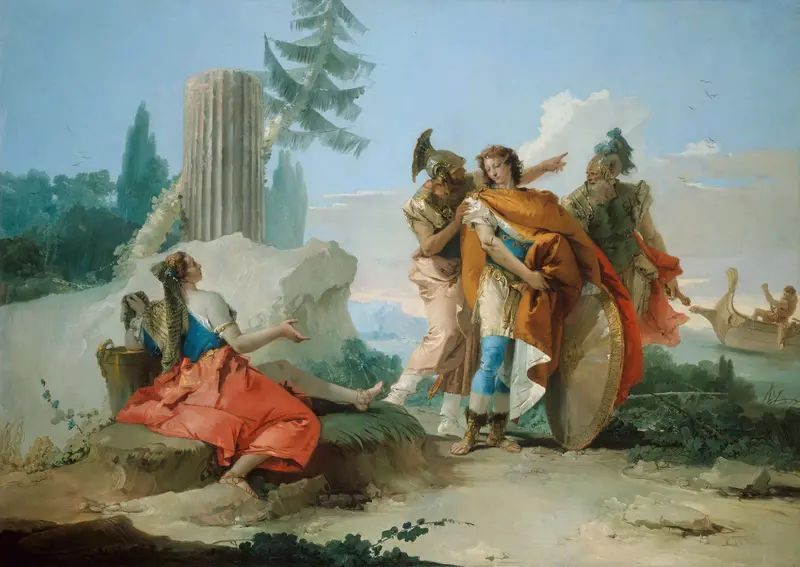
Armida Abandoned by Rinaldo
Giovanni Battista Tiepolo
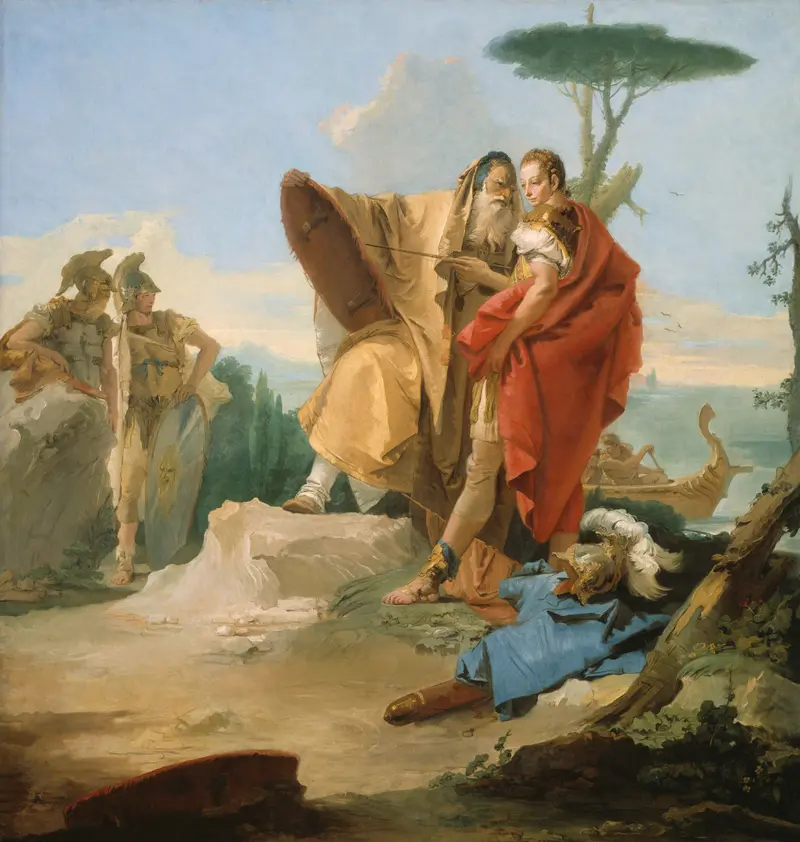
Rinaldo and the Magus of Ascalon
Giovanni Battista Tiepolo
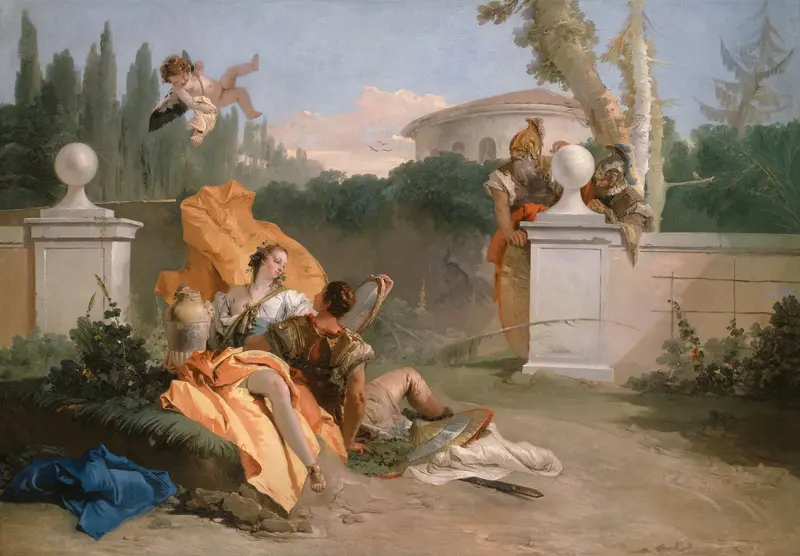
Rinaldo and Armida in Her Garden
Giovanni Battista Tiepolo
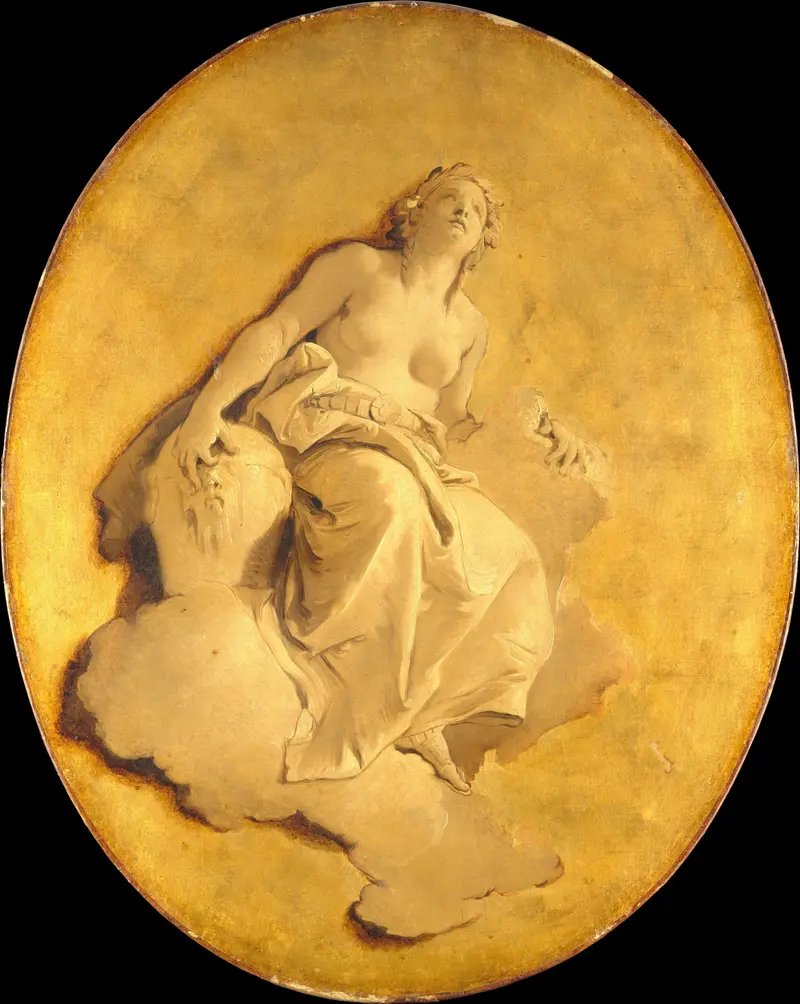
A Female Allegorical Figure
Giovanni Battista Tiepolo
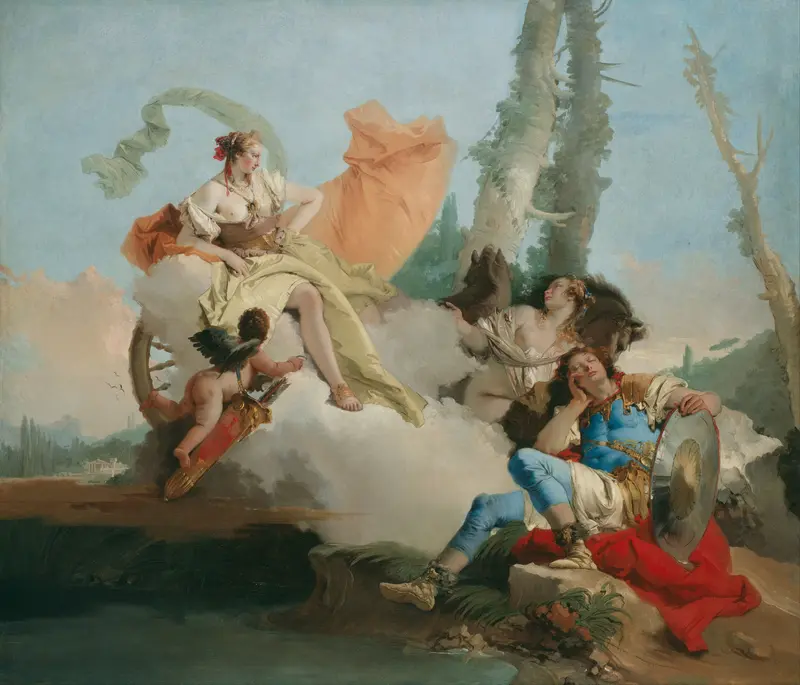
Armida Encounters the Sleeping Rinaldo
Giovanni Battista Tiepolo
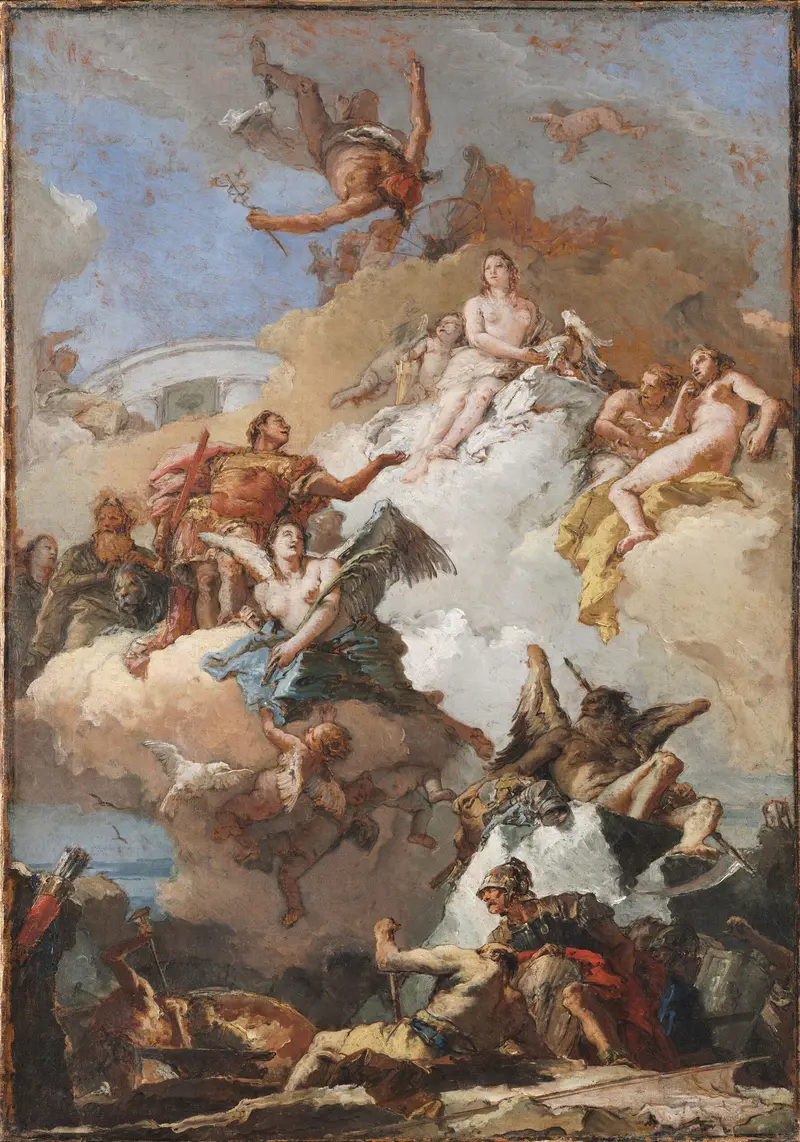
The Apotheosis of Aeneas
Giovanni Battista Tiepolo
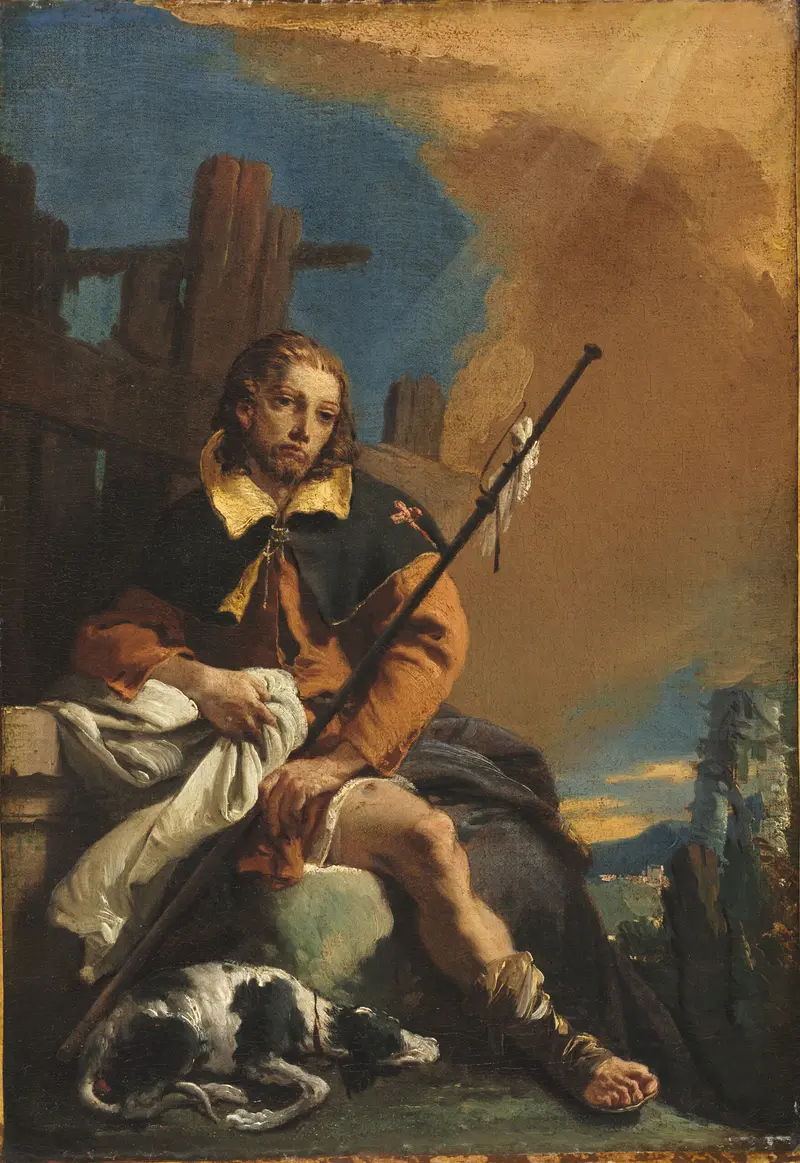
Saint Roch as a Pilgrim
Giovanni Battista Tiepolo
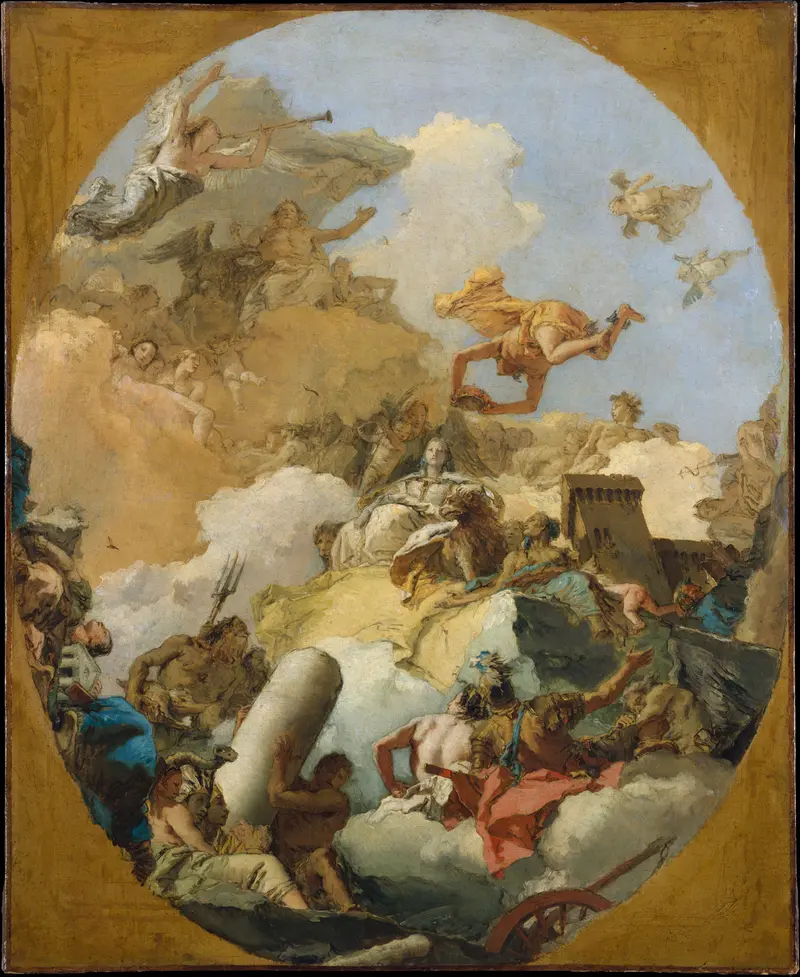
The Apotheosis of the Spanish Monarchy
Giovanni Battista Tiepolo





