Tiger Lilies — History & Facts
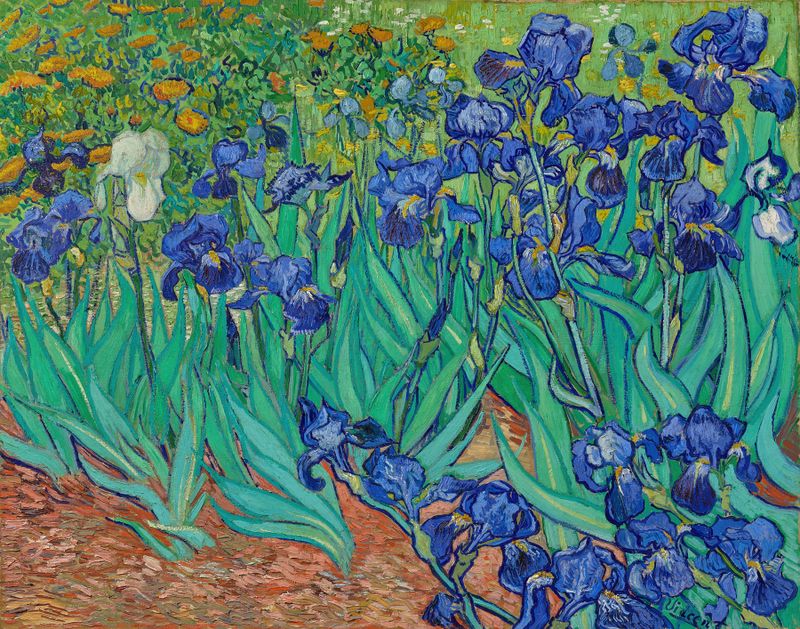
In John Henry Twachtman's Tiger Lilies, the vibrant blooms burst forth with exuberance, yet each petal whispers a narrative of fragility and longing. The painting invites viewers to ponder what lies beneath its radiant surface, prompting a deeper exploration of creation itself. Focus on the brilliant hues that dance across the canvas; the deep oranges and golden yellows envelop the tiger lilies in an inviting embrace. Notice how the light interacts with each curve, highlighting the delicate textures and intricate patterns.
The composition draws your eye in a circular motion, around the flowers framed by lush green leaves, as if they are the very heart of a verdant paradise longing to be captured forever. Yet, amidst this celebration of nature, there exists a poignant tension. The lilies stand bold and fierce—symbols of vitality—but their ephemeral beauty evokes the inevitable passage of time. The contrasting interplay between the bright colors and the gentle shadows speaks to the duality of existence: joy intertwined with sorrow, creation shadowed by impermanence.
Each brushstroke feels deliberate, as if the artist sought to immortalize a fleeting moment before it fades. In 1900, Twachtman created Tiger Lilies during a period of artistic exploration and personal reflection. Living in Connecticut, he was influenced by the natural beauty surrounding him and the Impressionist movement that sought to capture the essence of light and atmosphere. This period marked a time of personal struggle, as he dealt with the illness of his wife, which shaped his perspective on beauty, loss, and the act of creation itself.
More Artworks by John Henry Twachtman
Browse all →
Hemlock Pool
John Henry Twachtman

Waterfall
John Henry Twachtman
A Mountain Gorge
John Henry Twachtman

The White Bridge
John Henry Twachtman

Snow
John Henry Twachtman

Icebound
John Henry Twachtman
Misty May Morn
John Henry Twachtman
Summer Afternoon
John Henry Twachtman
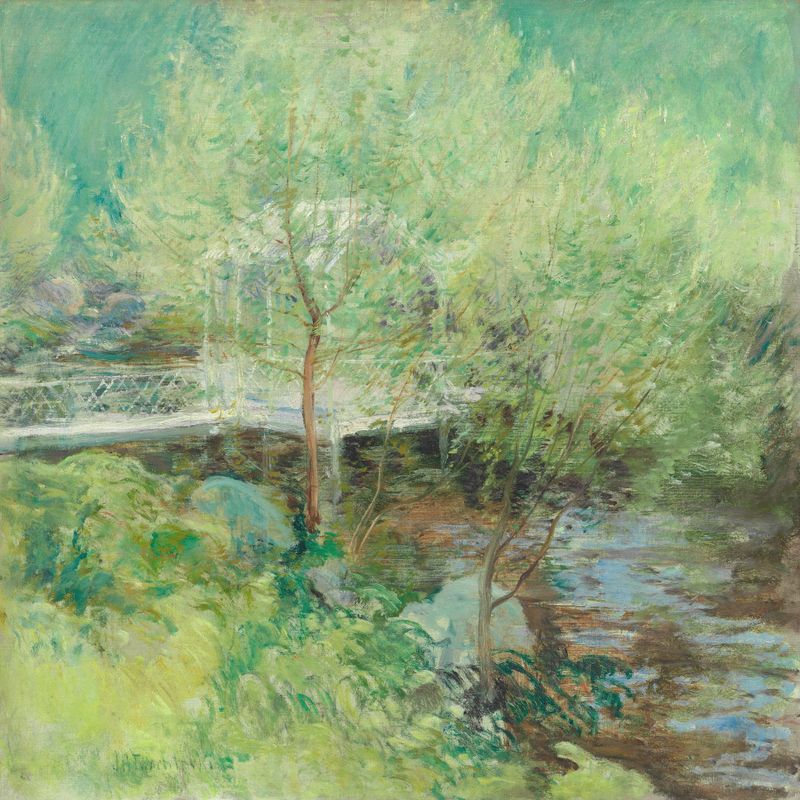
The White Bridge
John Henry Twachtman

Niagara Falls
John Henry Twachtman