
Touchstone, the Jester — History & Facts
The first thing that holds the viewer in Touchstone, the Jester is the way stillness is made heavy. The figure slumps sideways on a plain wooden chair, his body draped in the yellow and red motley of a fool, yet his face is drawn and inward, eyes lowered in a private world. The greenish shadows of his hood and the muted, nearly monochrome background press in, isolating him.
The artist’s brushwork lingers on the folds of fabric and the bare, vulnerable feet, drawing attention to the jester’s humanity beneath the costume. This is not the moment of laughter, but of pause—perhaps even sorrow—where the performer’s mask slips and the man remains. Works like this, from the late nineteenth or early twentieth century, often probe the gap between outward role and inner life. John William Waterhouse is best known for his mythic and literary heroines, but here the subject is a Shakespearean fool, a figure both marginal and wise.
Such images were rarely grand commissions; instead, they were made for private collectors or as studies, reflecting a growing fascination with character and psychology in painting. The date of this work is unknown, and its journey is only briefly recorded—passing through Sotheby’s New York in 2008—yet the painting’s quiet introspection is unmistakable. Look again at the jester’s hand, limp on the chair: it asks us to imagine what stories lie behind the painted mask.
Sources: Wikidata Q21191679 · Image source (Wikimedia Commons)
More Artworks by John William Waterhouse
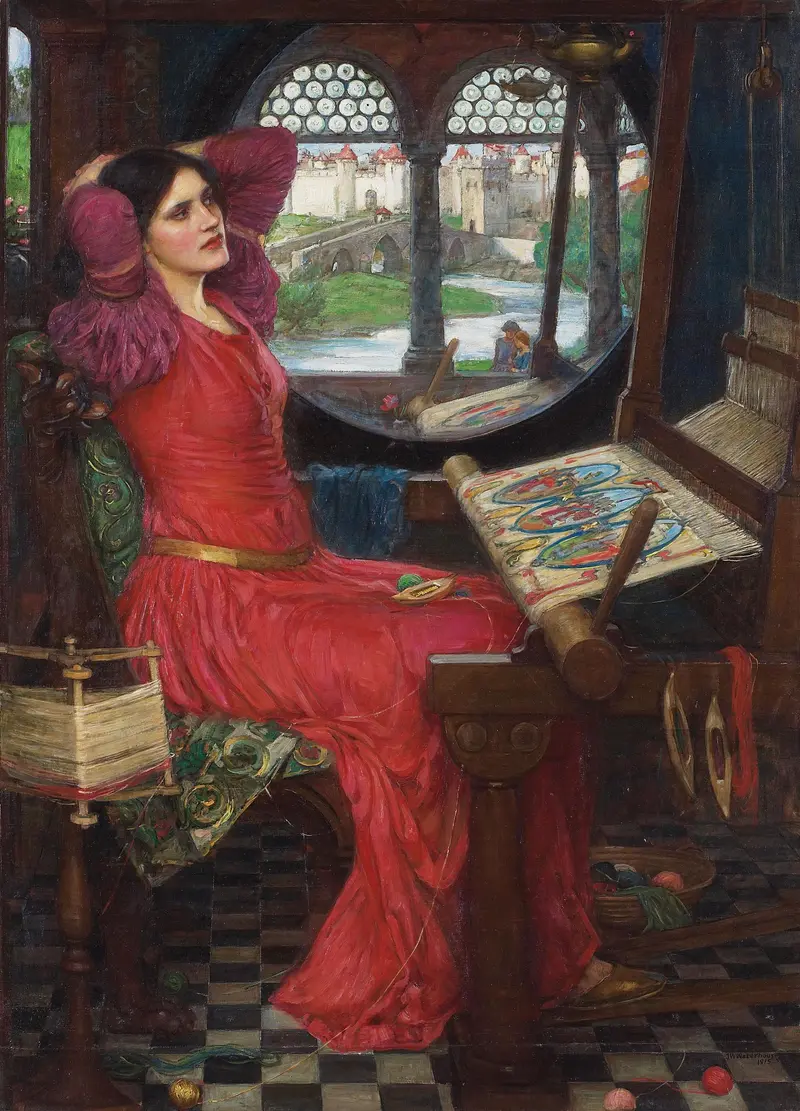
'I Am Half-Sick of Shadows,' Said the Lady of Shalott
John William Waterhouse

The Favourites of the Emperor Honorius, 1883
John William Waterhouse
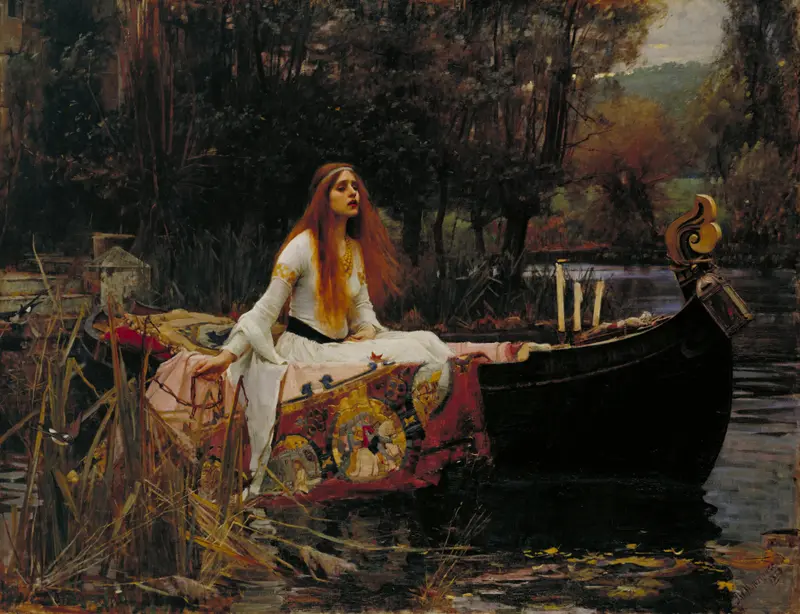
The Lady of Shalott
John William Waterhouse
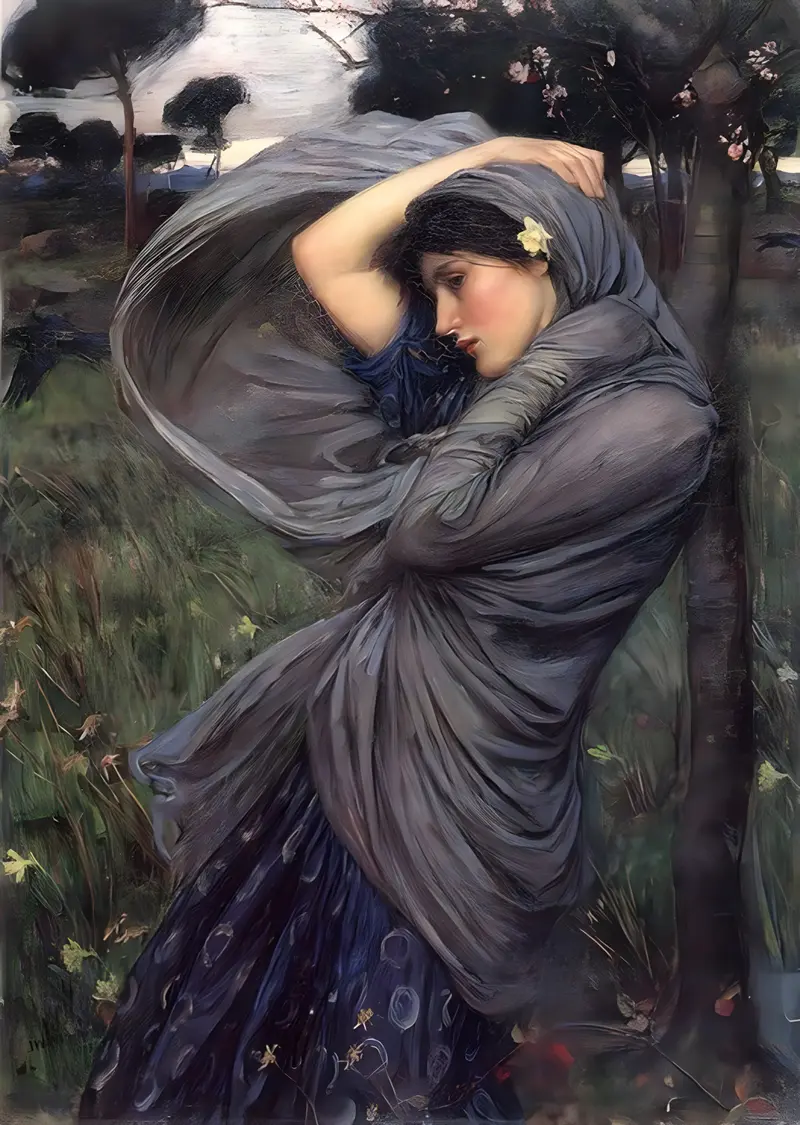
Boreas
John William Waterhouse
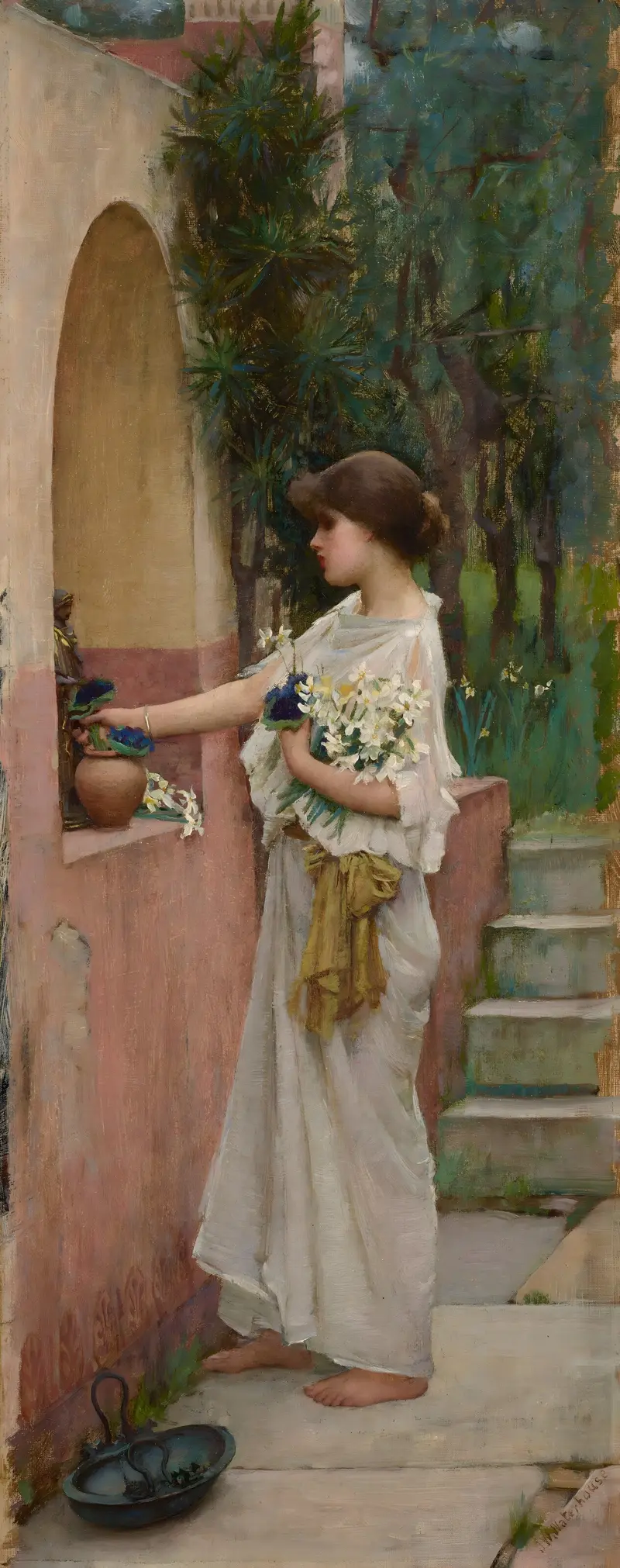
A Roman Offering
John William Waterhouse
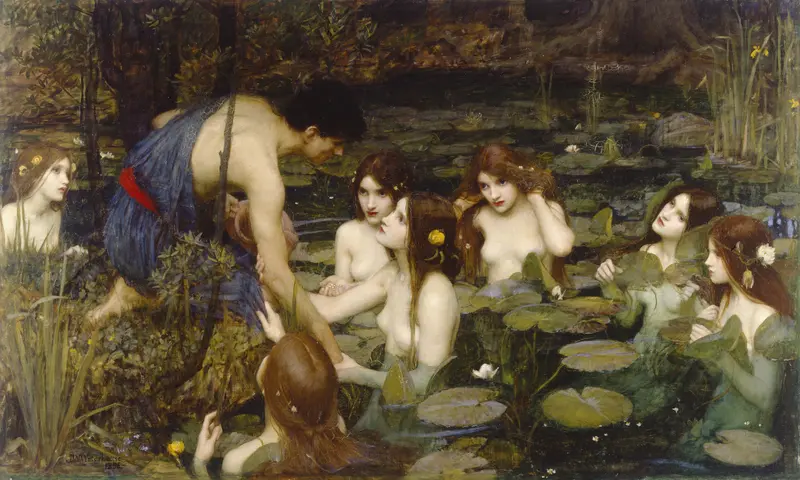
Hylas and the Nymphs
John William Waterhouse
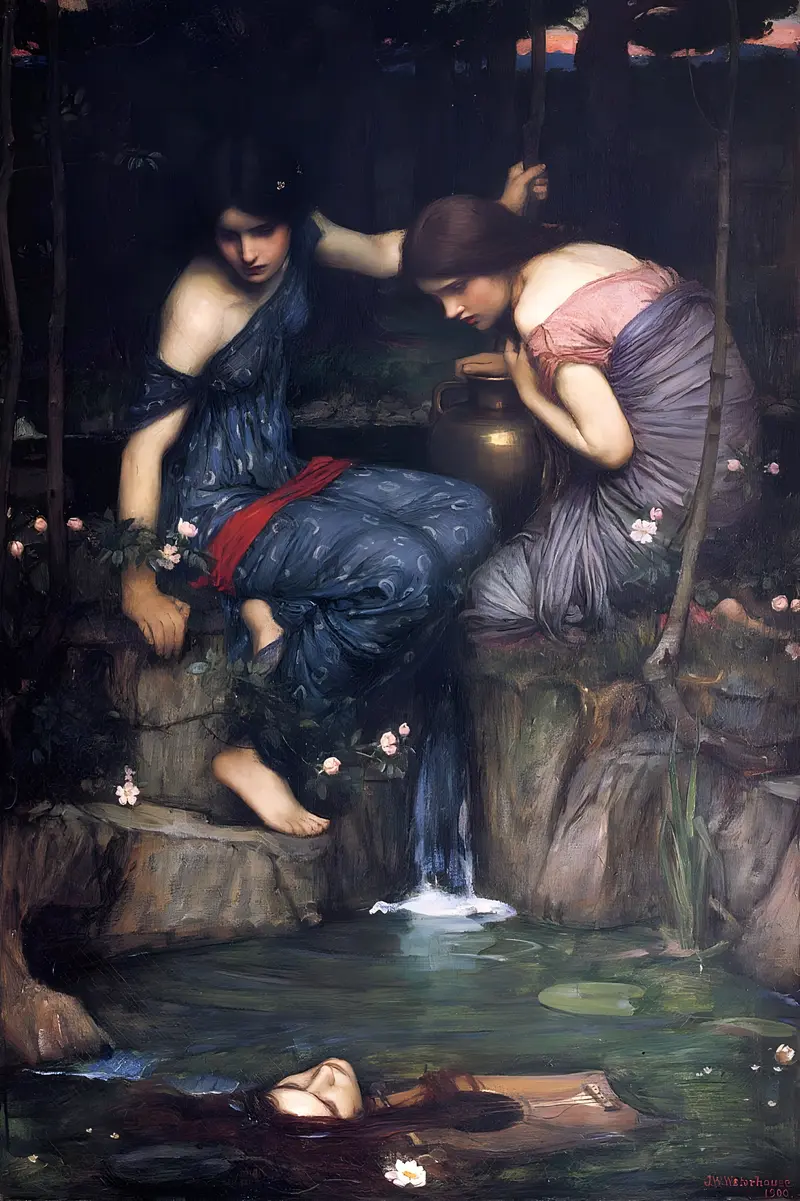
Nymphs Finding the Head of Orpheus
John William Waterhouse
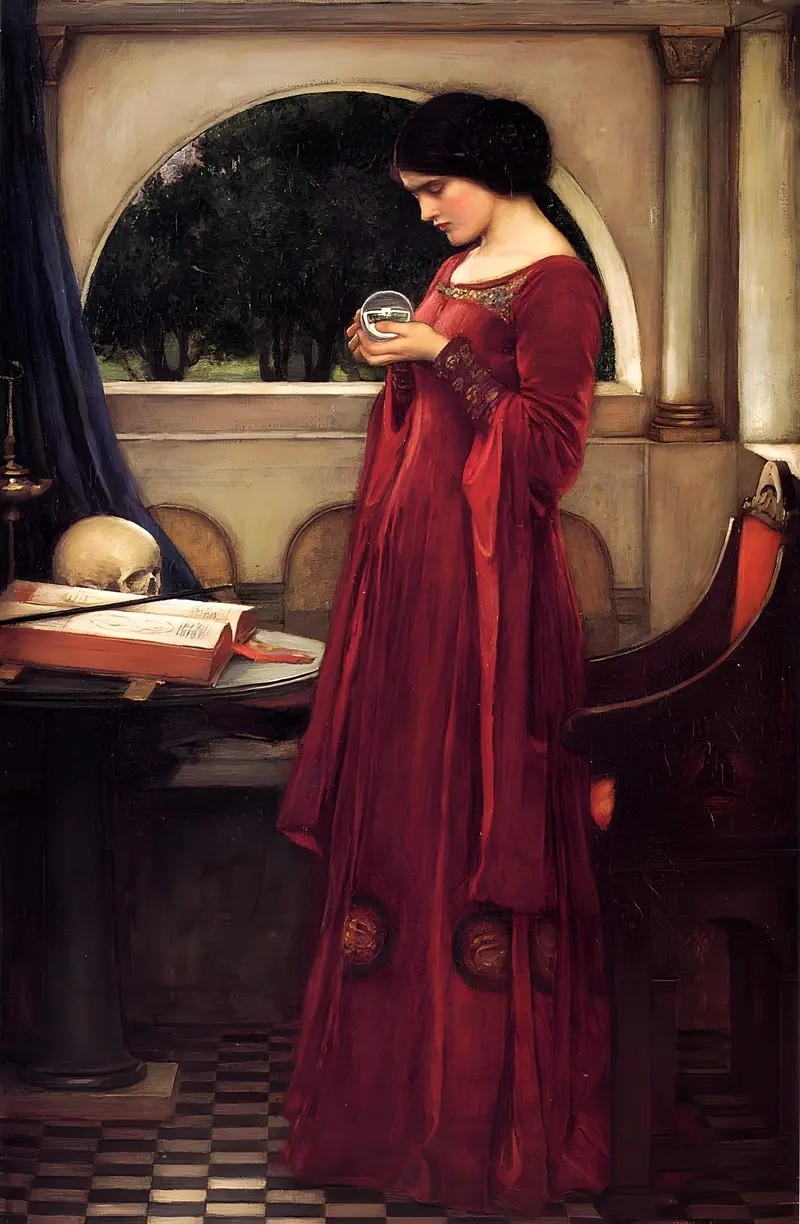
The Crystal Ball
John William Waterhouse
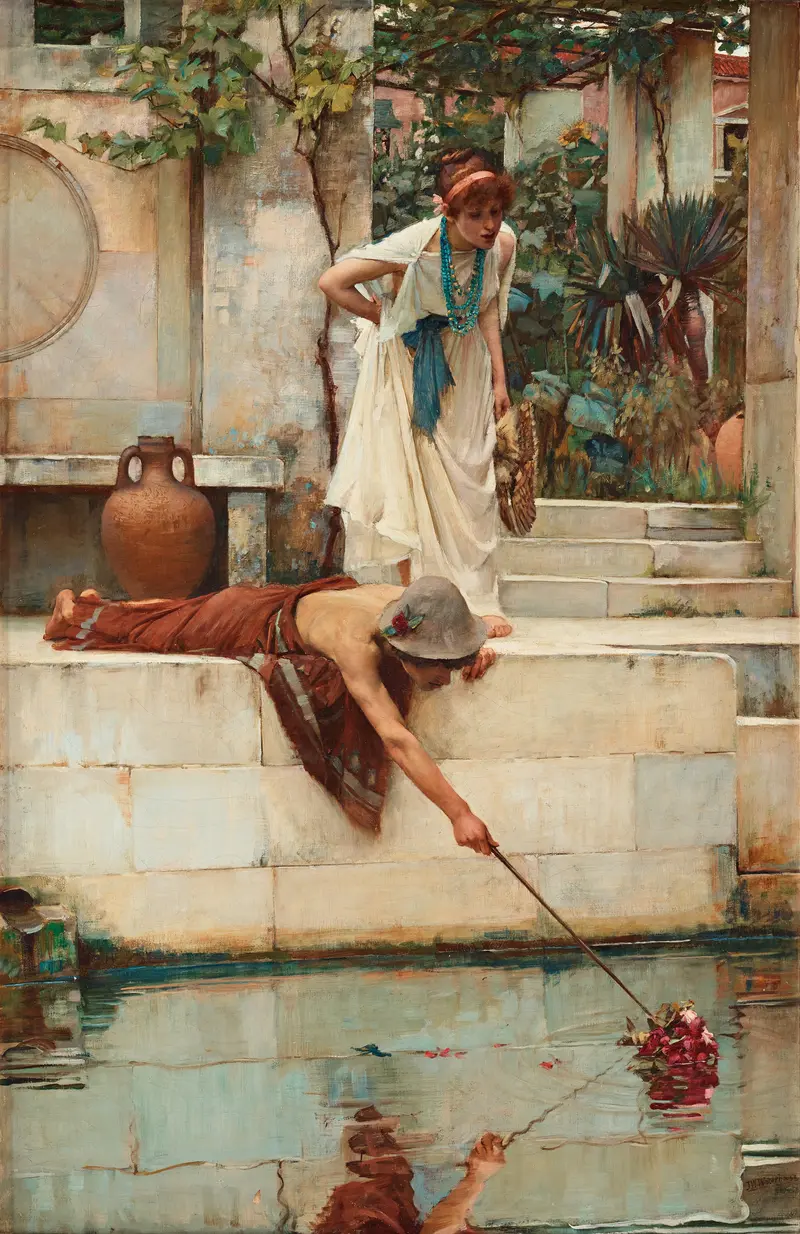
The Rescue
John William Waterhouse
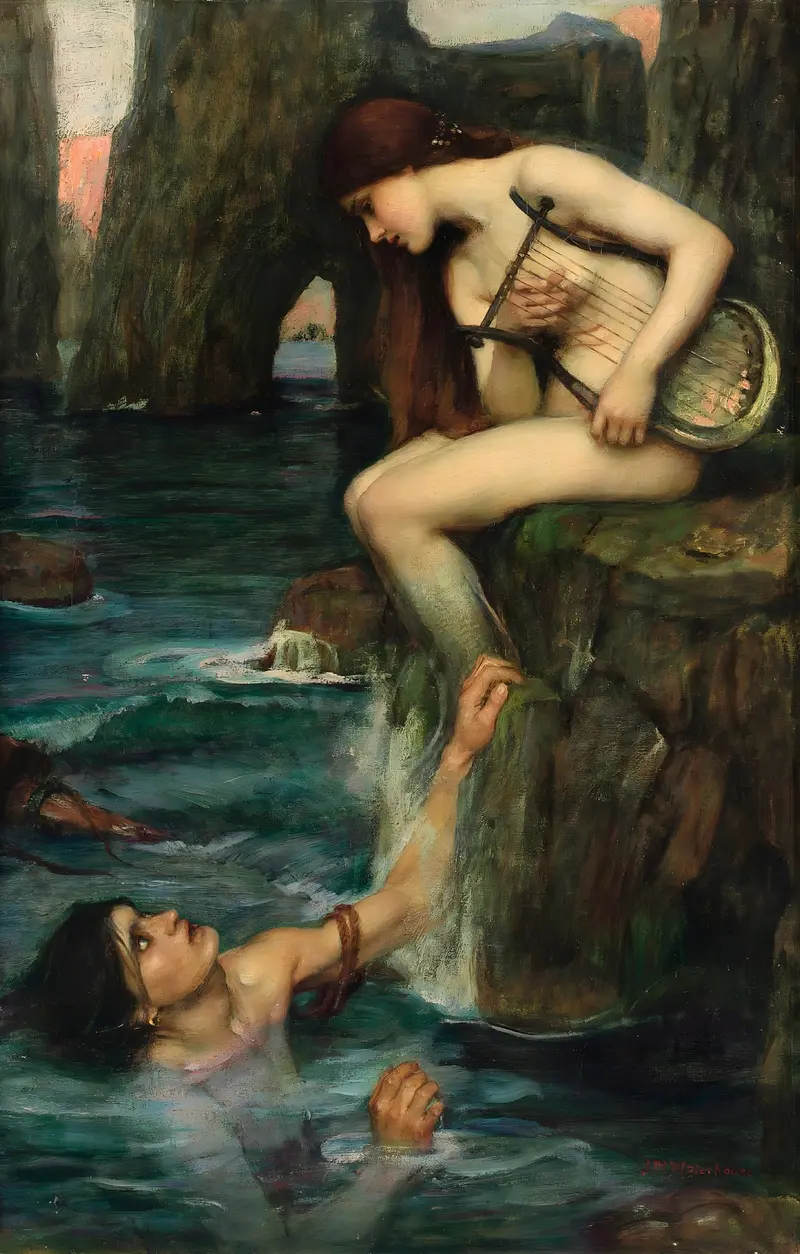
The Siren, 1900
John William Waterhouse



