
Triptych of the Madonna — History & Facts
When Triptych of the Madonna left the workshop of Giovanni Bellini in 1464, it marked the artist’s earliest documented independent commission. This triptych was created for the church of Santa Maria della Carità in Venice, a city then on the cusp of transforming Italian painting through color and light. The work is one of four altarpieces Bellini painted for the church, signaling his emergence from the shadow of his father, Jacopo Bellini.
The panels were later separated and dispersed, a fate not uncommon for Venetian altarpieces, but their original unity spoke to the devotional needs and artistic ambitions of mid-15th-century Venice. At the heart of the triptych, the Madonna sits enthroned with the Christ Child, flanked by saints in the side panels—each figure rendered with a gentle gravity. Bellini chooses the moment of serene intercession: the Madonna’s gaze is lowered in contemplation, her hands delicately supporting the infant, whose blessing gesture extends toward the viewer. The saints—often identified as Peter and Benedict—stand in stillness, their gestures inviting prayer.
The gold background, a holdover from Byzantine tradition, glows behind the figures, while Bellini’s soft modeling hints at the naturalism that would soon define Venetian painting. Compared to Fra Angelico’s earlier altarpieces, Bellini’s figures are more solid, their presence more immediate, signaling a shift in devotional art. The physical panels of the Triptych of the Madonna have survived centuries of change, including the Napoleonic suppressions that saw many Venetian church treasures scattered. The original frame is lost, and the panels are now housed separately in the Gallerie dell’Accademia, Venice.
Scholars have long debated the precise authorship of certain details, as Bellini’s workshop was active and collaborative, but consensus holds that the central Madonna is by Giovanni’s own hand. This triptych stands at the threshold of Bellini’s long career, before the luminous landscapes and poetic altarpieces that would secure his legacy as a founder of the Venetian Renaissance.
More Artworks by Giovanni Bellini
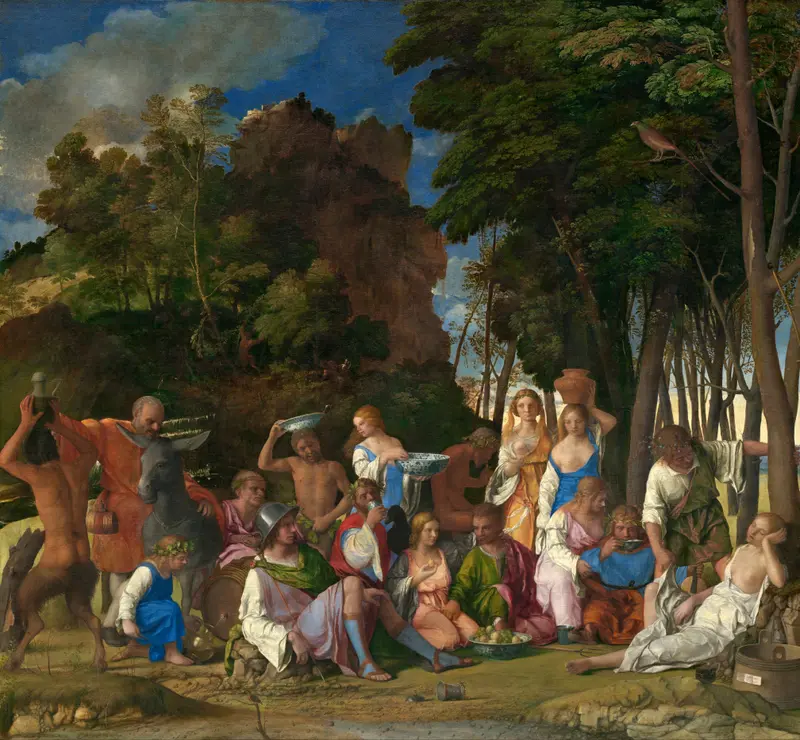
The Feast of the Gods
Giovanni Bellini

Madonna and Child enthroned with Saints and Angels
Giovanni Bellini
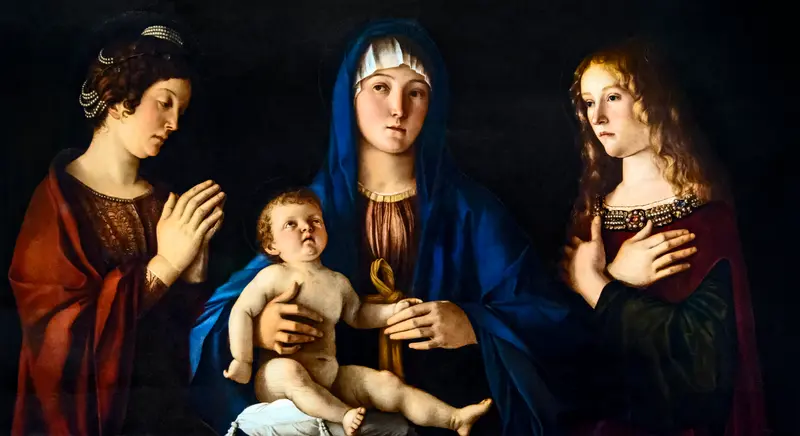
Madonna and Child between Saints Catherine and Mary Magdalene
Giovanni Bellini
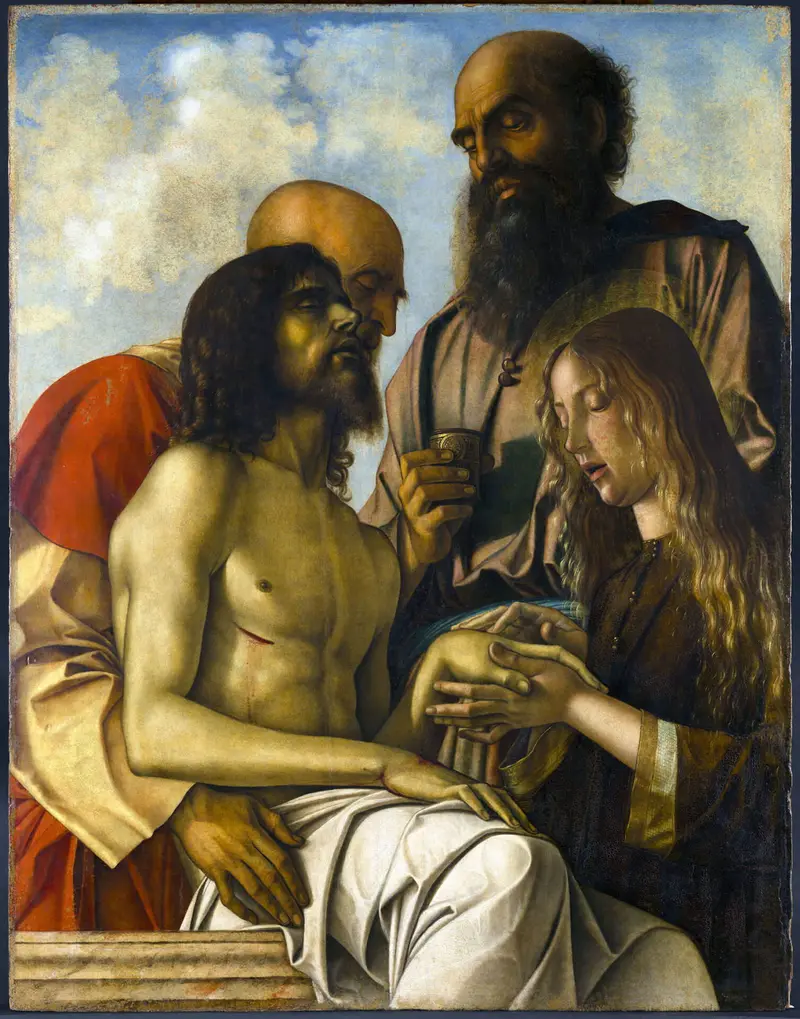
Lamentation over the Dead Christ
Giovanni Bellini
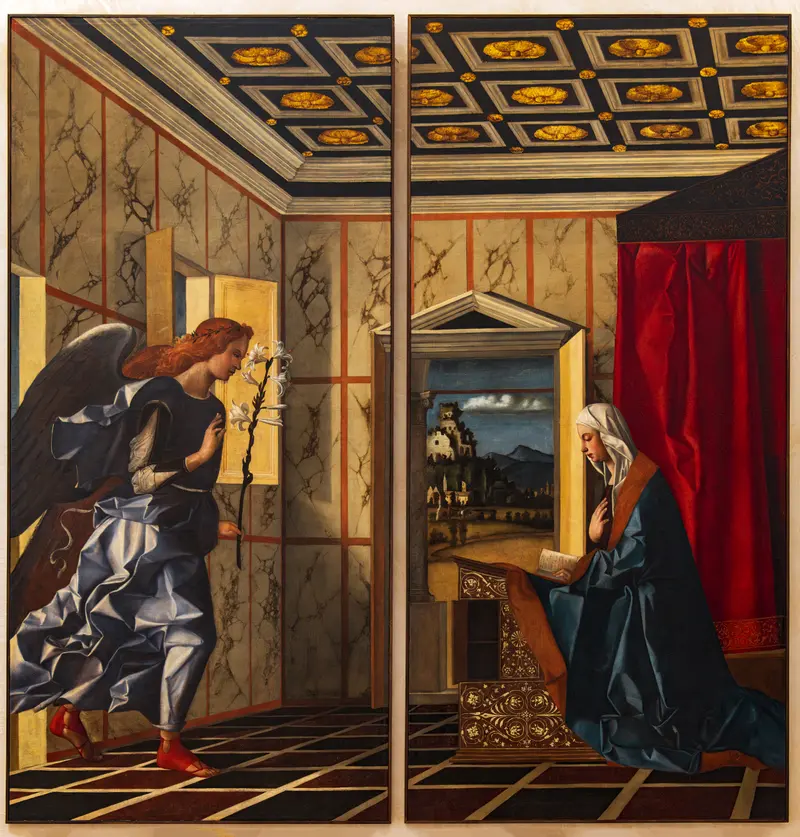
Annunciation
Giovanni Bellini
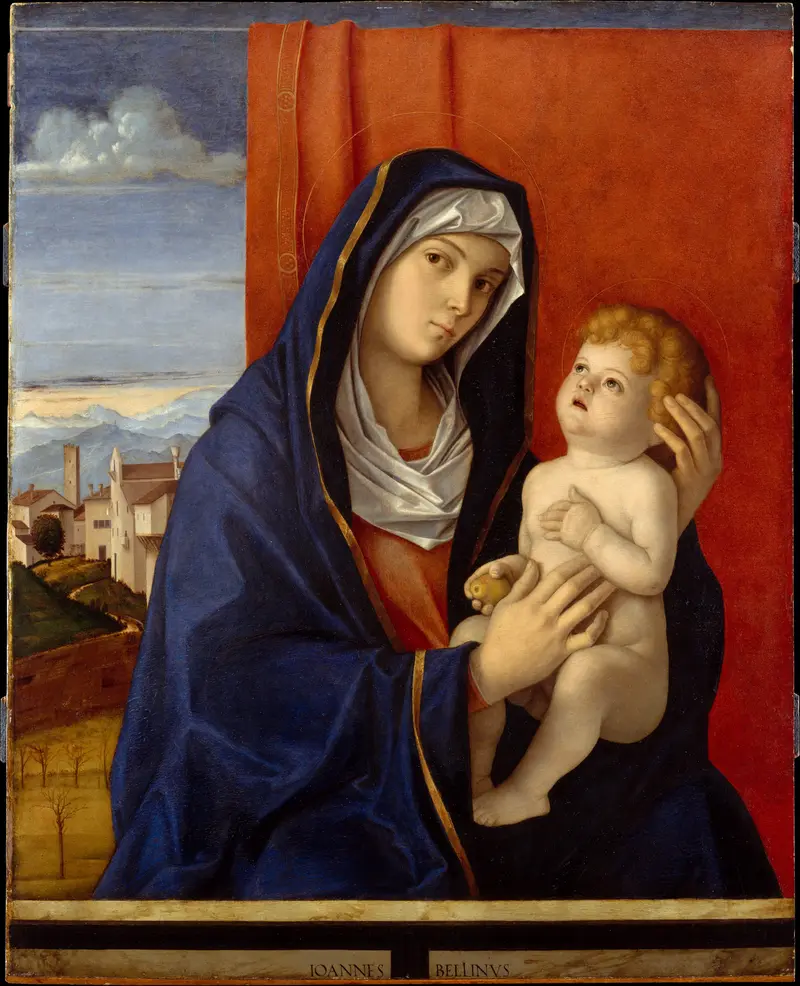
Madonna and Child
Giovanni Bellini
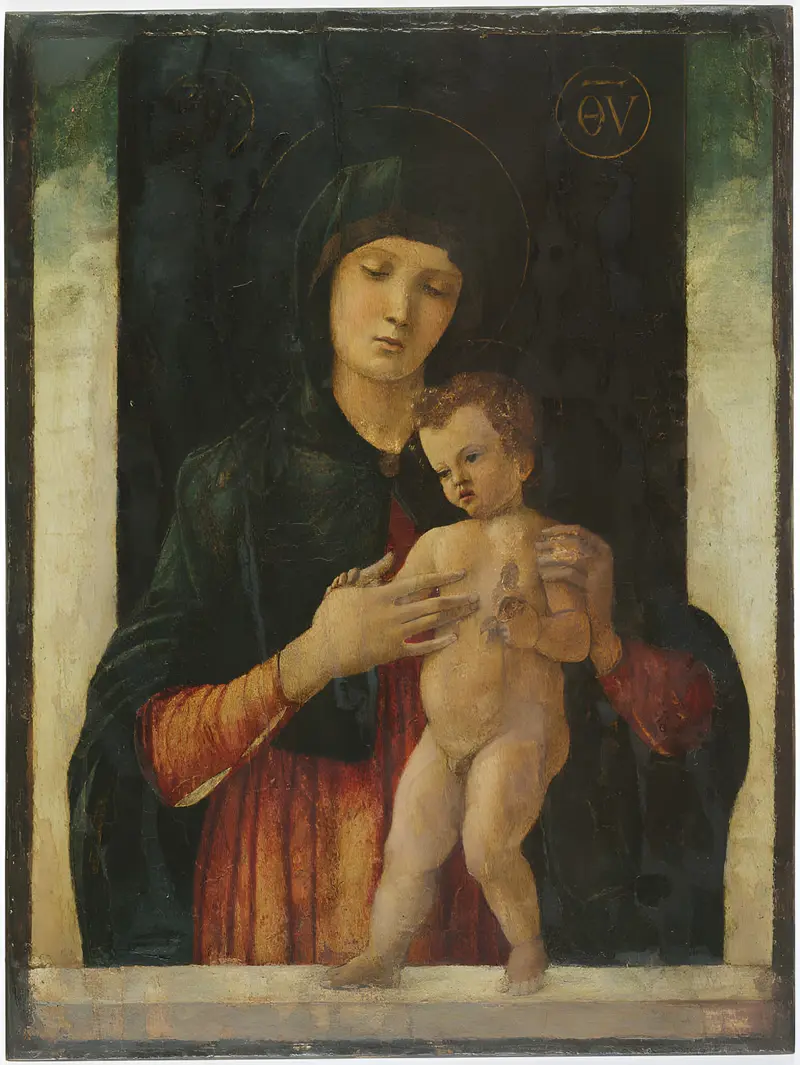
The Virgin and Child
Giovanni Bellini
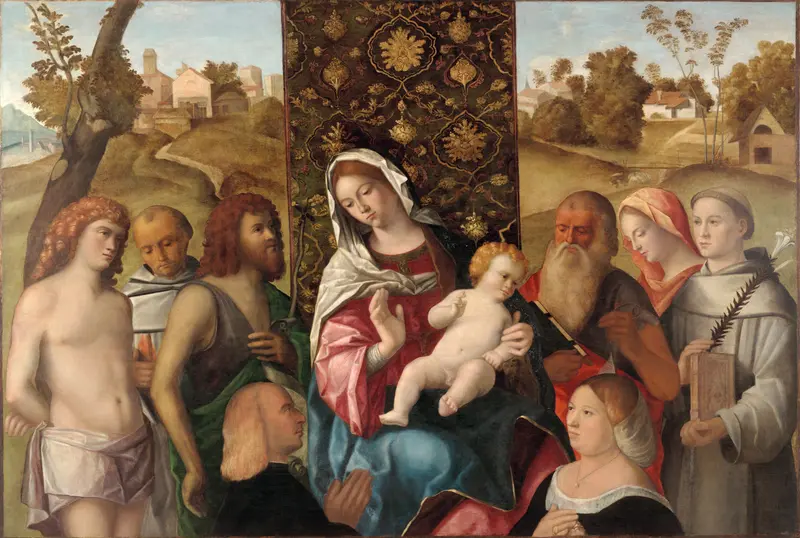
Virgin and Child with Saints Sebastian, Francis, John the Baptist, Jerome, an unidentified female saint, Saint Anthony of Padua and two donors
Giovanni Bellini
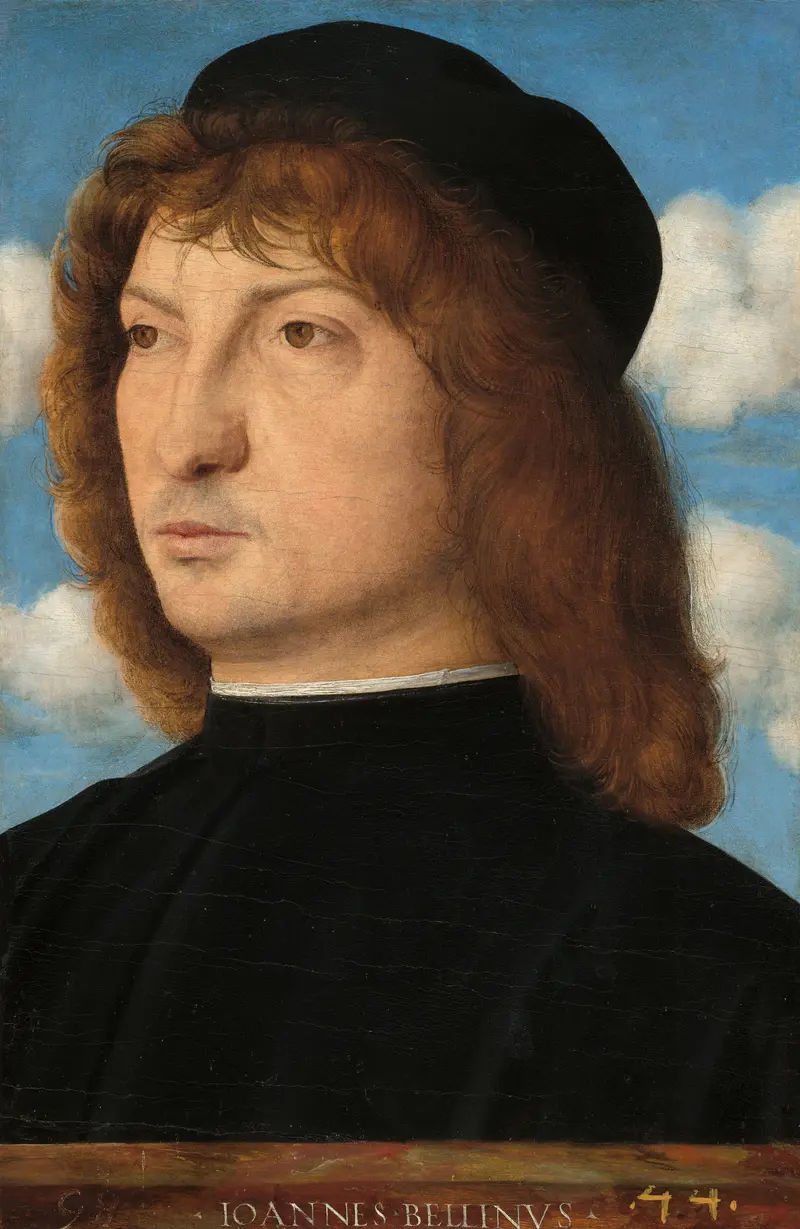
Portrait of a Venetian Gentleman
Giovanni Bellini
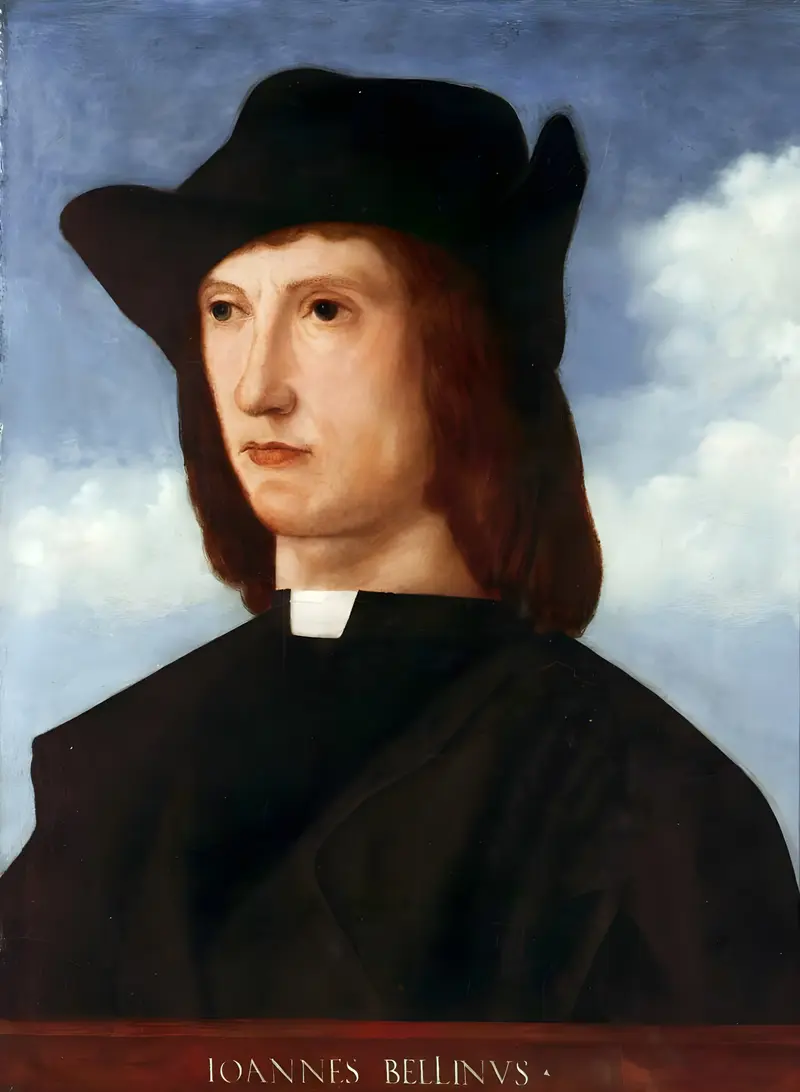
Portrait of a Young Man
Giovanni Bellini





