
Tristan and Isolde — History & Facts
A single golden cup, poised between two hands, draws the eye and holds the breath of the scene. The tension in Tristan and Isolde by John William Waterhouse comes not from movement, but from stillness: the knight and the lady stand close, their gazes locked, as the sea and distant cliffs wait behind them. The careful rendering of the cup and the bottle of red liquid on the table hint at a moment of decision, a fate sealed not by swords but by what is about to be shared.
The armor gleams, but it is the delicate veil, the flush of Isolde’s gown, and the almost trembling anticipation in their faces that carry the story forward. Light falls across the figures, illuminating their connection and setting them apart from the shadowed ship’s interior, as if the world itself pauses to witness. Painted around 1916, this work belongs to the late flowering of the Pre-Raphaelite tradition, when artists like Waterhouse revisited medieval romance with a modern sense of psychological drama. The legend of Tristan and Isolde, beloved by Victorian audiences, offered painters a rich tapestry of forbidden love and tragic destiny.
Here, the artist chooses the instant before the lovers’ fates are entwined, focusing on the charged exchange rather than later heartbreak. The lush, almost theatrical color palette and meticulous attention to costume and gesture invite the viewer to linger, to search for meaning in every fold of fabric and flicker of expression. In an age when the world was changing rapidly, such paintings offered a window into imagined pasts—timeless, yet always on the verge of loss.
The story lingers, urging one last look at the cup, the hands, and the silent promise between them.
More Artworks by John William Waterhouse
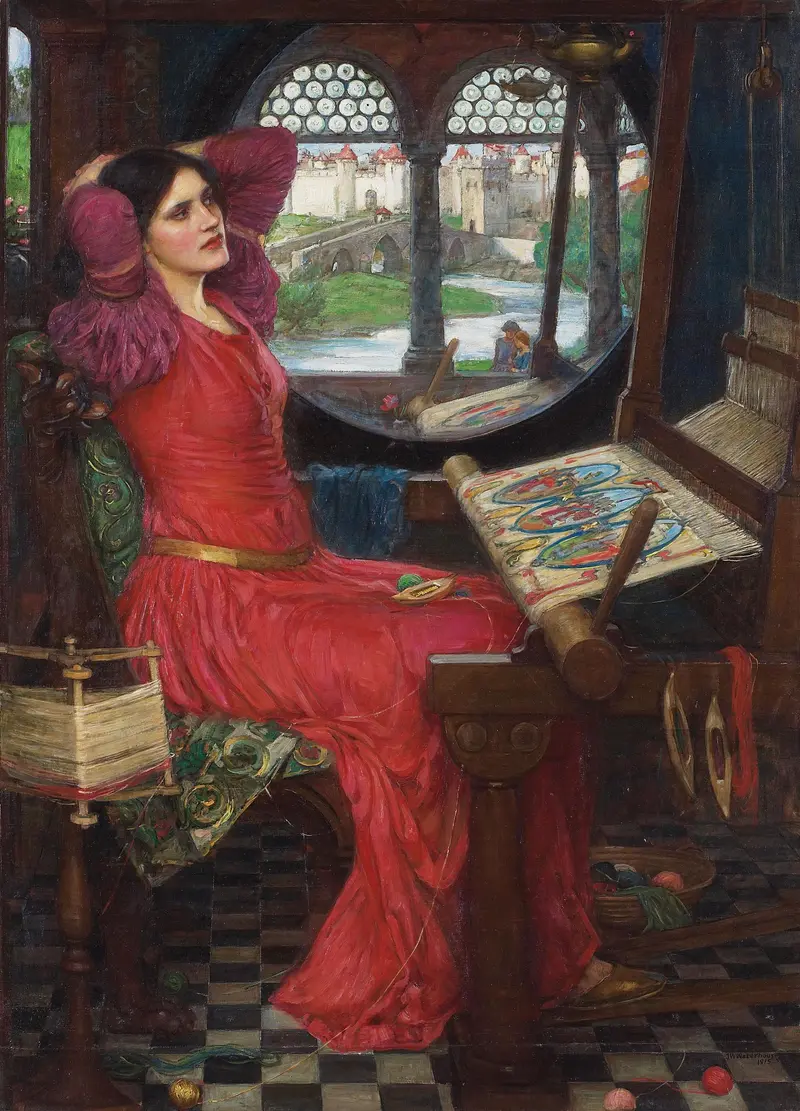
'I Am Half-Sick of Shadows,' Said the Lady of Shalott
John William Waterhouse

The Favourites of the Emperor Honorius, 1883
John William Waterhouse
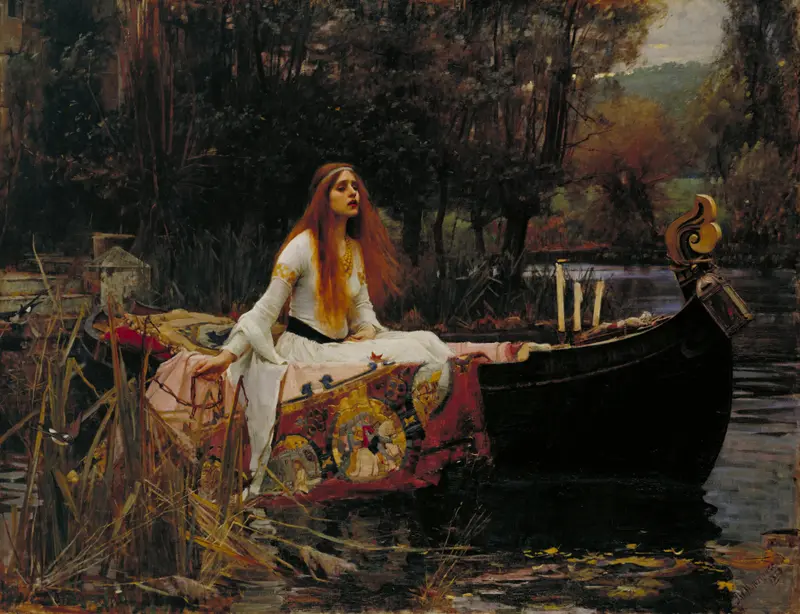
The Lady of Shalott
John William Waterhouse
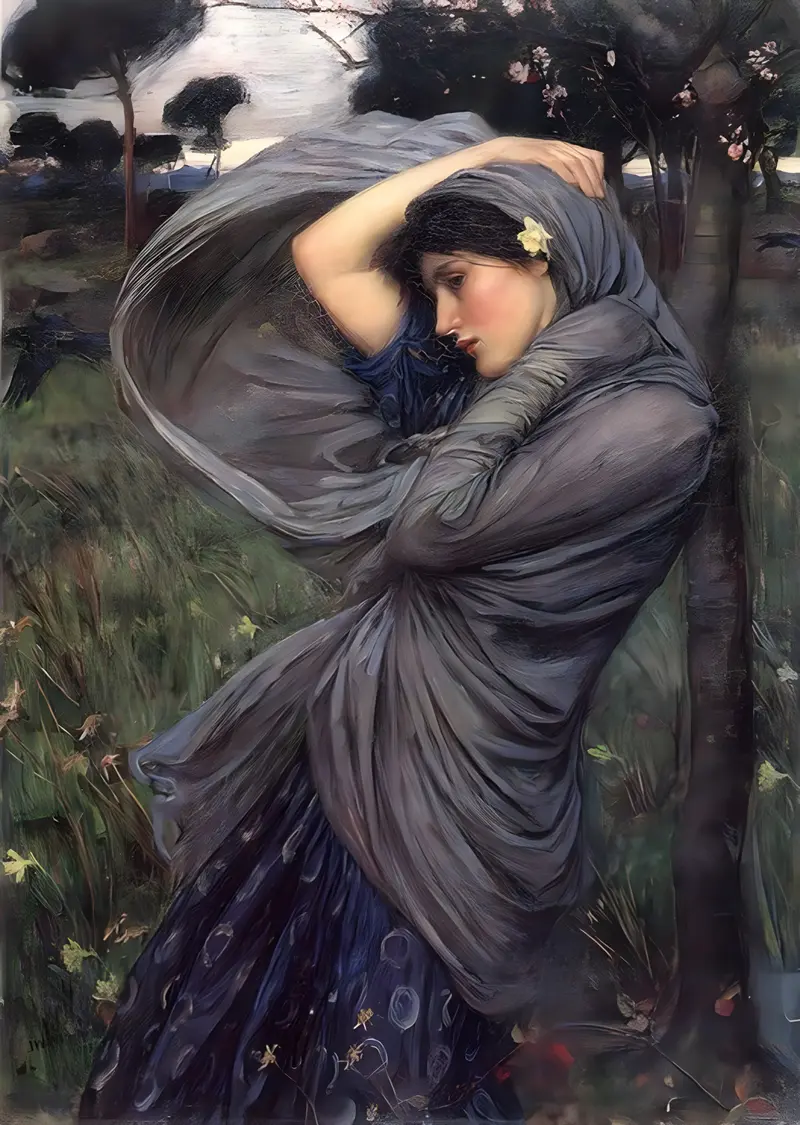
Boreas
John William Waterhouse
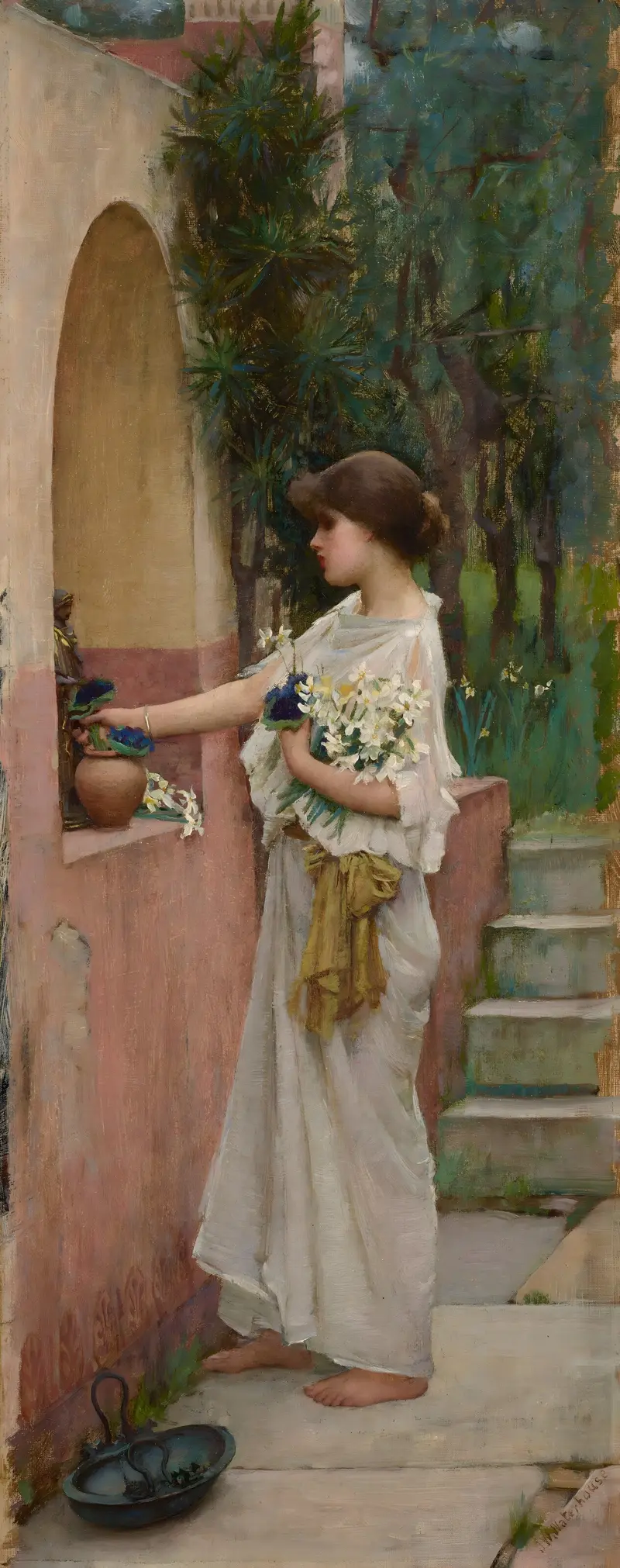
A Roman Offering
John William Waterhouse
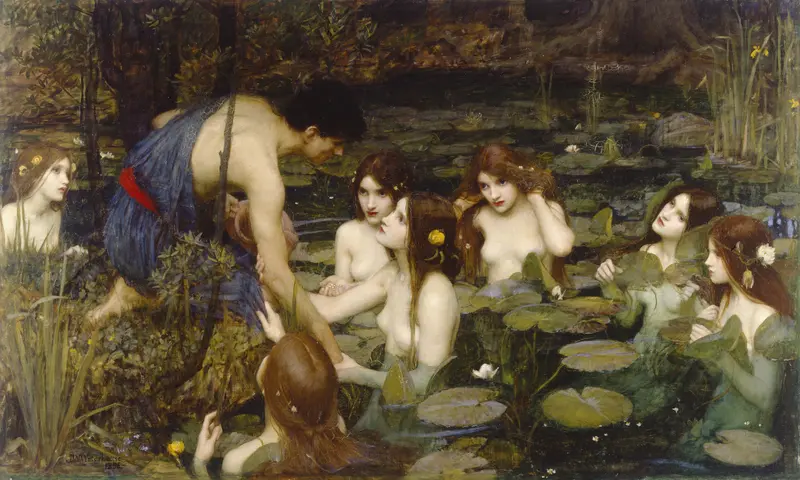
Hylas and the Nymphs
John William Waterhouse
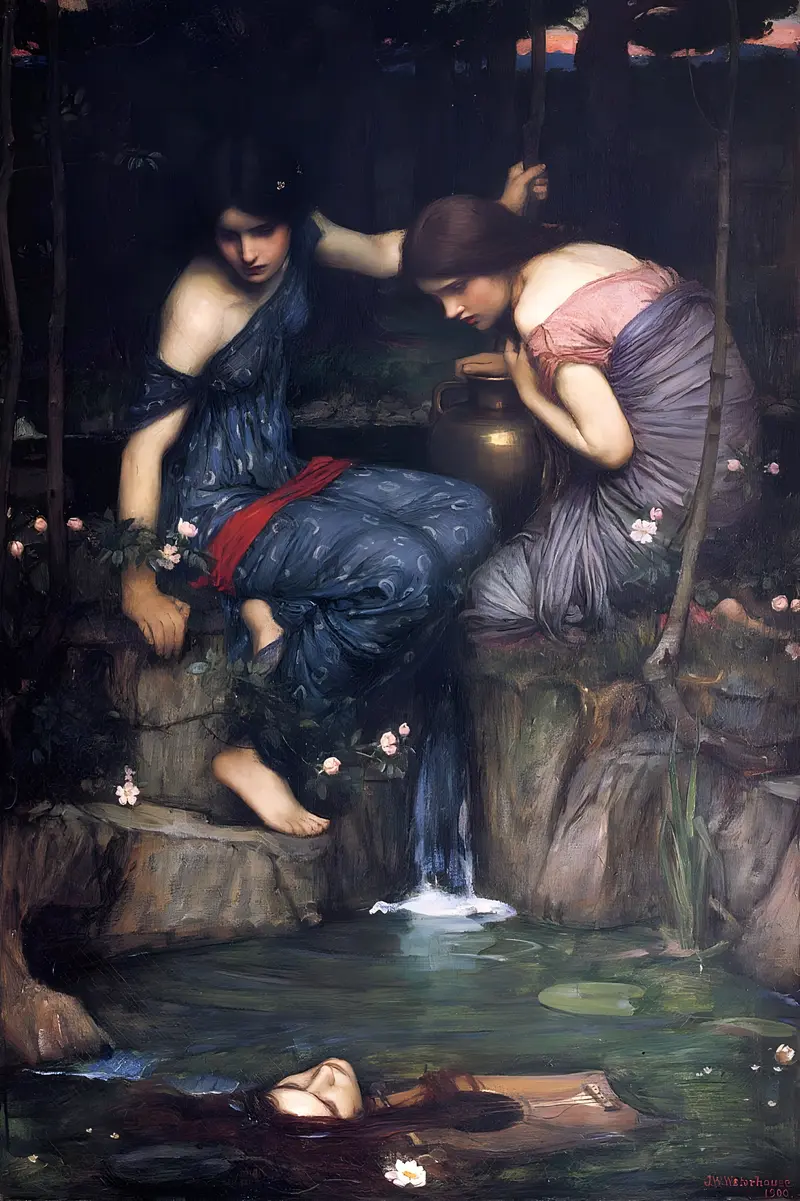
Nymphs Finding the Head of Orpheus
John William Waterhouse
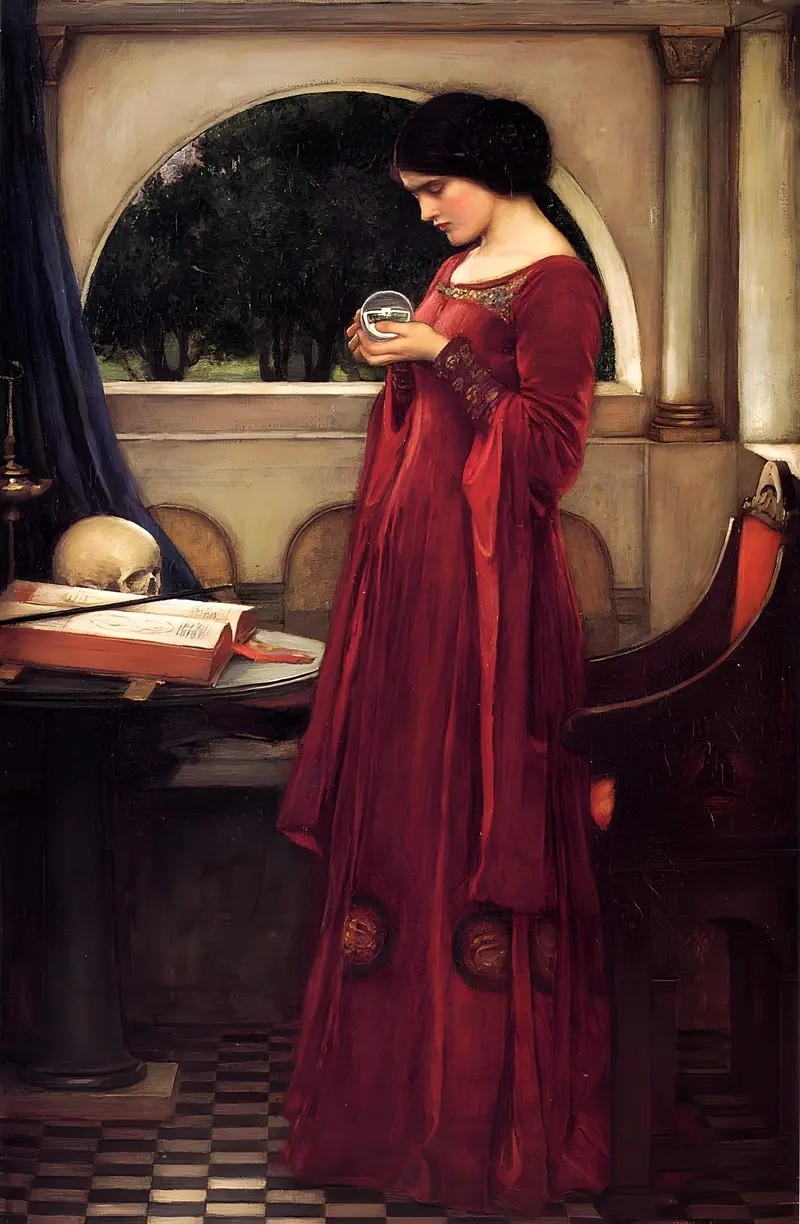
The Crystal Ball
John William Waterhouse
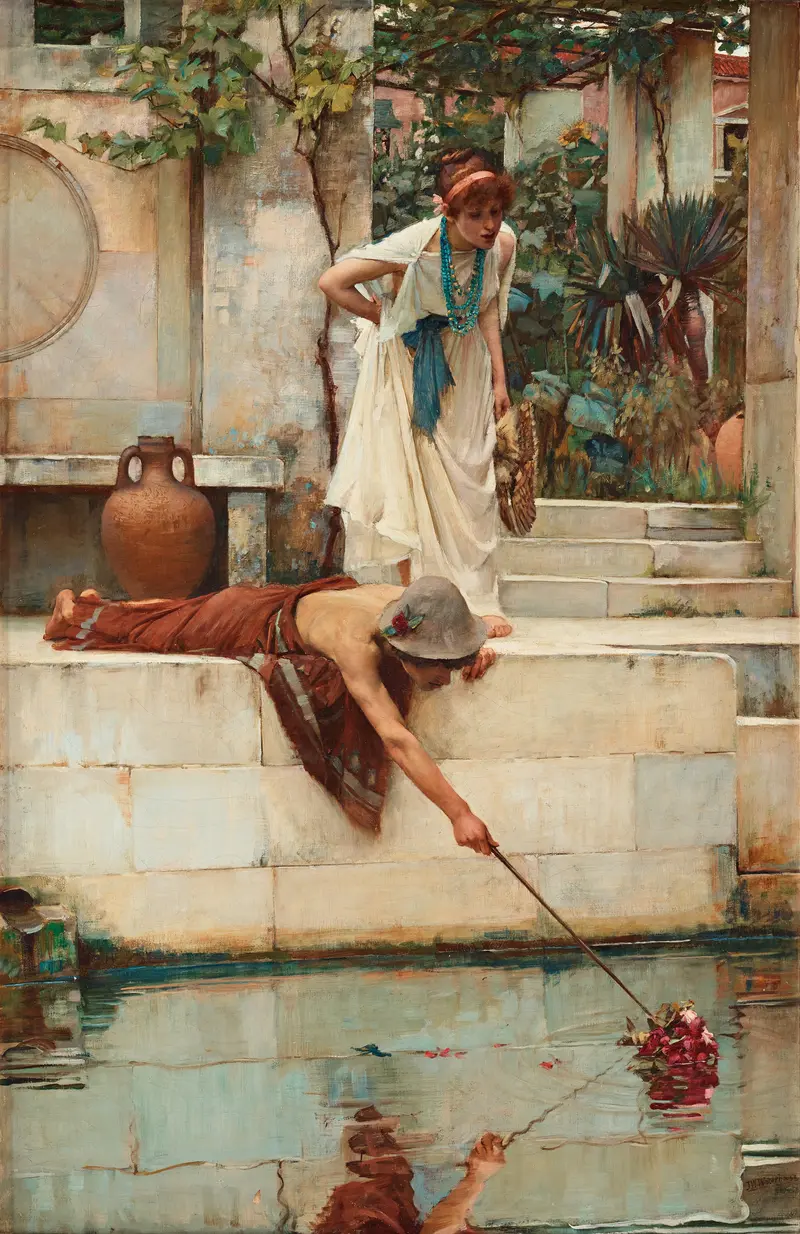
The Rescue
John William Waterhouse
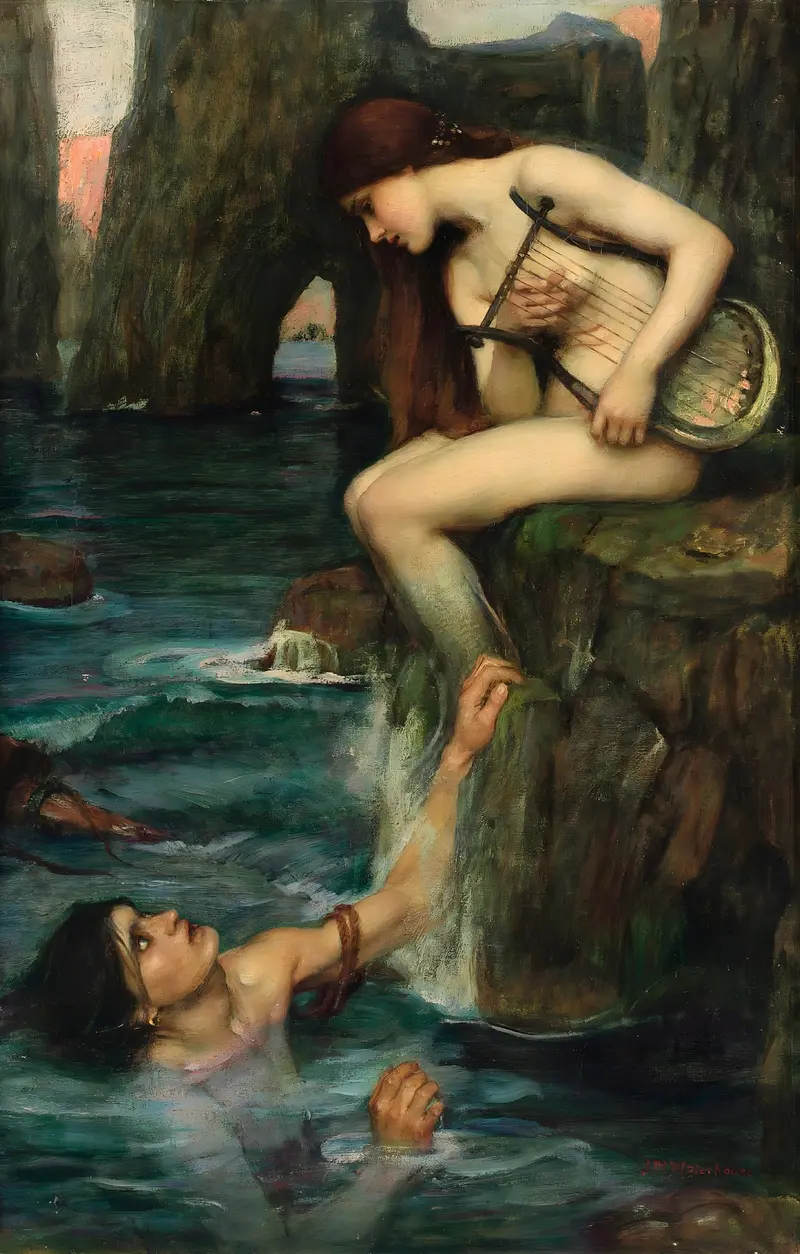
The Siren, 1900
John William Waterhouse





