
Ulysses finding Achilles at the Court of King Lycomedes — History & Facts
Few paintings by Artemisia Gentileschi tackle classical myth with such theatrical flair as Ulysses finding Achilles at the Court of King Lycomedes, a work that stands out for its rare subject and the artist’s bold interpretation. The tale comes from the Metamorphoses of Ovid and later sources, but it was seldom painted before the seventeenth century, especially by women artists. In this scene, the future hero Achilles is discovered in disguise among the daughters of King Lycomedes—a cunning attempt by his mother, Thetis, to keep him from the Trojan War.
Gentileschi’s choice of this moment, with its layers of deception and revelation, invites viewers to witness a drama of identity and destiny. At the heart of the painting, Ulysses (Odysseus) presents an array of gifts to the women—jewels, silks, and, crucially, weapons. Achilles, dressed as a girl, cannot resist the call of arms and betrays himself by reaching for a sword. Gentileschi captures the instant of recognition: Ulysses’ sharp gaze, Achilles’ impulsive gesture, and the startled reactions of the surrounding women.
The composition brims with rich fabrics and dynamic movement, the tension heightened by the interplay of light and shadow—a hallmark of the Baroque style. Unlike Nicolas Poussin’s more restrained version of the same story, Gentileschi’s figures pulse with energy and emotion, their individuality unmistakable. The precise origins of this painting remain uncertain, as does its original patron, though it likely dates from Gentileschi’s later years when she worked in Naples. The medium is undocumented, but her technique suggests oil on canvas, typical of her mature works.
Ulysses finding Achilles at the Court of King Lycomedes demonstrates Gentileschi’s ongoing fascination with strong, complex figures—both male and female—and her ability to dramatize myth with psychological insight. Today, the painting’s whereabouts are not widely known, and it is less frequently exhibited than her celebrated biblical heroines, yet it remains a testament to her narrative ambition and technical prowess within the Baroque tradition.
More Artworks by Artemisia Gentileschi

Judith Beheading Holofernes
Artemisia Gentileschi
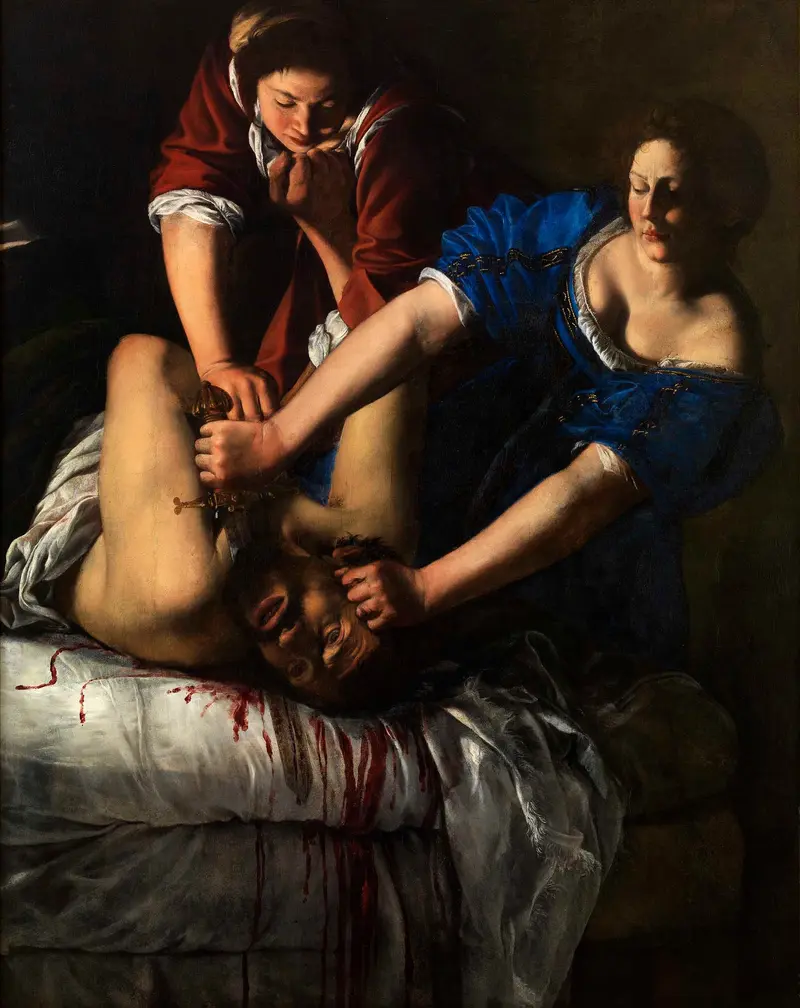
Judith Slaying Holofernes
Artemisia Gentileschi
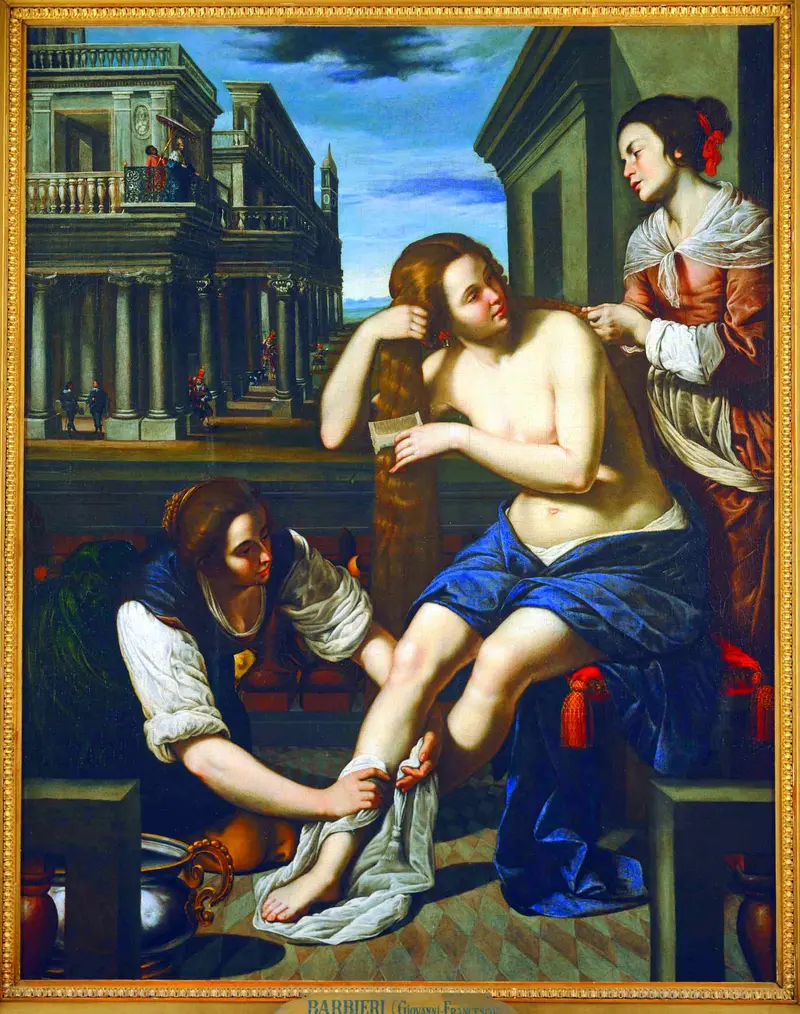
Bathsheba at Her Bath
Artemisia Gentileschi
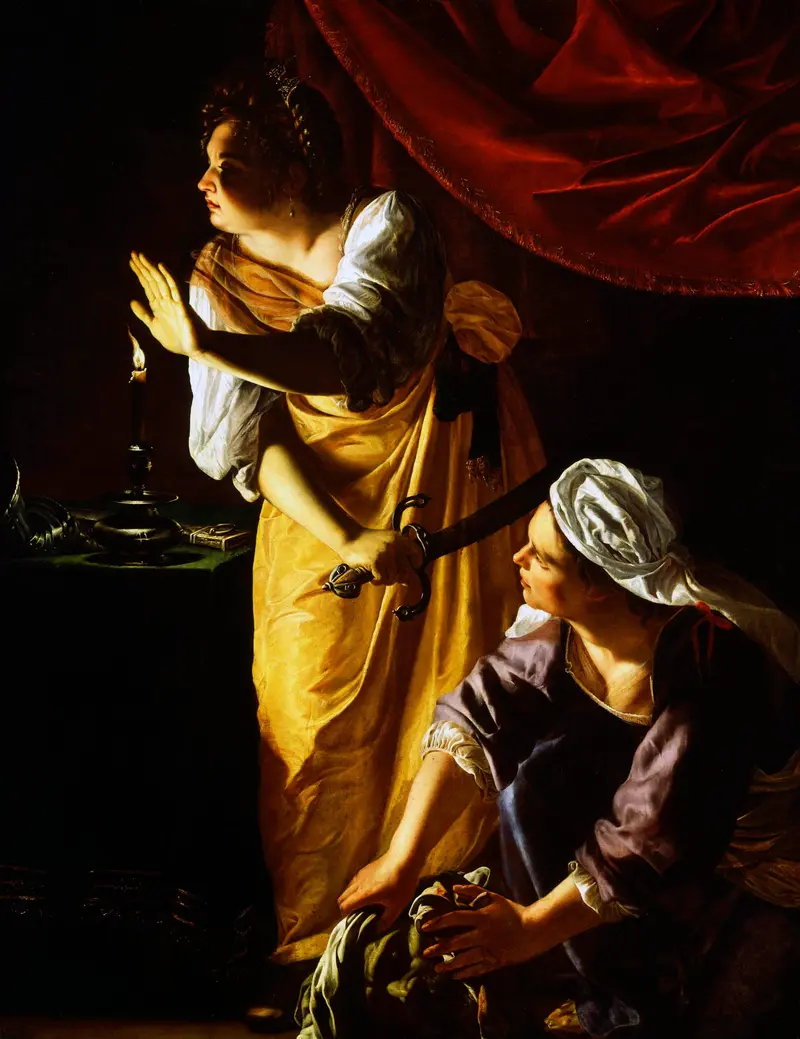
Judith and Maidservant with Head of Holofernes
Artemisia Gentileschi
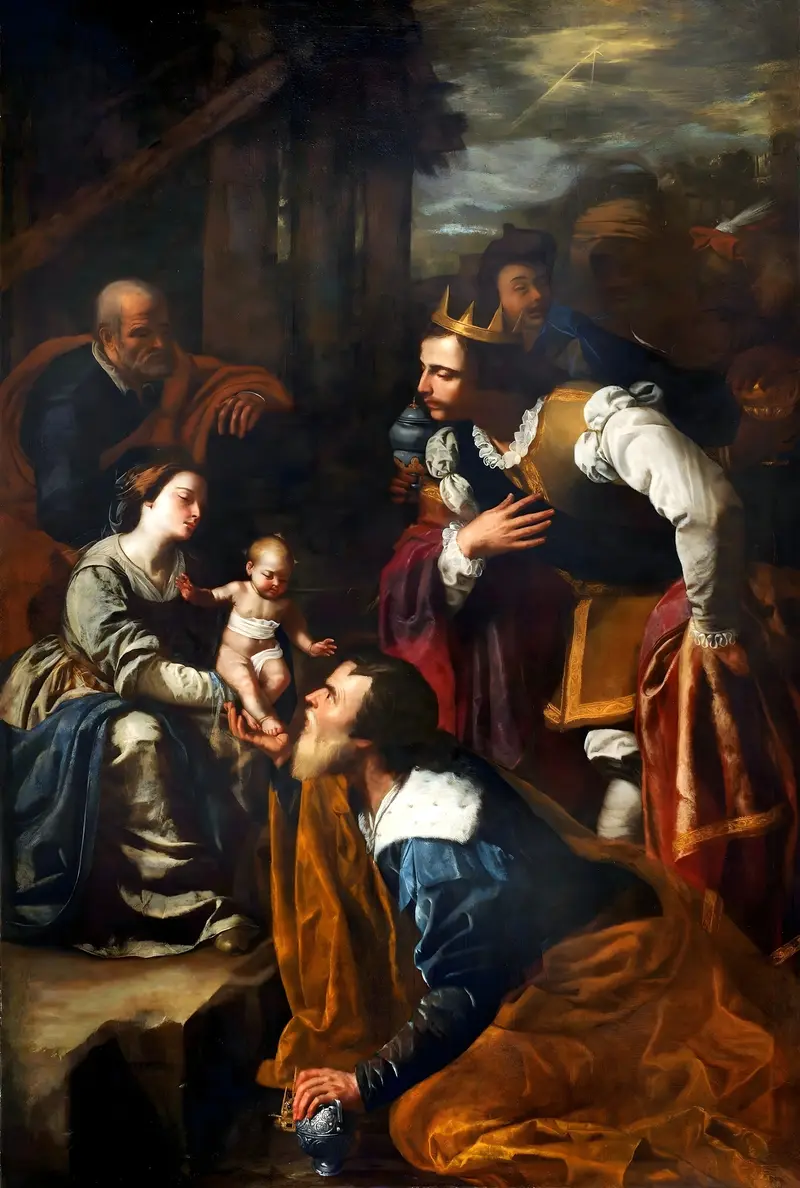
Adoration of the Magi
Artemisia Gentileschi
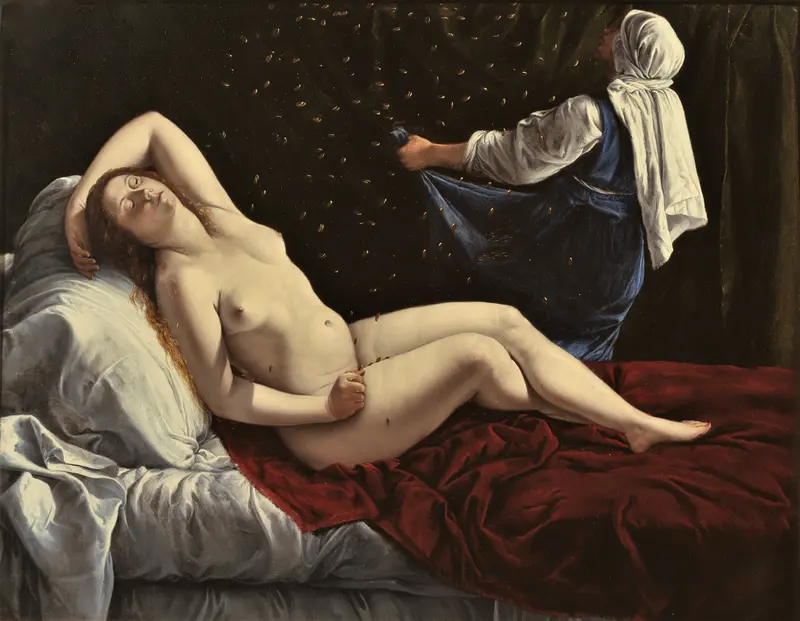
Danaë
Artemisia Gentileschi
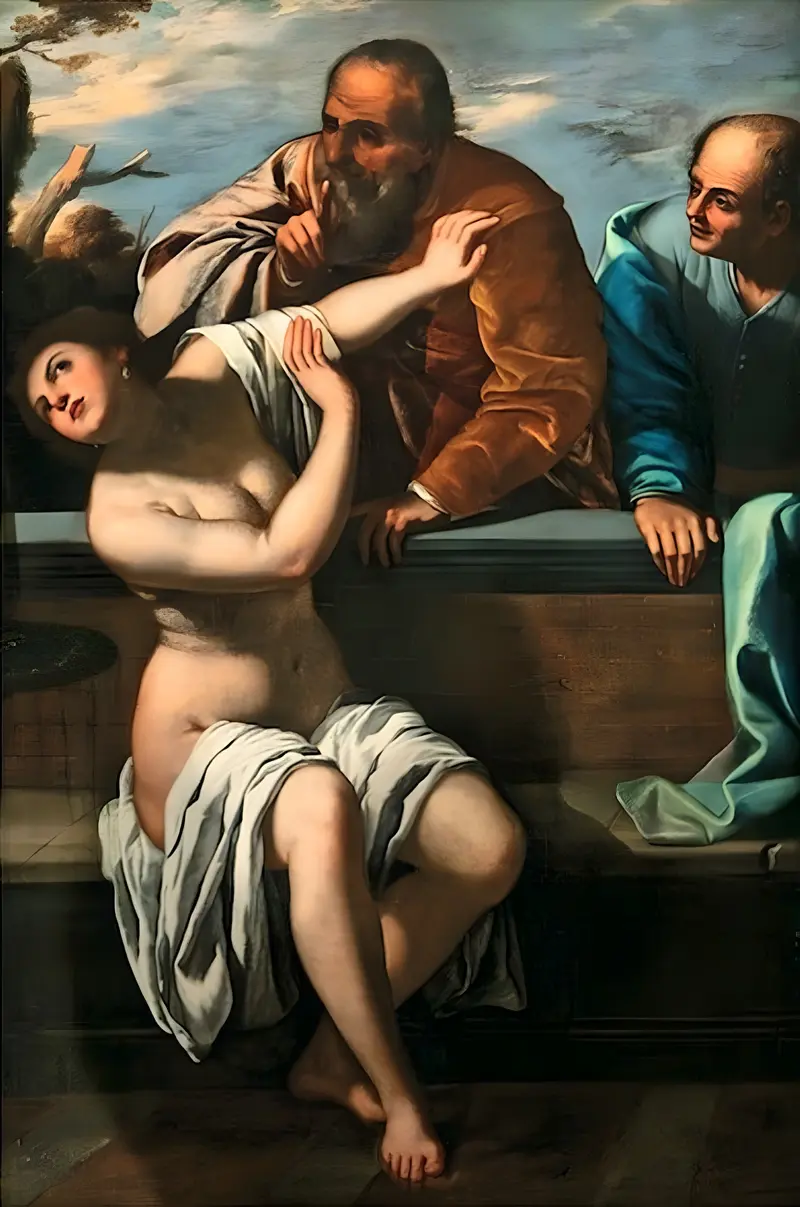
Susannah and the Elders
Artemisia Gentileschi

Judith and her Servant with the Head of Holofernes
Artemisia Gentileschi
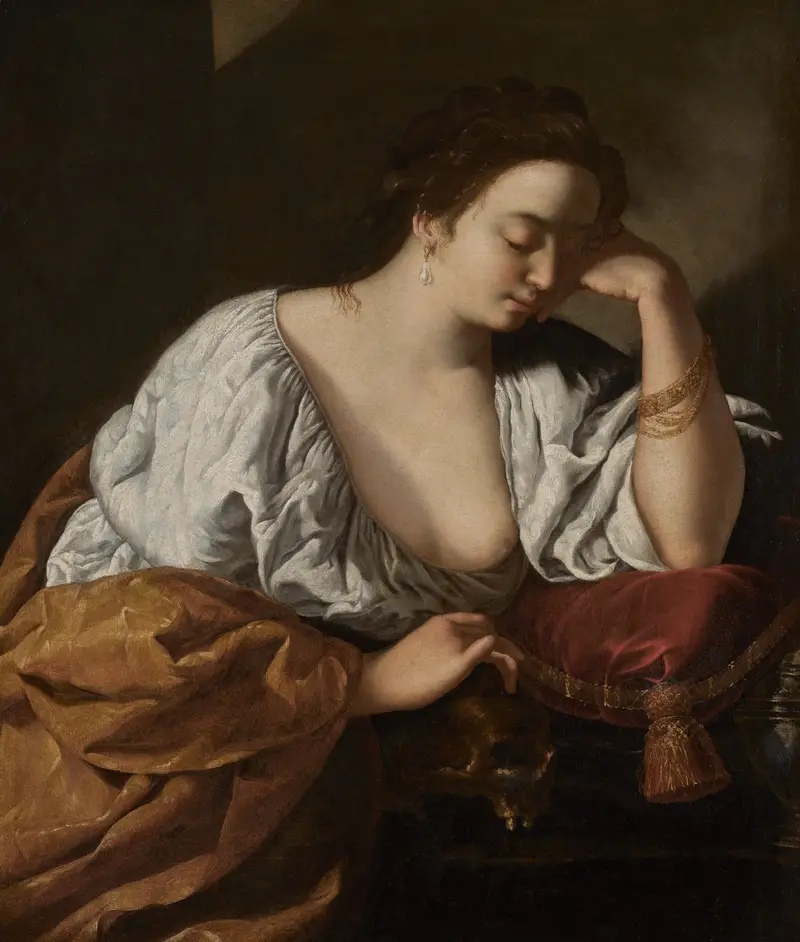
Madeleine pénitente, par
Artemisia Gentileschi
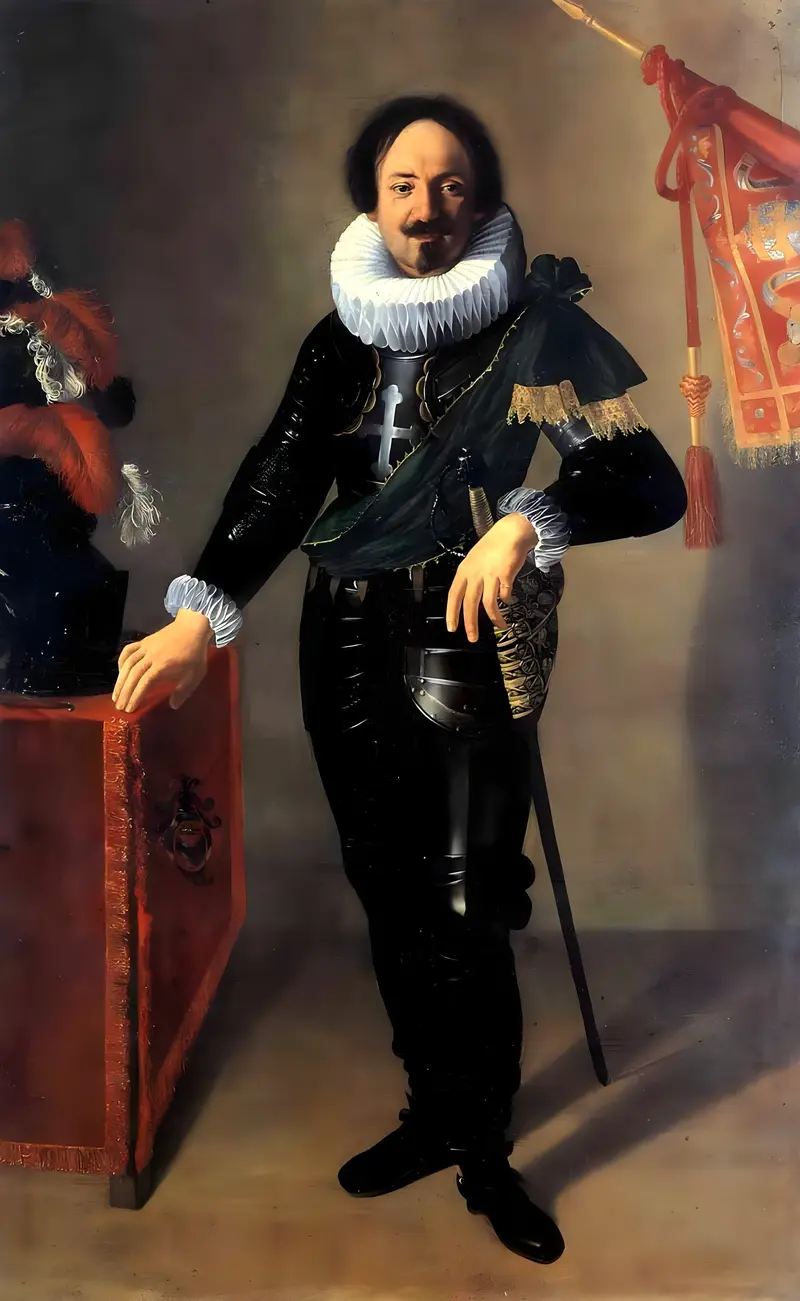
Portrait of a Gonfaloniere
Artemisia Gentileschi





