
Venus   and  Adonis — History & Facts
The first thing to catch the eye in Venus and Adonis is the tension between motion and stillness: a goddess reclines, her pale skin a beacon against the deep shadows of the tree, while her gaze—urgent, almost pleading—locks with the young hunter’s. The lush folds of her red drapery spill across the earth, anchoring the scene, but every other element seems poised to move. Adonis’s hunting dogs stand alert, nostrils flared, as if awaiting a signal.
Behind them, the golden light of evening glances off the landscape, while at the right, two putti—one with a torch, the other with a quiver—whisper the myth’s outcome. The painter’s use of light directs our attention: Venus’s exposed torso glows with a cool brilliance, drawing us into the drama between longing and departure. Created around 1620, this work belongs to a world where mythological scenes were both a painter’s challenge and a collector’s prize. In the flourishing courts of the early seventeenth century, stories of gods and mortals offered artists like Abraham Janssens the chance to display both sensual beauty and narrative skill.
Such paintings, often destined for private chambers or aristocratic galleries, were invitations to contemplate love, fate, and the fragility of desire. Now housed in the Kunsthistorisches Museum, this canvas stands as a testament to the era’s taste for theatrical storytelling and luminous color. Look again at Venus’s hand, gently restraining Adonis—here, the painter asks us to linger in the moment before loss.
More Artworks by Abraham Janssens

Jupiter Rebuked by Venus
Abraham Janssens
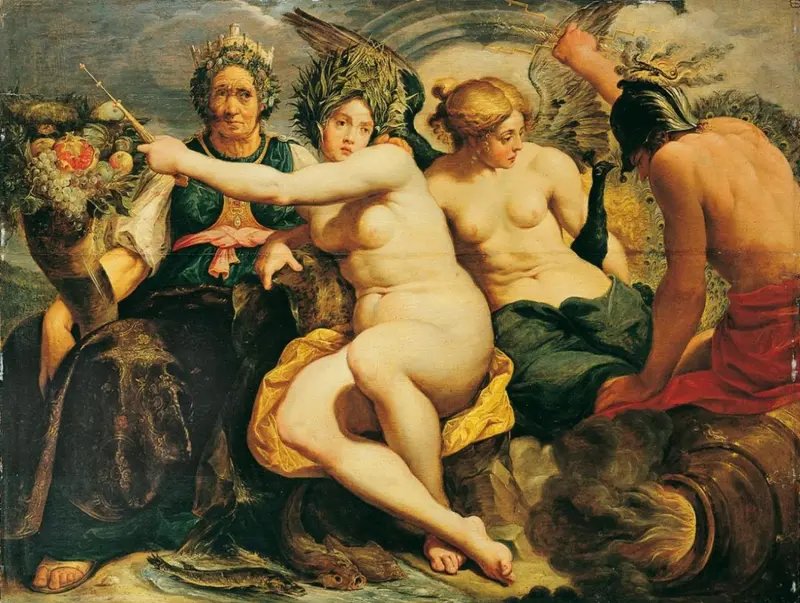
Allegorie der vier Elemente
Abraham Janssens
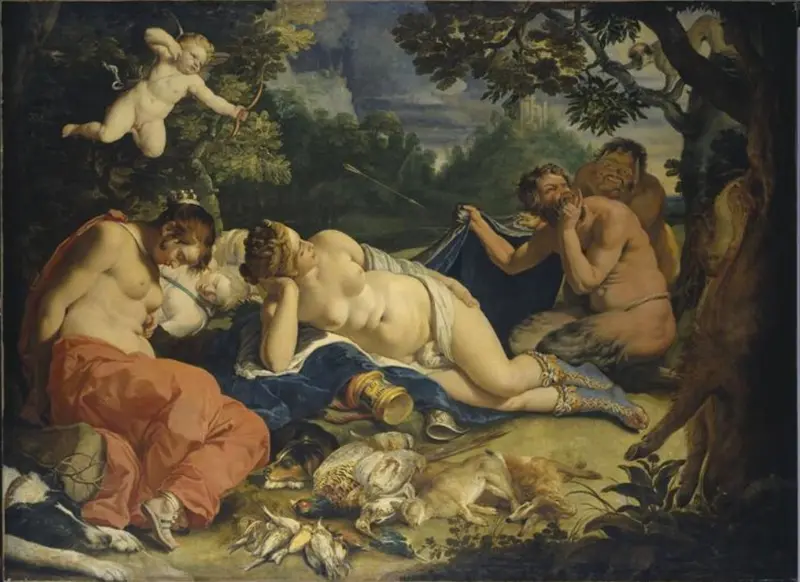
Diana and her nymphs spied on by satyrs
Abraham Janssens

Die Erweckung des Lazarus 153 Bavarian State Painting Collections
Abraham Janssens
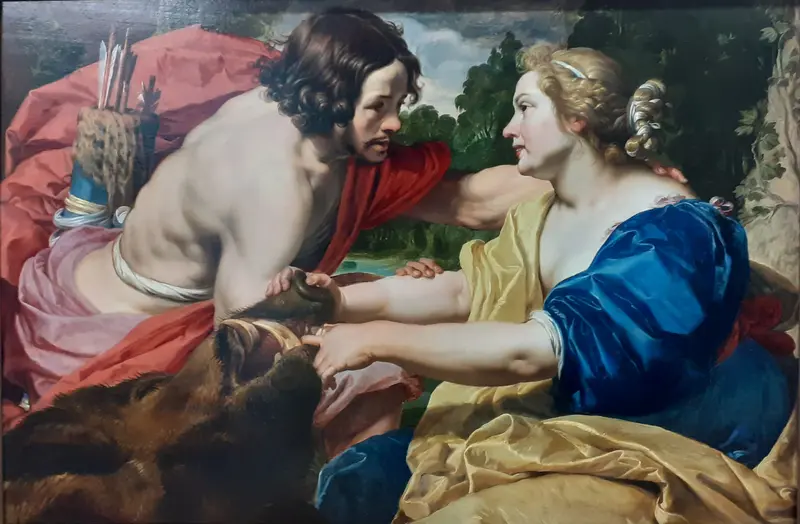
Meleager presents the head of the Calydonian Boar to Atalanta
Abraham Janssens
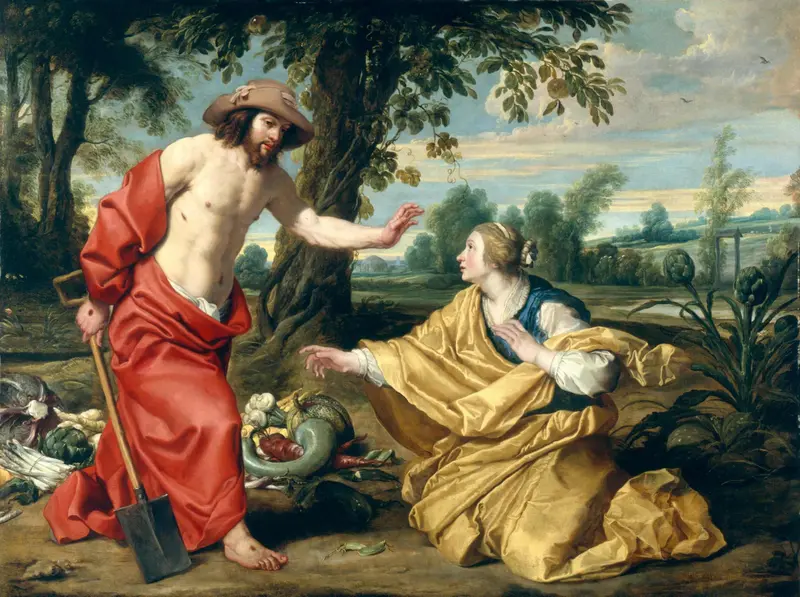
Noli me Tangere
Abraham Janssens
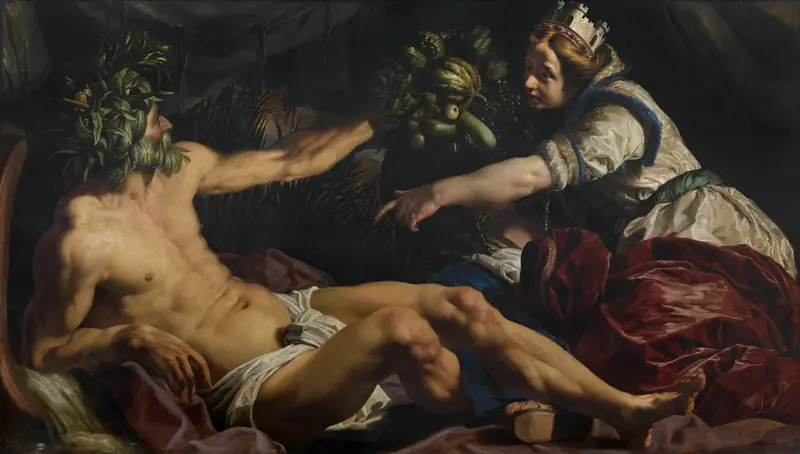
Scaldis and Antverpia
Abraham Janssens
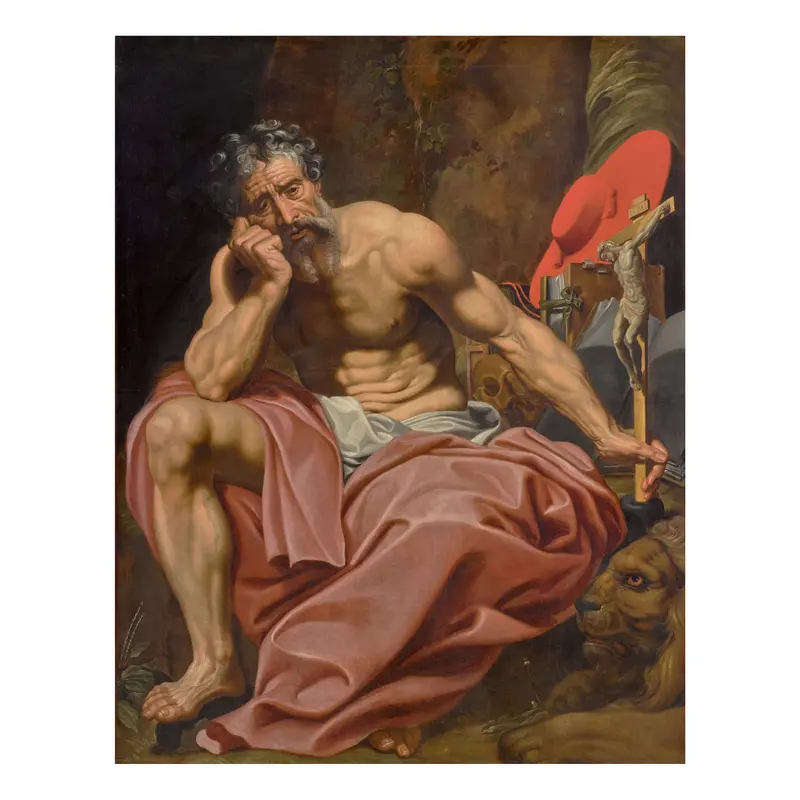
Saint Jerome
Abraham Janssens
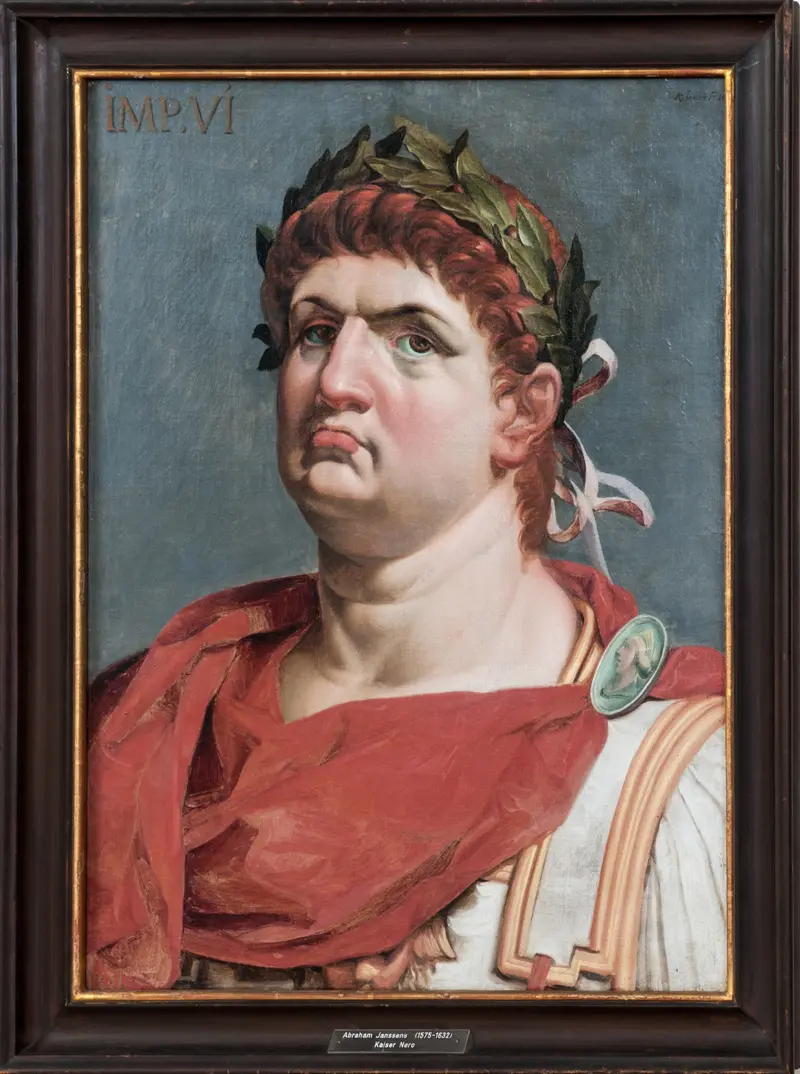
Nero
Abraham Janssens
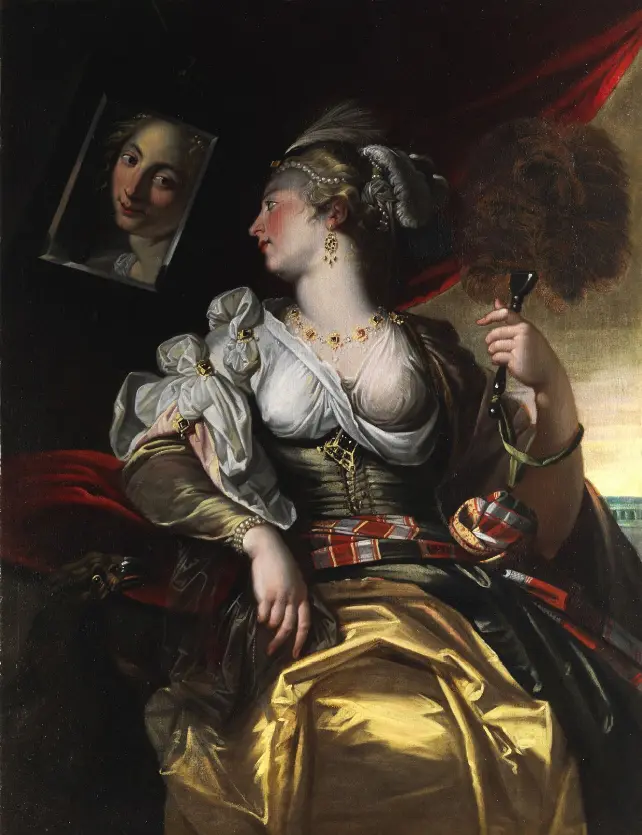
The Face
Abraham Janssens





