
Venus and Cupid — History & Facts
A shaft of light falls across the back of a goddess, drawing the eye to her luminous skin as she turns, half-shrouded, half-exposed, against a thicket of deep green. The world around her is dense and secretive, the foliage almost swallowing the figures, yet the painter has carved out a private stage: Venus, caught in a moment of leisure or perhaps surprise, glances over her shoulder, her gaze as much an invitation as a challenge. To her right, Cupid lifts a basket of fruit above his head, a playful offering or a symbol of abundance, his small body almost lost in the shadowed undergrowth.
The palette is rich and earthy, with the red drapery beneath Venus providing a single, vivid flare against the cool, enveloping greens and blues. The mood is intimate, hushed, as if we are intruding on a mythic tryst in a forest where gods might still wander. Painted between circa 1600 and circa 1605 by Adam Elsheimer, this Venus and Cupid belongs to a world where mythological scenes were both a painter’s playground and a collector’s prize. In early seventeenth-century Europe, such works were sought after by patrons eager to display learning and taste, their walls hung with stories borrowed from the ancients and reimagined in oil and pigment.
Elsheimer, known for his small, atmospheric panels, often infused his mythologies with a sense of naturalism and quiet drama, favoring twilight and shadow over grand spectacle. Now in the Fitzwilliam Museum, Cambridge, this painting survives as a window onto that era’s fascination with gods rendered human, and with nature as both setting and character—inviting us to linger, to look again, and to wonder what might be hidden in the dark beyond Venus’s glance.
More Artworks by Adam Elsheimer

Saint John the Baptist in the Wilderness
Adam Elsheimer
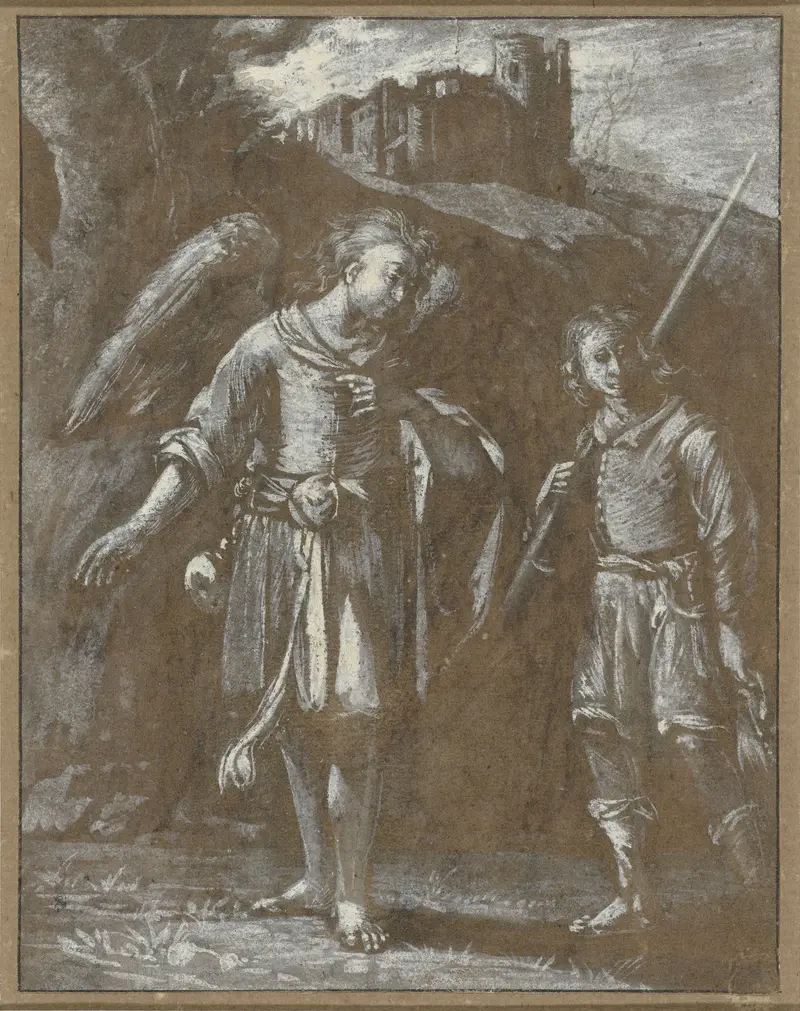
Tobias en de engel
Adam Elsheimer
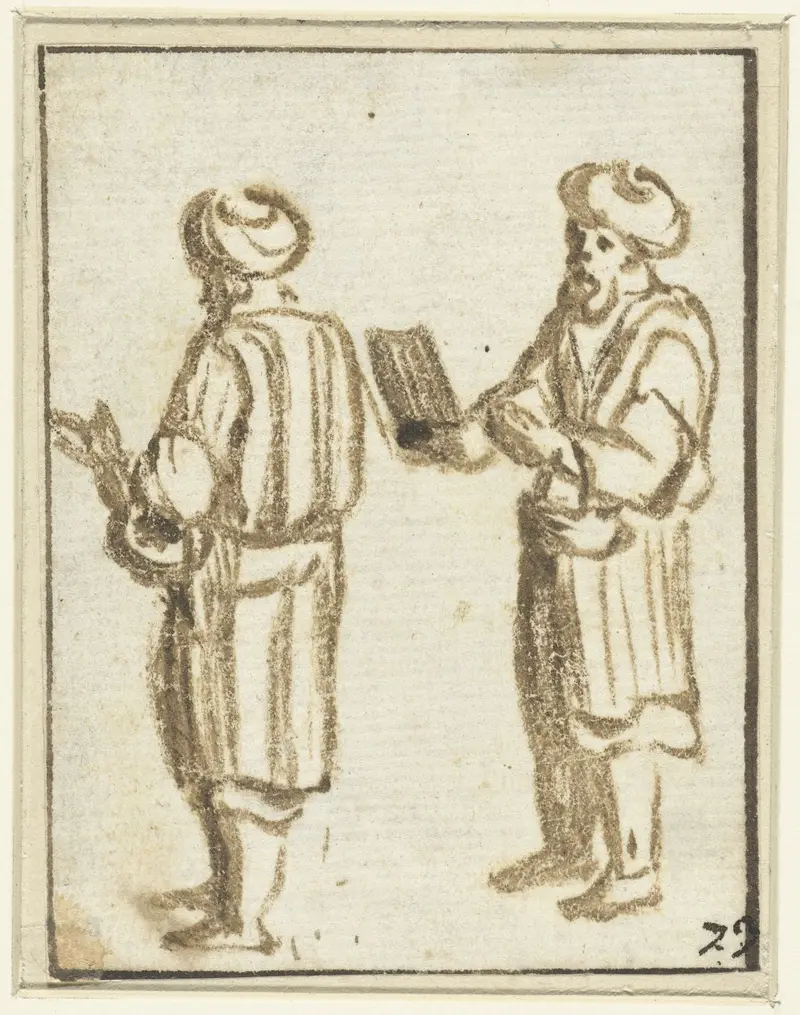
Twee staande mannen met tulbanden
Adam Elsheimer
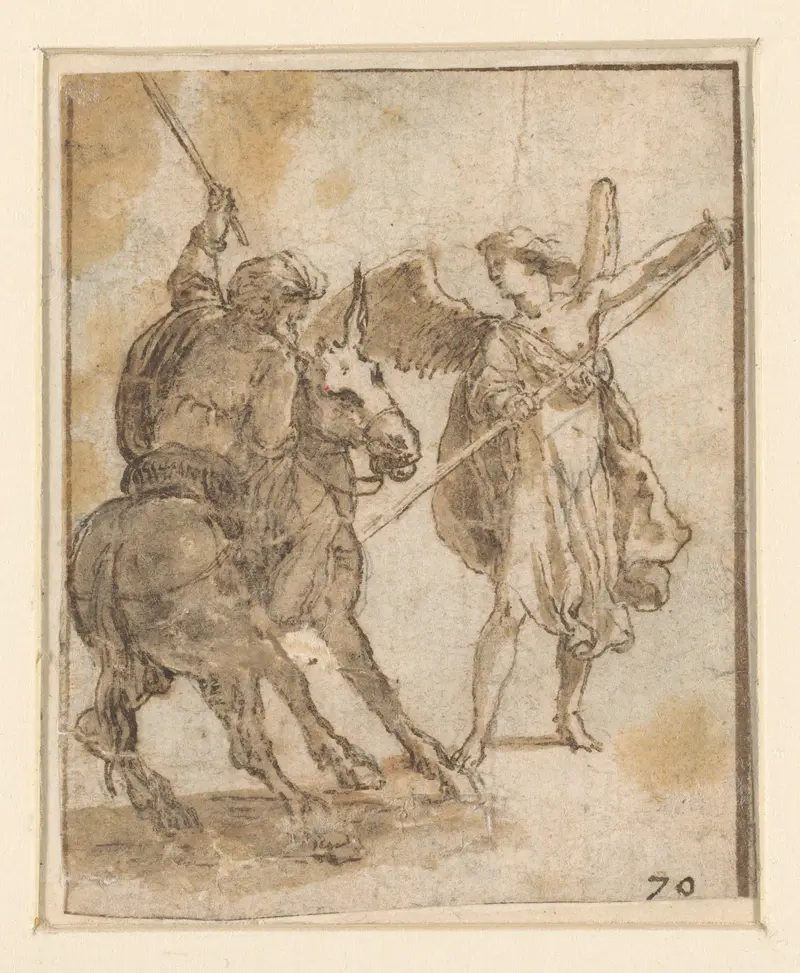
Bileam op zijn ezel ontmoet de engel
Adam Elsheimer
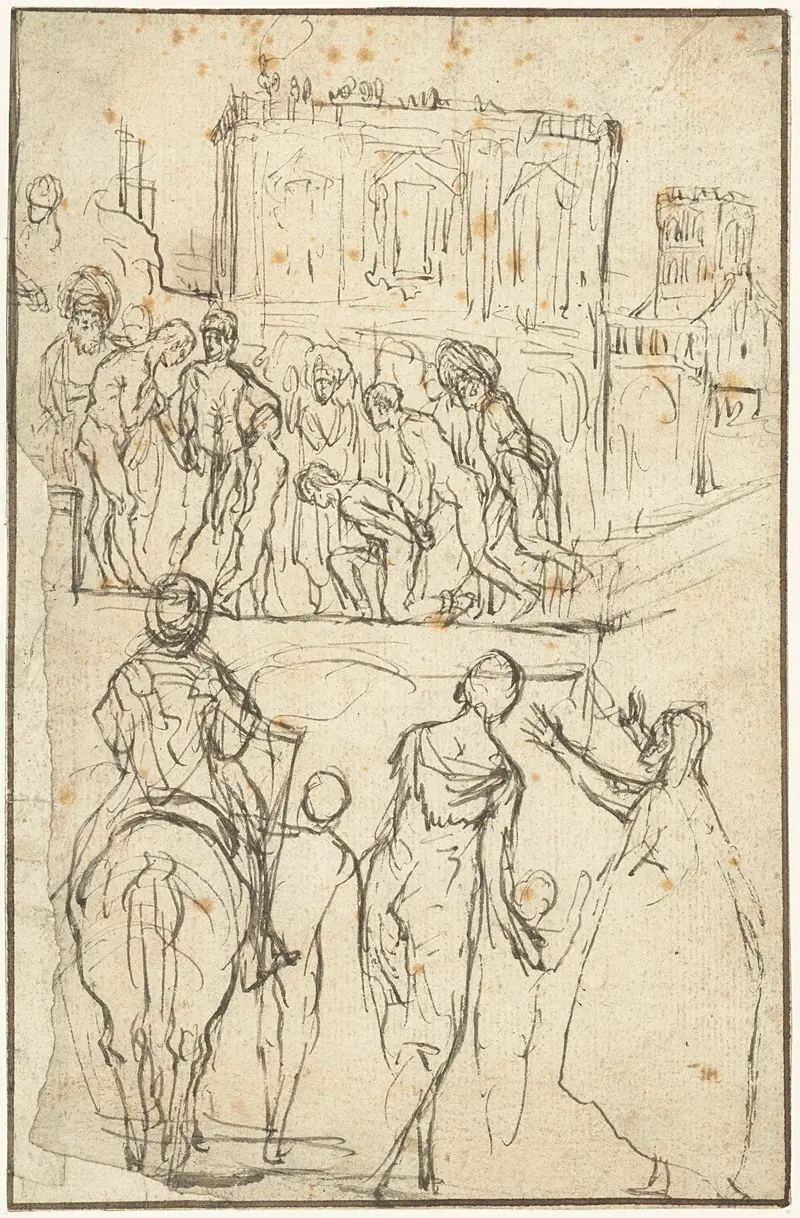
Judgement Scene with a Bound Prisoner
Adam Elsheimer
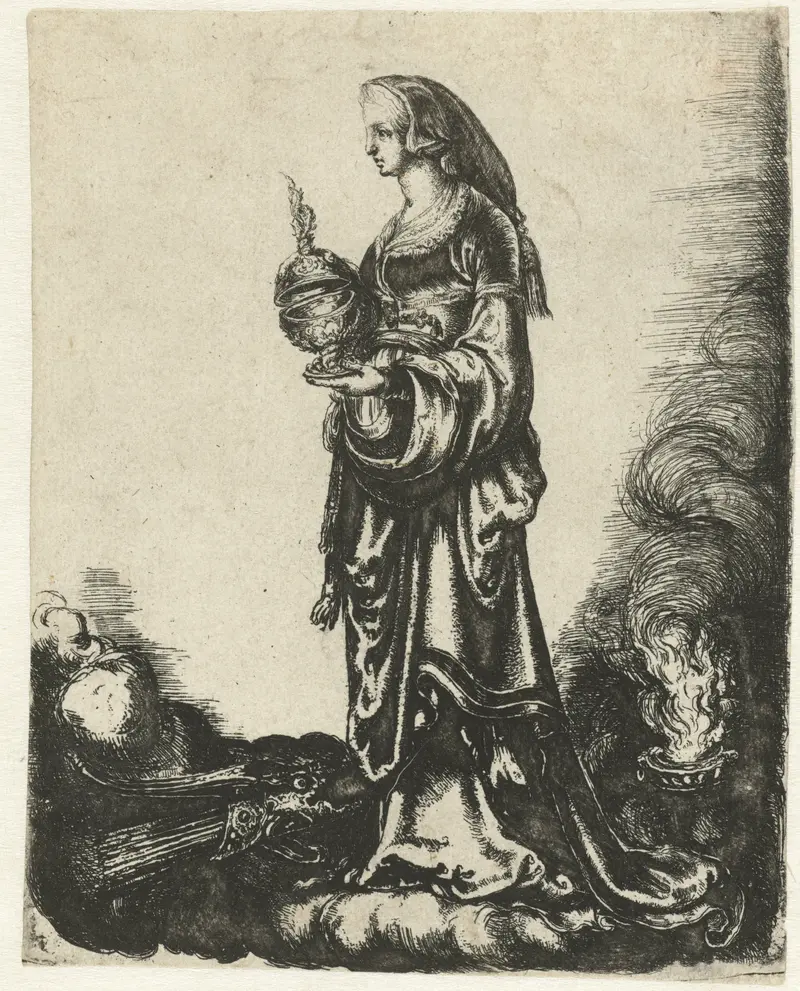
Allegorie met vrouw met beker staand op wolk
Adam Elsheimer
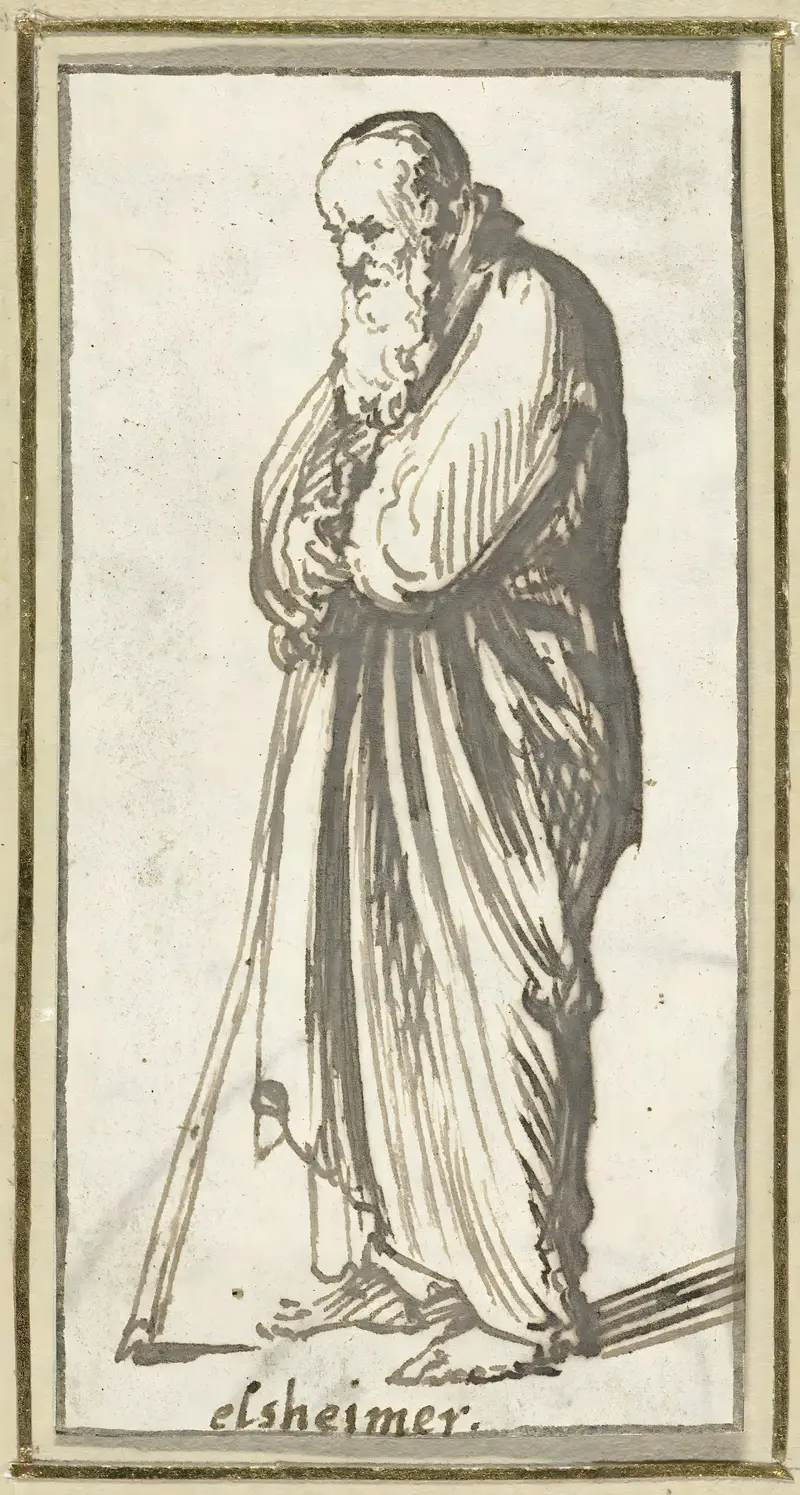
Oude man in lang gewaad
Adam Elsheimer
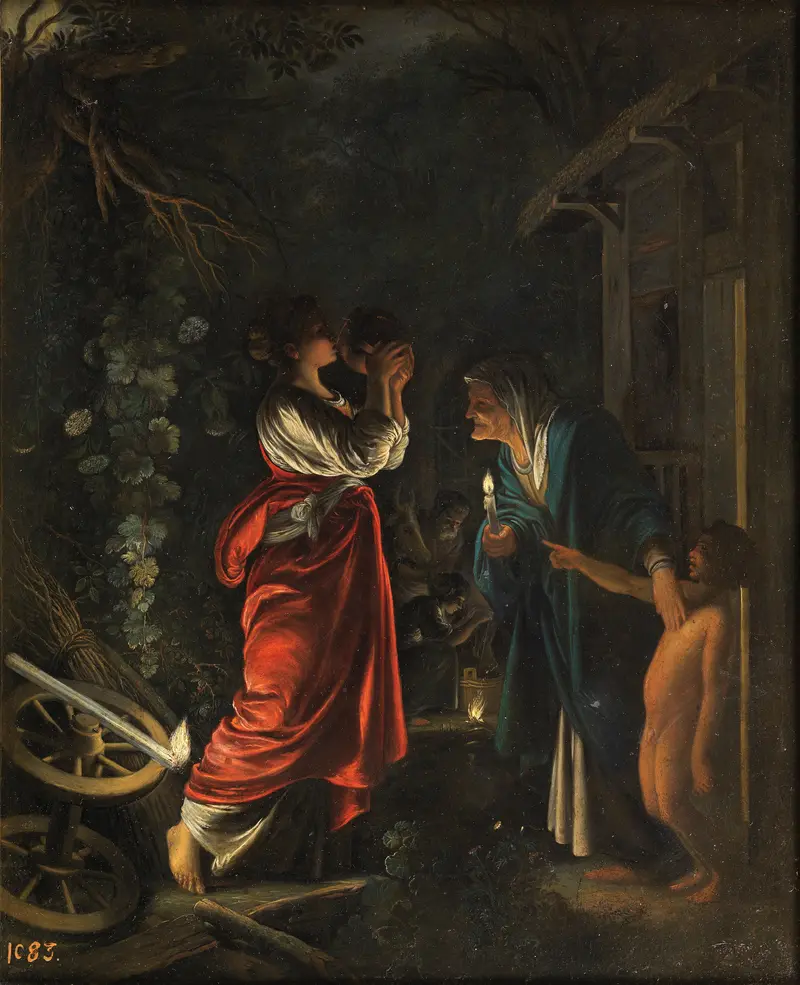
Ceres in the House of Hecuba
Adam Elsheimer
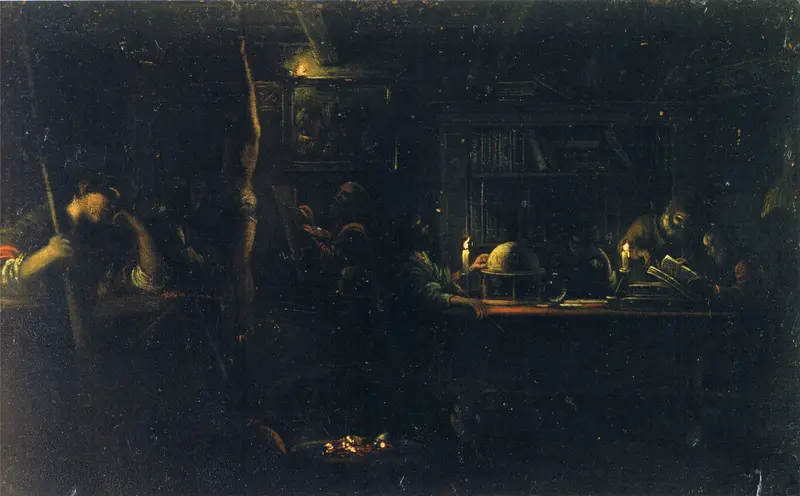
Minerva as patroness of Arts and Sciences
Adam Elsheimer
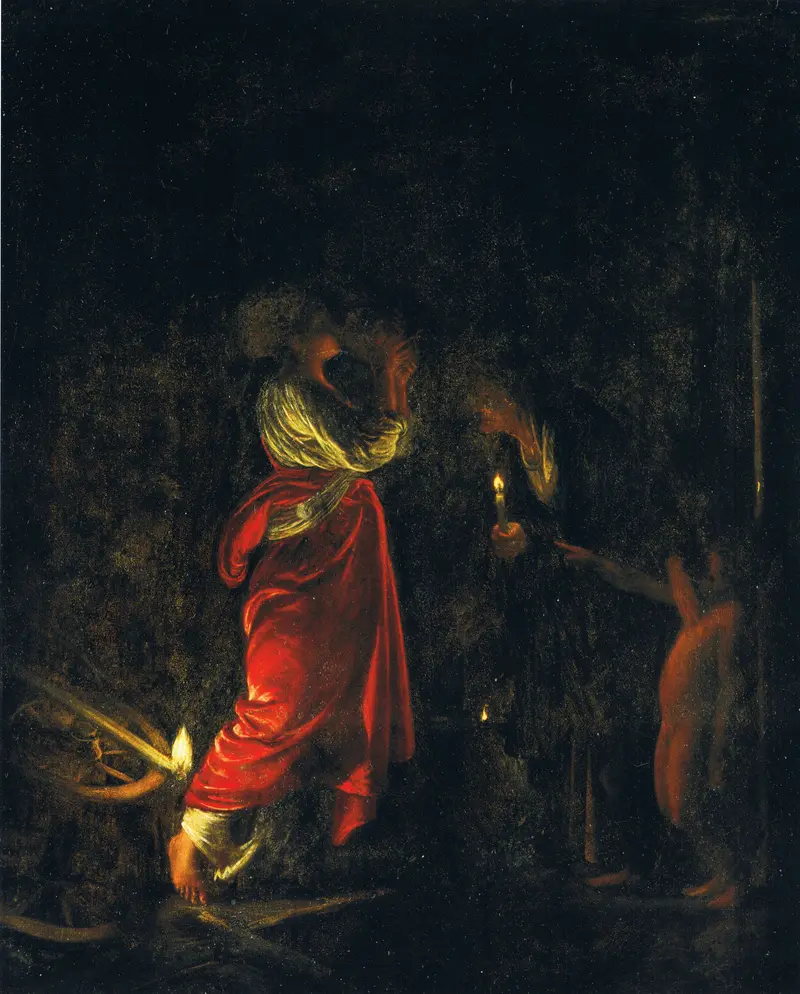
The Mocking of Ceres
Adam Elsheimer





