
Venus, Juno and Minerva arguing for Jupiter over the Golden Apple of Eris — History & Facts
What draws the eye first is not the golden apple itself, but the charged triangle of gestures and glances that bind the gods together in a contest of beauty and power. The goddesses—each poised and radiant—lean in toward Jupiter, who sits enthroned yet visibly wearied by the weight of their demands. The artist, Abraham Janssens, has chosen the very instant when persuasion and rivalry reach their peak: Juno’s commanding hand, Minerva’s armored stillness, Venus’s soft allure.
The eagle at Jupiter’s feet, the peacock, and the scattering of cherubs all serve to remind us that this is no mortal quarrel, but a moment that will set mythic fate in motion. The palette is luminous and the flesh tones glow, while the swirling drapery and clouds give the scene a sense of suspended decision. Painted in 1615, this work belongs to the flourishing world of early seventeenth-century Antwerp, where mythological scenes were prized by collectors eager for both erudition and spectacle. Paintings like this—rich in allegory and sensuality—were often commissioned for private homes, where they could spark conversation and display the owner's learning.
Janssens was among the first Flemish artists to absorb the lessons of Italian painting, bringing a new grandeur and clarity to his mythological subjects. While history has kept few traces of this particular canvas’s early journey, today it resides in the collection of the Bayerische Staatsgemäldesammlungen, a testament to the enduring appeal of stories that hinge on a single, impossible choice. Let your gaze linger on the faces and hands: here, every detail is a clue to the passions and ambitions that shaped the gods themselves.
More Artworks by Abraham Janssens

Jupiter Rebuked by Venus
Abraham Janssens
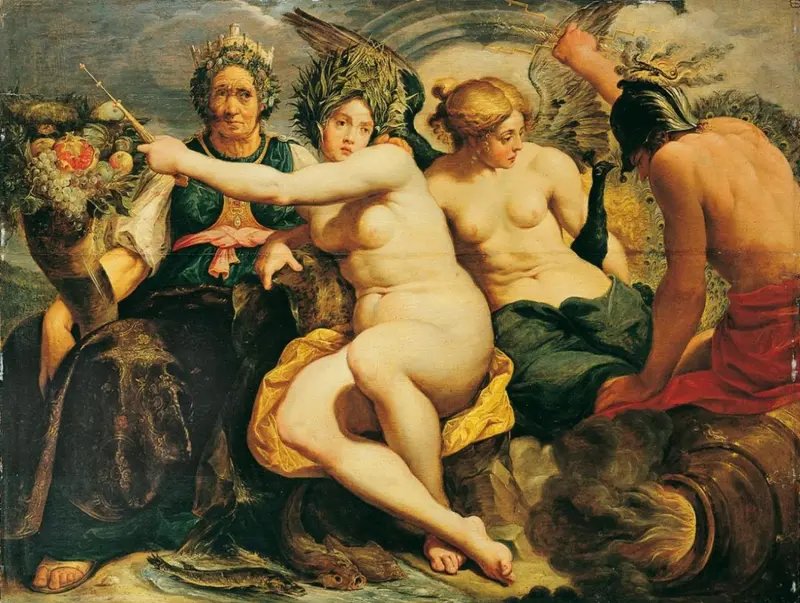
Allegorie der vier Elemente
Abraham Janssens
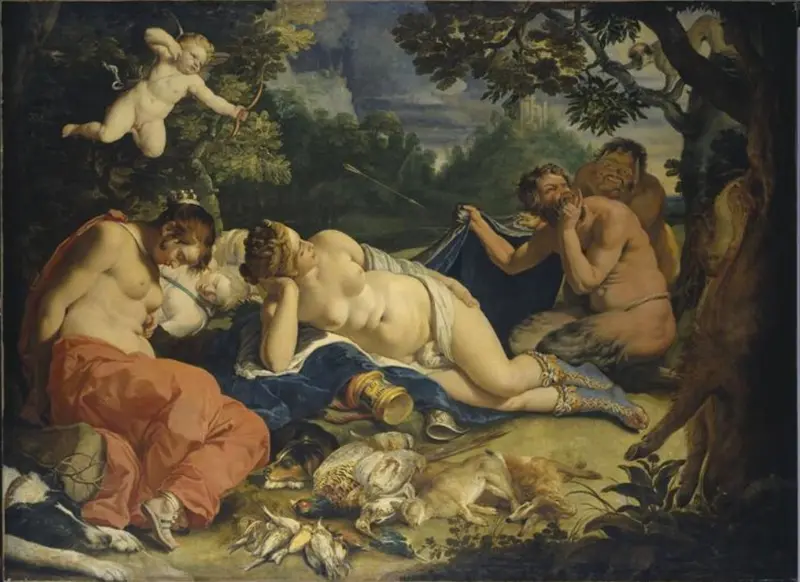
Diana and her nymphs spied on by satyrs
Abraham Janssens

Die Erweckung des Lazarus 153 Bavarian State Painting Collections
Abraham Janssens
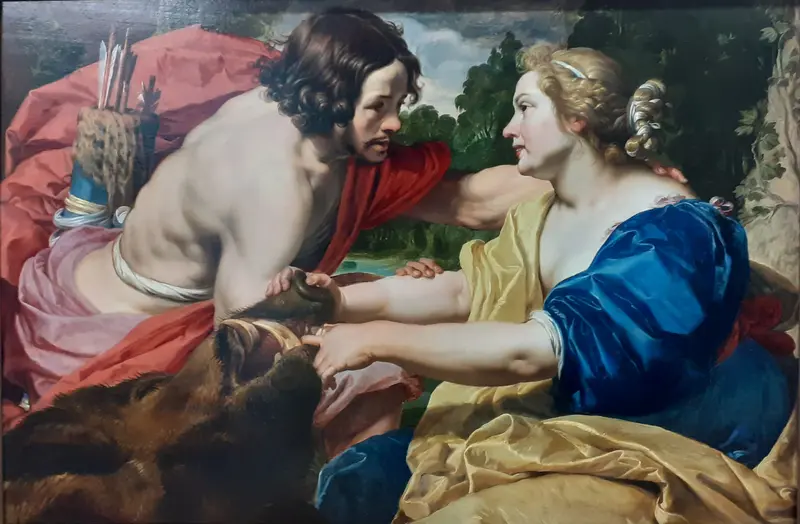
Meleager presents the head of the Calydonian Boar to Atalanta
Abraham Janssens
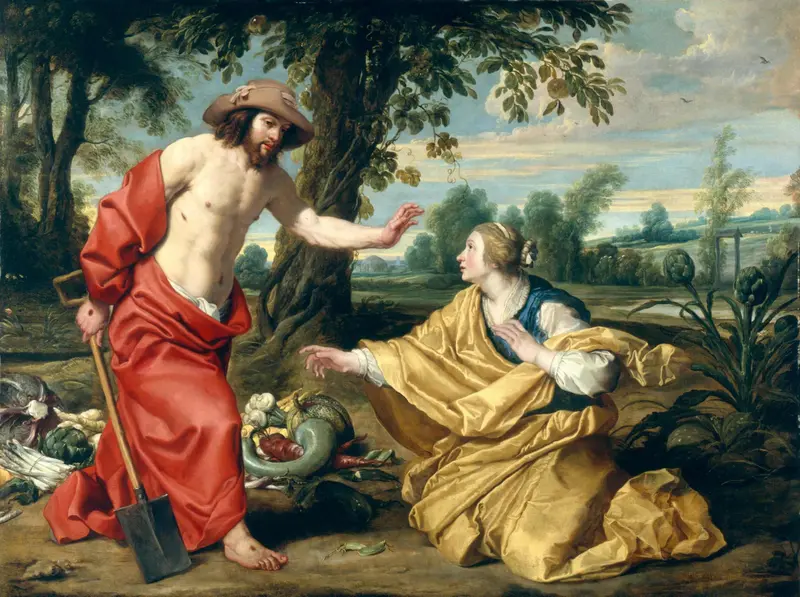
Noli me Tangere
Abraham Janssens
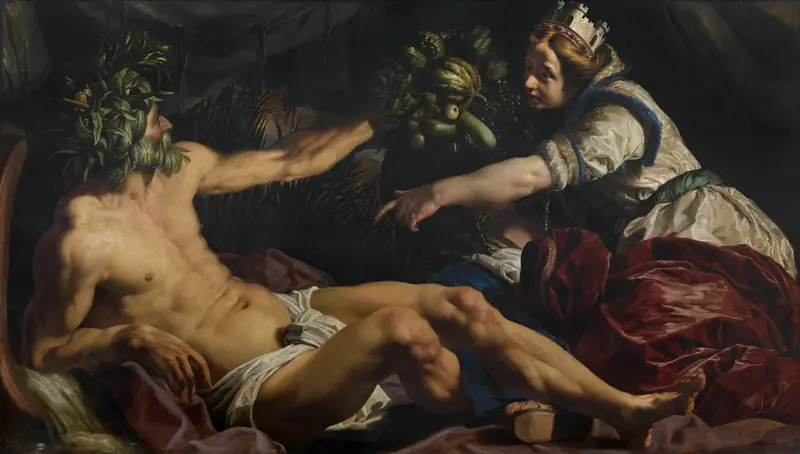
Scaldis and Antverpia
Abraham Janssens
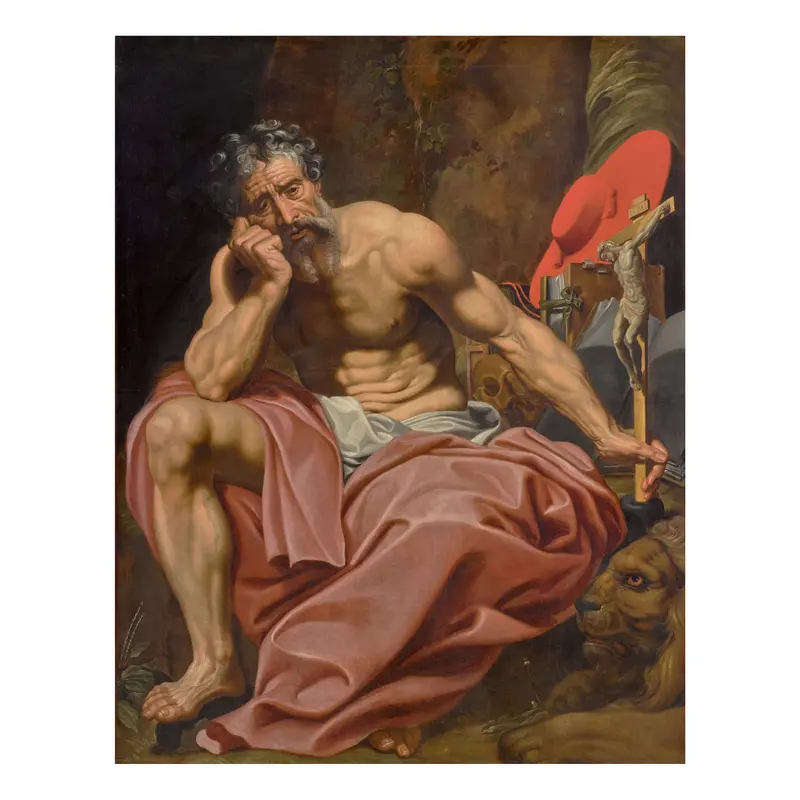
Saint Jerome
Abraham Janssens
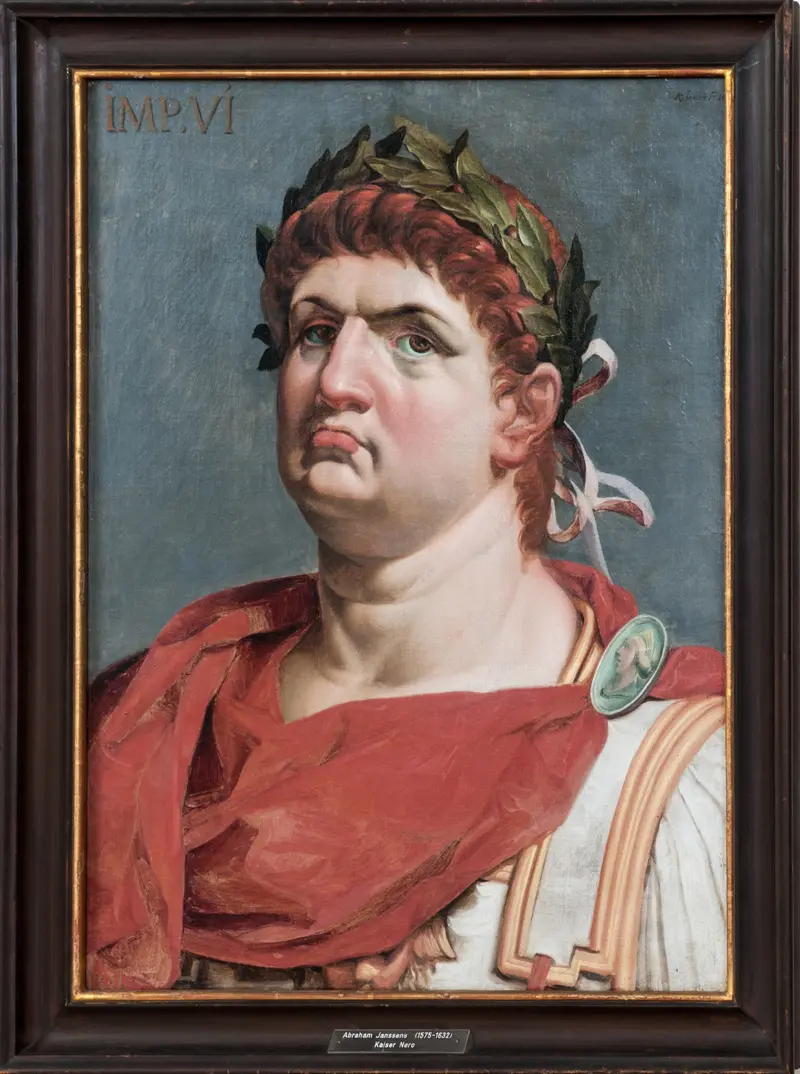
Nero
Abraham Janssens
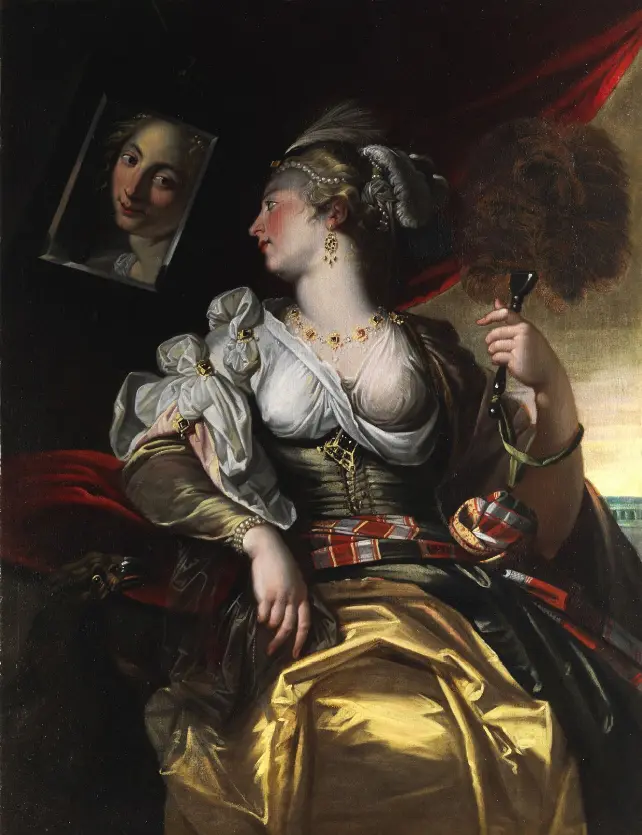
The Face
Abraham Janssens





