
View of Bebek near Constantinople — History & Facts
When Jan Matejko visited Constantinople in 1872, he was already celebrated for his sweeping historical canvases, yet it was this rare landscape, View of Bebek near Constantinople, that captured a quieter fascination. The painting stands out in his oeuvre as one of the few works to leave behind the grand dramas of Polish history for the gentle rhythms of daily life along the Bosphorus. Contemporary accounts note that Matejko was entranced by the interplay of East and West in the Ottoman capital, and this painting was likely completed during his brief sojourn in the city, a period that produced only a handful of such views. Matejko chooses a tranquil moment: the sunlit waters of the Bosphorus lap against the shore of Bebek, a leafy suburb favored by diplomats and merchants.
Ottoman villas, their wooden facades catching the late afternoon light, line the water’s edge, while small boats drift lazily in the foreground. A minaret rises above the rooftops, anchoring the scene in its Turkish setting. The artist’s eye lingers on the contrasts—the dark cypress trees against the pale sky, the European dress of a strolling figure beside the flowing robes of a local fisherman—hinting at the cultural mingling that defined the city.
Unlike the bustling, theatrical Constantinople of Ivan Aivazovsky’s seascapes, Matejko’s Bebek is intimate and contemplative, a place of quiet observation rather than spectacle. The precise history of View of Bebek near Constantinople as an object remains somewhat obscure, as Matejko’s landscapes were seldom exhibited or discussed in his lifetime. It is not clear whether the work was painted on commission or as a personal memento of his travels. Over the years, it has passed through several private collections in Poland and Turkey, and its medium is still debated among scholars—some suggest oil, others watercolor.
Today, the painting is valued as a rare window into Matejko’s lesser-known fascination with the world beyond Poland, offering a glimpse of the artist as traveler and observer rather than chronicler of national legend.
More Artworks by Jan Matejko
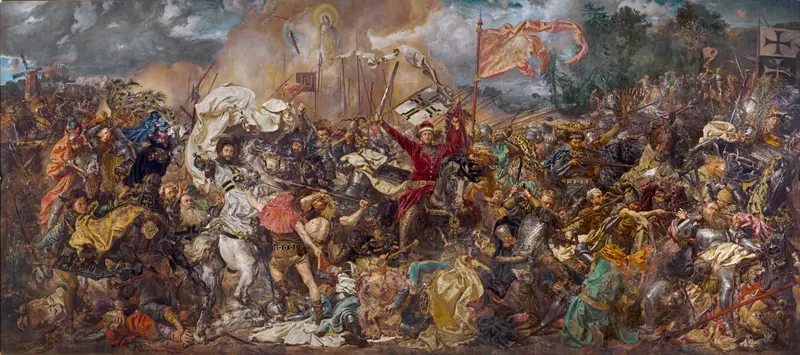
Battle of Grunwald
Jan Matejko

Stańczyk
Jan Matejko

Battle of Raclawice
Jan Matejko
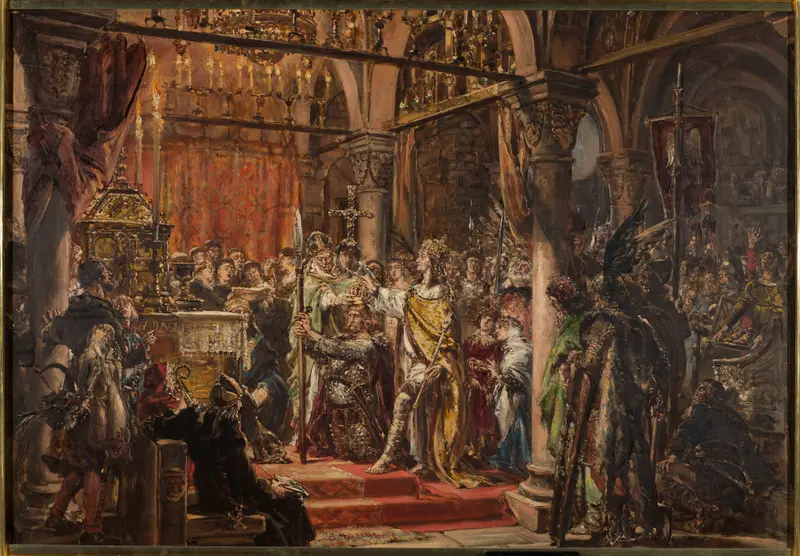
Coronation of the First King, 1001 AD, from the series “History of Civilization in Poland”
Jan Matejko
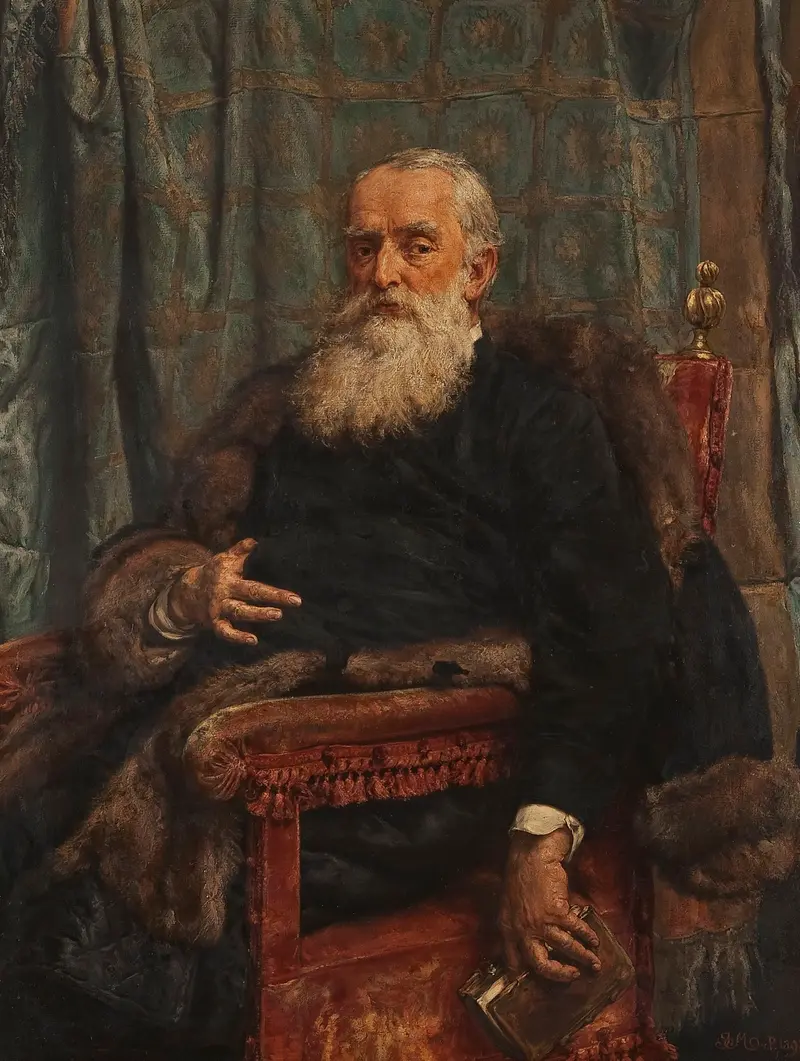
Portrait of Henryk Krajewski
Jan Matejko
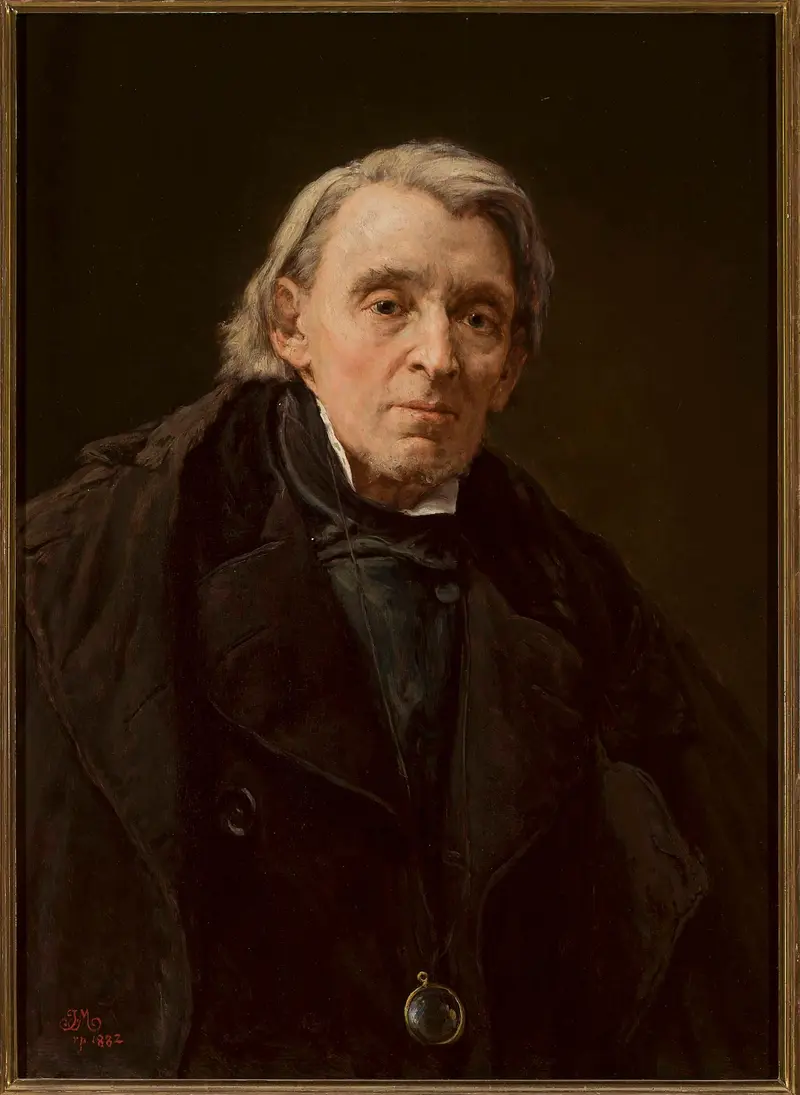
Portrait of Karol Podlewski
Jan Matejko
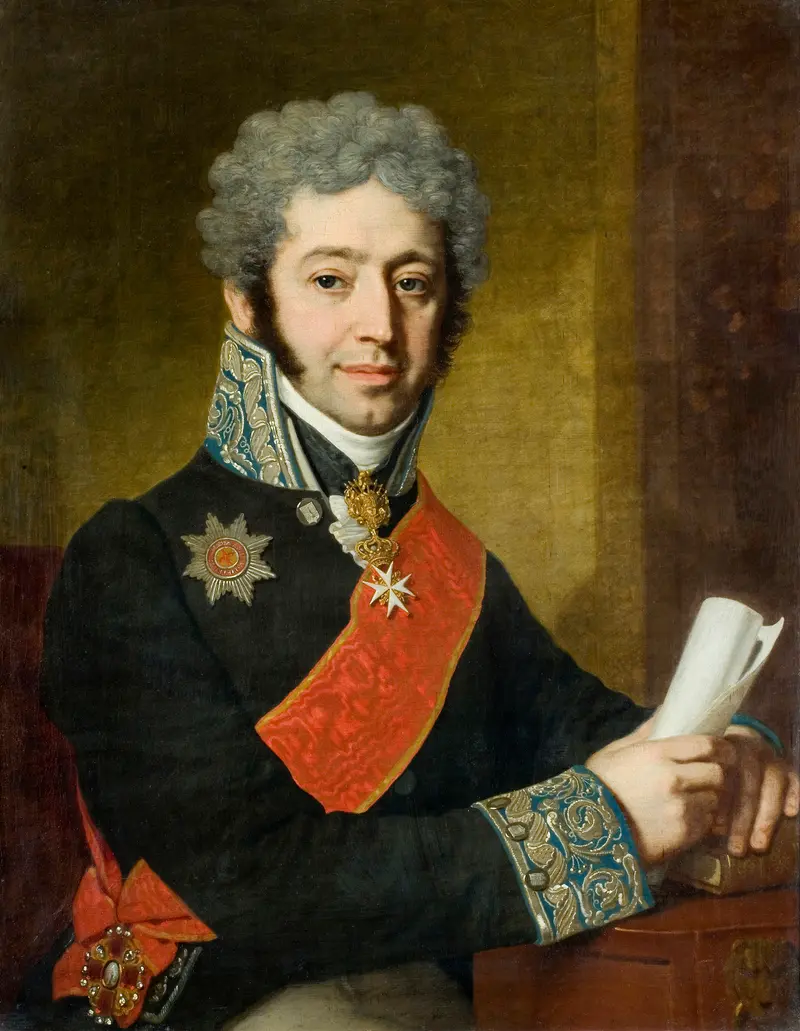
Portrait of Potocki and Poninski
Jan Matejko
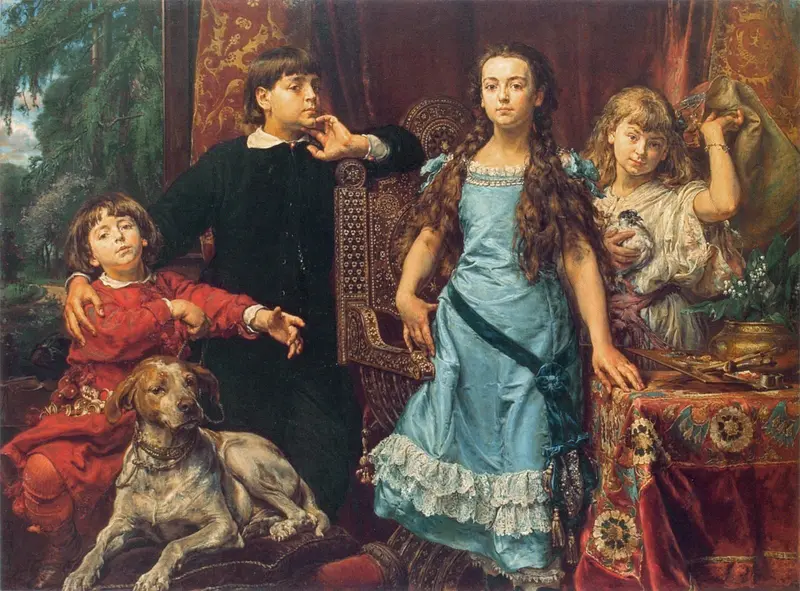
Portrait of the artist's four children
Jan Matejko
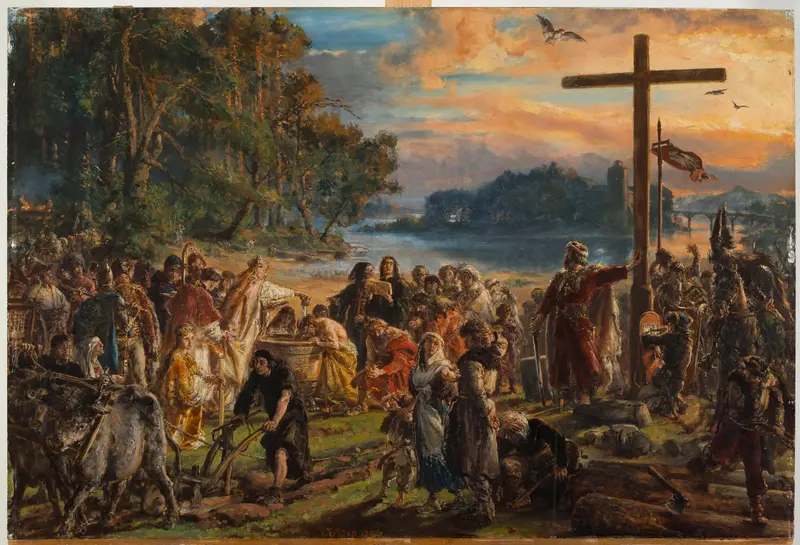
Introduction of Christianity in Poland
Jan Matejko
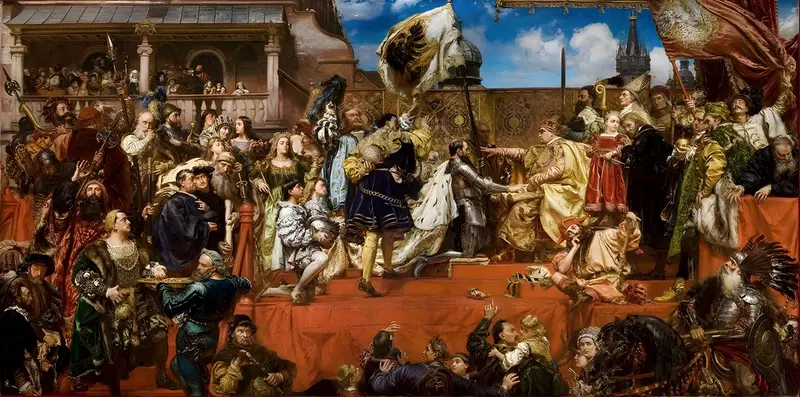
Prussian Homage
Jan Matejko
More Landscape Art

The Starry Night
Vincent van Gogh

View of Delft
Johannes Vermeer

Water Lilies
Claude Monet

The Grand Canal, Venice, looking north-west from the Ca' Corner to the Ca' Contarini degli Scrigni, with the campanile of Santa Maria della Carità
Canaletto

Windsor Castle
Canaletto

The Grand Canal looking North-East from the Palazzo Dolfin-Manin to the Rialto Bridge
Canaletto