
Virgil reading The Aeneid before Augustus, Livia and Octavia — History & Facts
When Jean Auguste Dominique Ingres first presented Virgil reading The Aeneid before Augustus, Livia and Octavia at the 1812 Paris Salon, critics were struck by the emotional restraint of its central moment: the Roman poet Virgil reciting lines that would send the emperor’s sister, Octavia, into a faint. The story, drawn from Suetonius and other ancient sources, tells that when Octavia heard Virgil read the passage in Book VI describing her dead son Marcellus, she collapsed with grief and had to be revived. This historical episode fascinated Neoclassical artists, but Ingres’ interpretation was noted for its psychological subtlety rather than melodrama.
The painting became a touchstone for debates about the aims of history painting in Napoleonic France. Ingres chooses the instant just before Octavia’s collapse. Virgil, draped in white, stands at the left, his hand raised in the orator’s gesture, while Augustus listens intently, his profile sharp against the background. Octavia, seated beside Livia, is already pale, her hand pressed to her chest; the tension in her posture hints at the emotion about to overwhelm her.
The laurel wreaths, imperial purple, and marble setting evoke the grandeur of Rome, but the focus is on the human drama—the silent communication between poet and audience. Compared to Angelica Kauffman’s earlier treatment of the same scene, Ingres’ figures are more statuesque, their emotions more contained, the composition more severe. Commissioned while Ingres was in Rome as a pensionnaire of the French Academy, the painting marked an early high point in his career. Its cool, linear style and archaeological detail reflect his admiration for Raphael and the ideals of the Neoclassical movement.
The work has remained in French collections since its creation, passing from the state to the Musée des Beaux-Arts de Lyon, where it still hangs today. Though less famous than his later portraits, it remains a key example of Ingres’ early ambition to reconcile historical accuracy with expressive restraint.
More Artworks by Jean Auguste Dominique Ingres
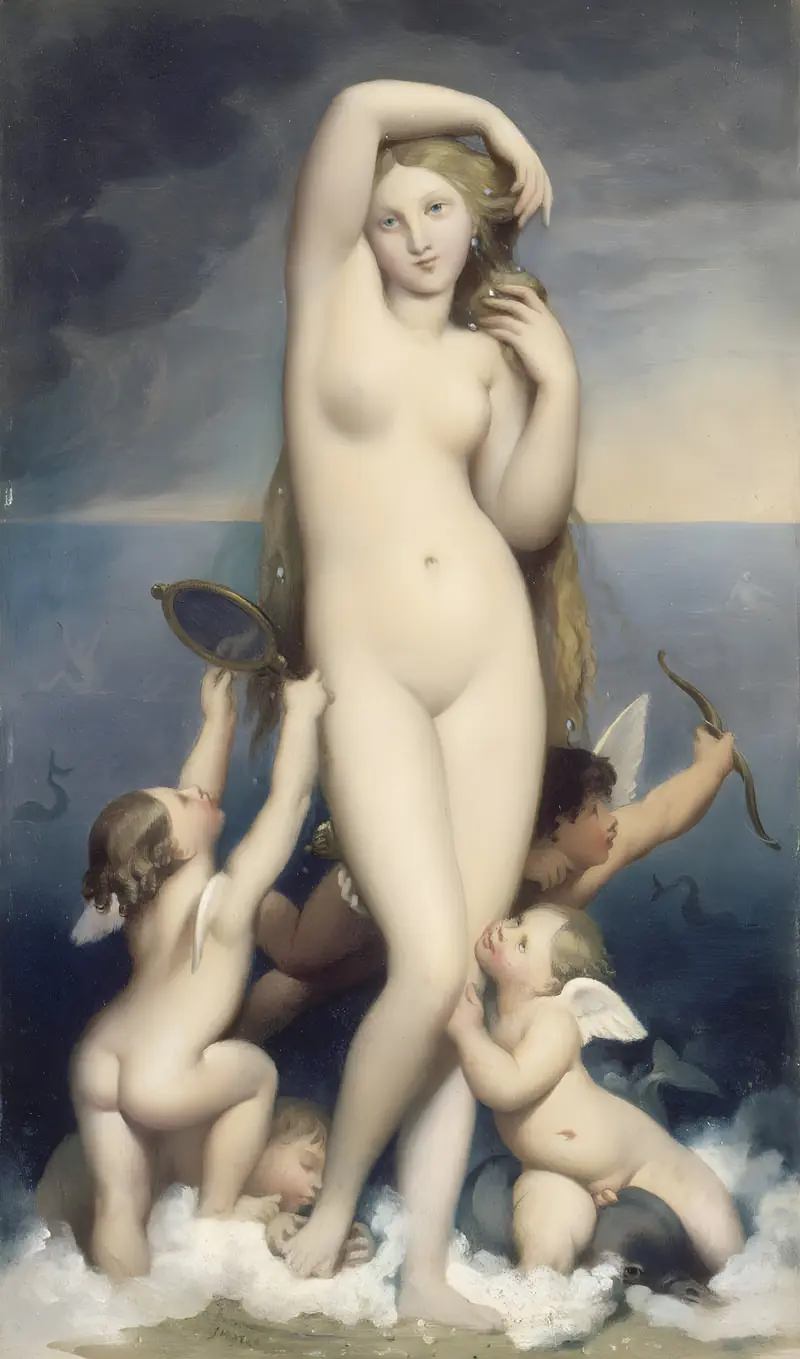
Vénus anadyomène
Jean Auguste Dominique Ingres
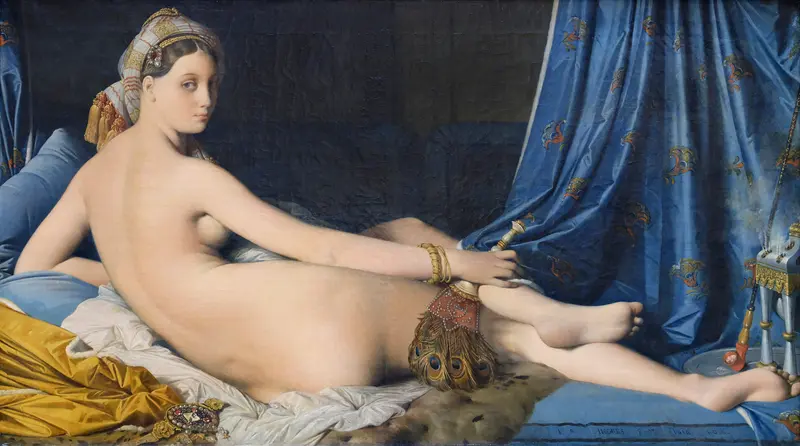
Grande Odalisque
Jean Auguste Dominique Ingres
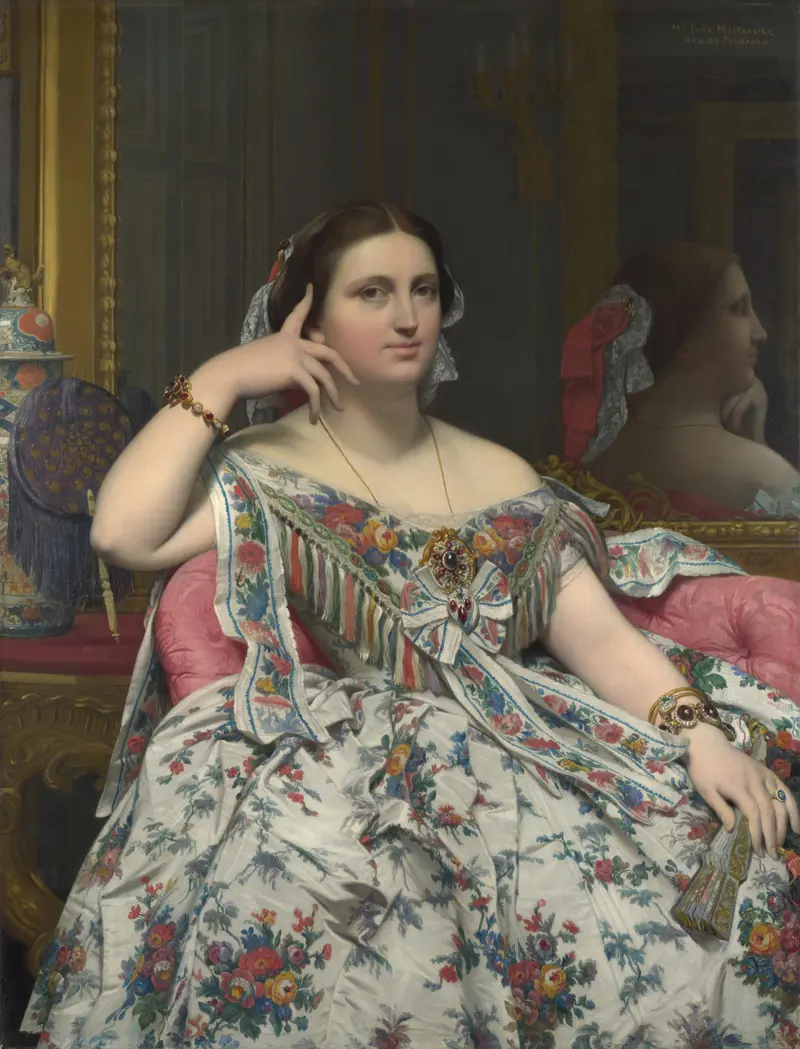
Madame Moitessier (seated)
Jean Auguste Dominique Ingres
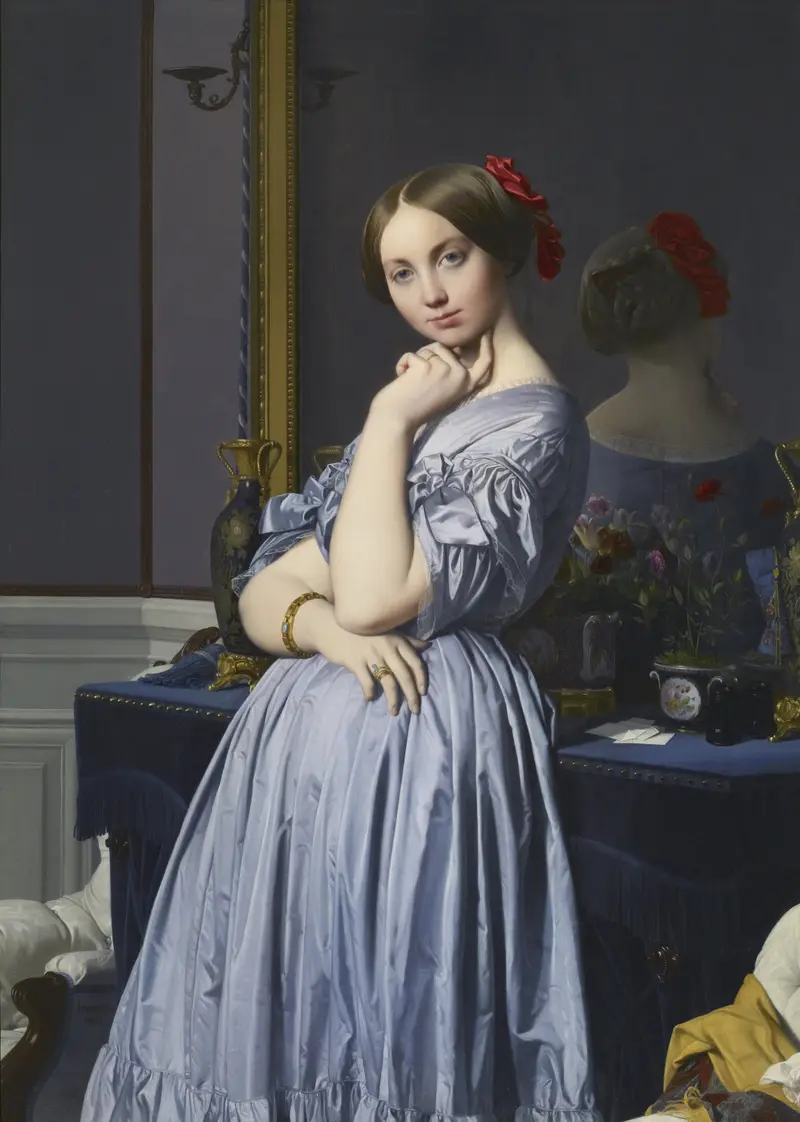
Portrait of Comtesse d’Haussonville
Jean Auguste Dominique Ingres
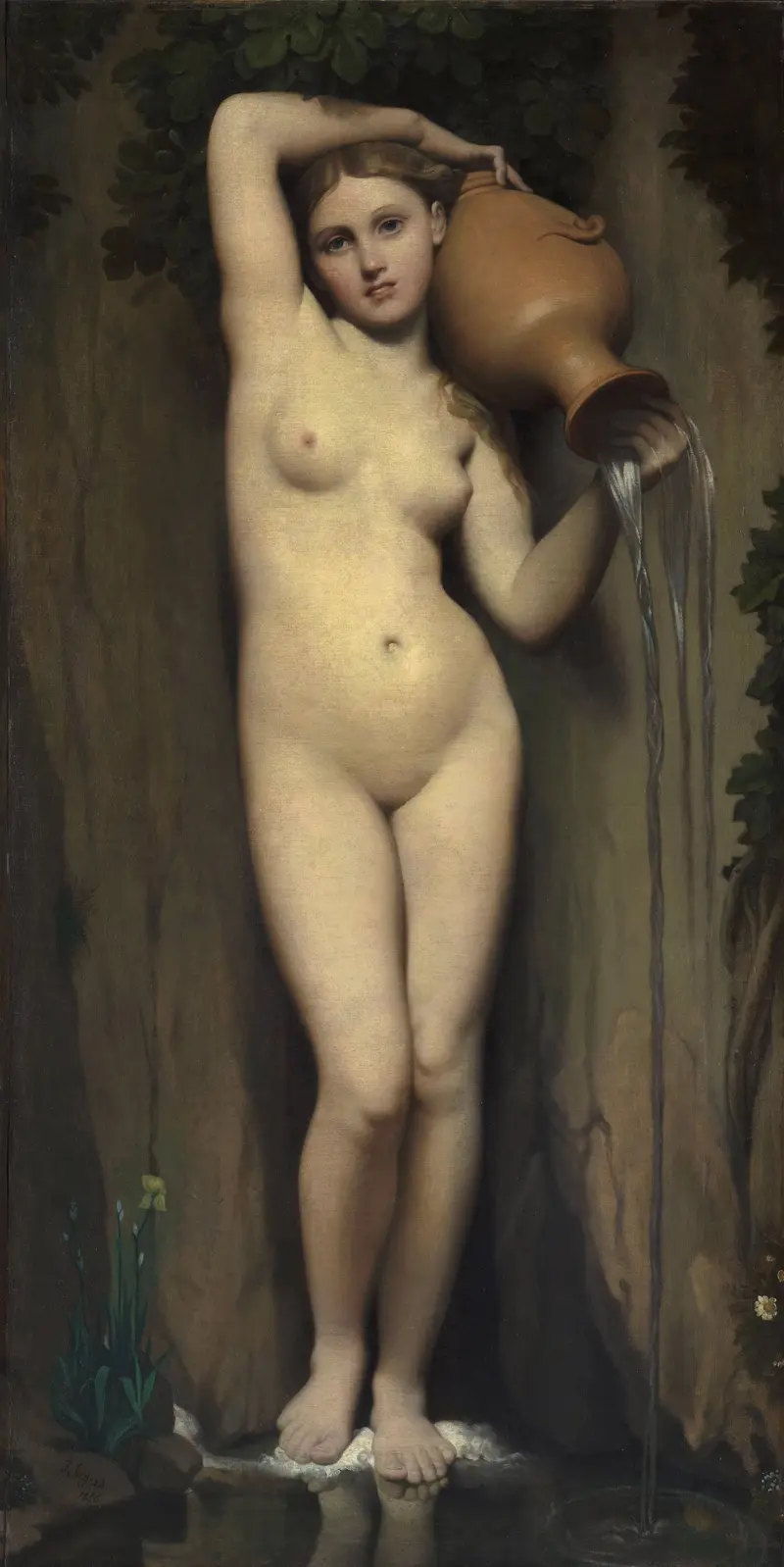
The Source
Jean Auguste Dominique Ingres
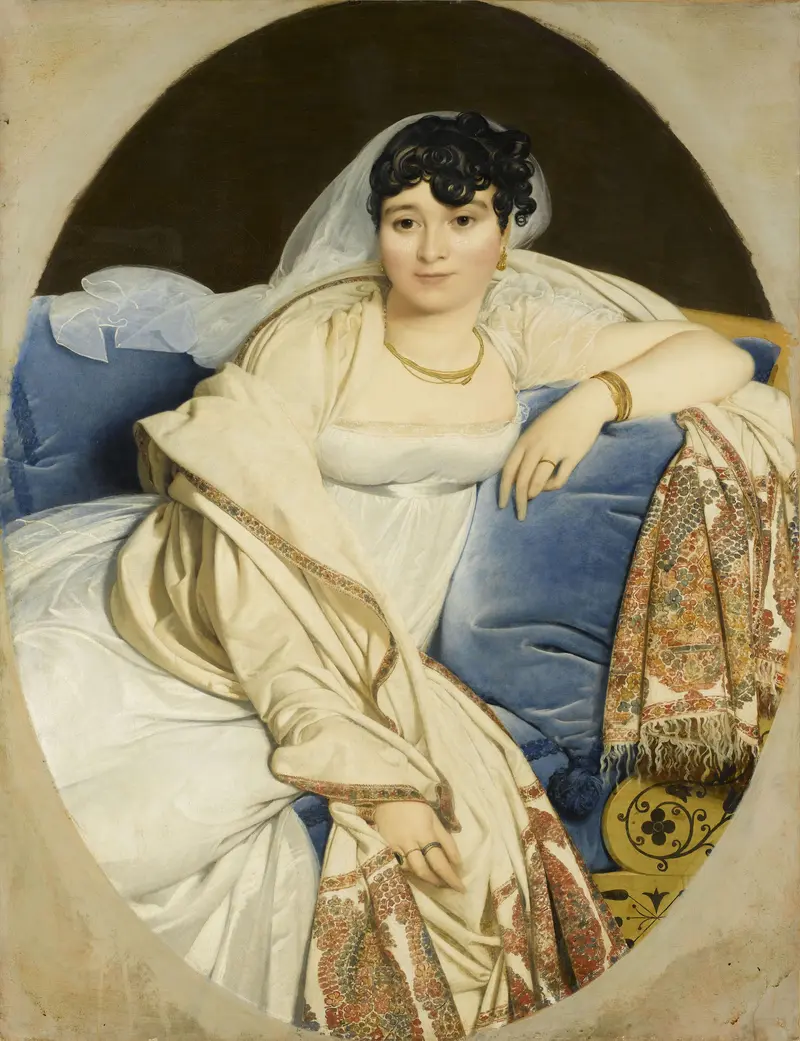
Madame Rivière
Jean Auguste Dominique Ingres

Madame Jean-Auguste-Dominique Ingres, née Madeleine Chapelle
Jean Auguste Dominique Ingres

Portrait of a Lady
Jean Auguste Dominique Ingres
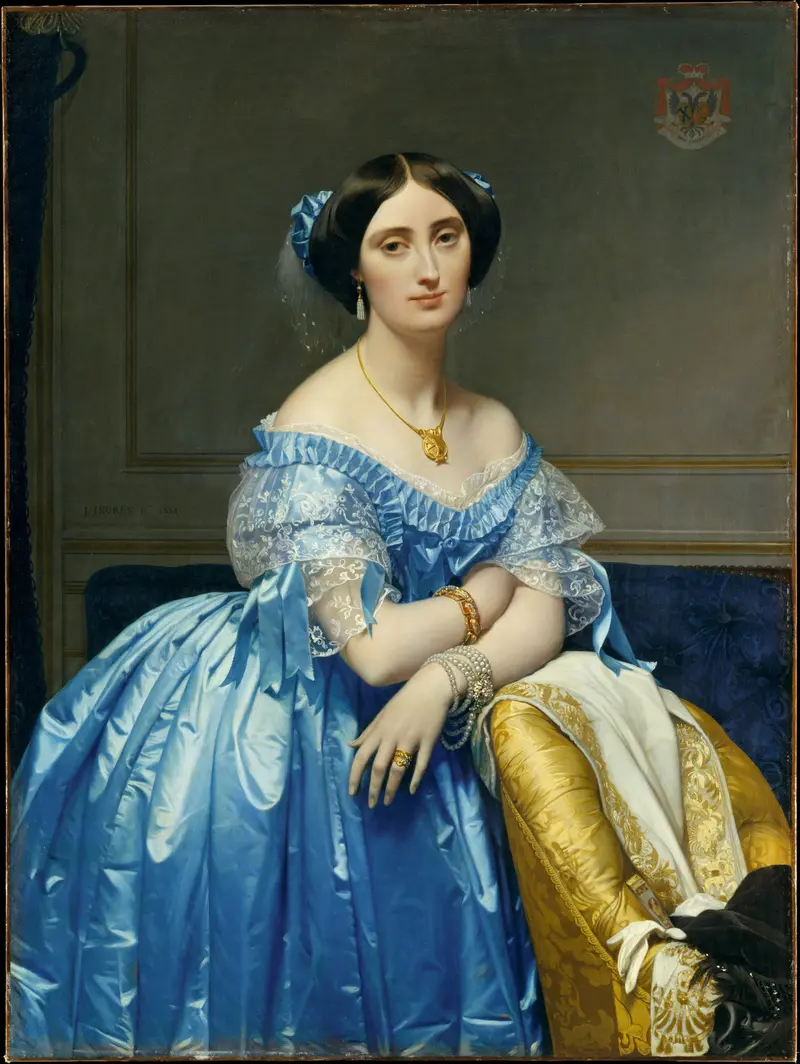
Joséphine-Éléonore-Marie-Pauline de Galard de Brassac de Béarn (1825–1860), Princesse de Broglie
Jean Auguste Dominique Ingres
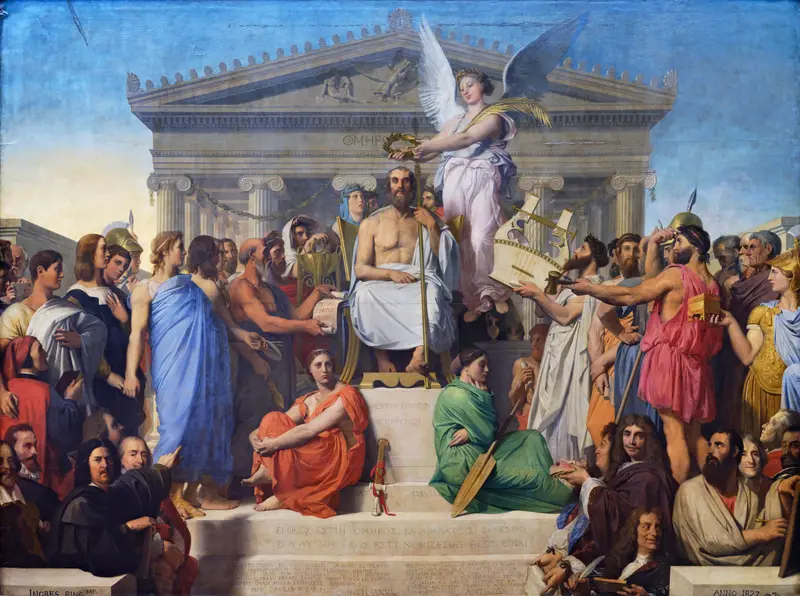
The Apotheosis of Homer
Jean Auguste Dominique Ingres





