
Woman Playing a Lute — History & Facts
When Woman Playing a Lute emerged in 1628, it stood at the crossroads of art and gender: a rare, assertive self-portrait by Artemisia Gentileschi, one of the few women to achieve recognition in the fiercely competitive world of seventeenth-century painting. Scholars still debate whether the musician is a disguised self-image, but the painting’s confident air and direct gaze recall a letter Gentileschi wrote that year, declaring, "I will show Your Illustrious Lordship what a woman can do." The work belongs to a small group of her paintings exploring music and female agency, a theme not often granted to women by her male contemporaries. Its subject and style suggest a commission for a sophisticated patron, perhaps in Florence or Naples, where Gentileschi was active. The painting captures a young woman in the act of playing a lute, her fingers poised mid-chord, her eyes meeting the viewer’s with a mixture of concentration and invitation.
The soft fall of light across her face and hands highlights both her skill and her individuality, while the rich fabrics and musical instrument signal refinement and learning. The lute, a symbol of harmony and intellect, becomes here a tool of self-expression, not mere ornament. Unlike Caravaggio’s famous The Lute Player, where the musician is absorbed in his own world, Gentileschi’s subject asserts her presence, bridging the space between sitter and viewer.
The painting’s realism and psychological depth are hallmarks of the Baroque movement, yet the assertive female gaze is distinctly Gentileschi’s own. The precise early history of Woman Playing a Lute remains uncertain, as is often the case with Gentileschi’s works, many of which were misattributed or overlooked until the twentieth century. It is believed to have been painted during her productive years in Naples, a city that welcomed her talents and where she gained important commissions. Over the centuries, the painting’s attribution was occasionally questioned, but recent scholarship and technical analysis have strengthened its link to Gentileschi.
Today, it stands as a testament to her career-long engagement with themes of female autonomy and artistry, and it continues to inspire new research into her life and legacy.
More Artworks by Artemisia Gentileschi

Judith Beheading Holofernes
Artemisia Gentileschi
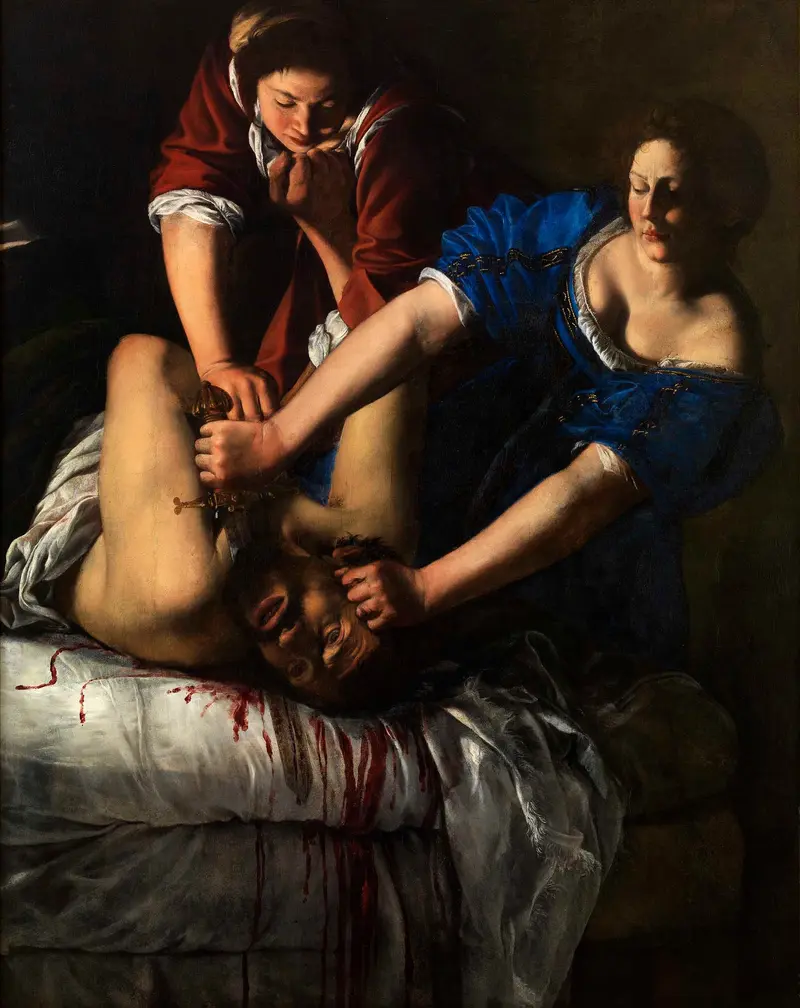
Judith Slaying Holofernes
Artemisia Gentileschi
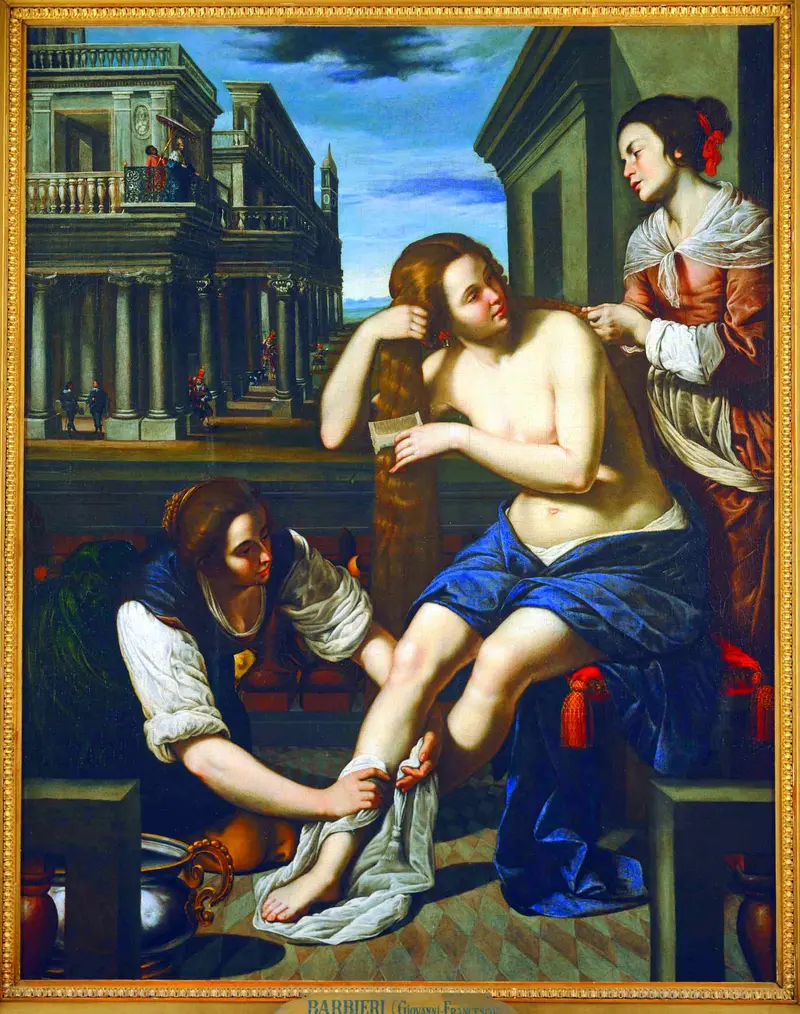
Bathsheba at Her Bath
Artemisia Gentileschi
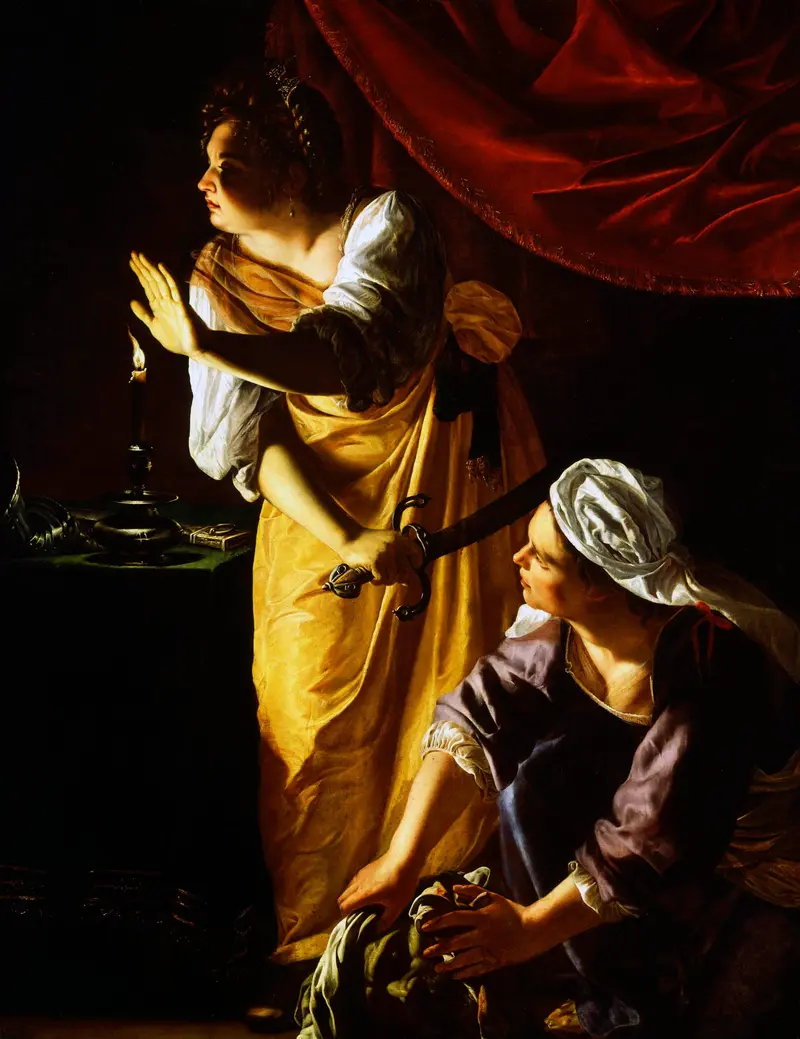
Judith and Maidservant with Head of Holofernes
Artemisia Gentileschi
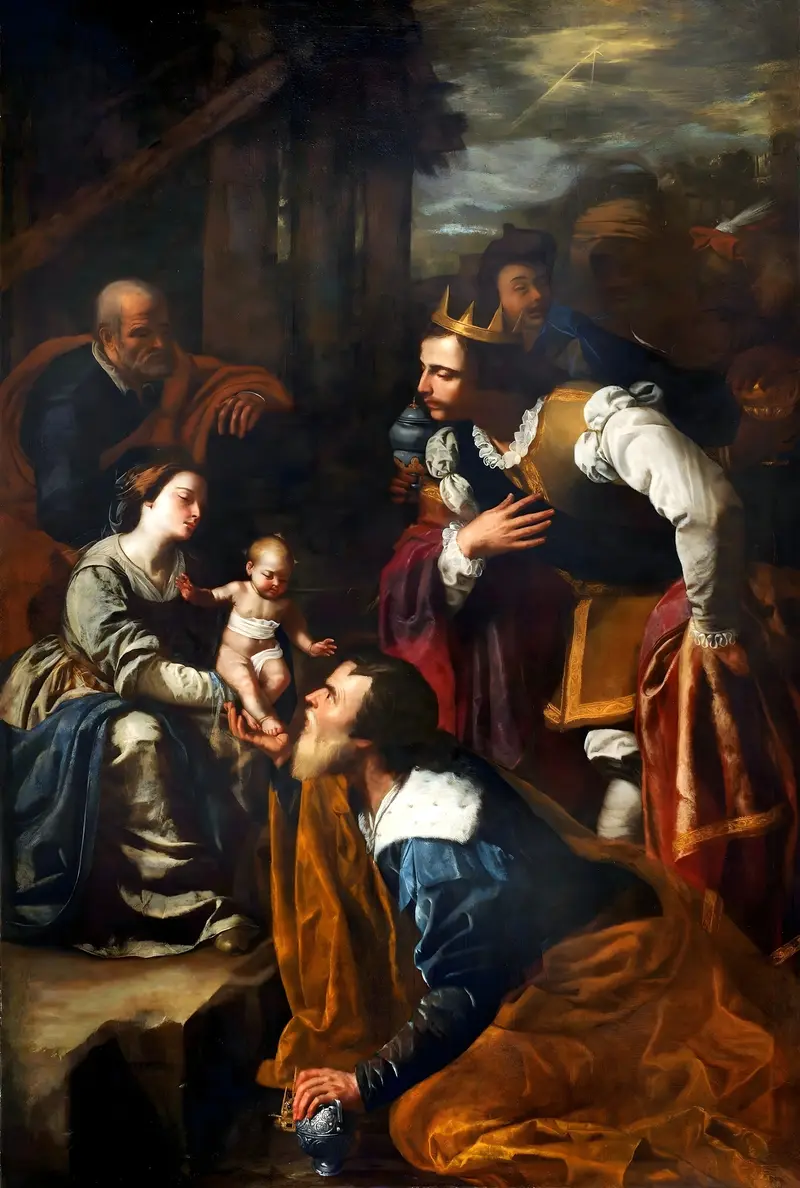
Adoration of the Magi
Artemisia Gentileschi
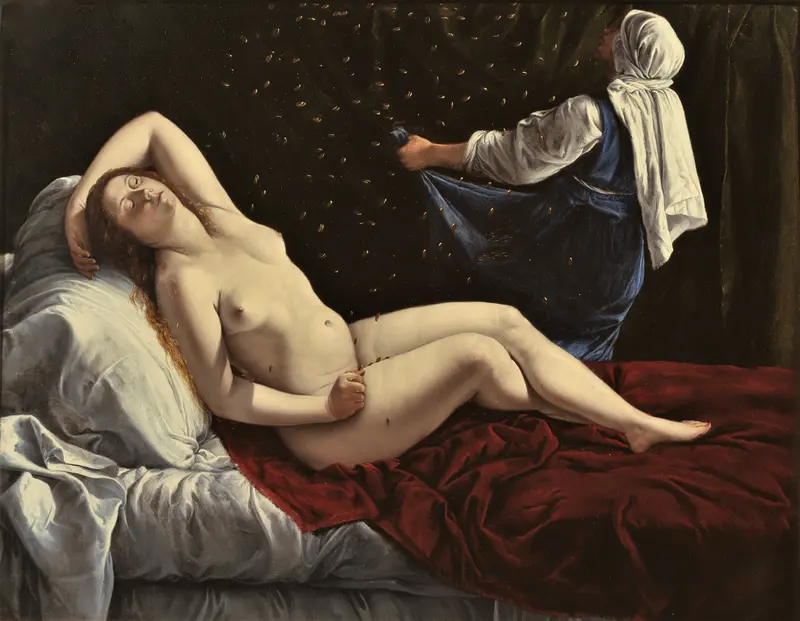
Danaë
Artemisia Gentileschi
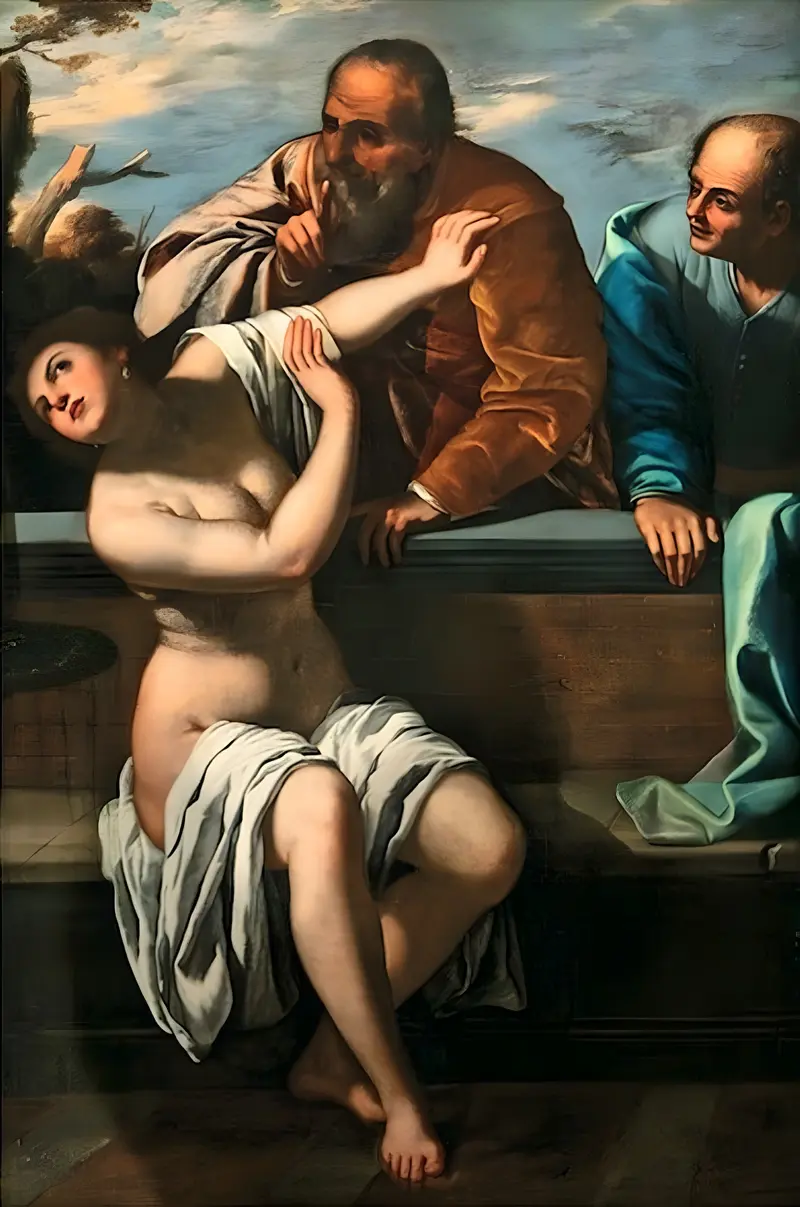
Susannah and the Elders
Artemisia Gentileschi

Judith and her Servant with the Head of Holofernes
Artemisia Gentileschi
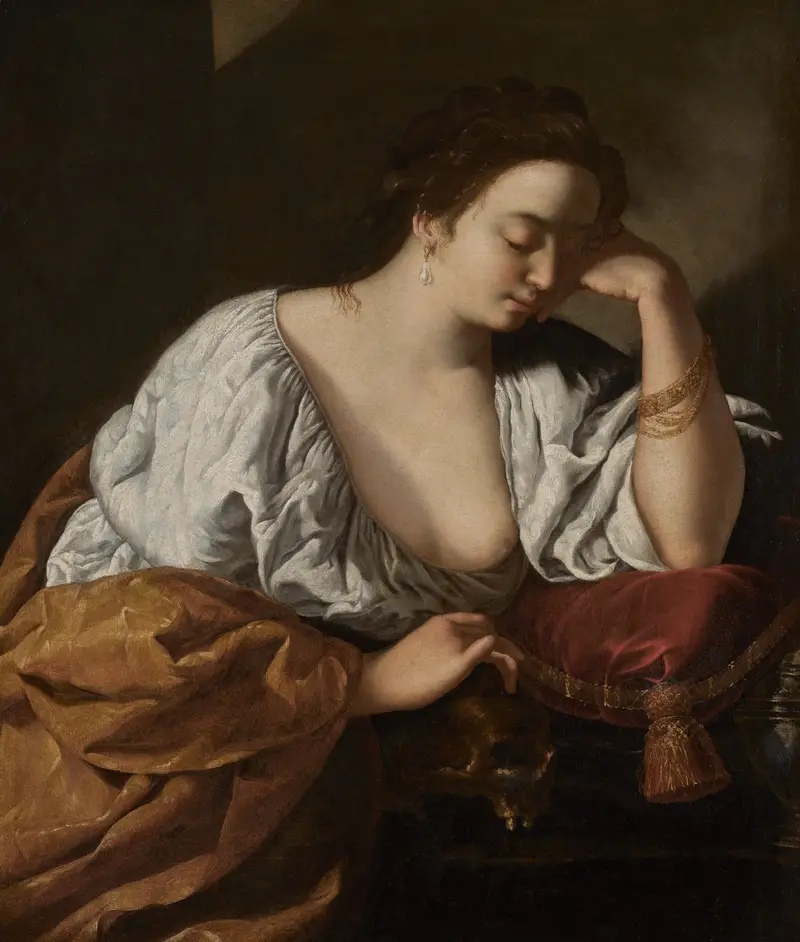
Madeleine pénitente, par
Artemisia Gentileschi
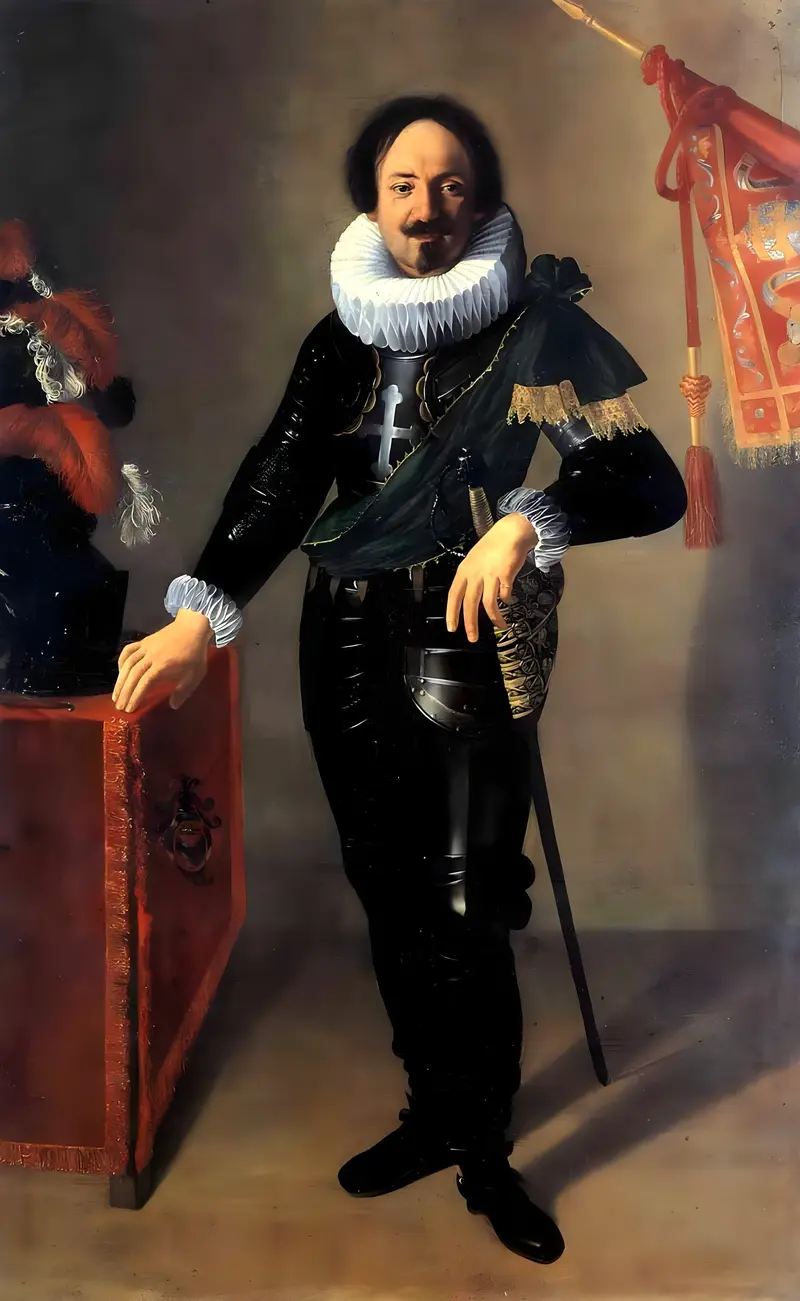
Portrait of a Gonfaloniere
Artemisia Gentileschi





