
Women Carrying Pots for the Tsukuma Festival — History & Facts
When Women Carrying Pots for the Tsukuma Festival appeared in 1881, it marked one of the last known festival scenes by Katsushika Hokusai, painted decades after his celebrated series Thirty-Six Views of Mount Fuji. The work’s date has long intrigued scholars: Hokusai died in 1849, yet the scene is attributed to him in 1881, raising questions about its authorship or whether it is a posthumous homage by a follower. This mystery has fueled debate in Japanese art circles, with some suggesting it may be a rediscovered late work, while others consider it a tribute in Hokusai’s style, created to honor the master’s enduring influence. The picture captures a moment of ritual and community: women, dressed in festival garments, balance water pots on their heads as they process through a village path, their bodies angled with the careful grace of practiced movement.
The Tsukuma Festival, held each spring, celebrates the renewal of water and fertility, and the pots symbolize both the burdens and blessings of daily life. Hokusai’s attention to the rhythmic sway of fabric and the interplay of color and gesture draws the eye along the procession, echoing the dynamic lines seen in his earlier prints. Unlike Utamaro’s intimate portraits of women, which focus on individual beauty, this scene is communal, emphasizing shared tradition over personal identity. The medium of Women Carrying Pots for the Tsukuma Festival remains uncertain—some suggest ink and color on paper, others propose a rare experiment with mineral pigments.
Its provenance is equally enigmatic: there is no record of an original commission, and the work surfaced in a private Tokyo collection only in the early 20th century. Today, it is considered an important example of late Edo period festival imagery, whether by Hokusai himself or a close disciple. The painting’s ambiguous authorship has not diminished its appeal; rather, it stands as a testament to the ongoing fascination with Hokusai’s legacy and the enduring power of Japanese festival art.
More Artworks by Katsushika Hokusai

The Great Wave off Kanagawa
Katsushika Hokusai
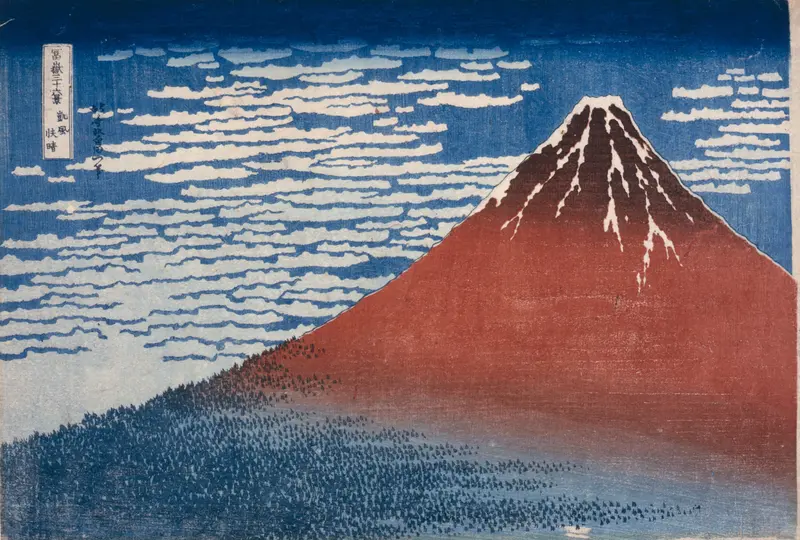
Fine Wind, Clear Morning (Red Fuji)
Katsushika Hokusai
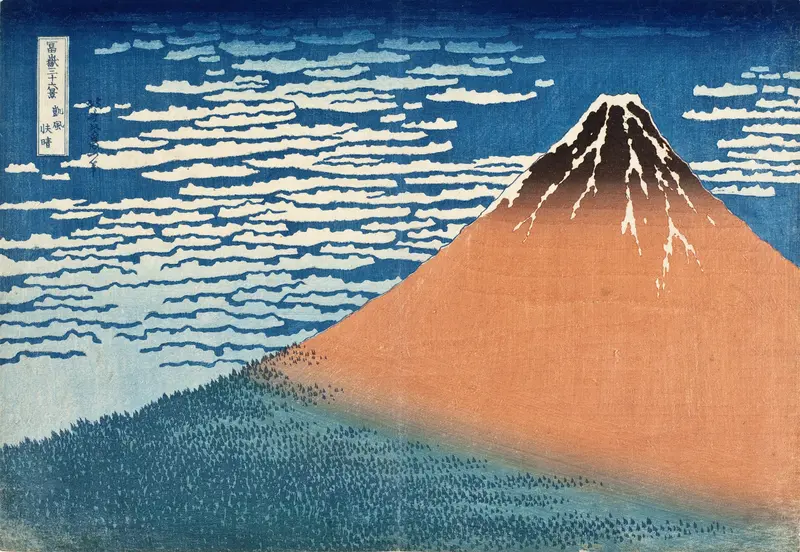
South Wind, Clear Dawn
Katsushika Hokusai
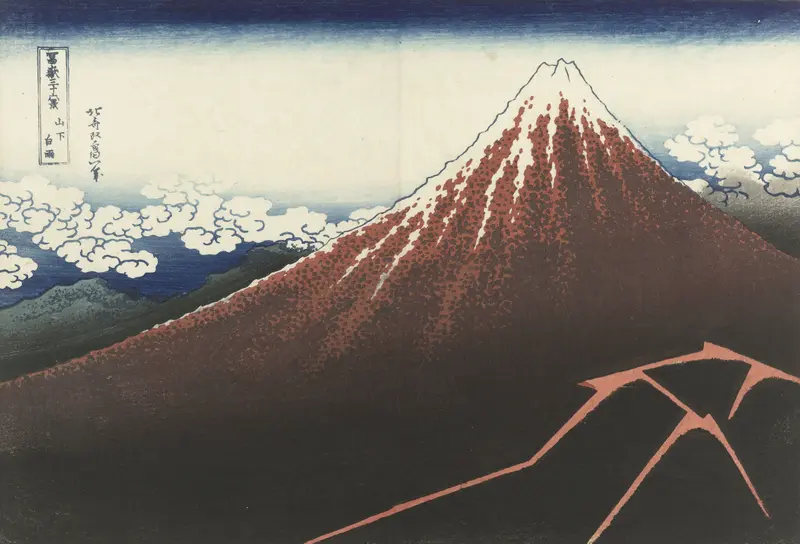
Rainstorm Beneath the Summit
Katsushika Hokusai
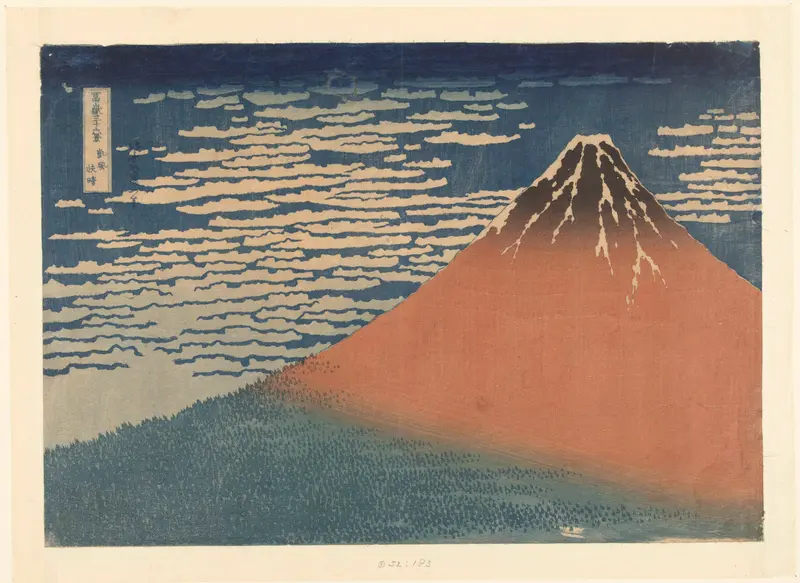
Clear Weather with a Southerly Wind
Katsushika Hokusai
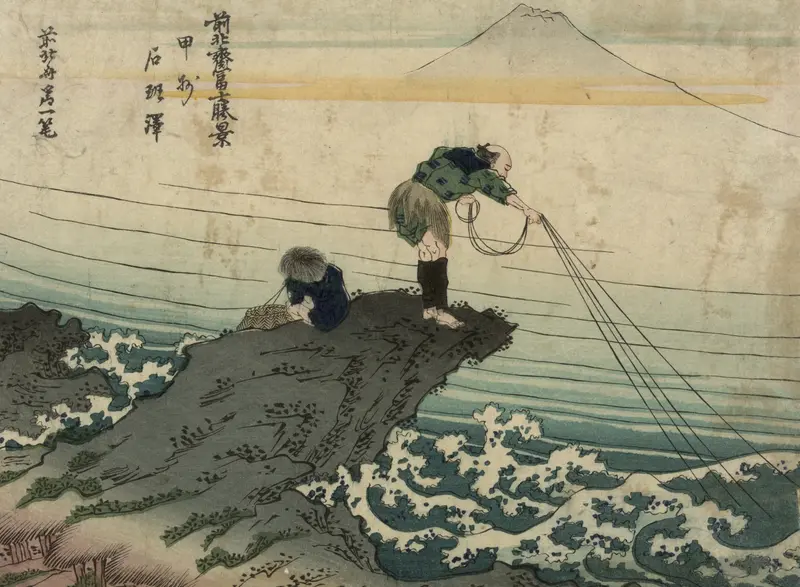
Kōshū kajikazawa
Katsushika Hokusai
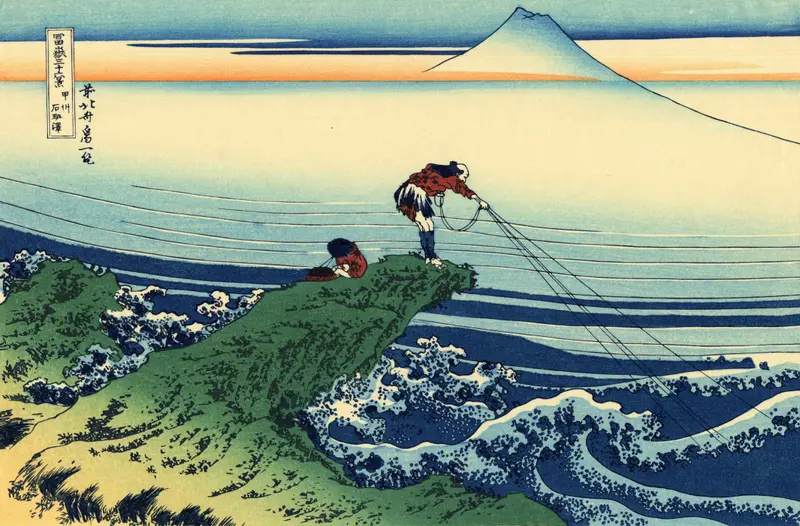
Kōshū kajikazawa 2
Katsushika Hokusai
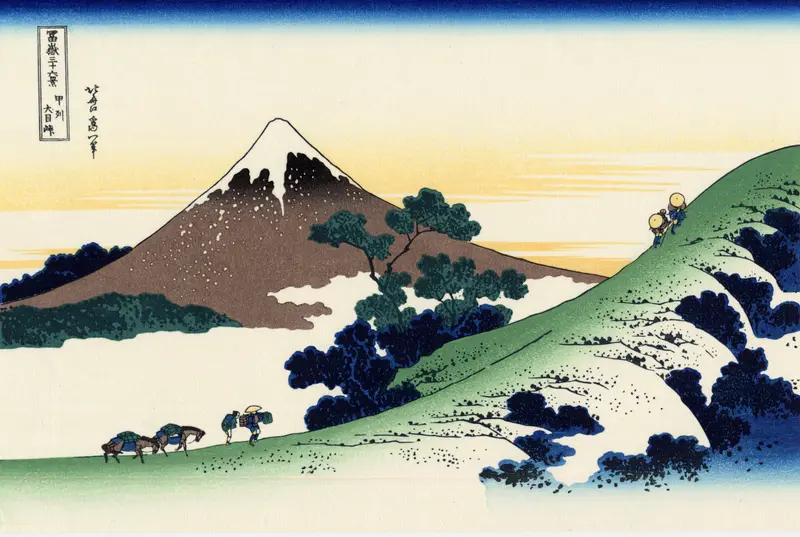
Inume Pass in Kai Province (Kôshû inume-tôge)
Katsushika Hokusai

Yoro Falls in Mino Province (Mino no Yoro no taki), from the series "A Tour of Waterfalls in Various Provinces (Shokoku taki meguri)"
Katsushika Hokusai
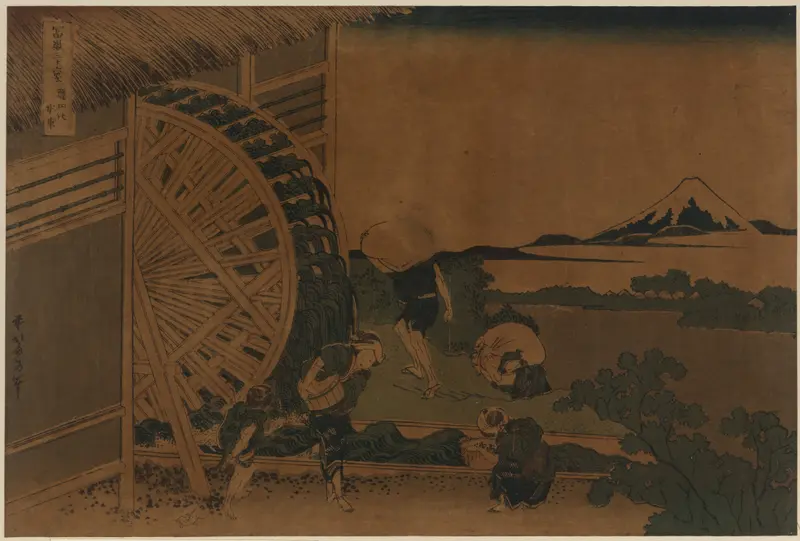
Onden no suisha
Katsushika Hokusai
More Genre Scene Art

Banquet of the Officers of the St George Civic Guard
Frans Hals

Rembrandt and Saskia in the Scene of the Prodigal Son
Rembrandt van Rijn

Bal du moulin de la Galette
Pierre-Auguste Renoir

Quadrille at the Moulin Rouge
Henri de Toulouse-Lautrec

A Burial at Ornans
Gustave Courbet

When Will You Marry?
Paul Gauguin