
Wounded Soldiers in a Cart — History & Facts
In the aftermath of Napoleon’s catastrophic defeat at Waterloo in June 1815, France was flooded with wounded soldiers returning from the front, their suffering a daily spectacle on the streets of Paris. It was in this moment of national trauma that Théodore Géricault, then just 24 years old, turned his eye to the battered survivors of war. Unlike the grand battle scenes favored by official commissions, Wounded Soldiers in a Cart presents not the glory of combat but the grim reality of its consequences, marking a radical shift in how war could be depicted.
This choice placed Géricault at the forefront of a new artistic sensibility that would soon shape the Romantic movement. The painting captures a tense pause as a battered military cart, loaded with wounded men, lurches through a muddy landscape. The central figure, swathed in bandages and slumped in exhaustion, locks eyes with the viewer, his pallor and limp arm underscoring the cost of war. Around him, fellow soldiers—some upright, others barely conscious—cling to the sides of the cart, their uniforms torn and muddied.
The lead horse strains against its harness, its head bowed, while the gloomy sky presses down, mirroring the despair below. Where Jacques-Louis David had once celebrated Napoleonic heroism in works like Napoleon Crossing the Alps, Géricault instead offers an unvarnished meditation on suffering and survival. The exact early history of Wounded Soldiers in a Cart remains uncertain; no formal commission is known, and the medium itself is still debated among scholars. What is clear is that the painting marks a pivotal moment in Géricault's brief but influential career, prefiguring his later masterpiece, The Raft of the Medusa.
Today, the work is rarely displayed and is less well-known than his larger canvases, but it stands as a testament to his commitment to confronting the realities of his time. Its raw honesty and focus on the human cost of war would inspire later artists and help define the visual language of Romanticism.
More Artworks by Théodore Géricault
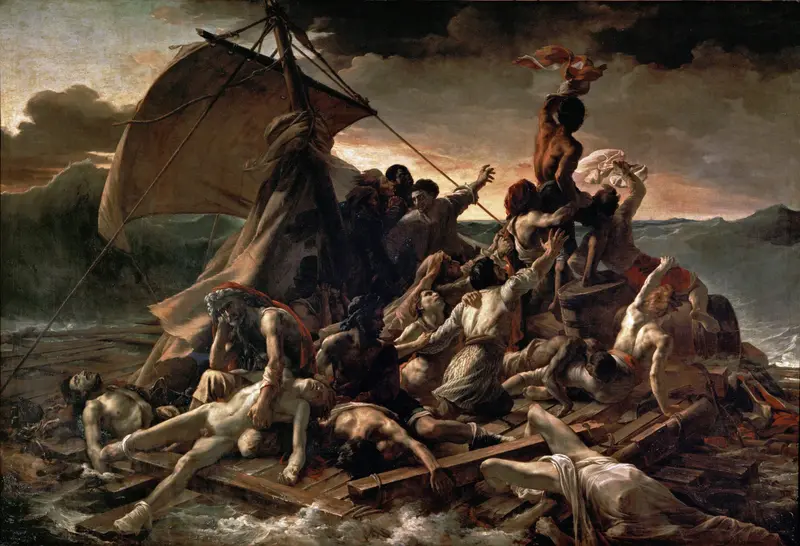
The Raft of the Medusa
Théodore Géricault

Géricault - Le naufrage du radeau de la Méduse, MBA 790
Théodore Géricault
Cattle Market
Théodore Géricault
Evening; Landscape with an Aqueduct
Théodore Géricault
Horse Race
Théodore Géricault

Horses Standing in a Mews
Théodore Géricault
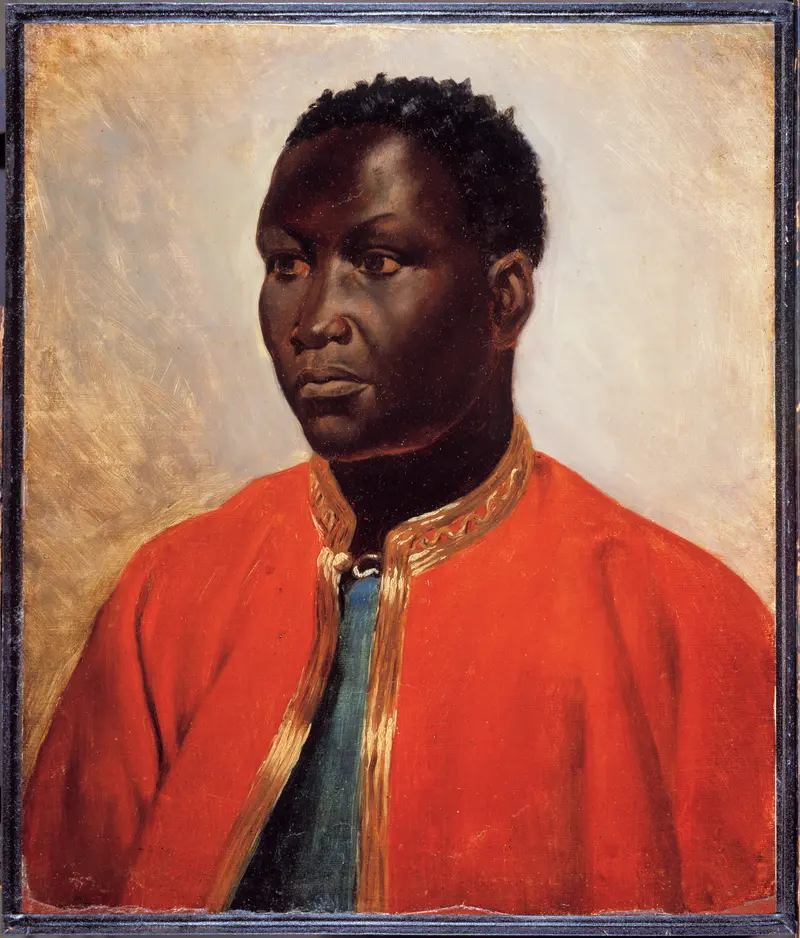
Portrait of a Negro
Théodore Géricault
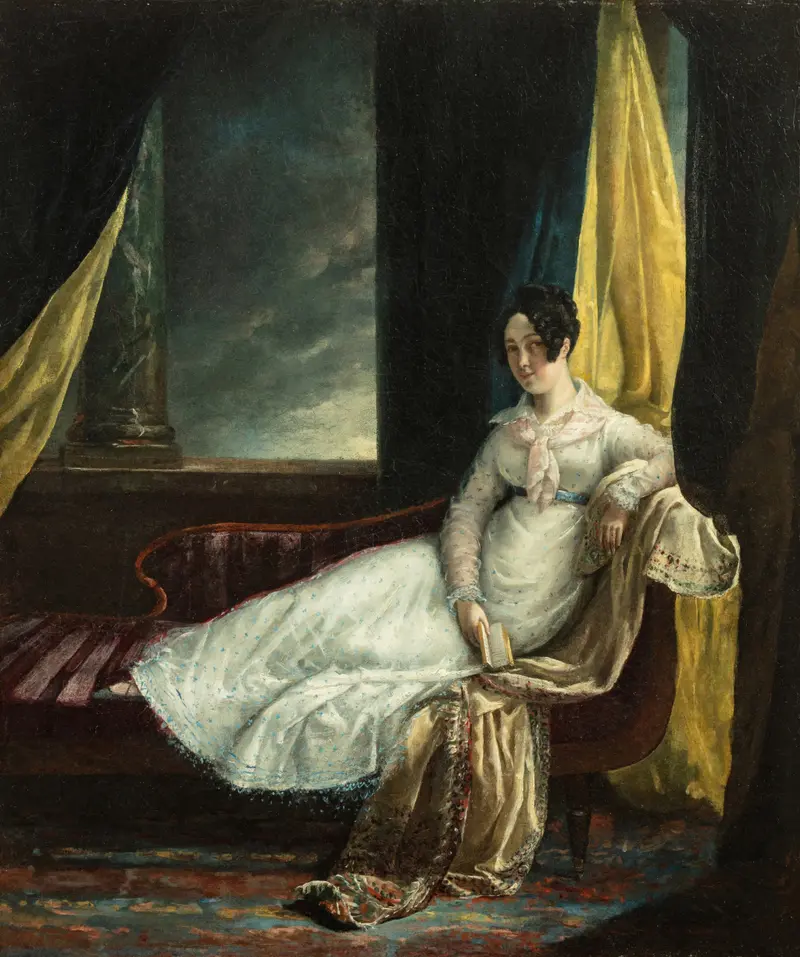
Portrait of Zoë Elmore
Théodore Géricault
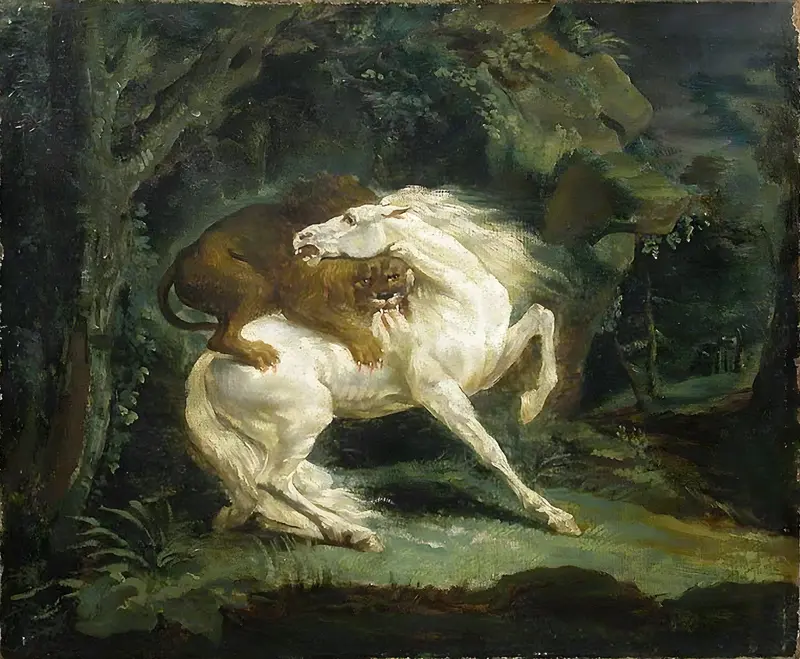
Cheval attaqué par un lion
Théodore Géricault
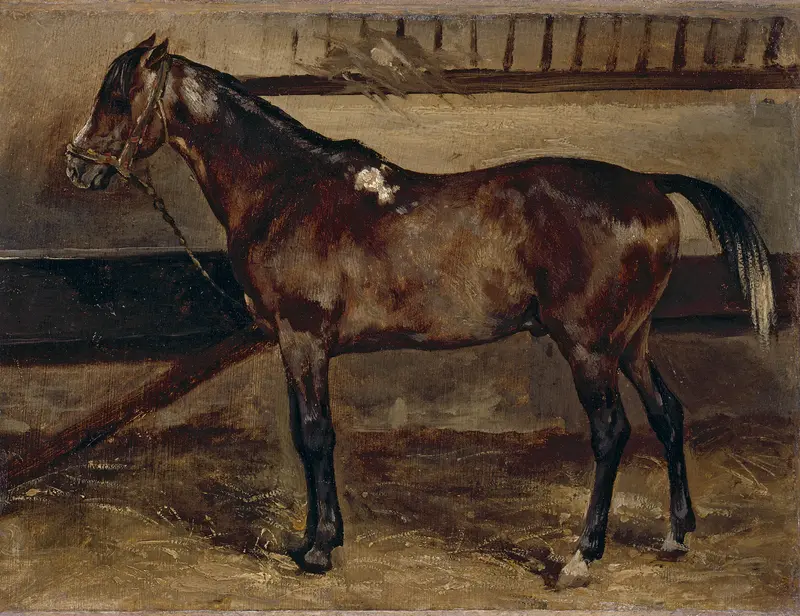
Cheval brun à l'écurie
Théodore Géricault
More Genre Scene Art

Banquet of the Officers of the St George Civic Guard
Frans Hals

Rembrandt and Saskia in the Scene of the Prodigal Son
Rembrandt van Rijn

Bal du moulin de la Galette
Pierre-Auguste Renoir

Quadrille at the Moulin Rouge
Henri de Toulouse-Lautrec

A Burial at Ornans
Gustave Courbet

When Will You Marry?
Paul Gauguin