
Zephyr and Flora — History & Facts
In Zephyr and Flora, vibrant colors dominate the scene, with soft pastels and rich greens creating a lush backdrop. The figures of Zephyr, the god of the west wind, and Flora, the goddess of flowers, are depicted in an intimate embrace. Flora is adorned in a flowing gown, while Zephyr is often shown with delicate wings.
The setting is filled with blooming flowers, enhancing the sense of a springtime celebration. The painting is executed in oil on canvas, showcasing Tiepolo's characteristic lightness and fluidity. The brushwork is dynamic, with swirling forms that suggest movement, particularly in the flowing garments of the figures. The use of light and shadow adds depth, creating a three-dimensional effect that draws the viewer into the scene.
The dimensions are approximately 150 x 200 cm, making it a large and impressive work. Giovanni Battista Tiepolo was a leading figure of the Rococo style, known for his grand compositions and vibrant colors. Zephyr and Flora reflects his ability to blend mythology with a sense of joy and celebration. An interesting fact about this work is that it was originally created as part of a decorative scheme for a palace, showcasing Tiepolo's role in the development of ceiling frescoes and large-scale decorative art.
More Artworks by Giovanni Battista Tiepolo
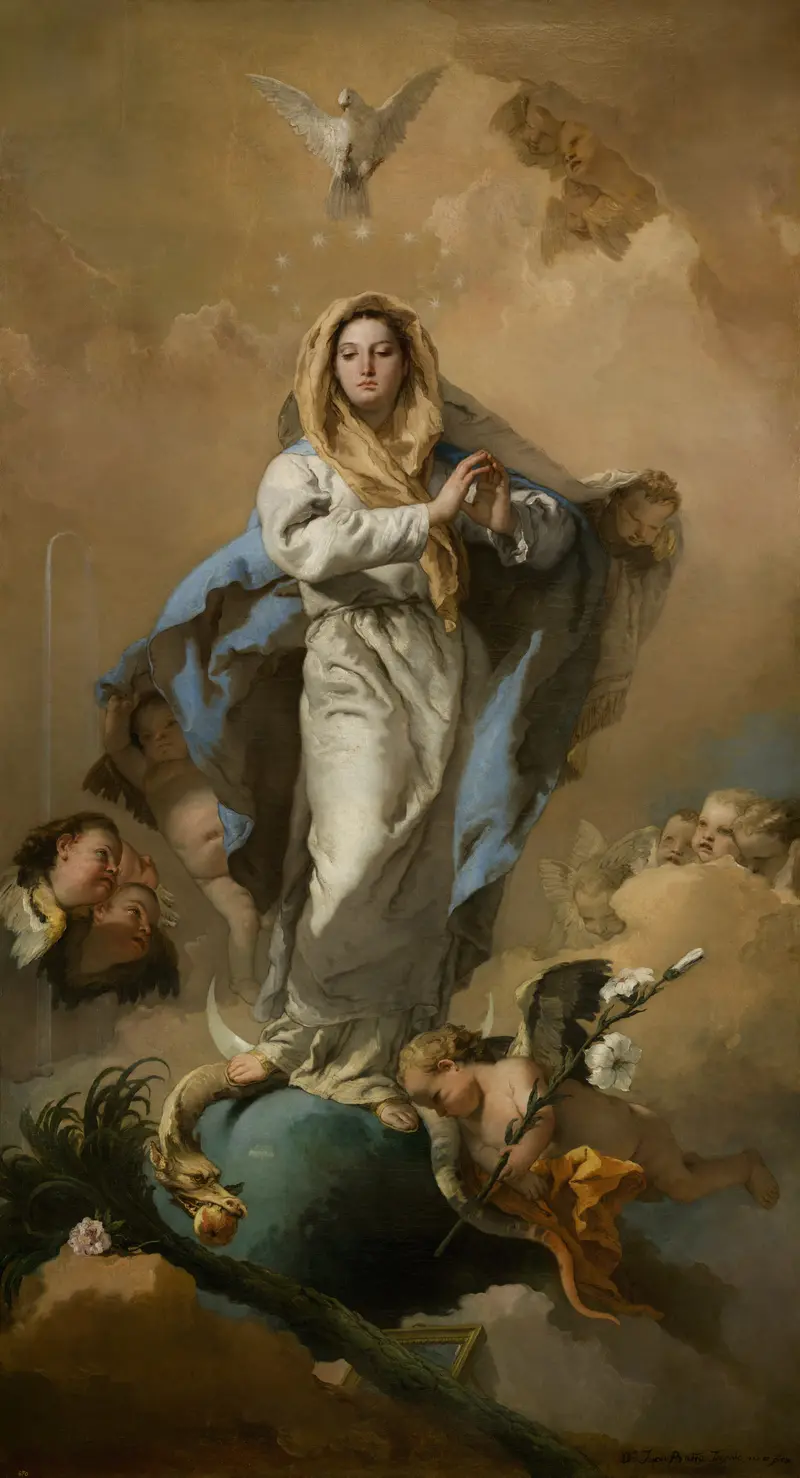
The Immaculate Conception
Giovanni Battista Tiepolo
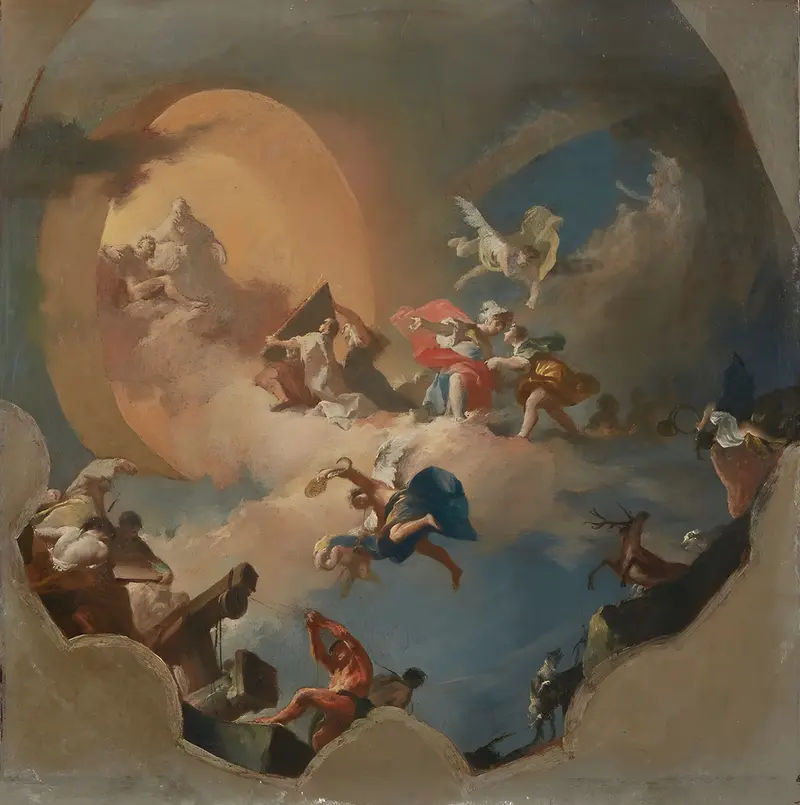
The Apotheosis of the Arts
Giovanni Battista Tiepolo
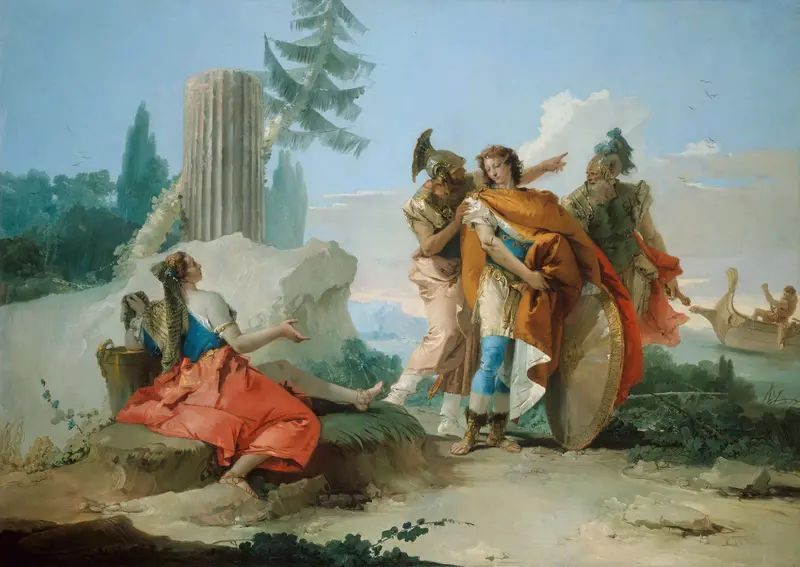
Armida Abandoned by Rinaldo
Giovanni Battista Tiepolo
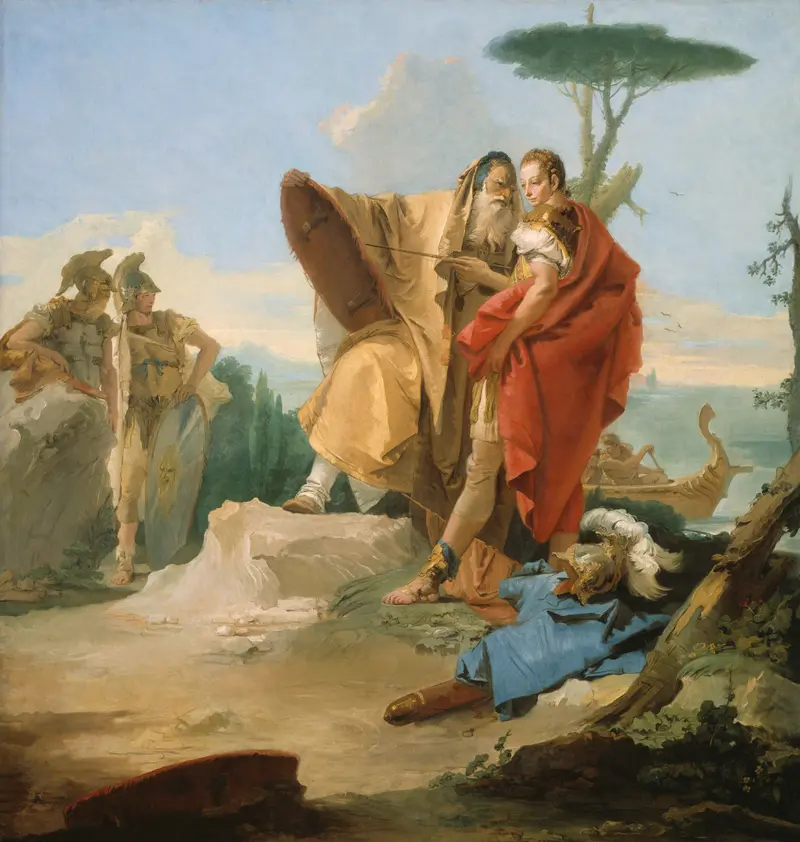
Rinaldo and the Magus of Ascalon
Giovanni Battista Tiepolo
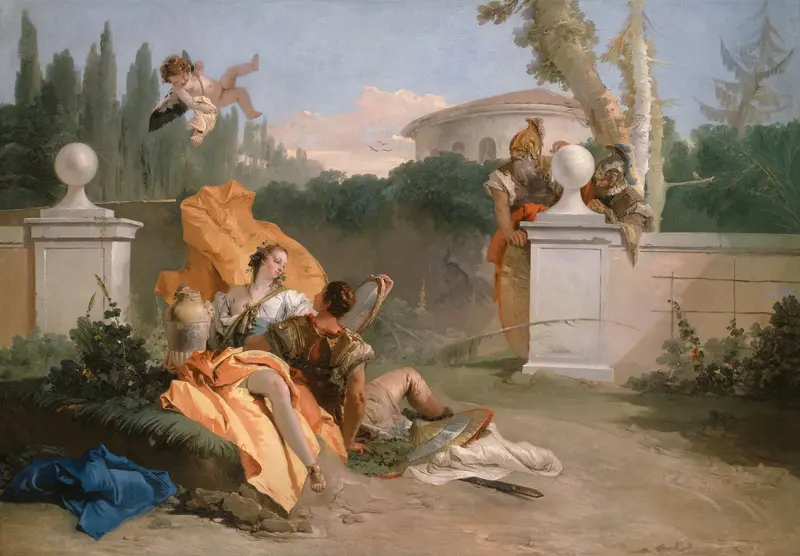
Rinaldo and Armida in Her Garden
Giovanni Battista Tiepolo
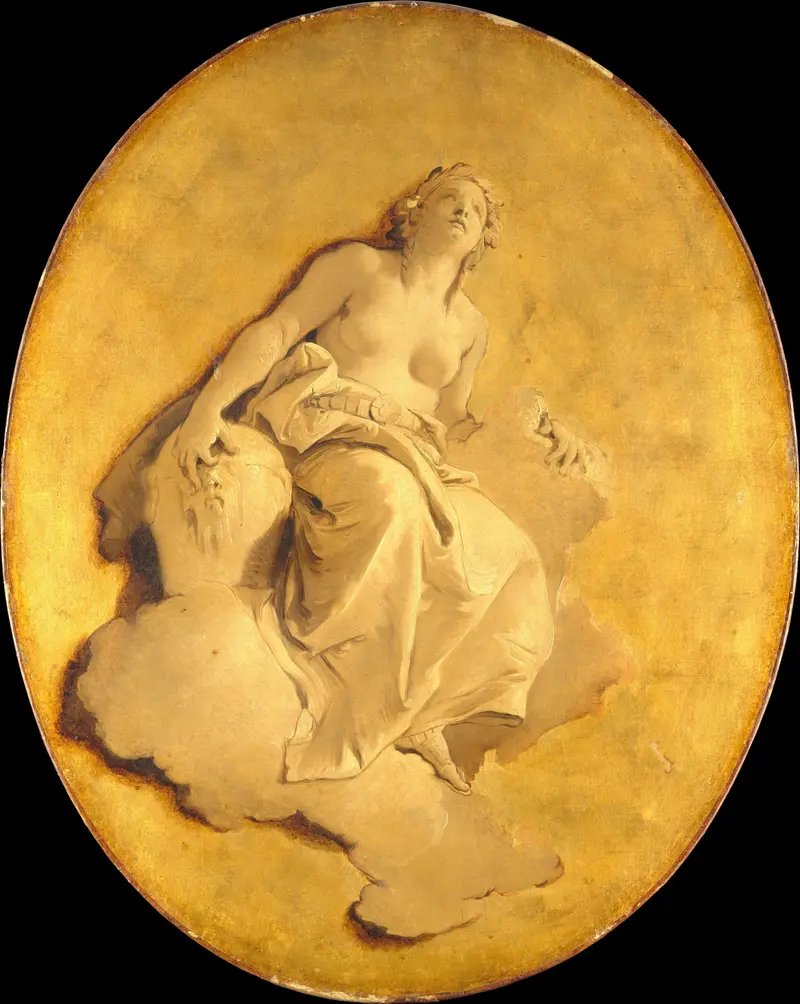
A Female Allegorical Figure
Giovanni Battista Tiepolo
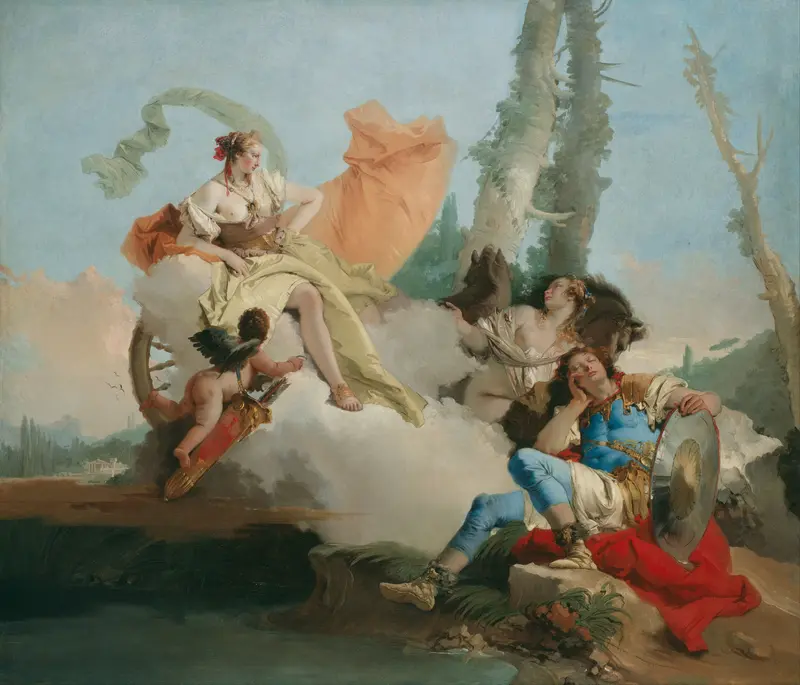
Armida Encounters the Sleeping Rinaldo
Giovanni Battista Tiepolo
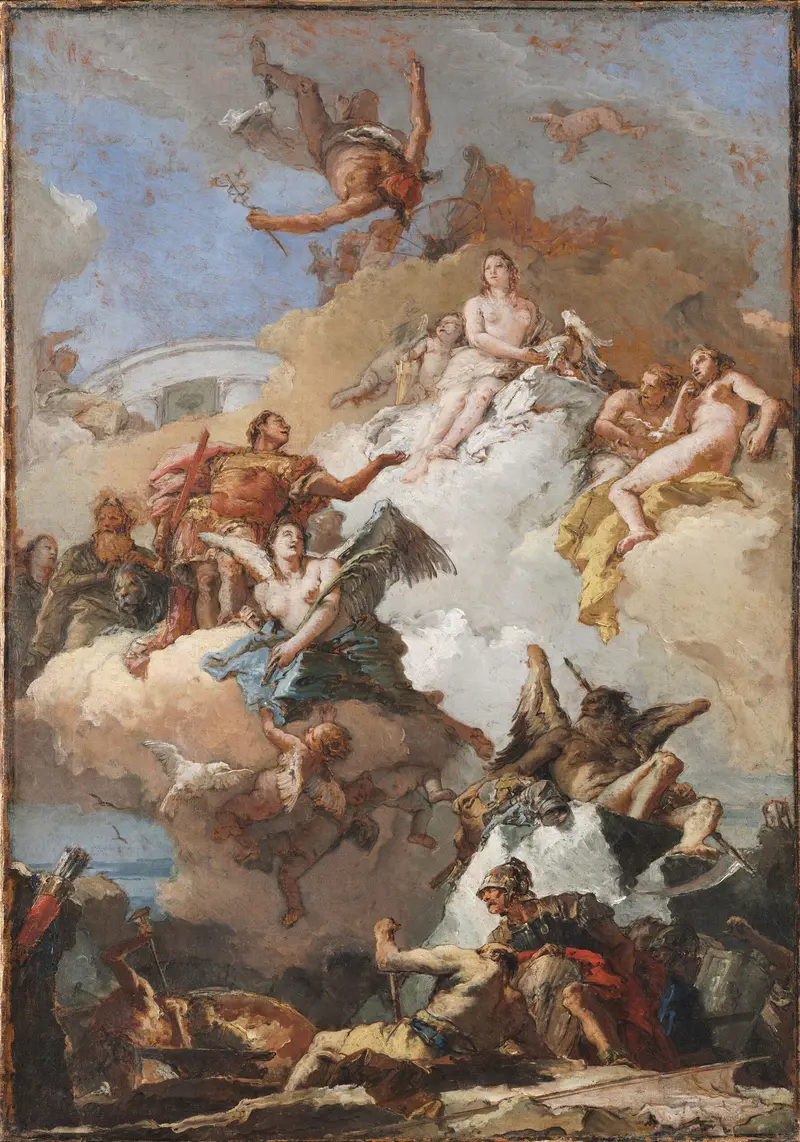
The Apotheosis of Aeneas
Giovanni Battista Tiepolo
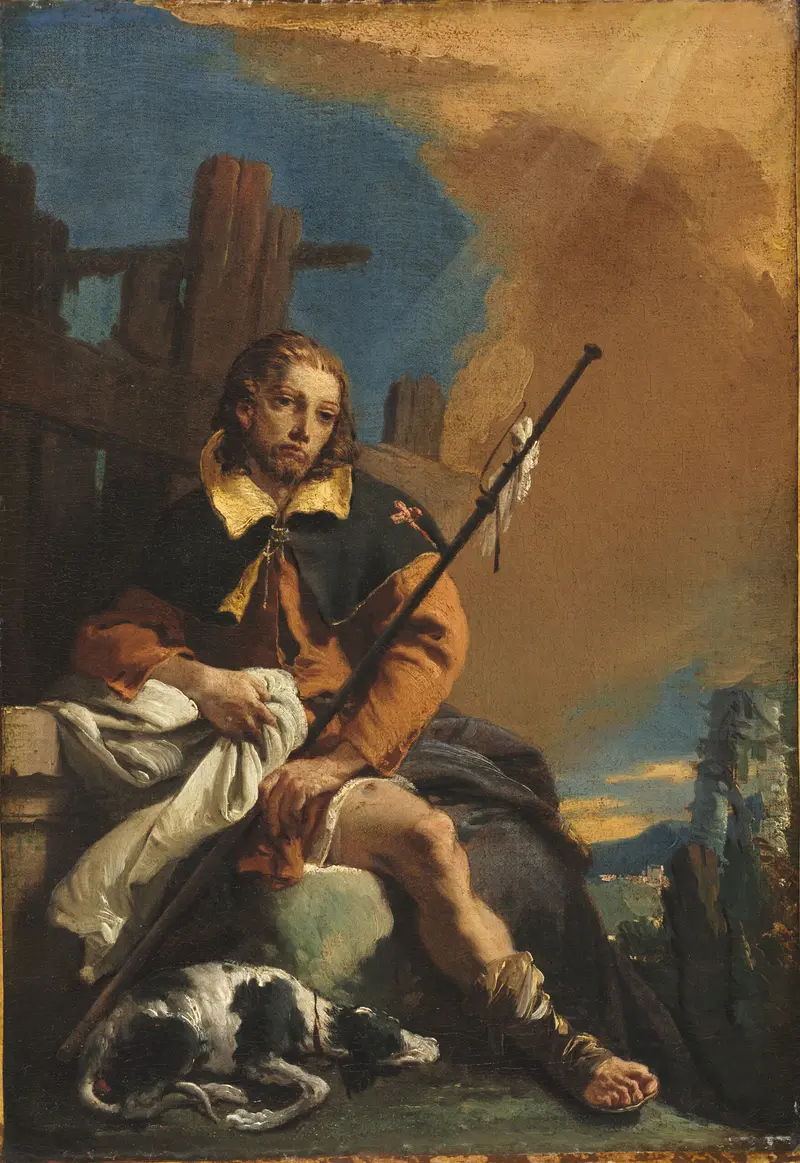
Saint Roch as a Pilgrim
Giovanni Battista Tiepolo
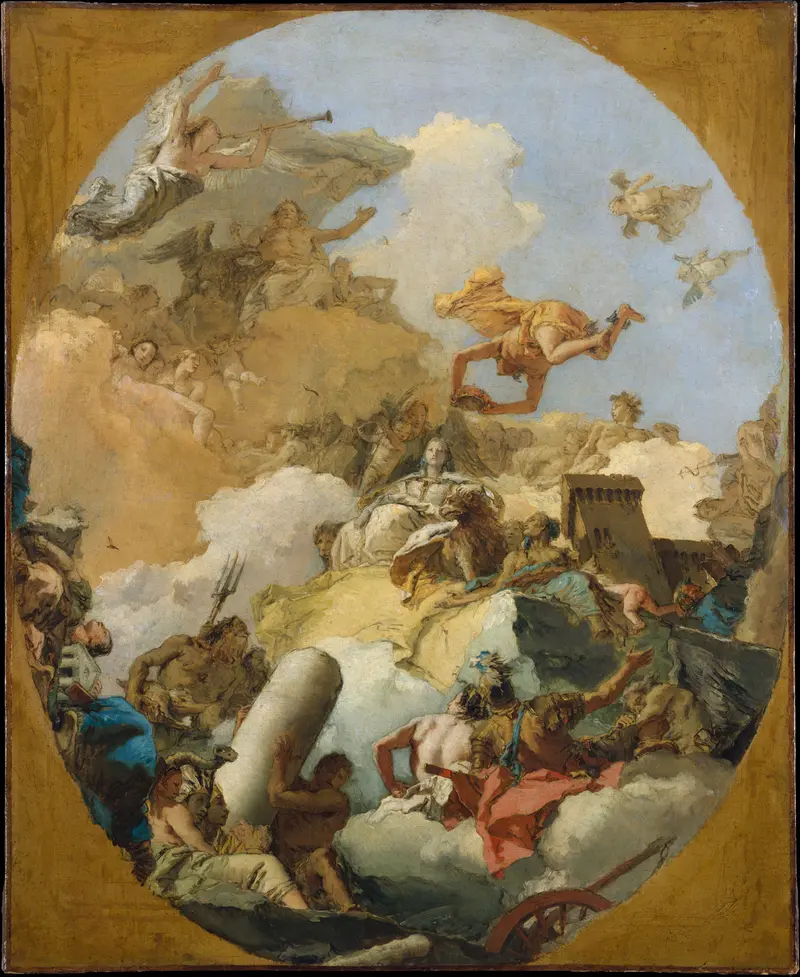
The Apotheosis of the Spanish Monarchy
Giovanni Battista Tiepolo





