
A Sick Child brought into the Temple of Aesculapius — History & Facts
What first catches the eye in A Sick Child brought into the Temple of Aesculapius is the hush that fills the air, as if the marble walls themselves are holding their breath. The painter draws us into a moment of ancient ritual: a family, gathered around a frail child, seeks healing in the presence of a priest. The child, cradled in her mother’s lap, reaches out with a sprig of laurel—an offering or perhaps a plea—while the priest, poised before a smoking brazier, prepares to invoke the god’s favor.
Light spills across the scene, illuminating the pale faces and white robes, while the shadows gather in the temple’s recesses, deepening the sense of solemn expectation. Every gesture is carefully measured: the mother’s protective arm, the kneeling figure’s bowed head, the priest’s raised hand—all speaking of hope, anxiety, and the weight of tradition. Created in 1877, this painting belongs to a world fascinated by the grandeur and mystery of antiquity. The late nineteenth century saw a revival of classical themes, as artists like John William Waterhouse used scenes from ancient Greece and Rome to explore universal emotions—devotion, vulnerability, and the longing for miracles.
Such works were often commissioned or collected by those who sought to align themselves with the ideals of beauty and wisdom that classical civilization represented. Though history has kept few traces of this particular canvas beyond its date and its place in a private online collection, its careful composition and luminous palette invite us to linger, imagining the lives and hopes of those who once believed in the healing power of gods. Look again at the child’s outstretched hand, and the silent promise of the priest’s ritual—here, the ancient past feels close enough to touch.
More Artworks by John William Waterhouse
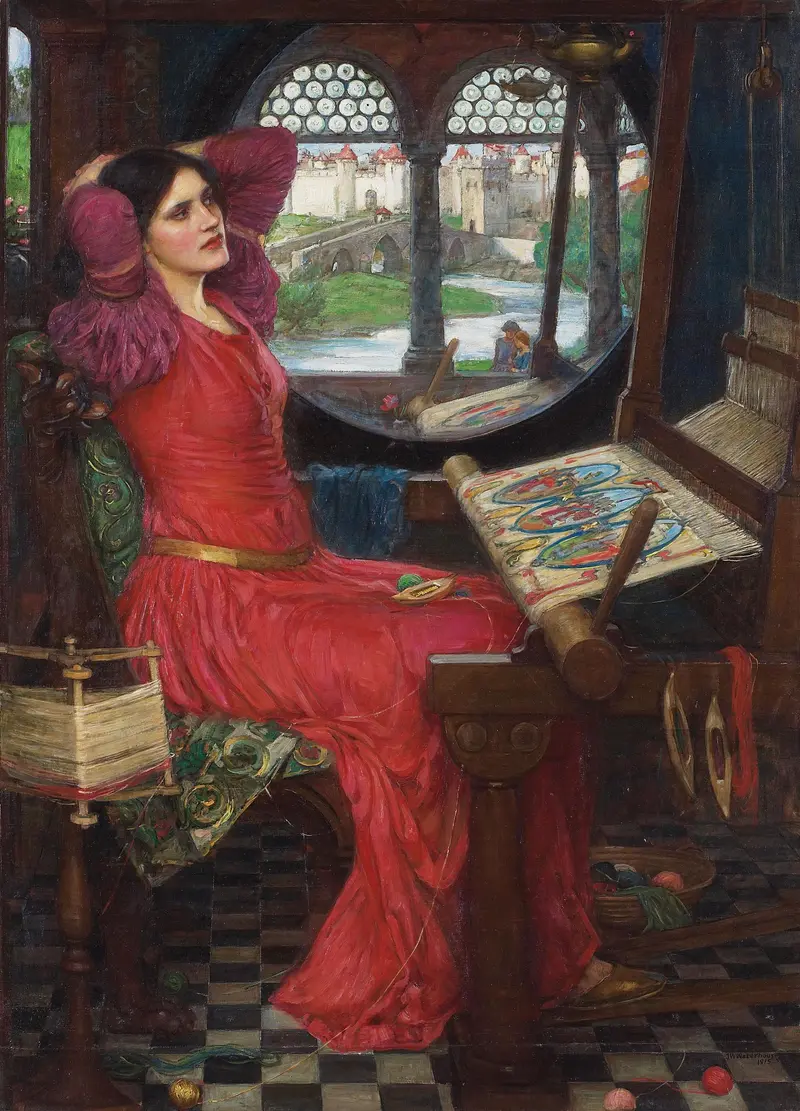
'I Am Half-Sick of Shadows,' Said the Lady of Shalott
John William Waterhouse

The Favourites of the Emperor Honorius, 1883
John William Waterhouse
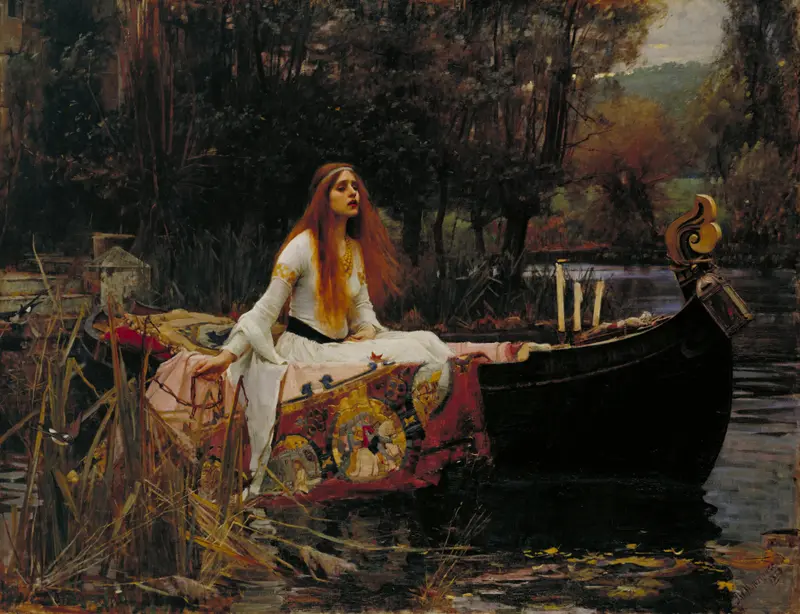
The Lady of Shalott
John William Waterhouse
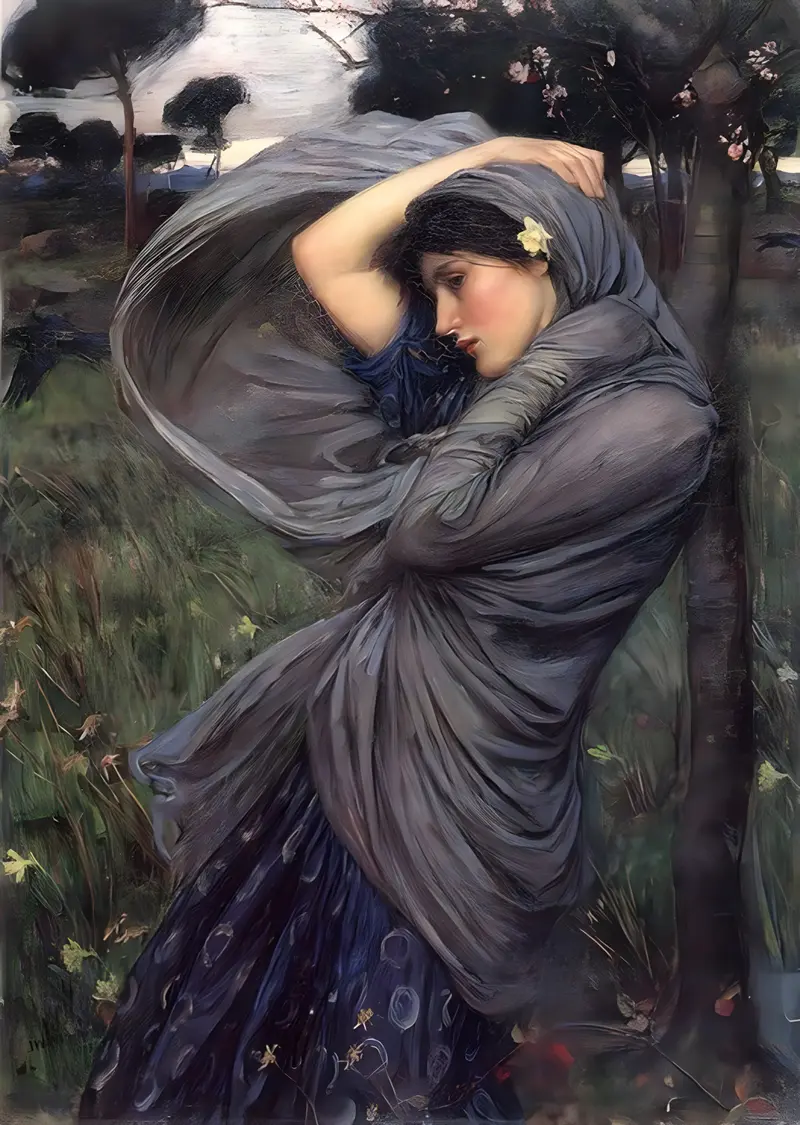
Boreas
John William Waterhouse
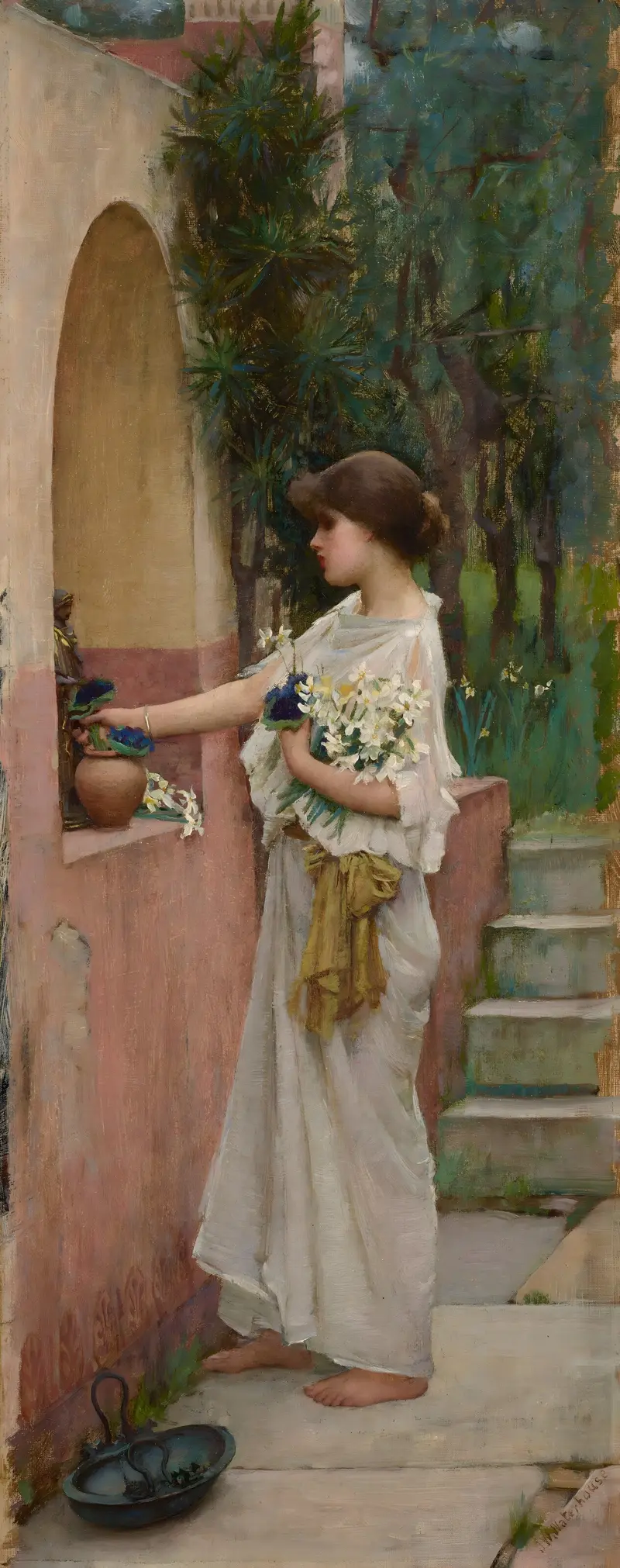
A Roman Offering
John William Waterhouse
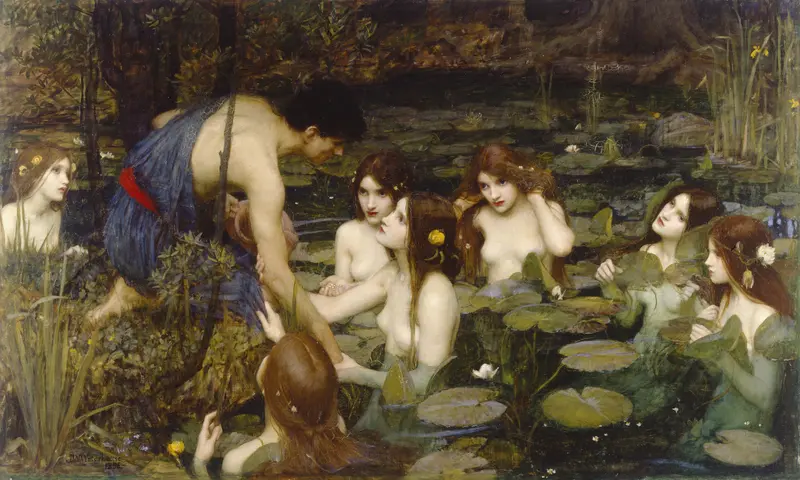
Hylas and the Nymphs
John William Waterhouse
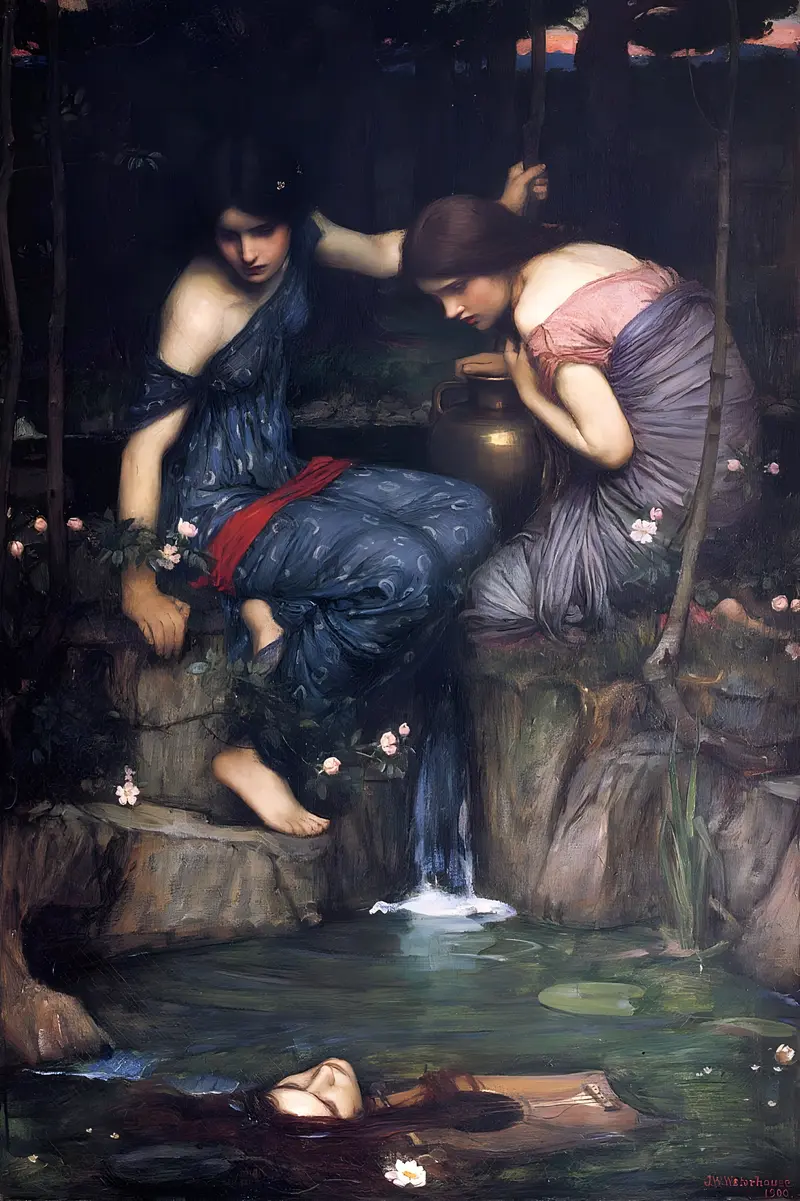
Nymphs Finding the Head of Orpheus
John William Waterhouse
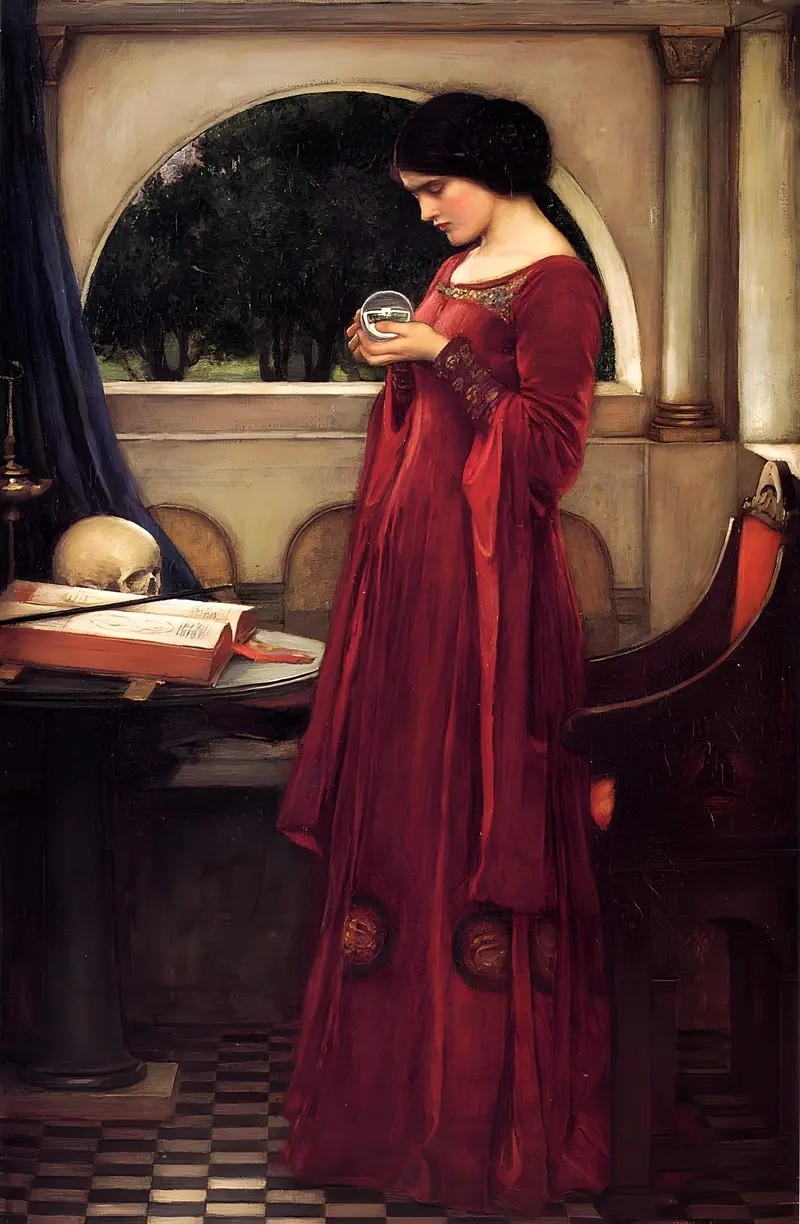
The Crystal Ball
John William Waterhouse
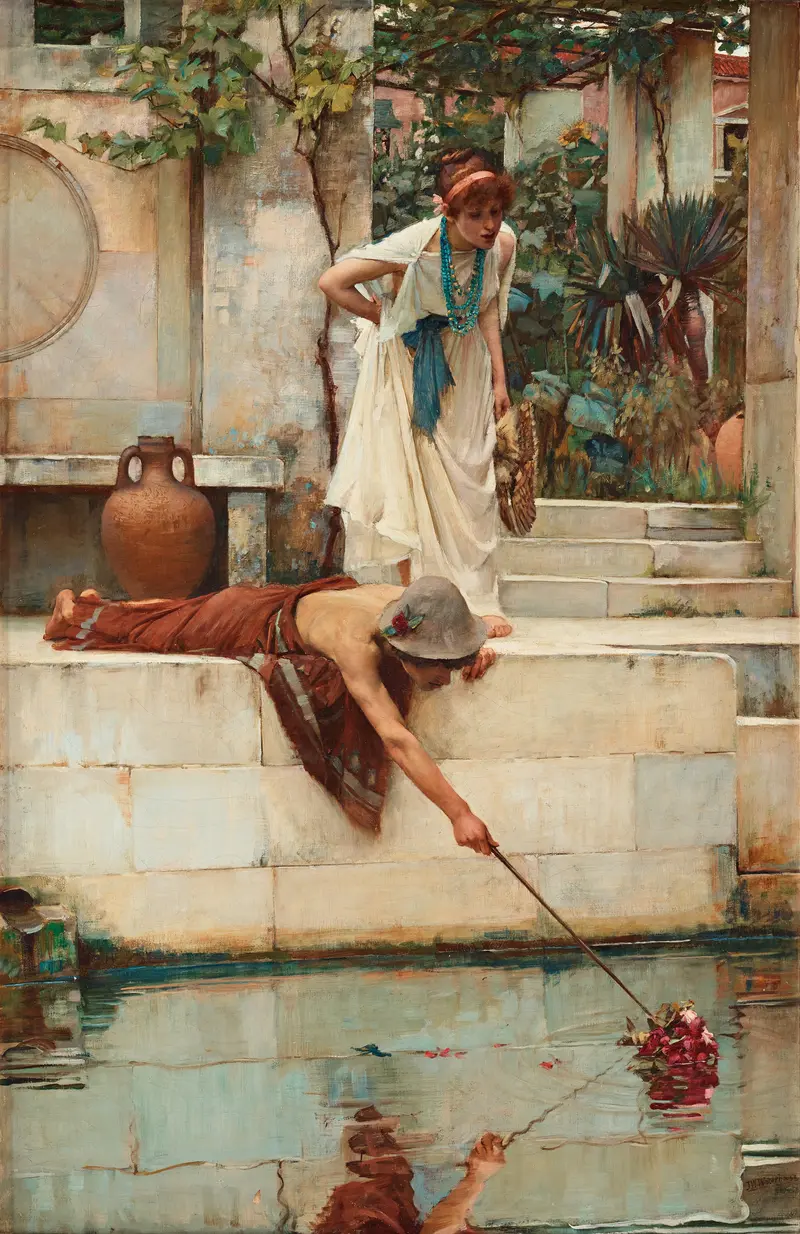
The Rescue
John William Waterhouse
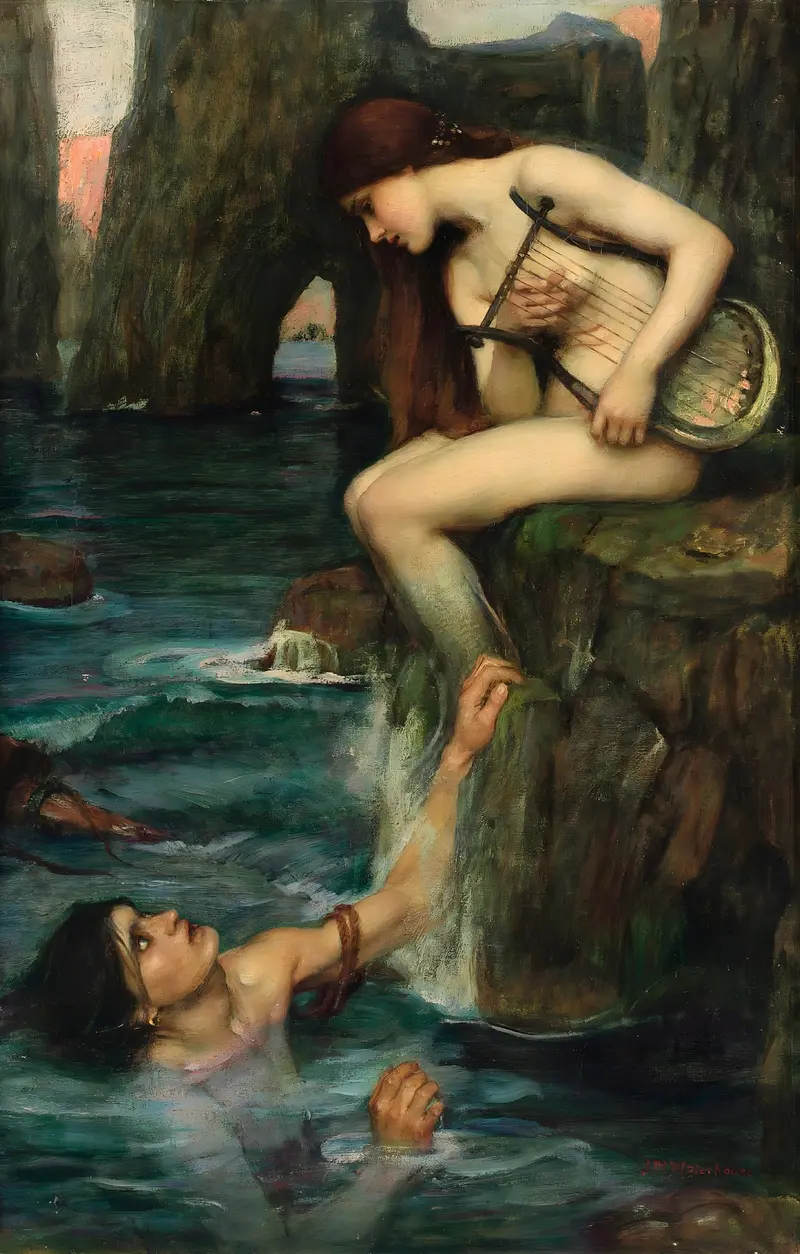
The Siren, 1900
John William Waterhouse
More Genre Scene Art

Banquet of the Officers of the St George Civic Guard
Frans Hals

Rembrandt and Saskia in the Scene of the Prodigal Son
Rembrandt van Rijn

Bal du moulin de la Galette
Pierre-Auguste Renoir

Quadrille at the Moulin Rouge
Henri de Toulouse-Lautrec

A Burial at Ornans
Gustave Courbet

When Will You Marry?
Paul Gauguin