
A Sleeping Odalisque — History & Facts
When Jean Auguste Dominique Ingres unveiled A Sleeping Odalisque in 1835, he reignited a Parisian fascination with the harem fantasy—a theme that had already sparked both admiration and controversy in French salons. Unlike his earlier, more famous odalisques, this work is notable for its intimate scale and languid pose, which some contemporaries found shockingly sensual. The painting’s subject, a reclining woman in imagined Eastern garb, was at the heart of 19th-century debates about Orientalism and the Western gaze.
Critics were divided: some praised Ingres for his technical precision, while others accused him of indulging in exotic stereotypes. At the center of the canvas, the odalisque lies draped across a divan, her back turned to the viewer, her form outlined in cool, pearly light. The silk of her robe pools around her hips, and a delicate chain encircles her ankle—a detail that hints at both luxury and captivity. Ingres chooses the moment of deepest sleep, when the figure is most vulnerable, inviting the viewer into a private, imagined world.
The languorous pose and elongated proportions recall his earlier Grande Odalisque, but here the mood is quieter, the palette softer. Where Eugène Delacroix filled his harem scenes with riotous color and drama, Ingres’s approach is one of restraint and clarity, focusing the eye on the purity of line and the tactile quality of flesh and fabric. The precise early history of A Sleeping Odalisque is unclear; it may have been painted for a private collector or as a studio exploration of a theme that fascinated Ingres throughout his career. The painting’s medium is not definitively recorded, though Ingres was known to work both in oil and on paper.
Unlike some of his grand commissions, this work remained relatively obscure, surfacing occasionally in sales and exhibitions before entering a public collection. Today, it stands as a testament to Ingres’s lifelong preoccupation with the female form and the imagined Orient—a quieter, more introspective counterpoint to his celebrated public portraits and mythological scenes.
More Artworks by Jean Auguste Dominique Ingres
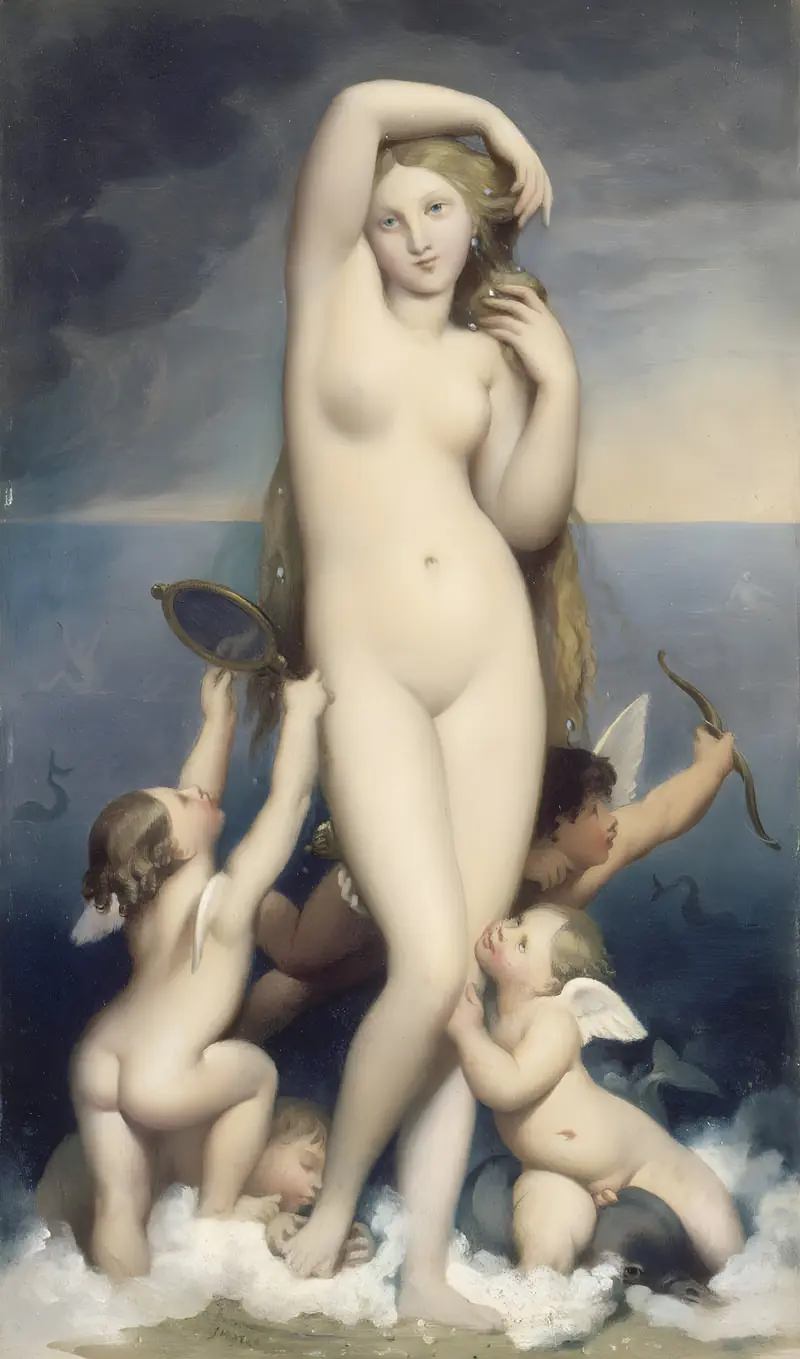
Vénus anadyomène
Jean Auguste Dominique Ingres
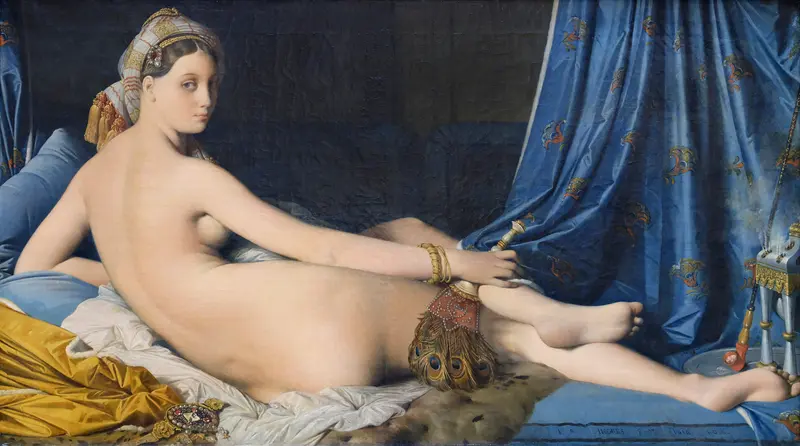
Grande Odalisque
Jean Auguste Dominique Ingres
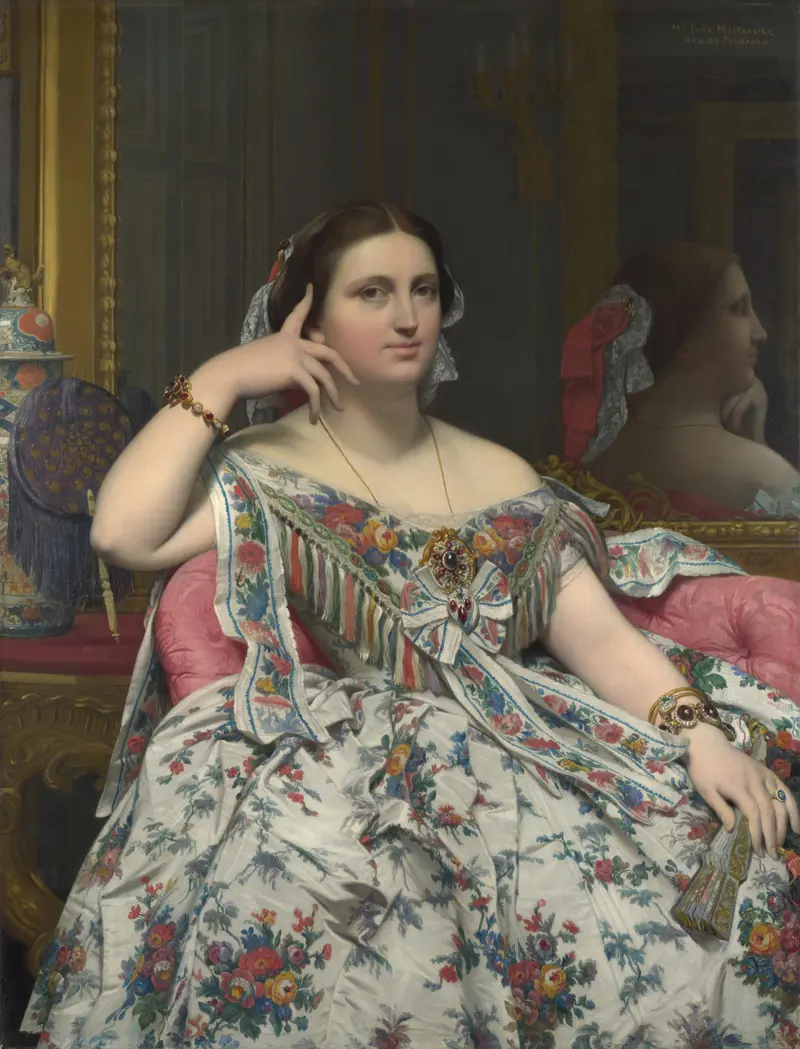
Madame Moitessier (seated)
Jean Auguste Dominique Ingres
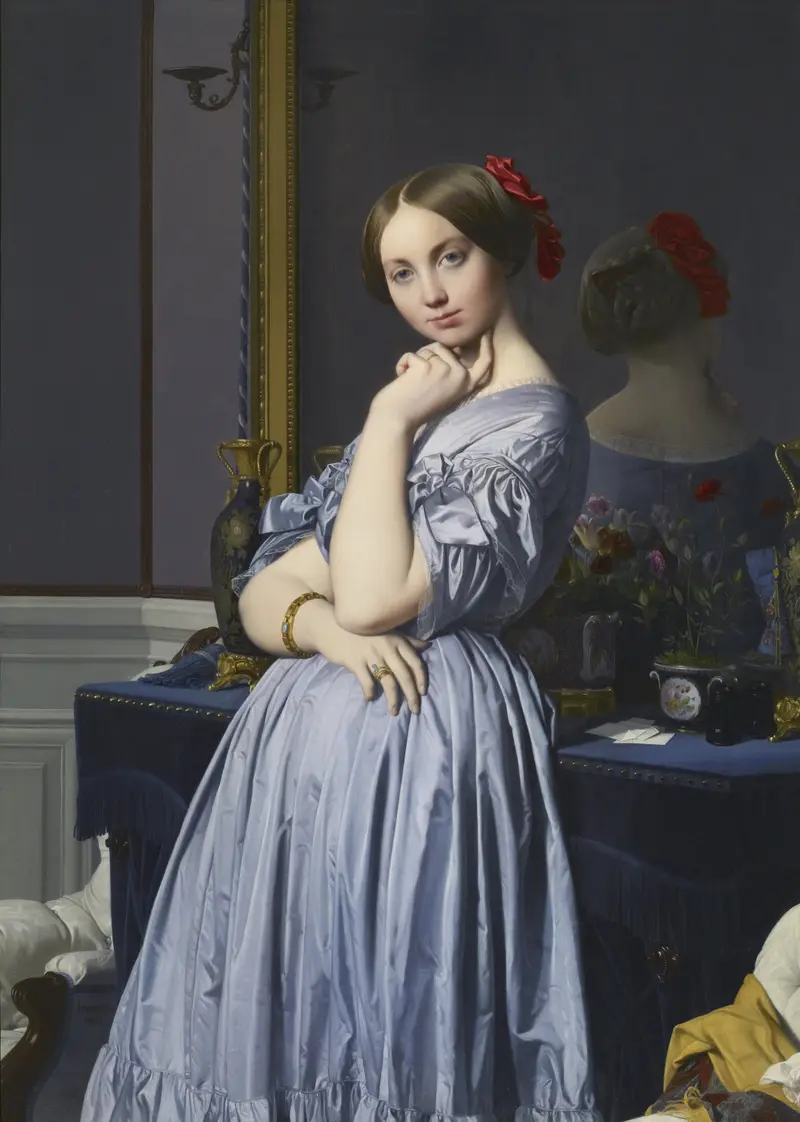
Portrait of Comtesse d’Haussonville
Jean Auguste Dominique Ingres
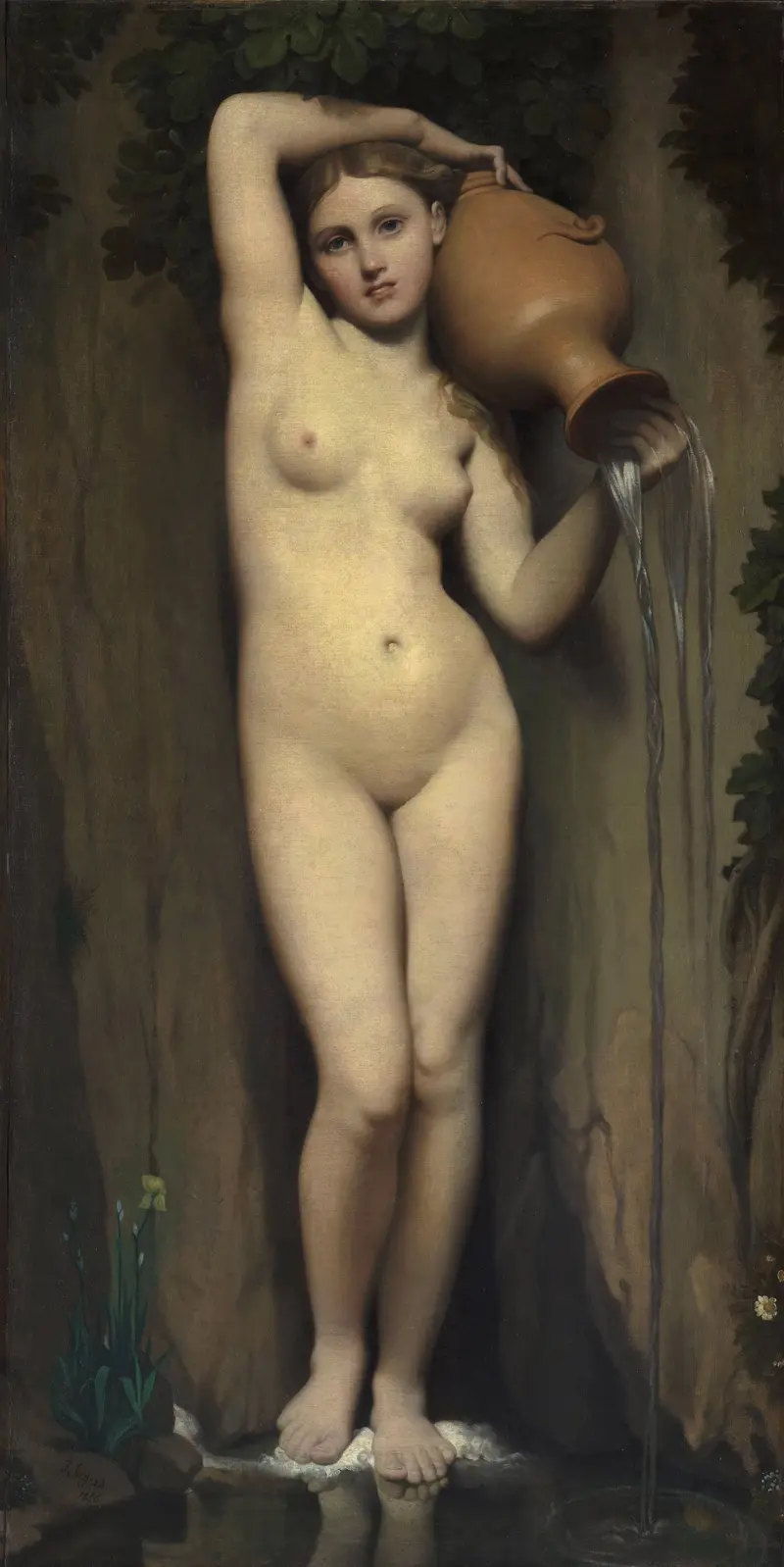
The Source
Jean Auguste Dominique Ingres
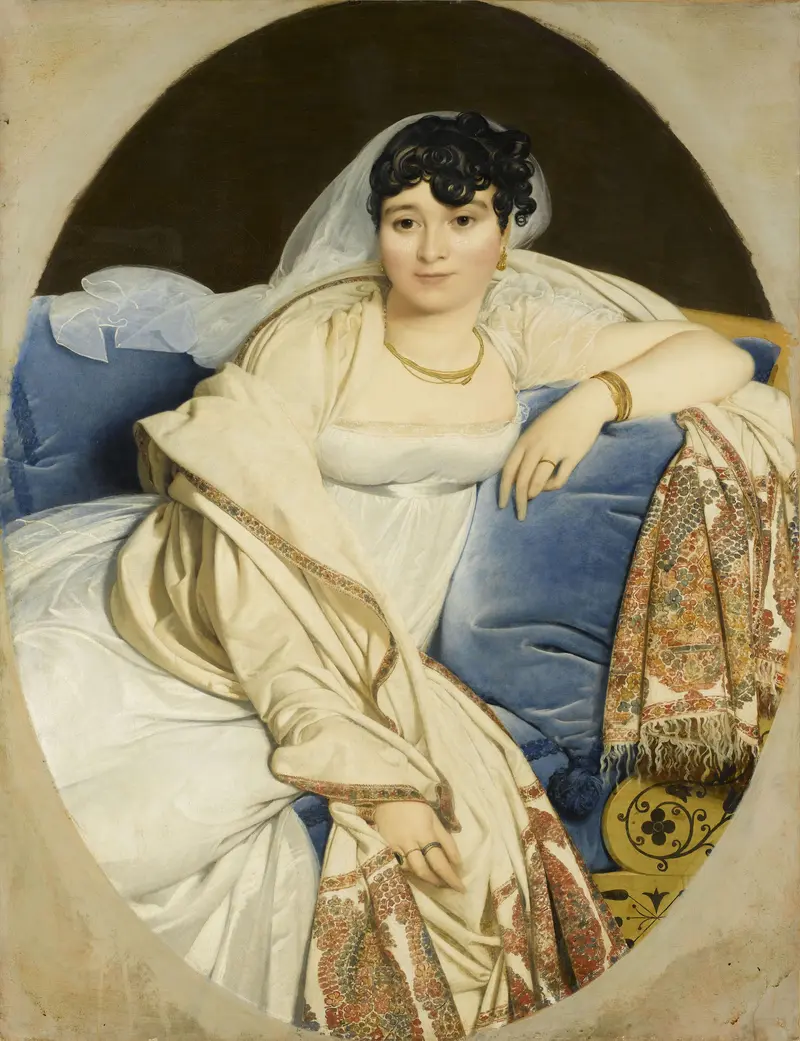
Madame Rivière
Jean Auguste Dominique Ingres

Madame Jean-Auguste-Dominique Ingres, née Madeleine Chapelle
Jean Auguste Dominique Ingres

Portrait of a Lady
Jean Auguste Dominique Ingres
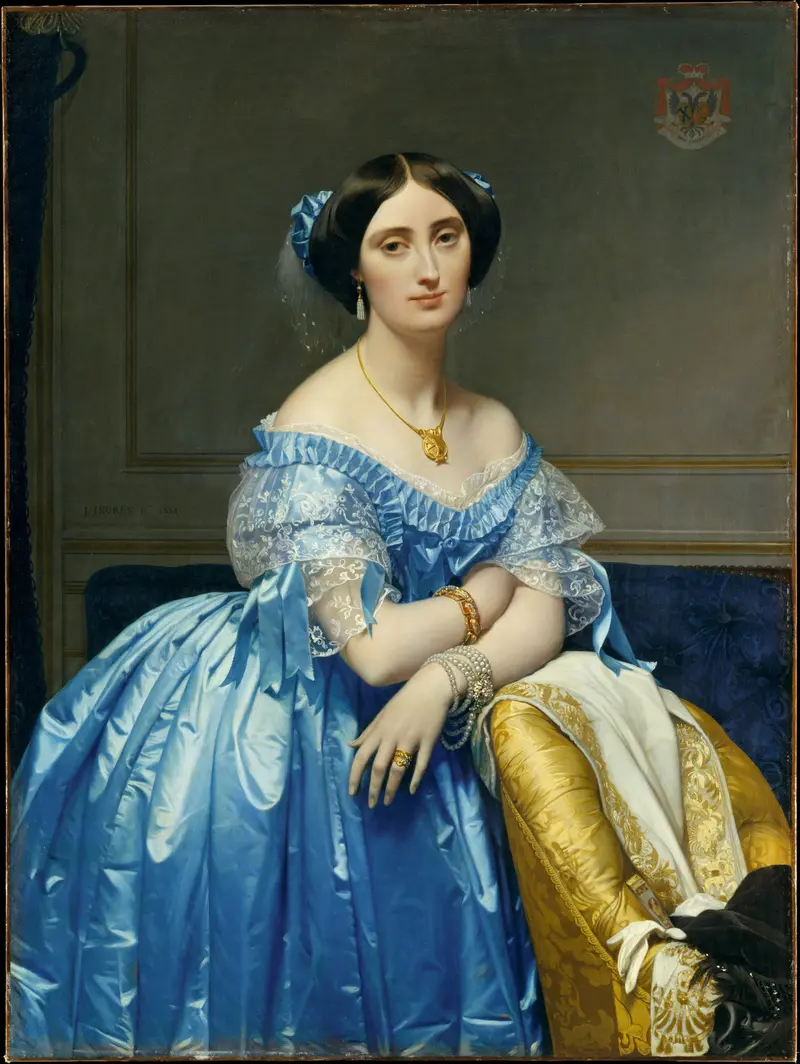
Joséphine-Éléonore-Marie-Pauline de Galard de Brassac de Béarn (1825–1860), Princesse de Broglie
Jean Auguste Dominique Ingres
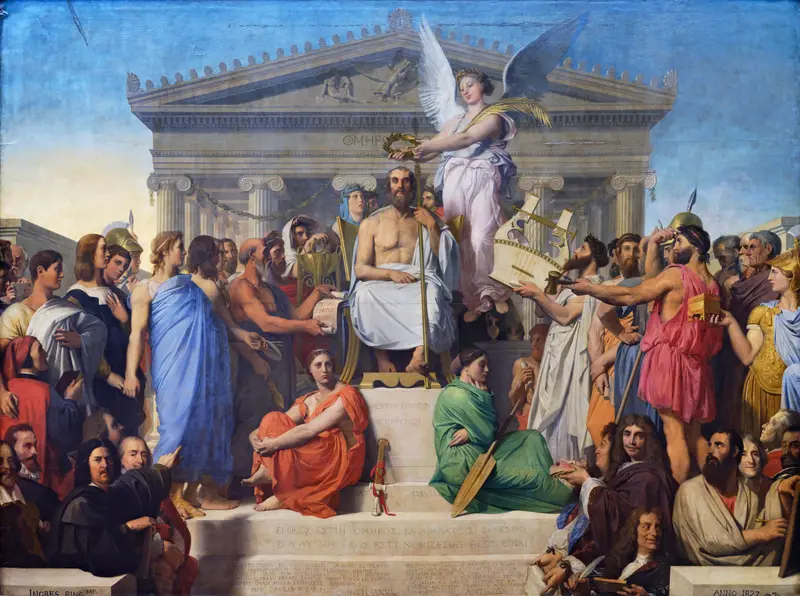
The Apotheosis of Homer
Jean Auguste Dominique Ingres



