
A Tale from the Decameron — History & Facts
A circle of listeners, rapt and luminous in the late afternoon garden, draws the eye to the heart of A Tale from the Decameron. The storyteller gestures mid-sentence, his hand poised above a spray of pale blooms, while the faces around him register every shade of curiosity, amusement, and longing. The artist’s palette, rich with golds, violets, and rose, sets a mood of cultivated leisure, but the composition’s true magic lies in the web of glances and gestures: a hand curled under a chin, a rose pressed to a cheek, a lute resting forgotten on the grass.
The fountain and clipped hedges frame the scene with a sense of enclosure, yet the distant figures and orange trees hint at life beyond this moment. Every detail is chosen to draw the viewer into the spell of the story, as if inviting us to join the circle and listen. Painted in 1916 by John William Waterhouse, this work belongs to a world still captivated by the romance and escapism of the late Pre-Raphaelite movement. Such paintings, inspired by literature and legend, were prized by collectors who longed for beauty and narrative in an age of upheaval.
Waterhouse’s fascination with storytelling and the Italian Renaissance is evident in the costumes, the garden’s architecture, and the languid grace of his figures. Though little is recorded about the specific history of this painting, it stands as a testament to the enduring appeal of tales told in good company, and to the painter’s gift for making the past feel immediate. The longer one lingers, the more the painting rewards the eye—each flower, each glance, another thread in the tapestry of the story.
More Artworks by John William Waterhouse
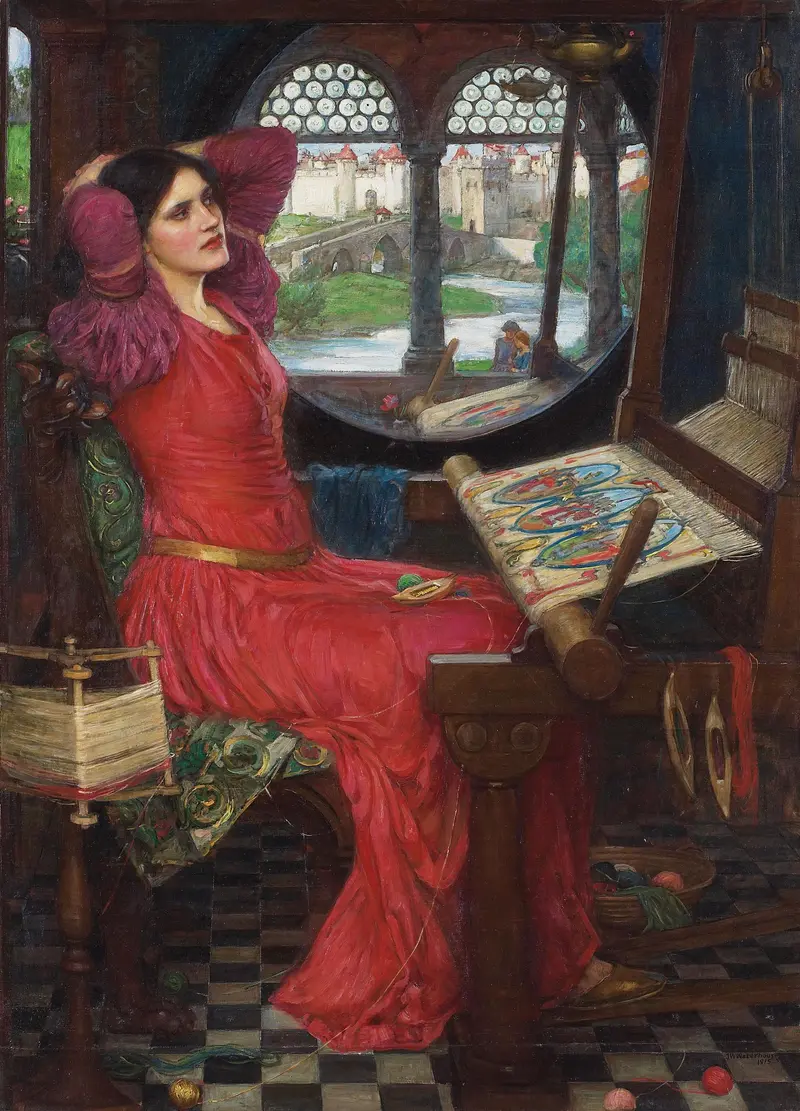
'I Am Half-Sick of Shadows,' Said the Lady of Shalott
John William Waterhouse

The Favourites of the Emperor Honorius, 1883
John William Waterhouse
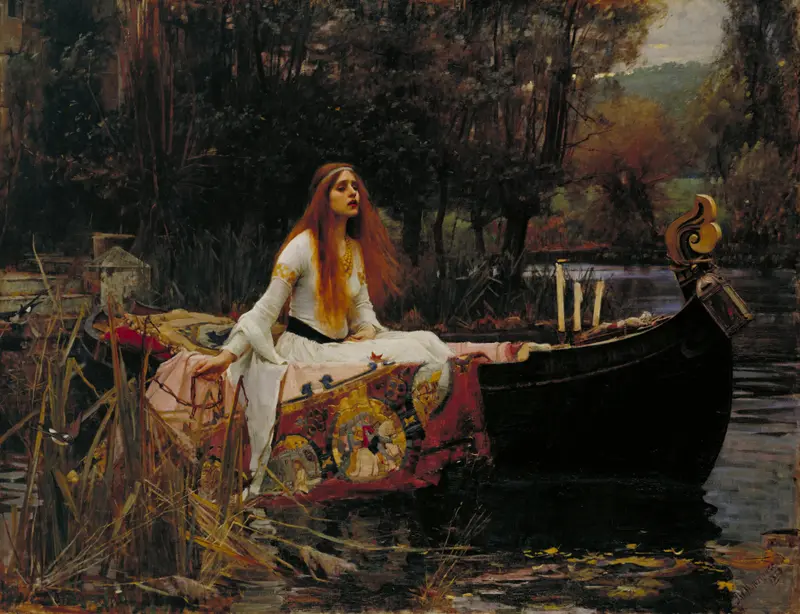
The Lady of Shalott
John William Waterhouse
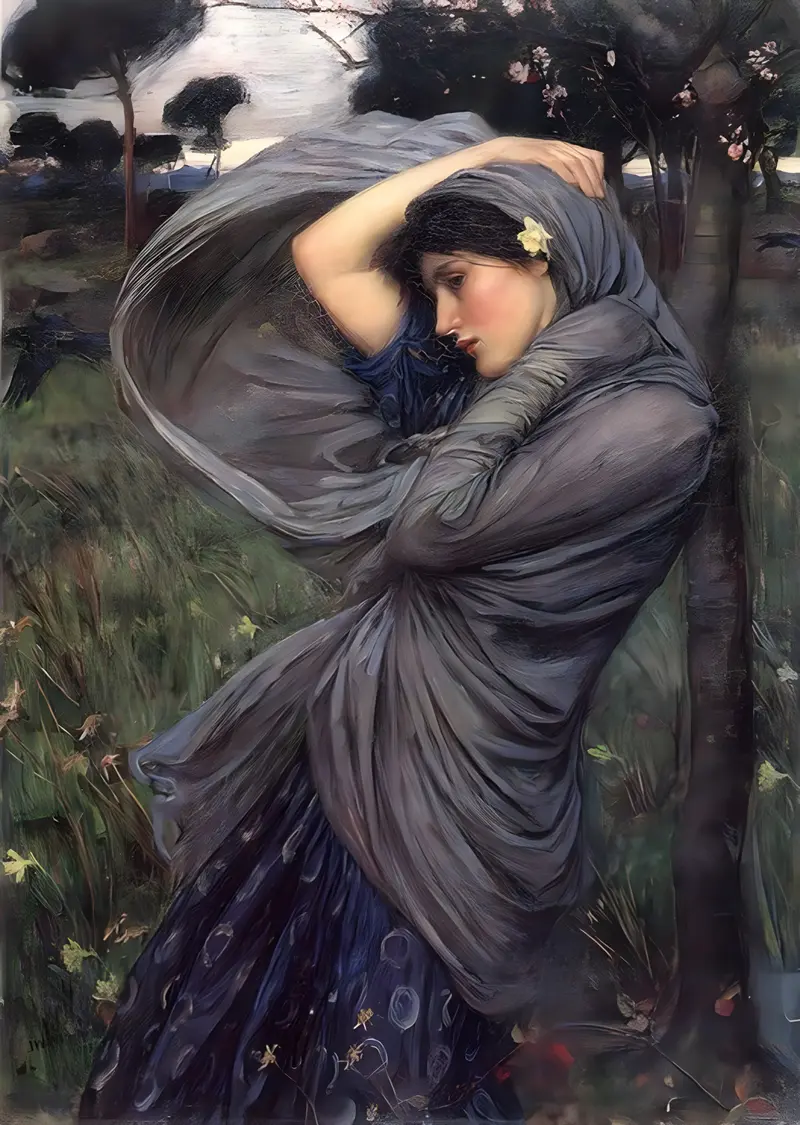
Boreas
John William Waterhouse
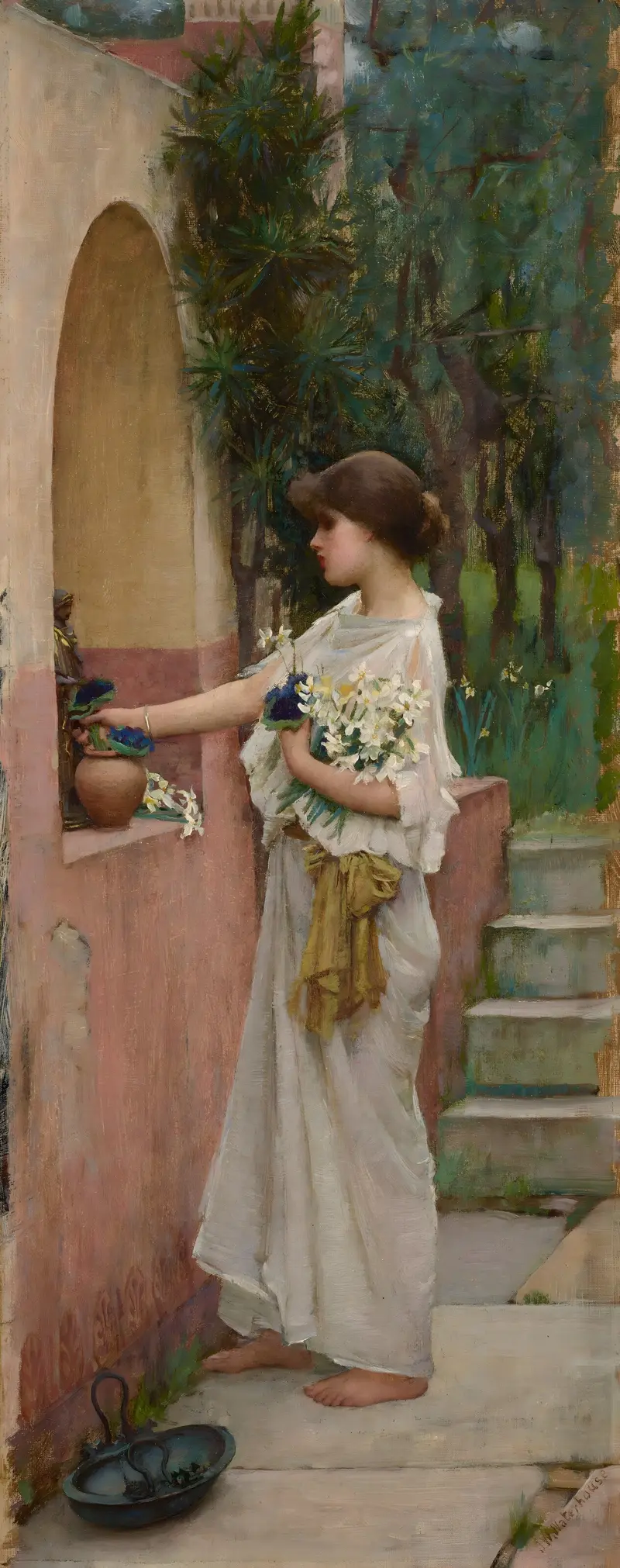
A Roman Offering
John William Waterhouse
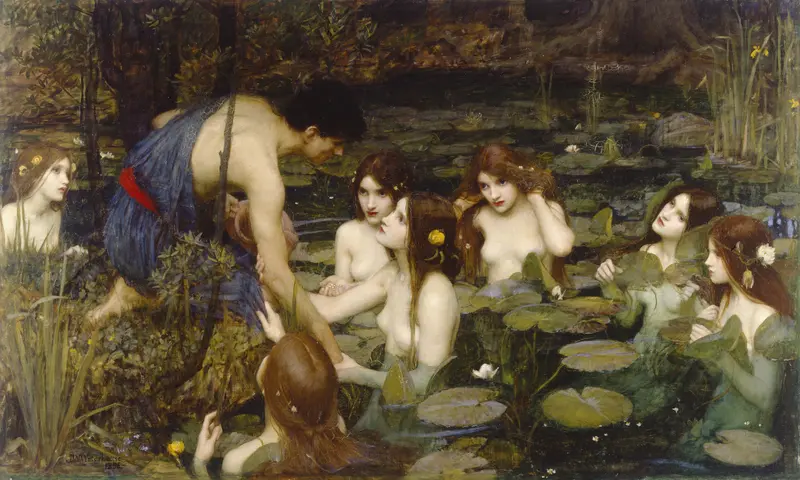
Hylas and the Nymphs
John William Waterhouse
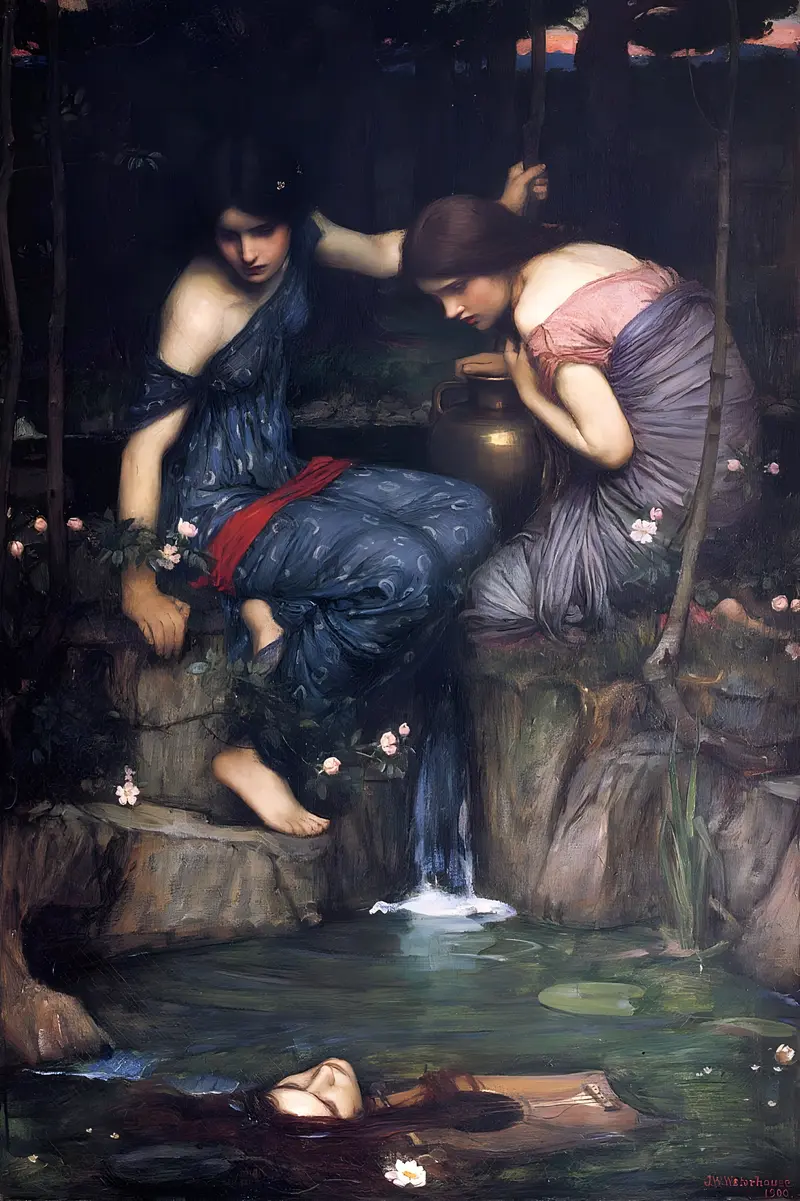
Nymphs Finding the Head of Orpheus
John William Waterhouse
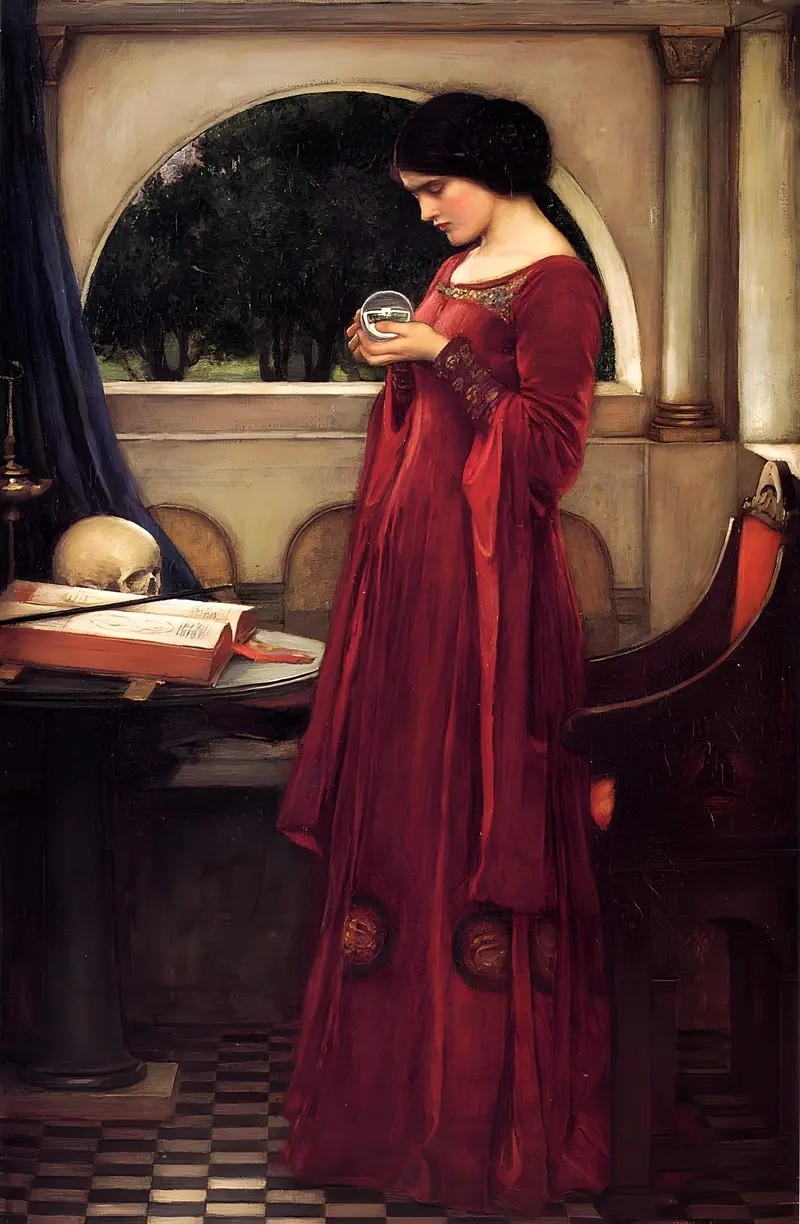
The Crystal Ball
John William Waterhouse
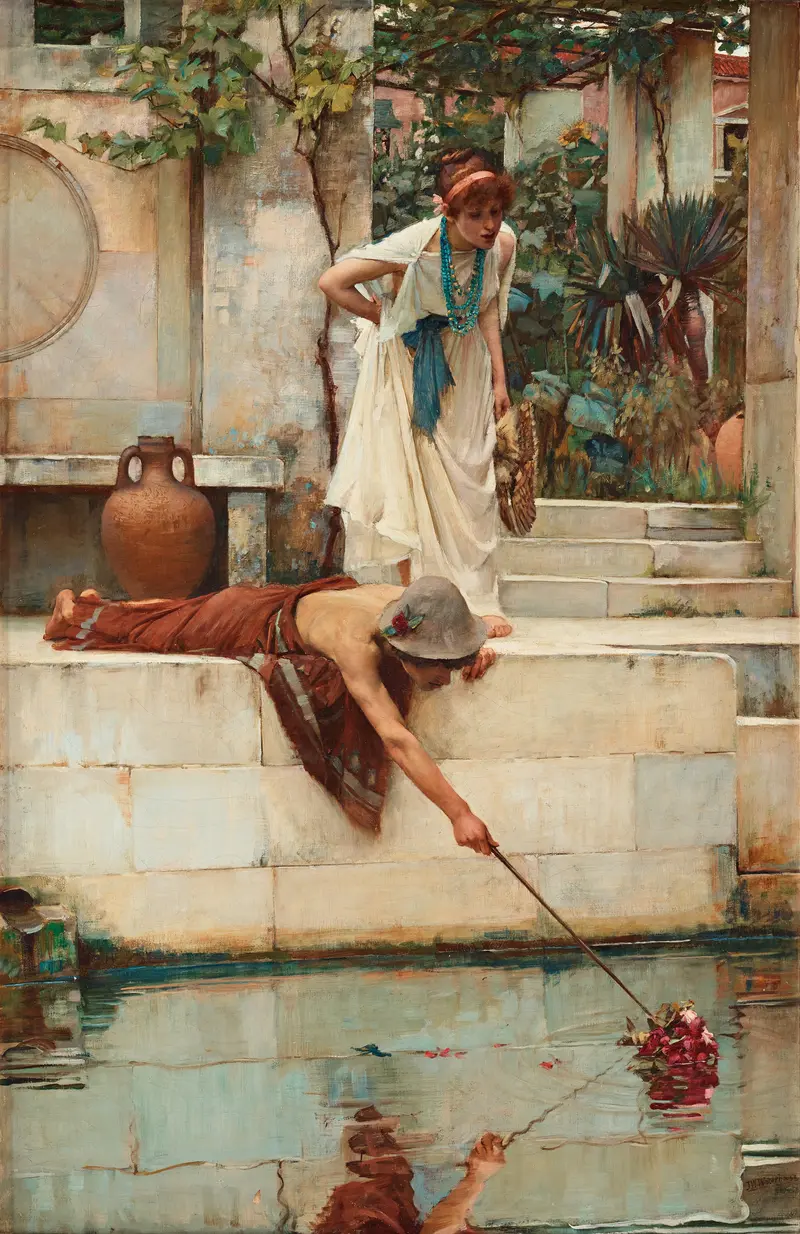
The Rescue
John William Waterhouse
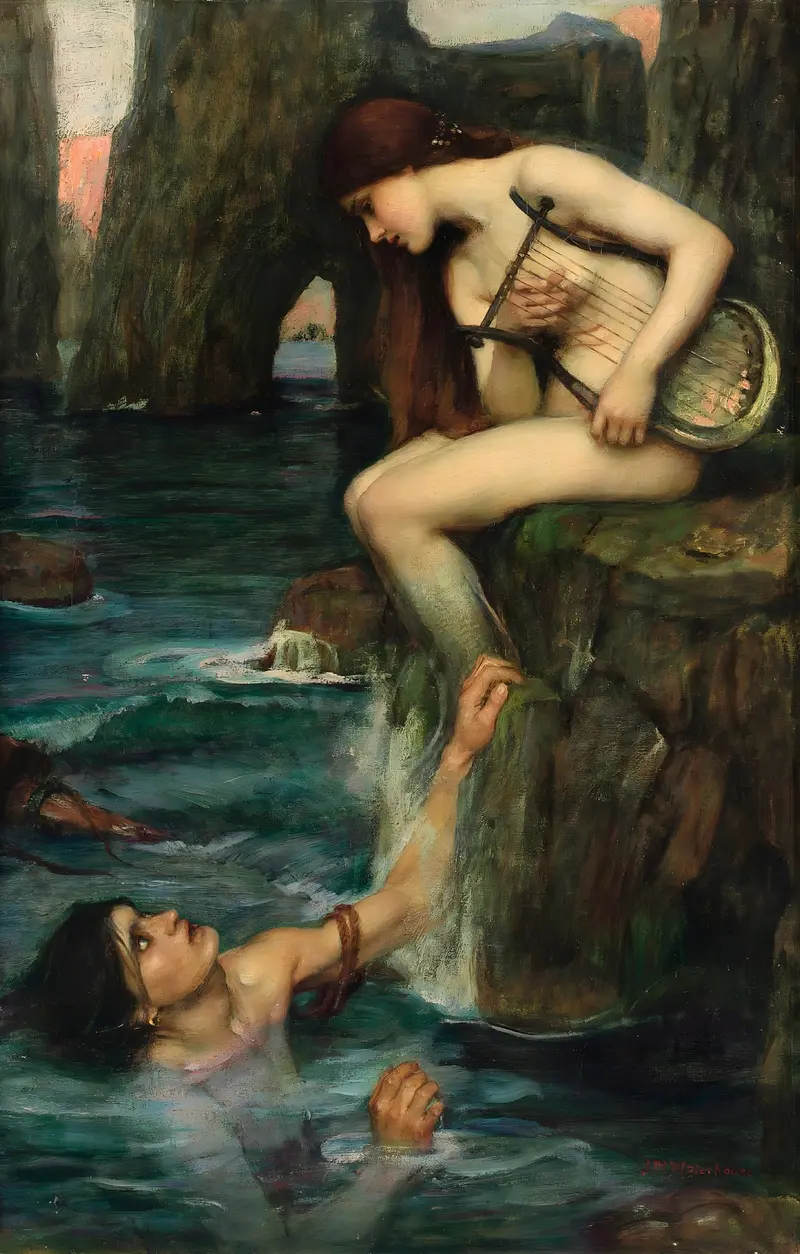
The Siren, 1900
John William Waterhouse
More Genre Scene Art

Banquet of the Officers of the St George Civic Guard
Frans Hals

Rembrandt and Saskia in the Scene of the Prodigal Son
Rembrandt van Rijn

Bal du moulin de la Galette
Pierre-Auguste Renoir

Quadrille at the Moulin Rouge
Henri de Toulouse-Lautrec

A Burial at Ornans
Gustave Courbet

When Will You Marry?
Paul Gauguin