
A Woman Painting a Man (Autoritratto - Allegoria della Pittura) — History & Facts
In 1630, Artemisia Gentileschi painted herself in the act of painting a man—a radical gesture at a time when women artists were rare and often denied access to life models. This work, sometimes titled A Woman Painting a Man (Autoritratto - Allegoria della Pittura), stands out for its bold assertion of female authorship and agency. Unusually, it is not simply an allegory of painting, but a double portrait: the artist and her male sitter, reversing the expected roles.
The painting’s precise medium remains uncertain, but its subject matter has sparked debate among scholars about whether it is a straightforward self-portrait, an allegory, or a coded statement about gender and power in art. The scene captures the moment Artemisia—brush poised—regards her subject, a man seated before her. The composition is intimate: the artist’s focused gaze, the sitter’s posture, and the interplay of light across their faces create a charged atmosphere. The chain around her neck, often seen in allegories of Painting, identifies her with the personification of the art itself, while the presence of a male model upends the traditional dynamic, where women were usually the objects, not the creators, of art.
Unlike Velázquez’s Las Meninas, where the artist appears among royalty, here the painter is the central protagonist, fully in control of her craft and her image. The painting’s early provenance is unclear, and there is no surviving record of its first patron or its journey through collections. Its attribution to Artemisia Gentileschi is widely accepted today, based on stylistic analysis and comparison with her other self-portraits from the 1620s and 1630s. The work is often cited as a key example of Artemisia’s engagement with themes of female identity and professional ambition within the Baroque movement.
Today, it is recognized as a landmark in the history of women artists, though its current location and ownership remain uncertain, reflecting the challenges of tracing the careers and legacies of women painters in early modern Europe.
More Artworks by Artemisia Gentileschi

Judith Beheading Holofernes
Artemisia Gentileschi
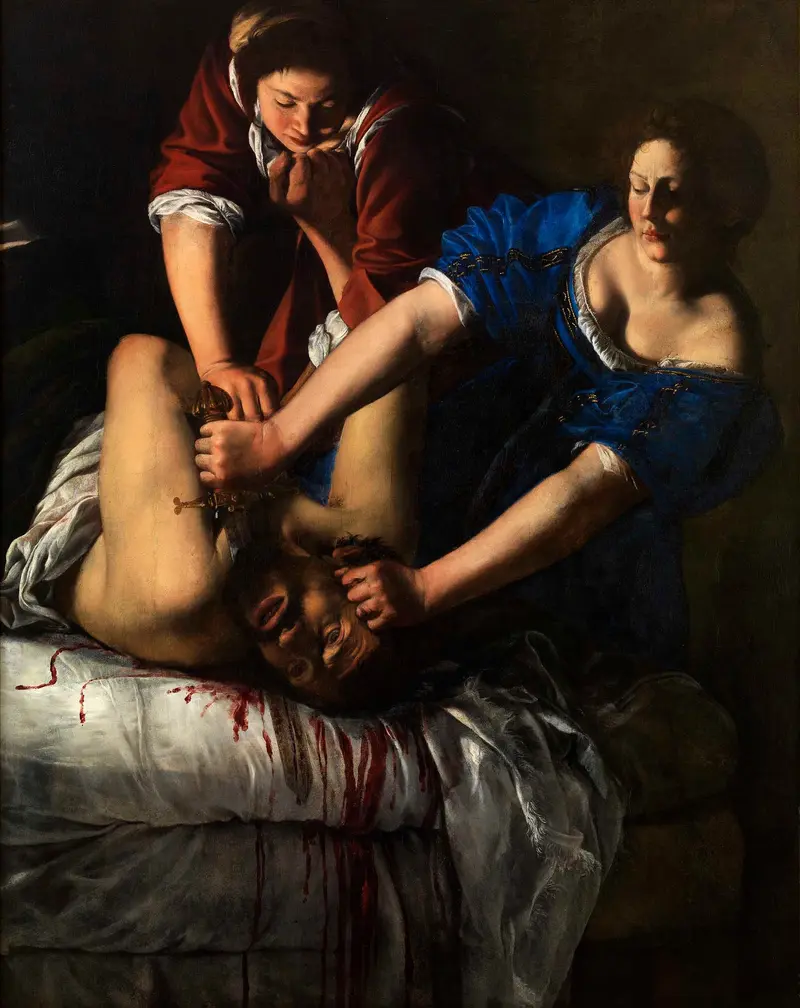
Judith Slaying Holofernes
Artemisia Gentileschi
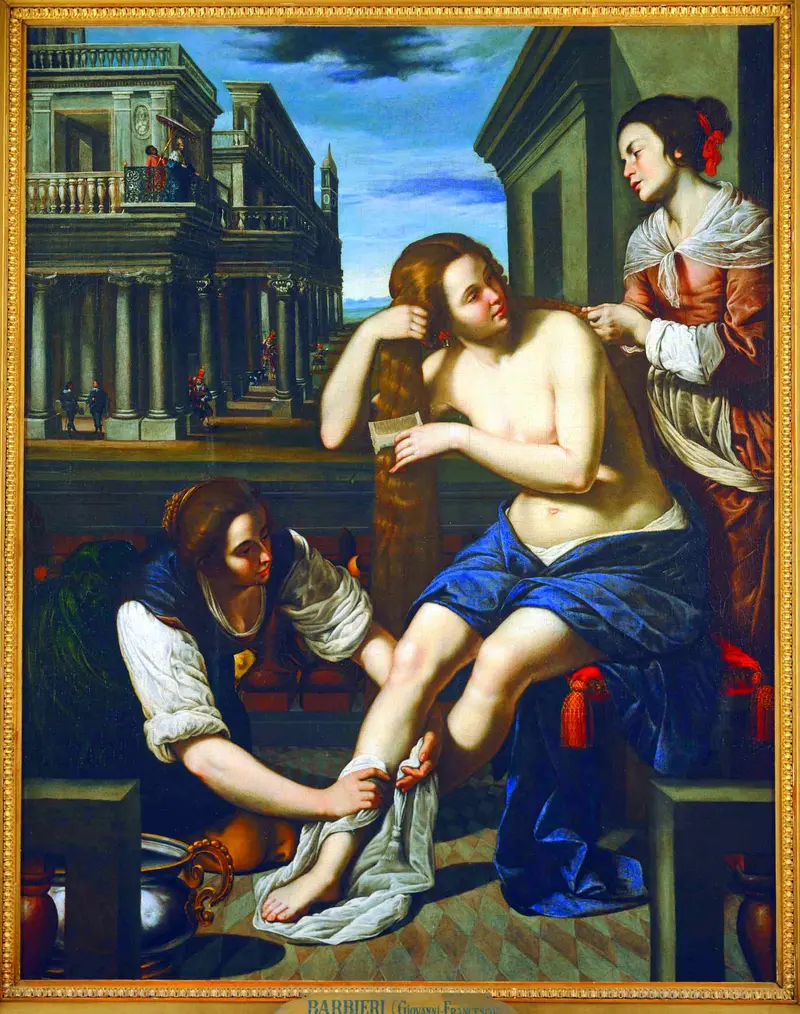
Bathsheba at Her Bath
Artemisia Gentileschi
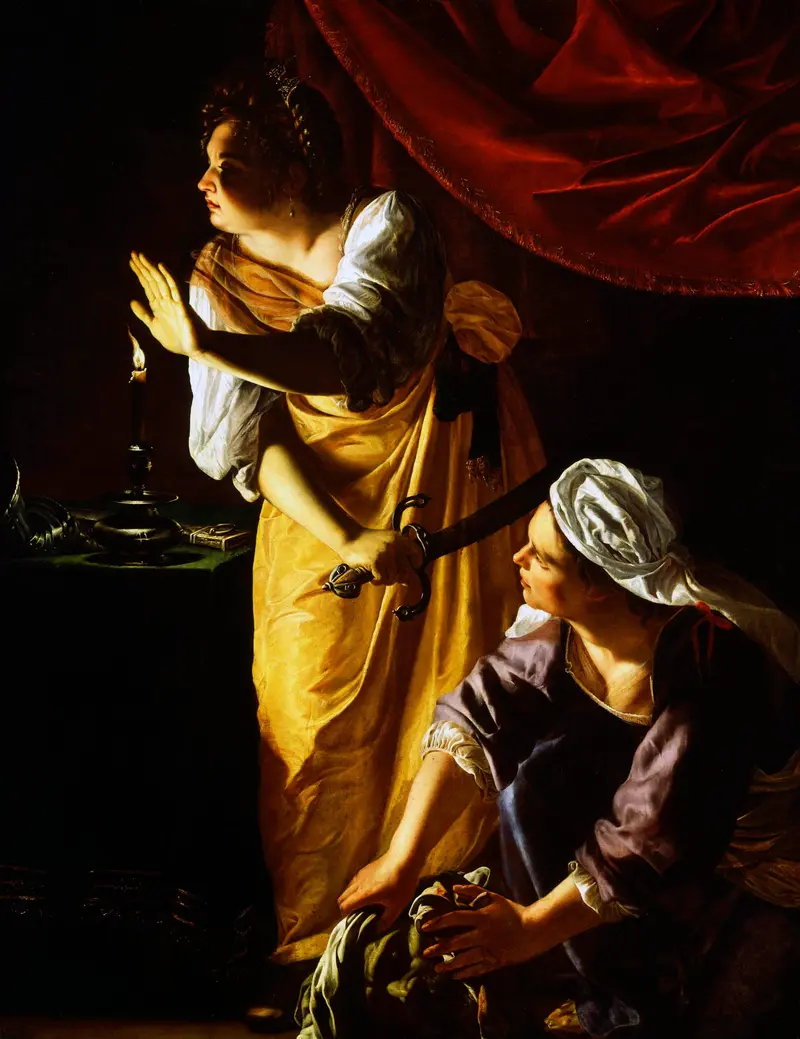
Judith and Maidservant with Head of Holofernes
Artemisia Gentileschi
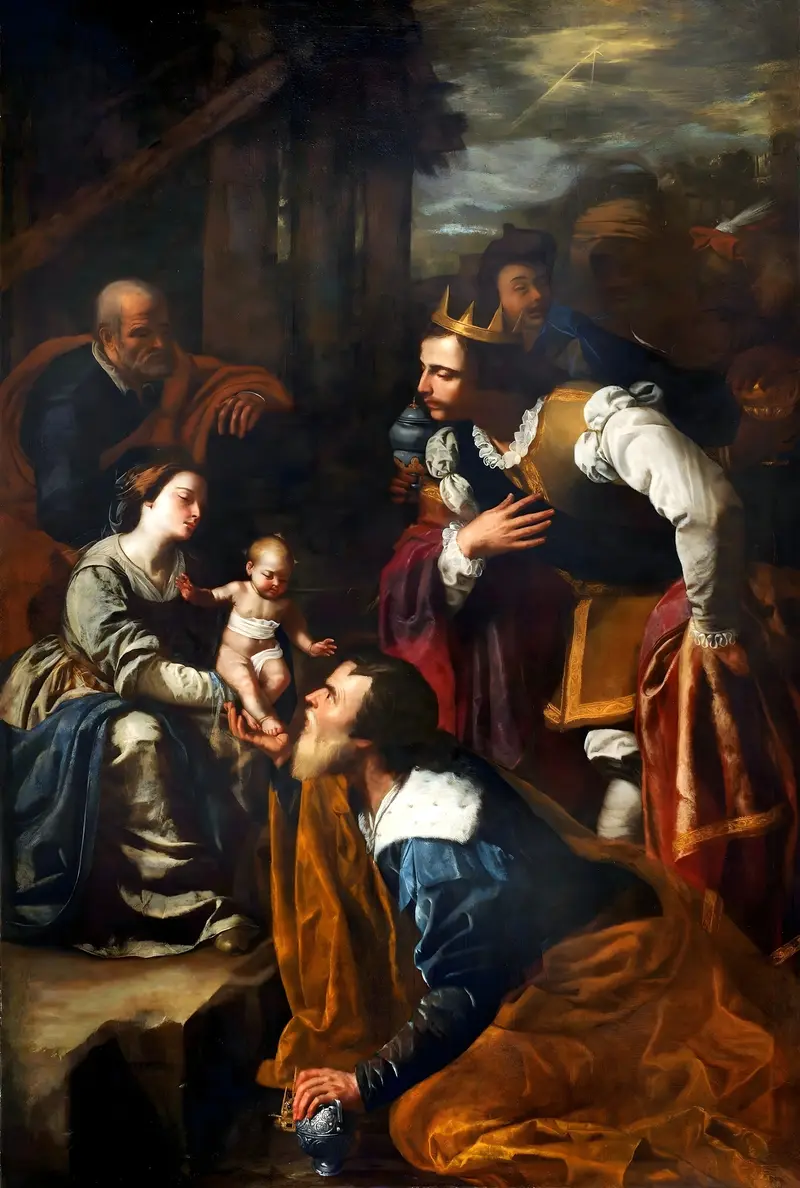
Adoration of the Magi
Artemisia Gentileschi
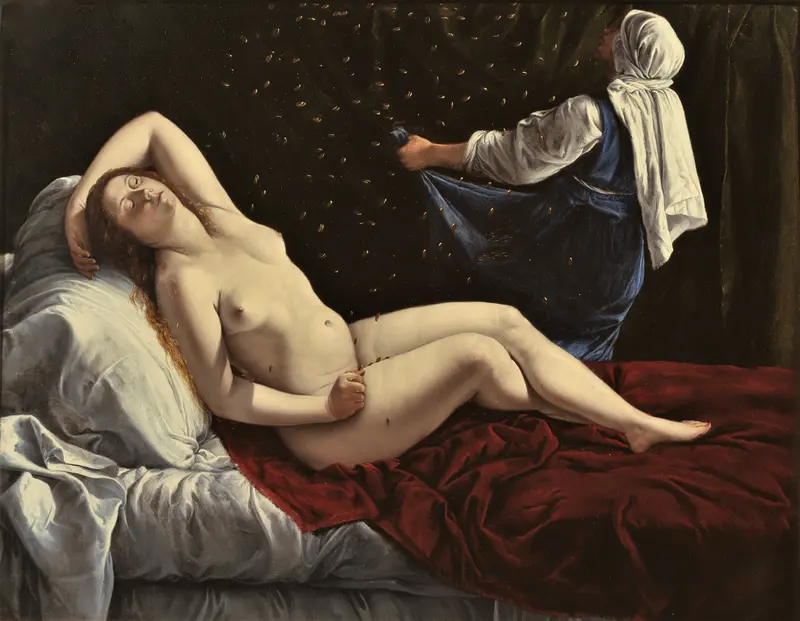
Danaë
Artemisia Gentileschi
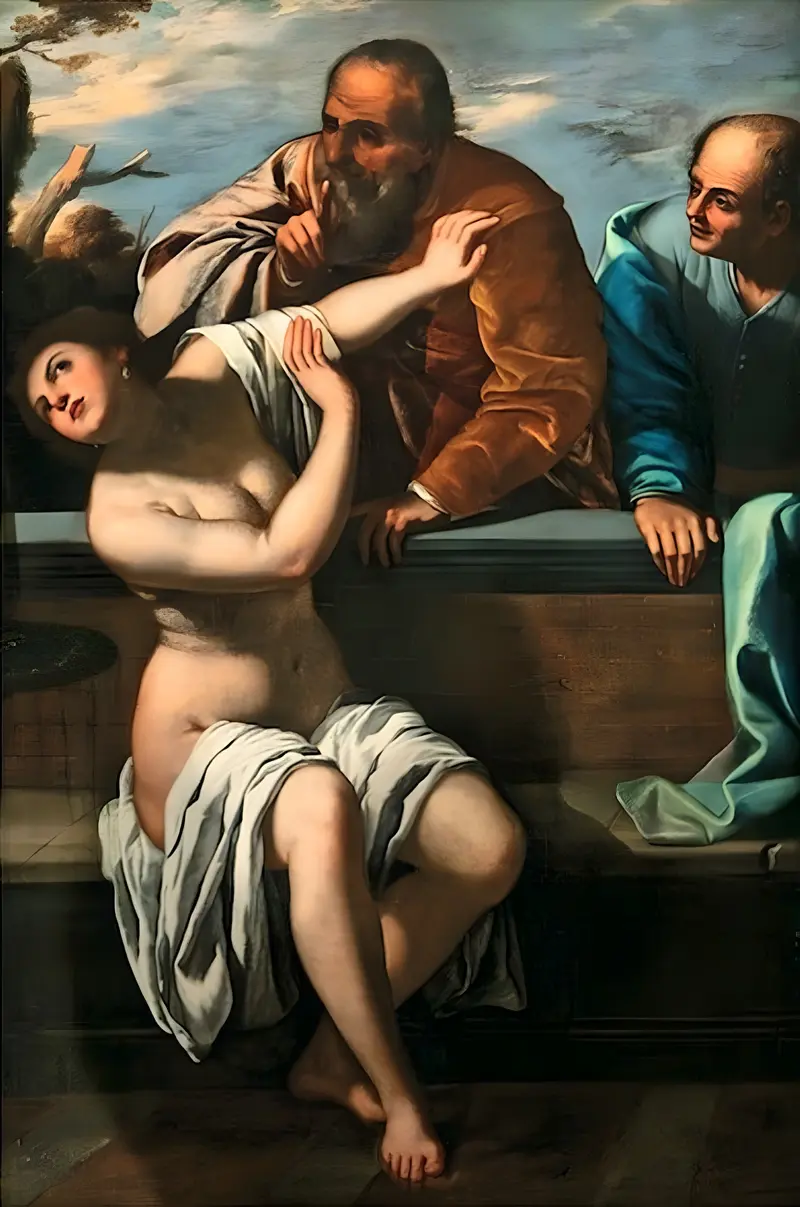
Susannah and the Elders
Artemisia Gentileschi

Judith and her Servant with the Head of Holofernes
Artemisia Gentileschi
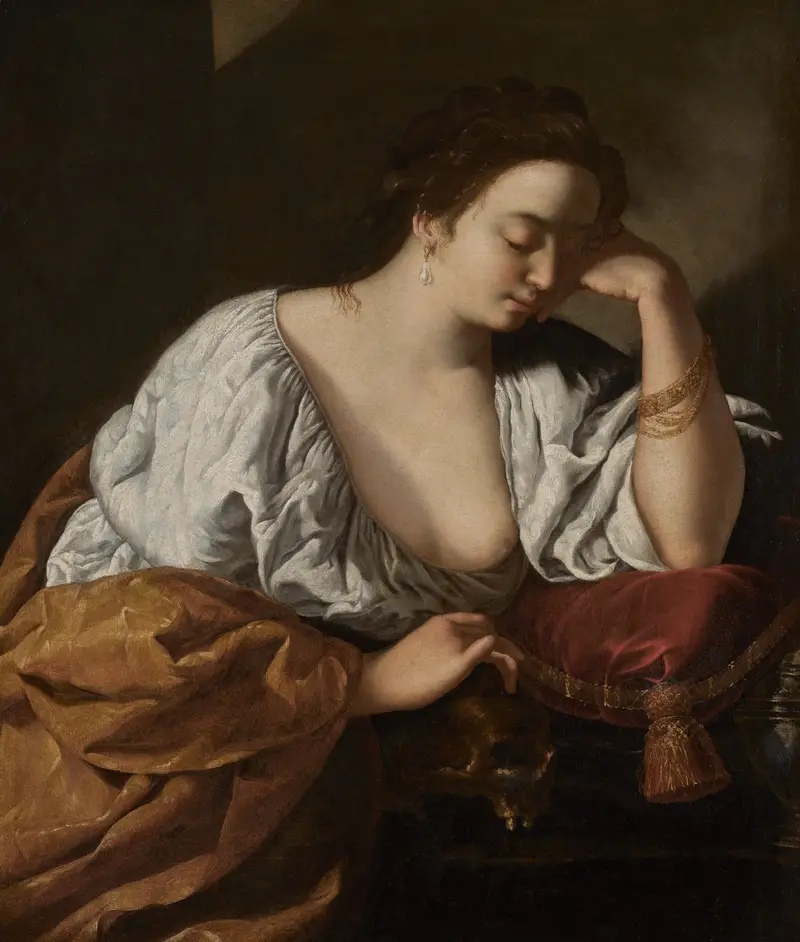
Madeleine pénitente, par
Artemisia Gentileschi
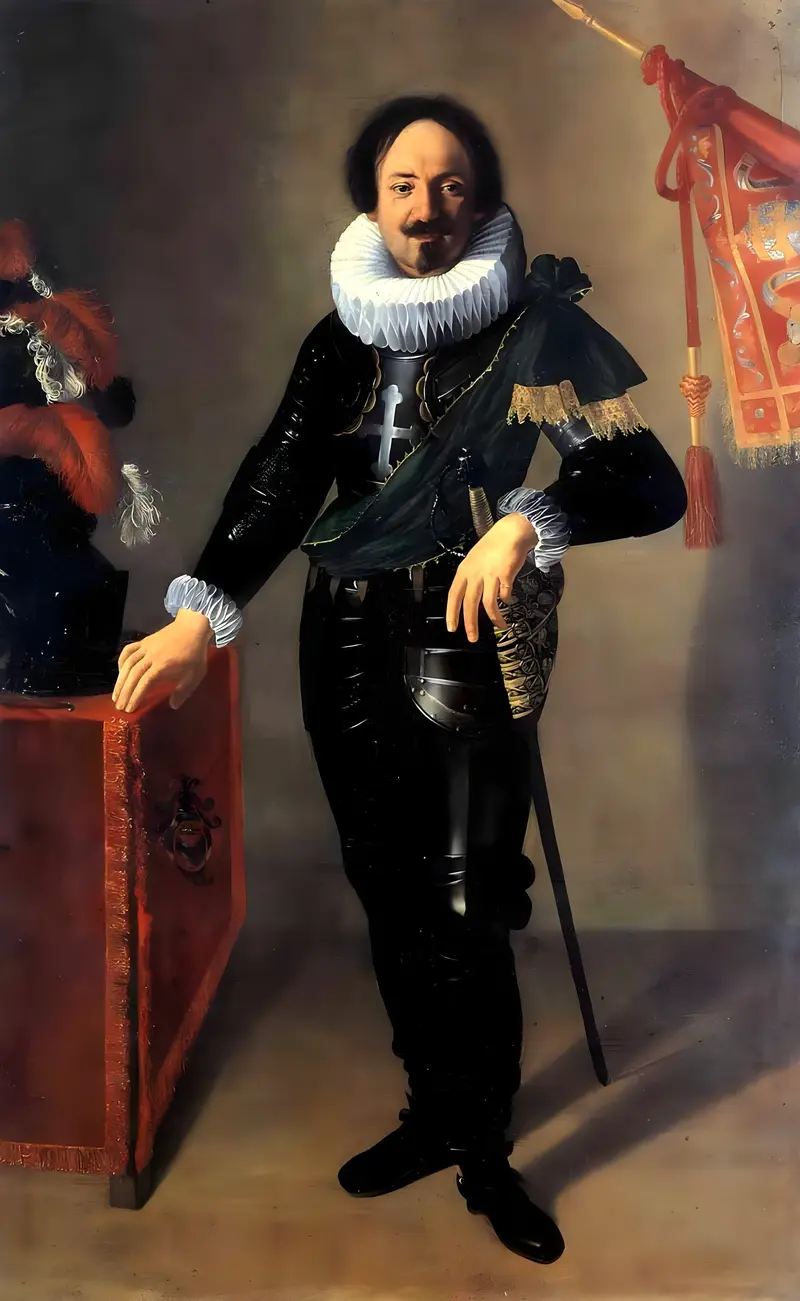
Portrait of a Gonfaloniere
Artemisia Gentileschi





