
Allegory of Slander — History & Facts
No signed or securely dated version of Allegory of Slander by Giovanni Bellini survives, yet the painting stands as a rare Venetian response to a theme famously treated by Sandro Botticelli in Florence. The subject, drawn from the ancient writer Lucian, was well known among Renaissance humanists, but Bellini’s interpretation remains shrouded in mystery—both in its origins and its intended message. Scholars still debate whether Bellini painted the work for a private patron interested in moral allegory or as an intellectual exercise for his own circle.
The absence of documentation only deepens the painting’s intrigue, inviting viewers to puzzle out its meaning and context. In the scene, Bellini captures the charged moment when Slander—personified as a beautiful woman—drags her innocent victim before a judge, while Envy, Fraud, and other allegorical figures crowd the composition. Each character is carefully distinguished: Slander’s golden hair and fine dress contrast with the dark, twisted forms of Deceit and Envy, who whisper into the judge’s ear. The victim, nearly naked and defenseless, raises his hands in protest, while Truth, depicted as a luminous figure in the background, gestures skyward.
Unlike Botticelli’s linear, Florentine clarity in his Calumny of Apelles, Bellini’s Venetian palette and softer modeling create a more ambiguous, psychological atmosphere, suggesting the insidious power of rumor and false accusation. The painting’s physical history is as elusive as its meaning. With no surviving contracts or letters, its early provenance is unknown, and it is not listed in major inventories from Bellini’s lifetime. Over the centuries, attributions have shifted, with some earlier scholars doubting Bellini’s hand, though consensus today favors him based on style and technique.
The work’s current location remains uncertain; it is not displayed in a major public collection, and some believe it may be lost or misattributed in a private collection. Nevertheless, Allegory of Slander occupies a unique place in Bellini’s career, representing his engagement with humanist themes and the broader intellectual currents of the Italian Renaissance.
More Artworks by Giovanni Bellini
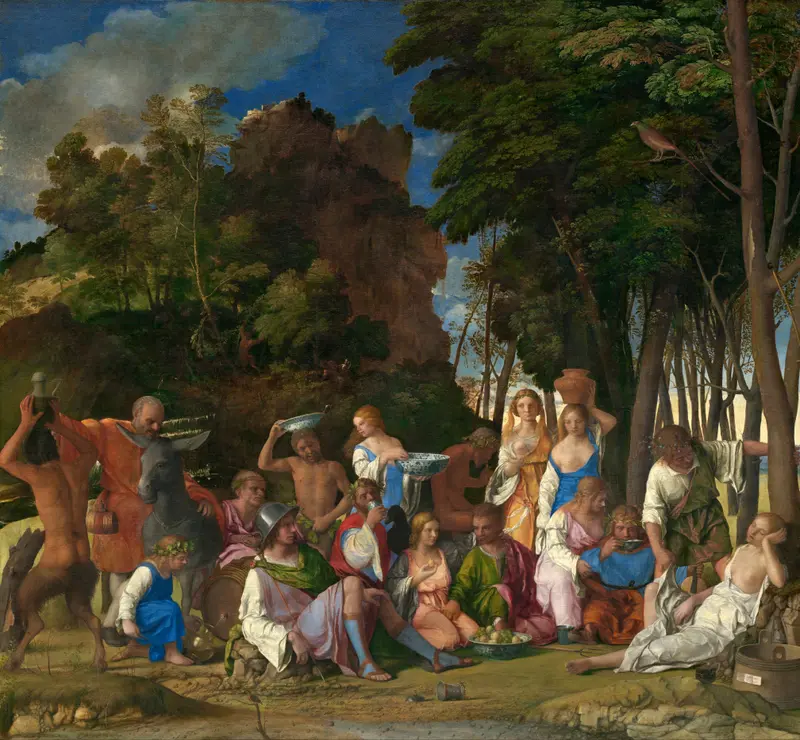
The Feast of the Gods
Giovanni Bellini

Madonna and Child enthroned with Saints and Angels
Giovanni Bellini

Madonna and Child between Saints Catherine and Mary Magdalene
Giovanni Bellini
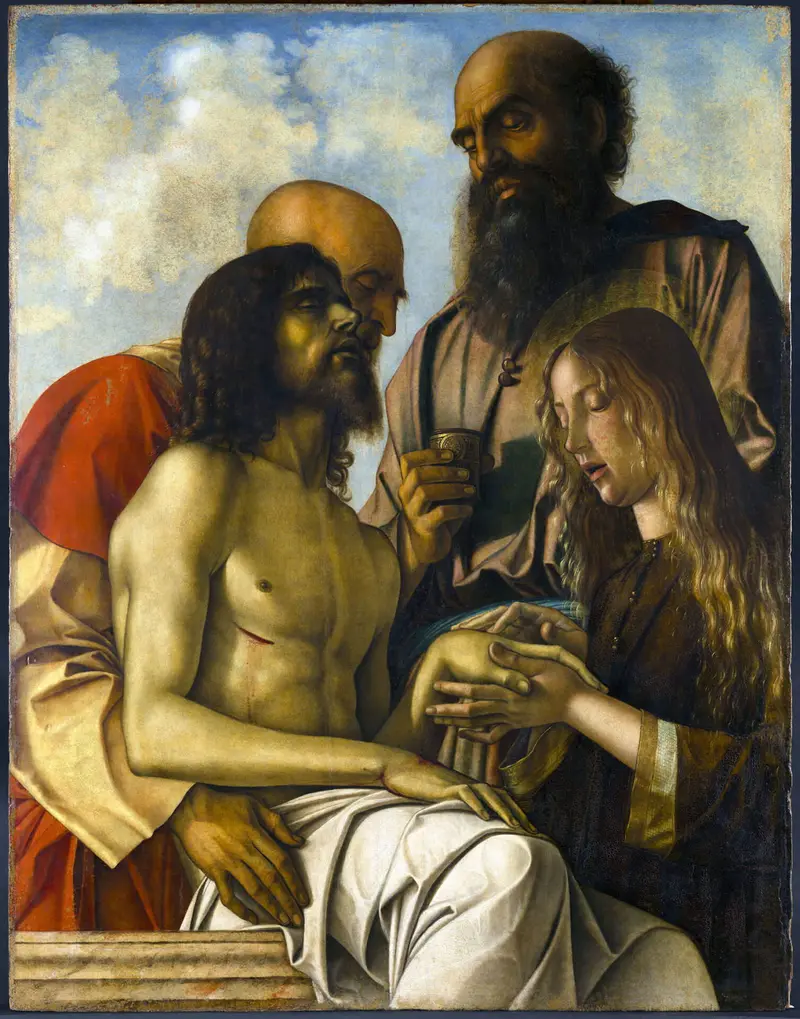
Lamentation over the Dead Christ
Giovanni Bellini
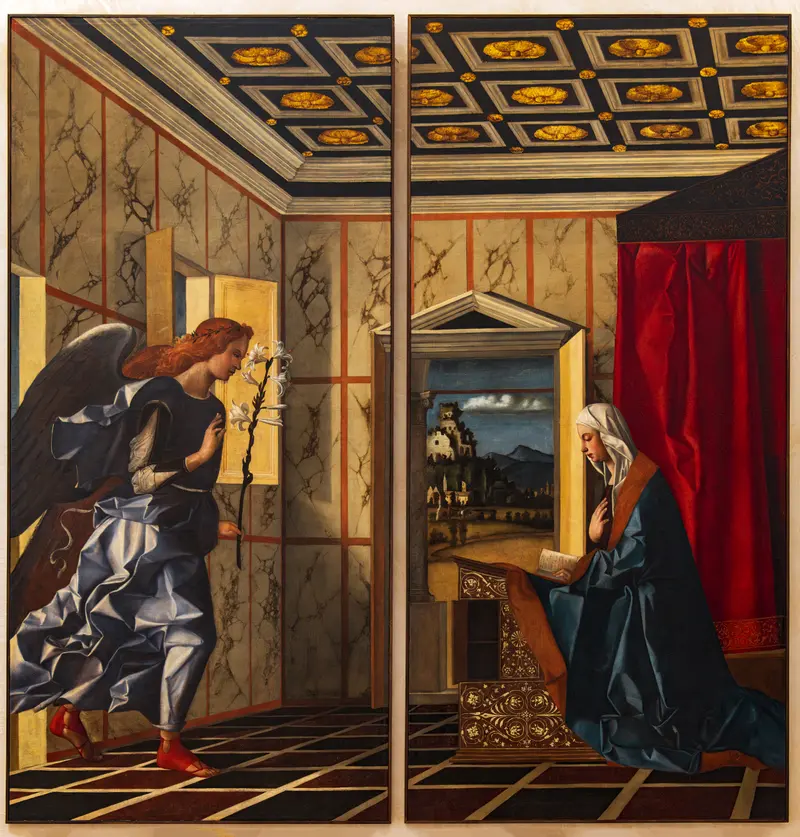
Annunciation
Giovanni Bellini
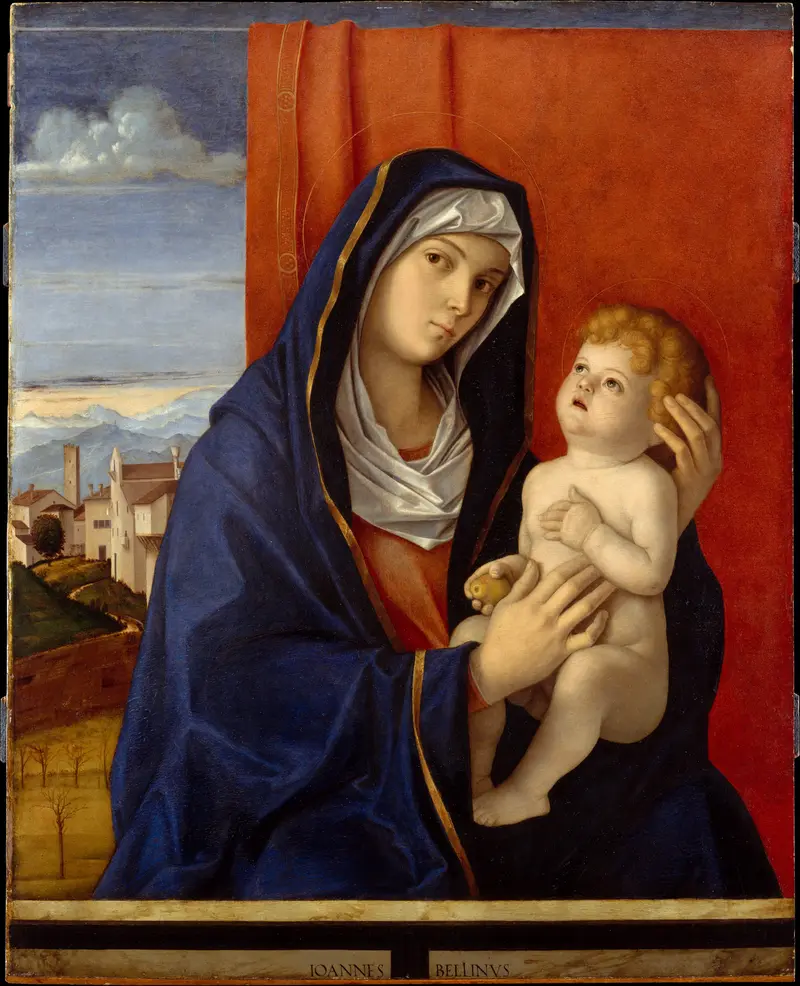
Madonna and Child
Giovanni Bellini
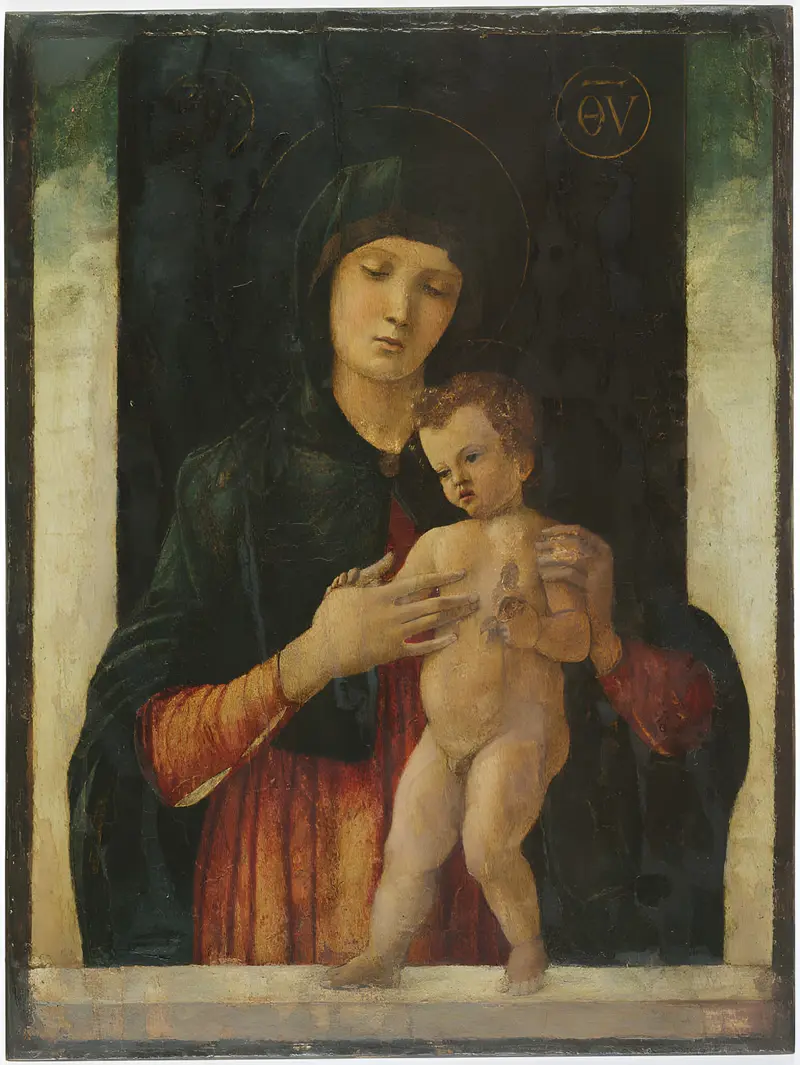
The Virgin and Child
Giovanni Bellini
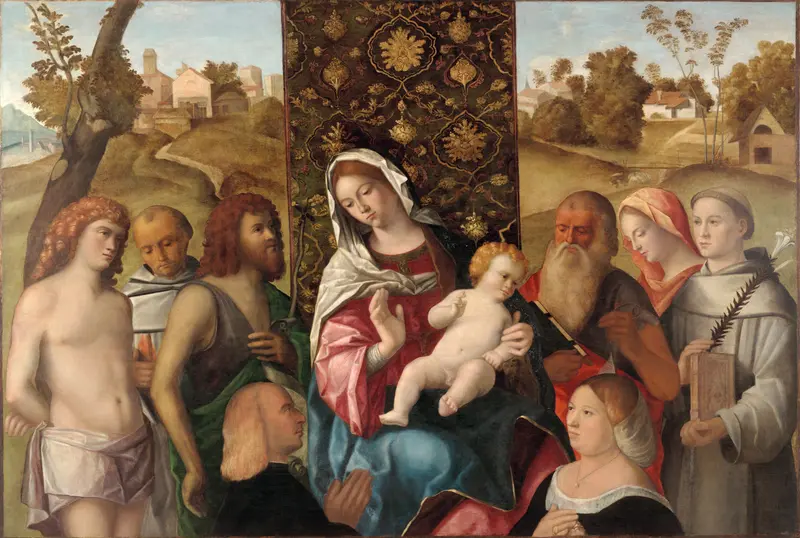
Virgin and Child with Saints Sebastian, Francis, John the Baptist, Jerome, an unidentified female saint, Saint Anthony of Padua and two donors
Giovanni Bellini
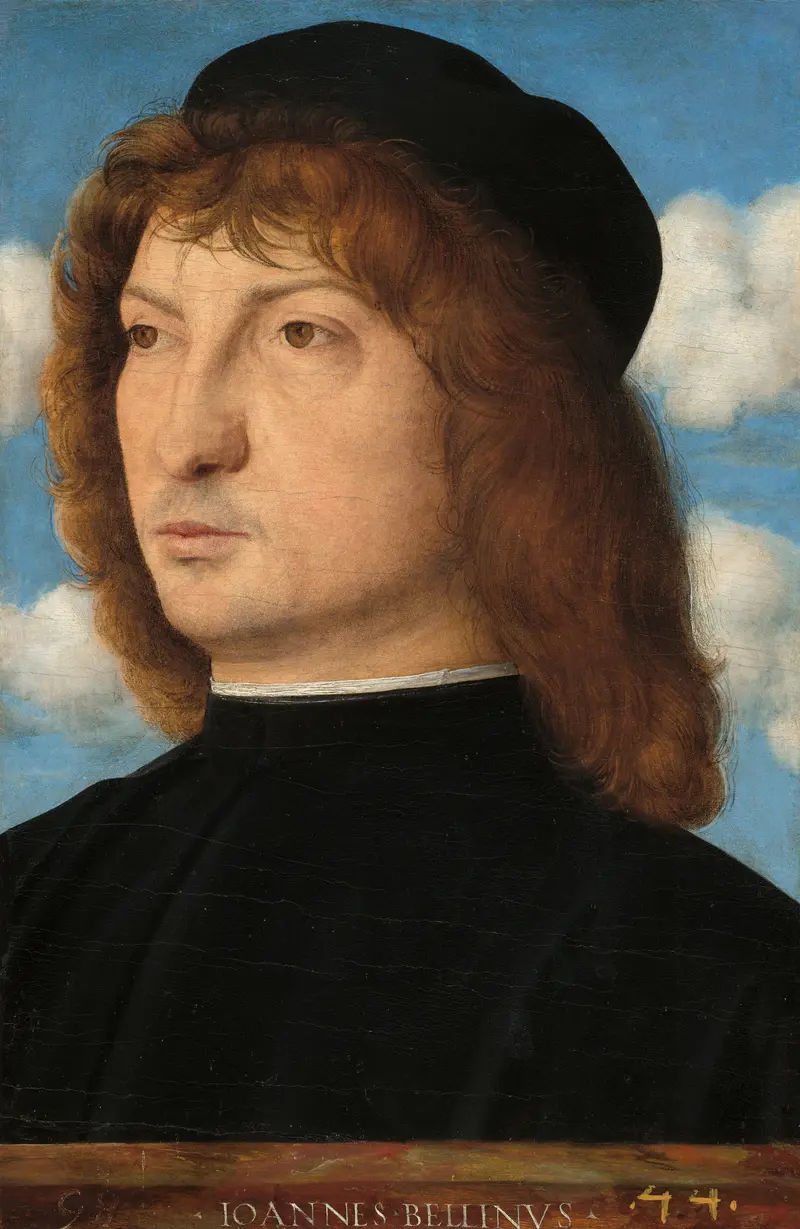
Portrait of a Venetian Gentleman
Giovanni Bellini

Portrait of a Young Man
Giovanni Bellini





