
Annabel Lee — History & Facts
In Annabel Lee, the viewer is greeted by a portrait of a woman with a melancholic expression. The colors are predominantly dark, with deep blues and muted earth tones. The figure is set against a shadowy background, enhancing the somber mood of the painting.
The woman's gaze is both introspective and haunting, inviting the viewer to ponder her story. The painting is executed in oil on canvas, a medium that allows for rich texture and depth. Whistler's technique showcases his skill in blending colors to create a sense of atmosphere. The dimensions of the work are approximately 76 x 63 cm, making it a substantial portrait that commands attention.
The brushwork is delicate yet assertive, contributing to the overall emotional weight of the piece. James Abbott McNeill Whistler was known for his innovative approach to art, often emphasizing mood over narrative. Annabel Lee is believed to be inspired by Edgar Allan Poe's poem of the same name, reflecting themes of love and loss. This work exemplifies Whistler's Symbolist style, where emotion is conveyed through color and form.
An interesting fact is that this painting was part of a series of portraits that Whistler created during the late 19th century, showcasing his fascination with the female figure.
More Artworks by James Abbott McNeill Whistler
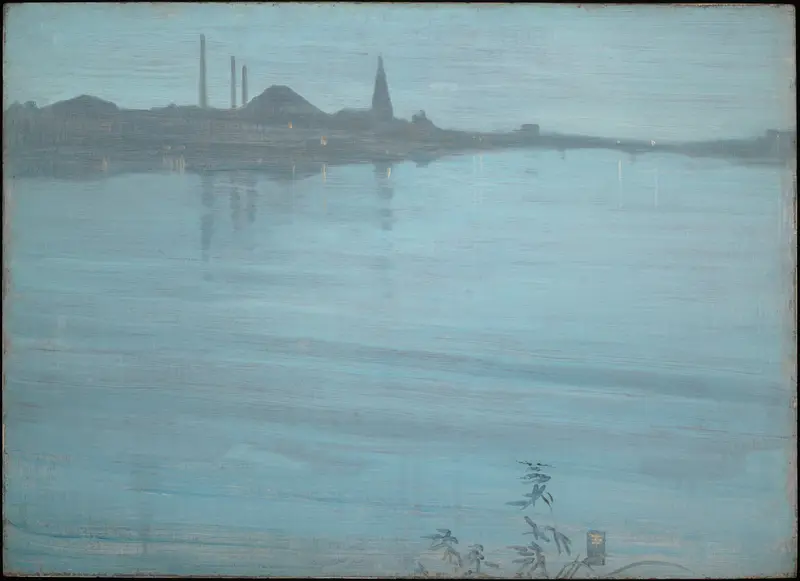
Nocturne in Blue and Silver
James Abbott McNeill Whistler

Nocturne
James Abbott McNeill Whistler
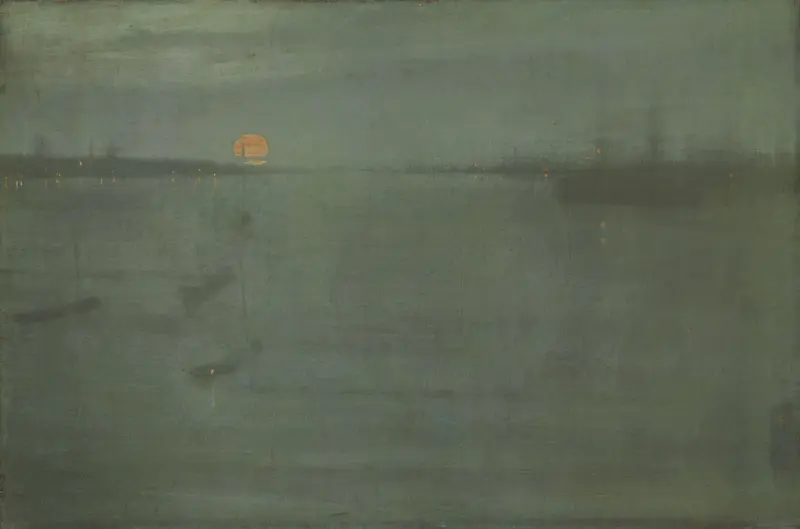
Nocturne: Blue and Gold–Southampton Water
James Abbott McNeill Whistler
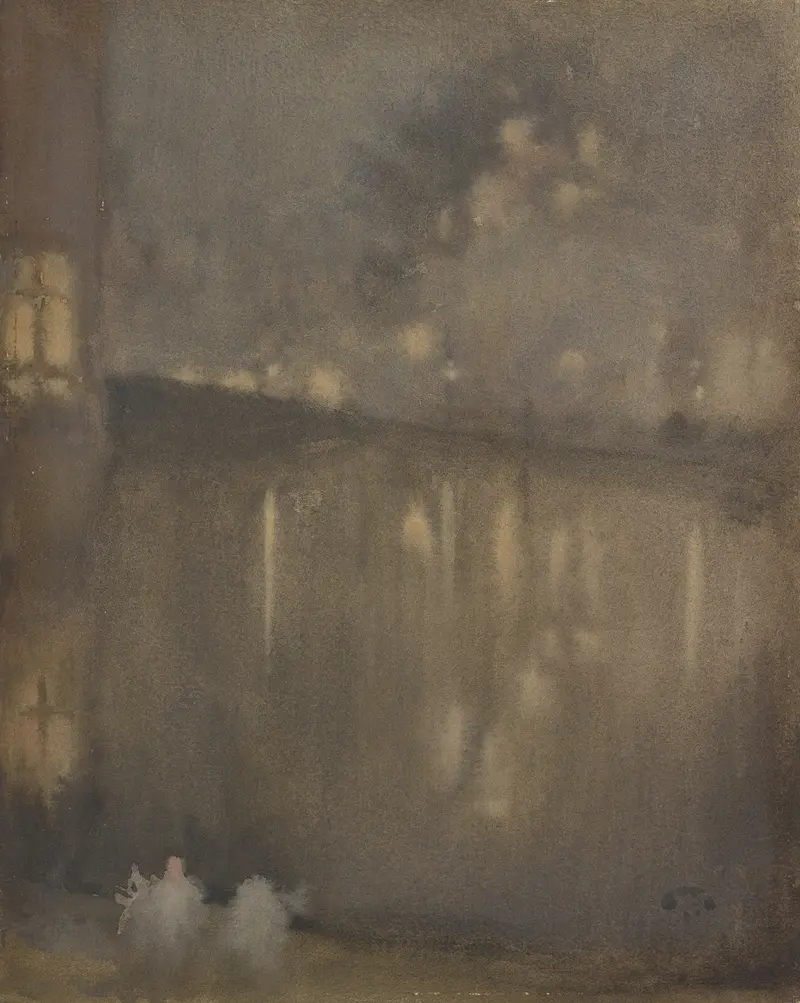
Nocturne: Grey and Gold–Canal, Holland
James Abbott McNeill Whistler
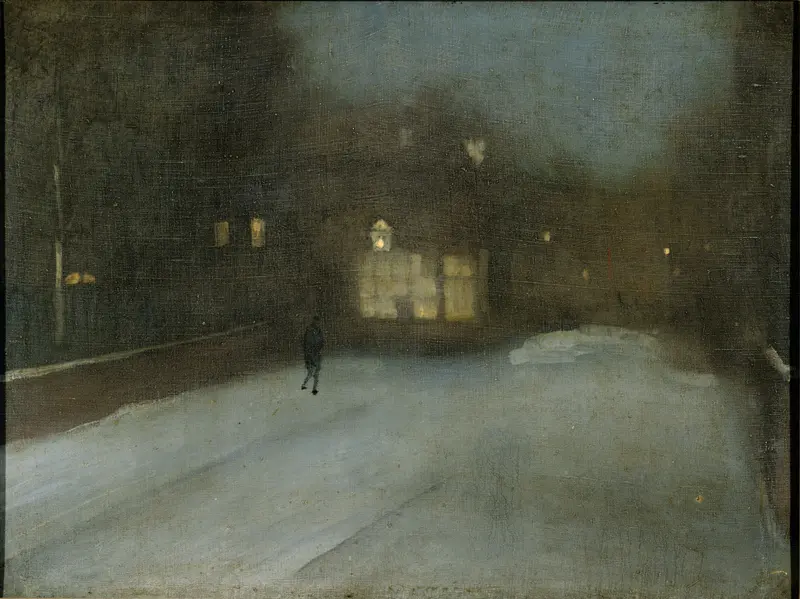
Nocturne in Grey and Gold: Chelsea Snow
James Abbott McNeill Whistler
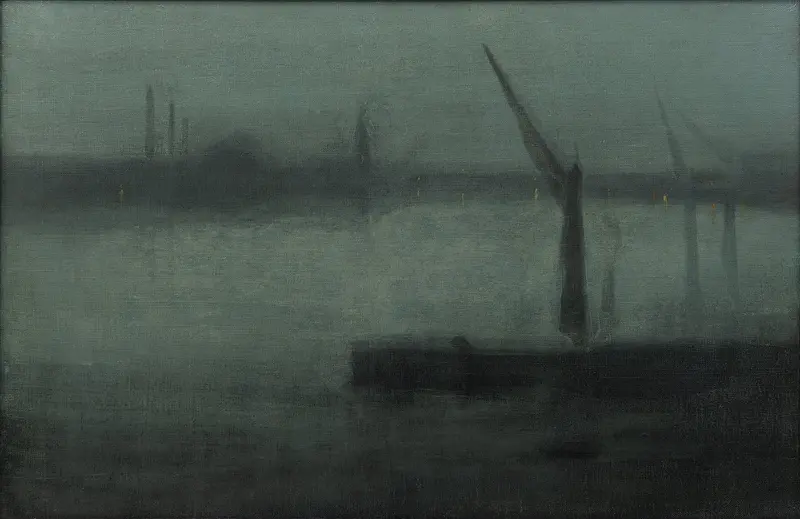
Nocturne: Blue and Silver–Battersea Reach
James Abbott McNeill Whistler
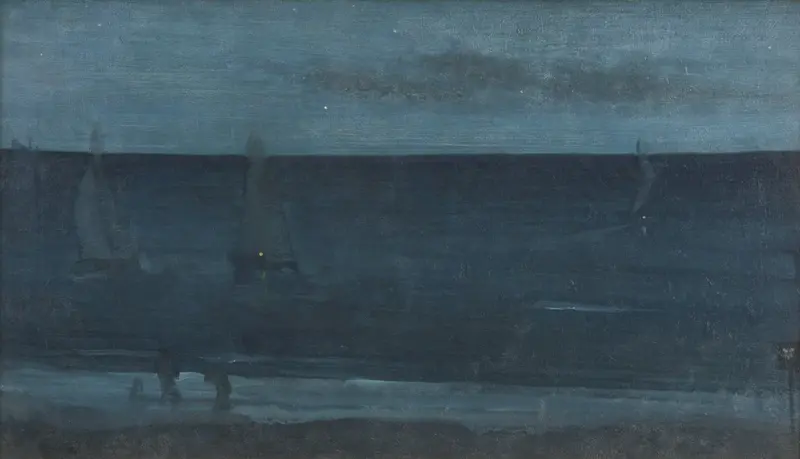
Nocturne: Blue and Silver–Bognor
James Abbott McNeill Whistler

Old Battersea Bridge
James Abbott McNeill Whistler
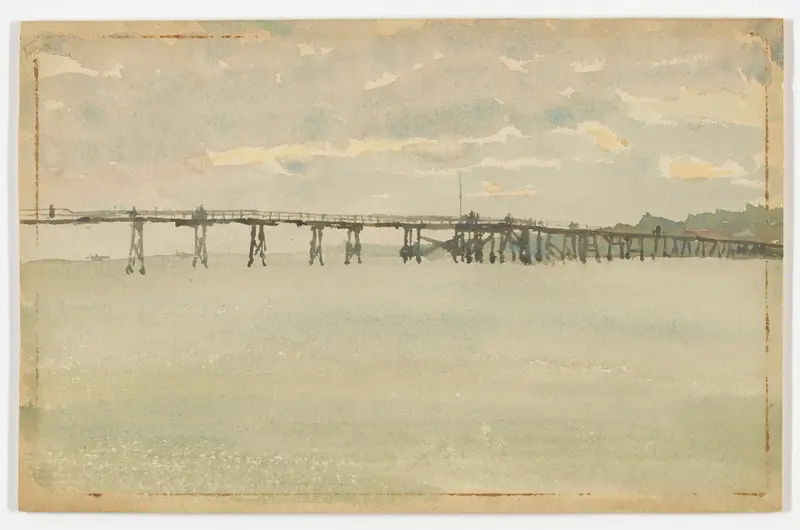
Grey and Silver–Pier, Southend
James Abbott McNeill Whistler
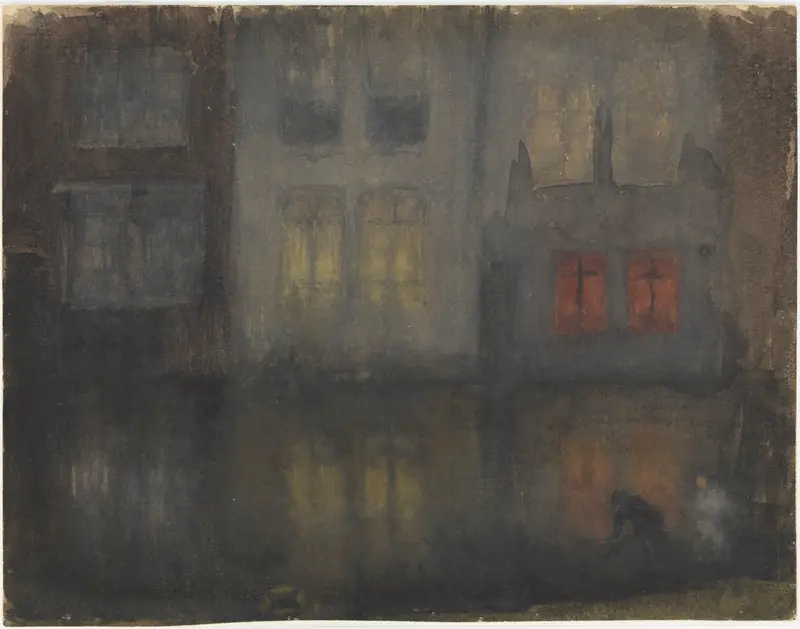
Nocturne: Black and Red—Back Canal, Holland
James Abbott McNeill Whistler





