Arabian Ornament No. 4 — History & Facts
What first catches the eye in Arabian Ornament No. 4 is the hypnotic rhythm of geometry—every line, every curve, seems to pulse with deliberate harmony. The page is a feast of interlacing vines, starbursts, and floral motifs, each panel a self-contained world, yet all united by a palette of olive green, earthy brown, and flashes of vermilion.
The symmetry is almost musical: rosettes and arabesques repeat with mathematical precision, while the negative spaces breathe life into the dense ornamentation. Light is not painted here, but implied—each motif outlined in crisp contrast, as if illuminated from within. The careful balance of color and form invites the viewer to linger, tracing the endless pathways of pattern that once adorned palaces and manuscripts. This chromolithograph, created by Owen Jones in 1856 and published in London by B.
Quaritch in 1910, belongs to a celebrated tradition of design manuals that catalogued the world’s decorative arts for a new industrial age. In the nineteenth century, such works were prized by architects, designers, and scholars eager to revive or reinterpret historical styles—especially those, like Islamic ornament, that seemed both ancient and refreshingly modern. Jones’s The Grammar of Ornament became a touchstone for the Victorian fascination with pattern, offering not just visual delight but also a philosophy of design rooted in universal principles.
Few traces remain of the original interiors and objects these motifs once adorned, but in this printed page, their legacy endures—inviting us to imagine the hands and eyes that first composed such intricate beauty.
More Artworks by Owen Jones

Greek Ornament No. 1
Owen Jones
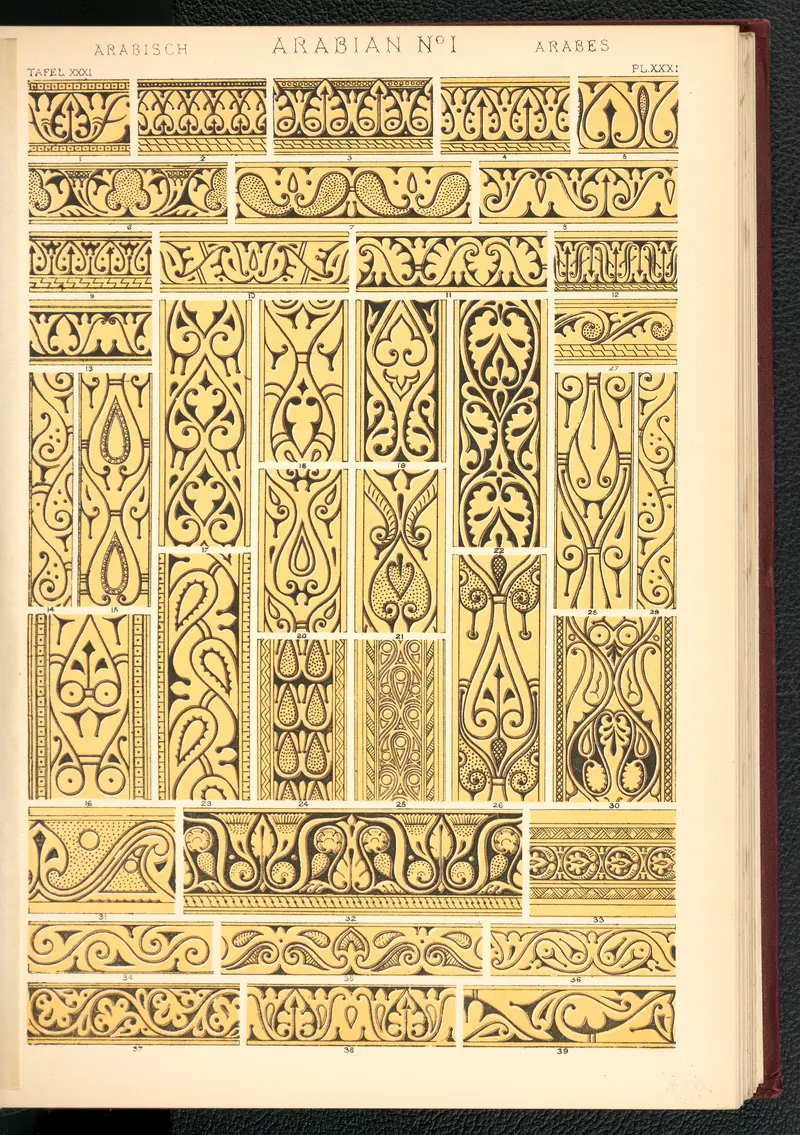
Arabian Ornament No. 1
Owen Jones
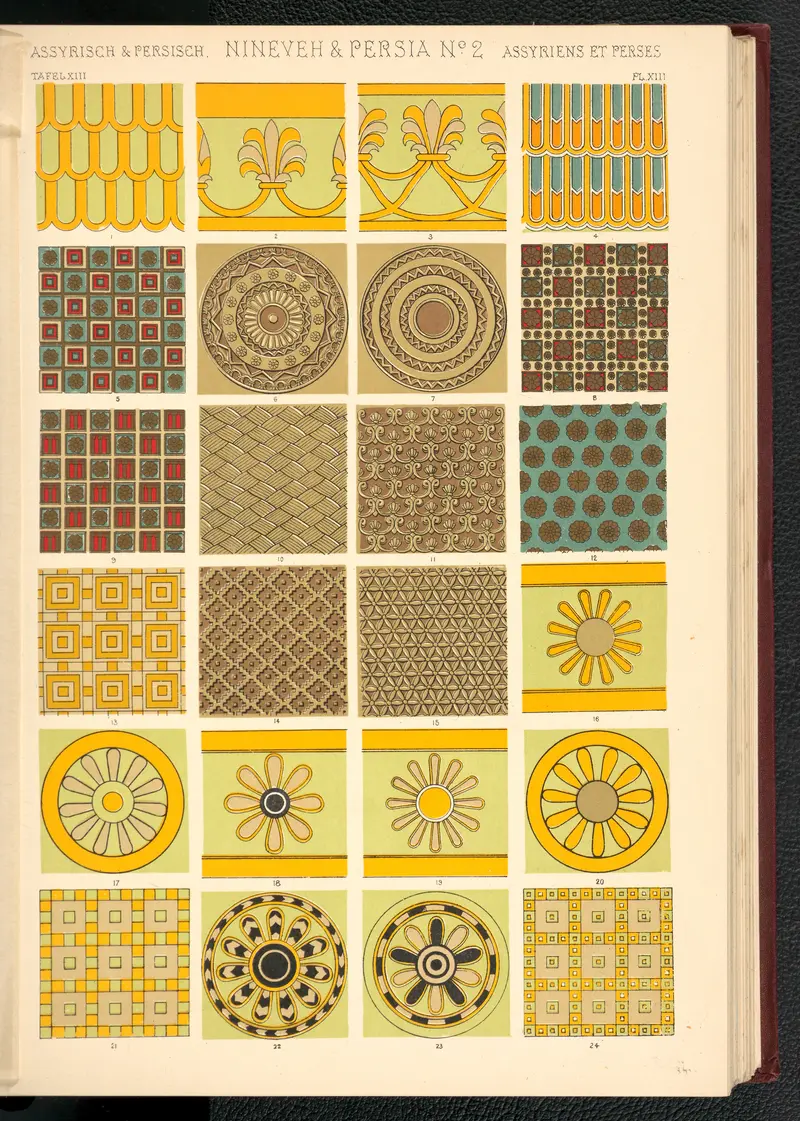
Assyrian Ornament No. 2
Owen Jones

Egyptian Ornament No. 3
Owen Jones
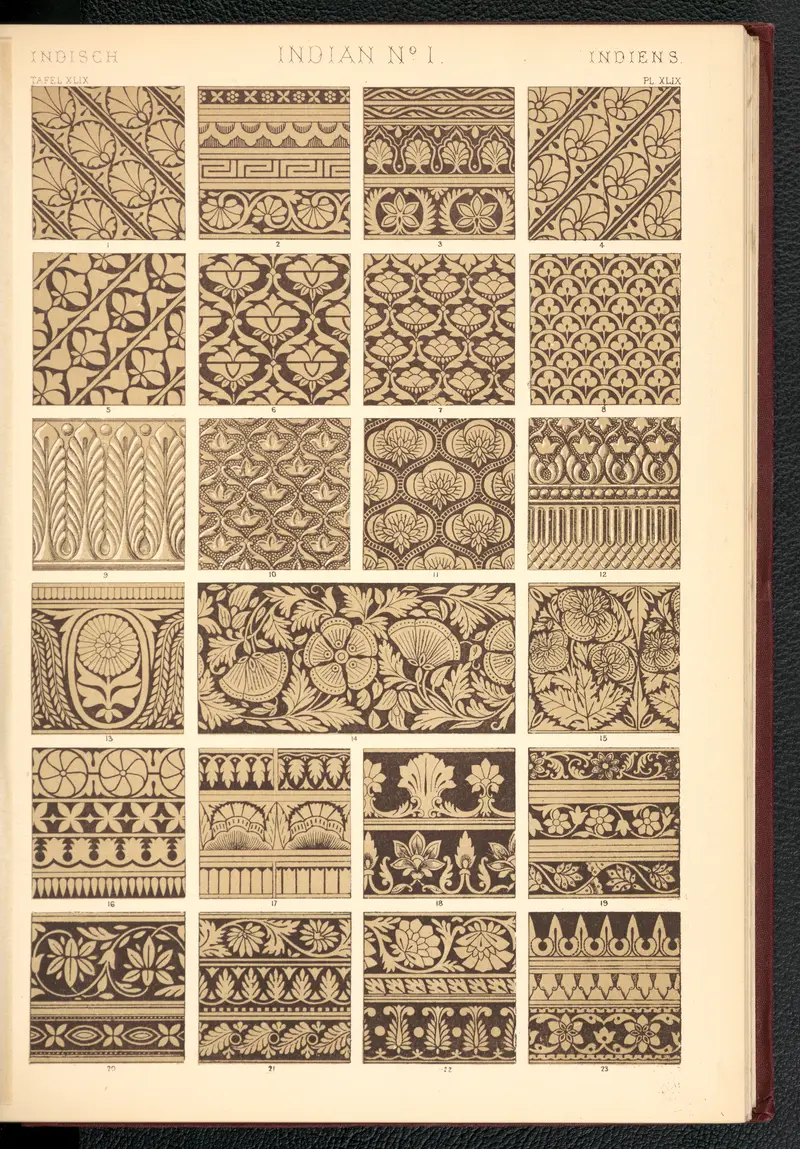
Indian Ornament No. 1
Owen Jones
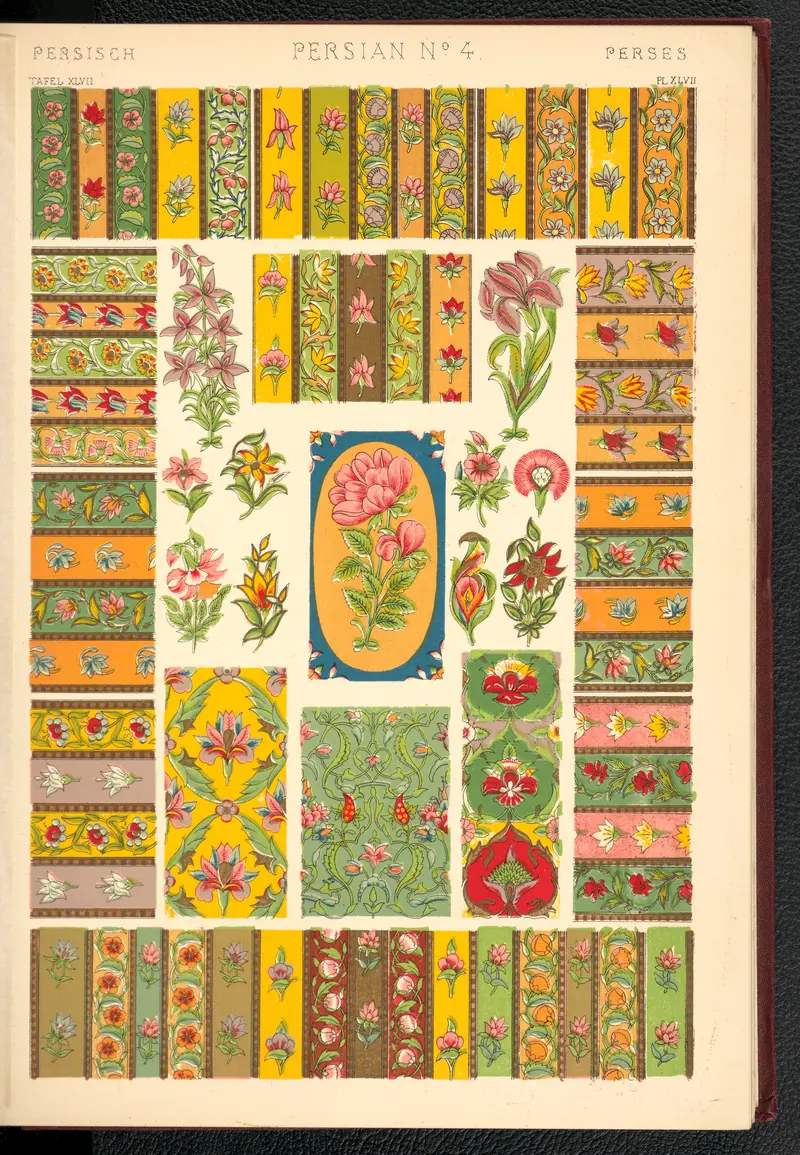
Persian Ornament No. 4
Owen Jones
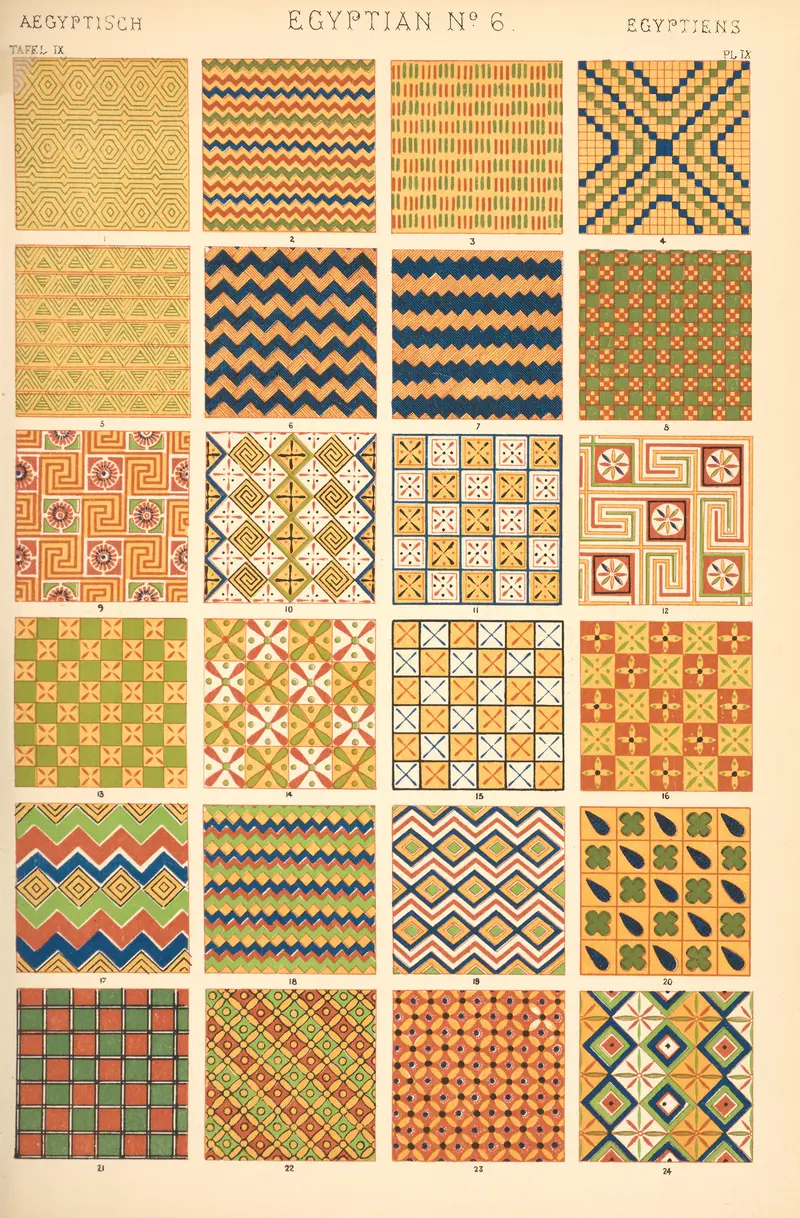
Egyptian Ornament No. 6
Owen Jones
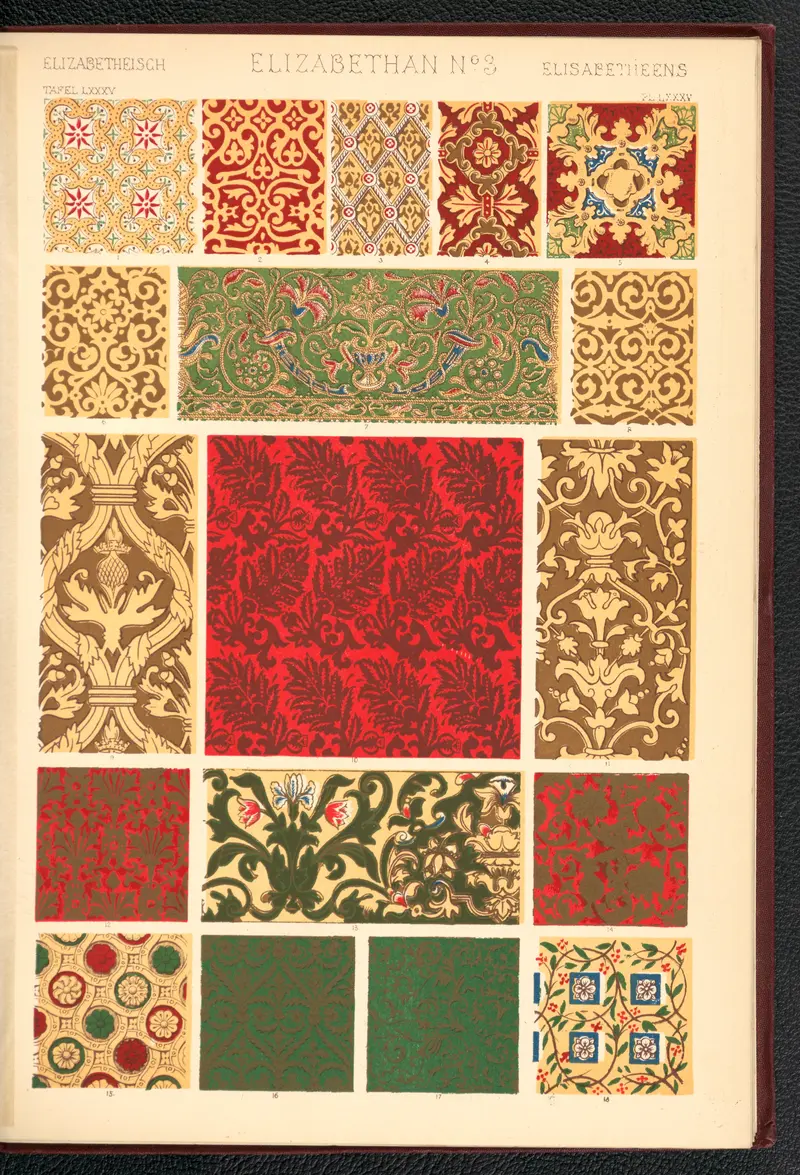
Elizabethan Ornament No. 3
Owen Jones
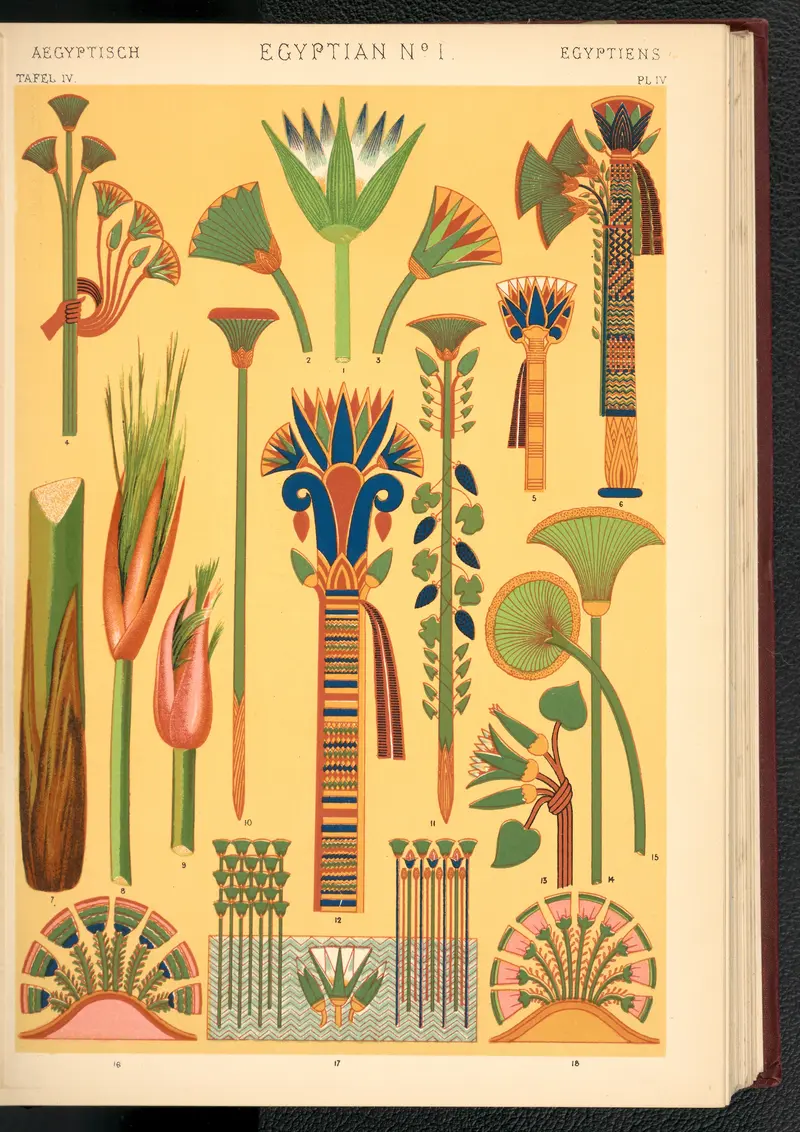
Egyptian Ornament No. 1
Owen Jones
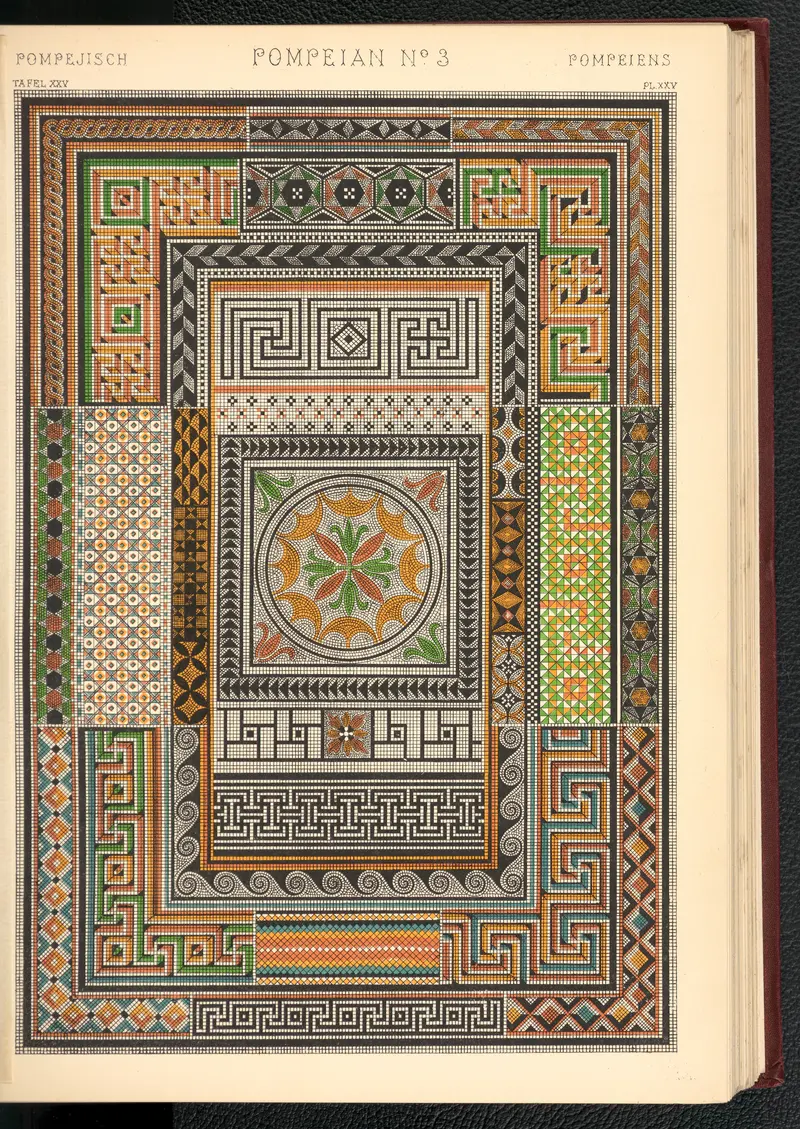
Pompeian Ornament No. 3
Owen Jones