
Banlieue — History & Facts
When Banlieue was first exhibited in 1882, critics immediately recognized it as a turning point for Georges Seurat, who was then just 22 years old. The painting is often cited as one of the earliest examples of Seurat’s experiments with divisionism—years before his celebrated A Sunday Afternoon on the Island of La Grande Jatte. Scholars still debate whether Banlieue was painted en plein air or in the studio, as the brushwork suggests both immediacy and careful planning.
Its title, simply meaning "suburb," hints at a new kind of subject: the ordinary outskirts of Paris, rather than its grand boulevards or monuments. Seurat captures a quiet moment on the edge of the city, where the built environment gives way to open fields and scattered figures. In the foreground, a pair of workers rest on the grass, their bodies rendered in short, deliberate strokes that anticipate Seurat’s later pointillist technique. A distant smokestack signals the encroachment of industry, while the soft, hazy light dissolves the boundary between town and countryside.
Unlike the bustling scenes of Impressionist contemporaries such as Monet or Pissarro, Seurat’s view is restrained, almost meditative, inviting the viewer to reflect on the changing rhythms of modern life. The subtle geometry of the composition—horizontal bands of earth, grass, and sky—anchors the scene in a calm order. The exact provenance of Banlieue remains uncertain, as records from Seurat’s early career are incomplete. It is not clear whether the work was painted for a specific patron or intended for public exhibition, though it was included in several group shows in Paris during the 1880s.
Over time, the painting has come to be seen as a crucial step in Seurat’s development, bridging his early studies of light and color with the systematic approach of his later masterpieces. Today, Banlieue is held in a private collection, rarely seen by the public, but its influence can be traced in the evolution of Post-Impressionism and in Seurat’s own mature works.
More Artworks by Georges Seurat
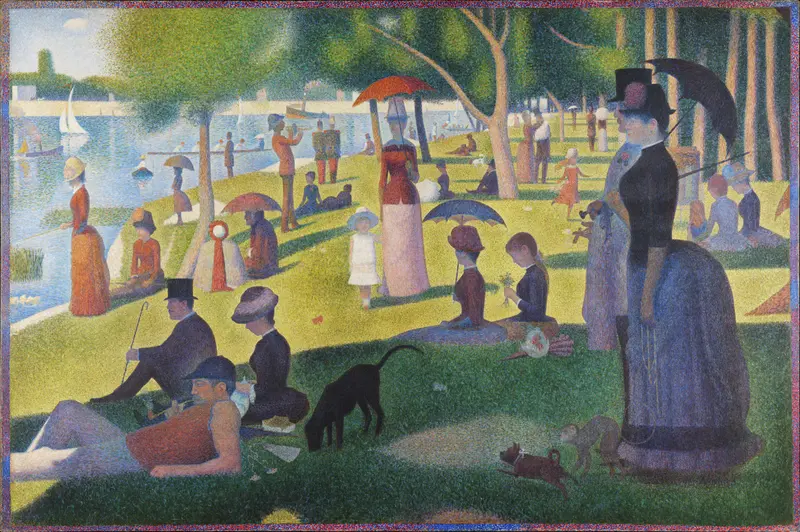
A Sunday Afternoon on the Island of La Grande Jatte
Georges Seurat
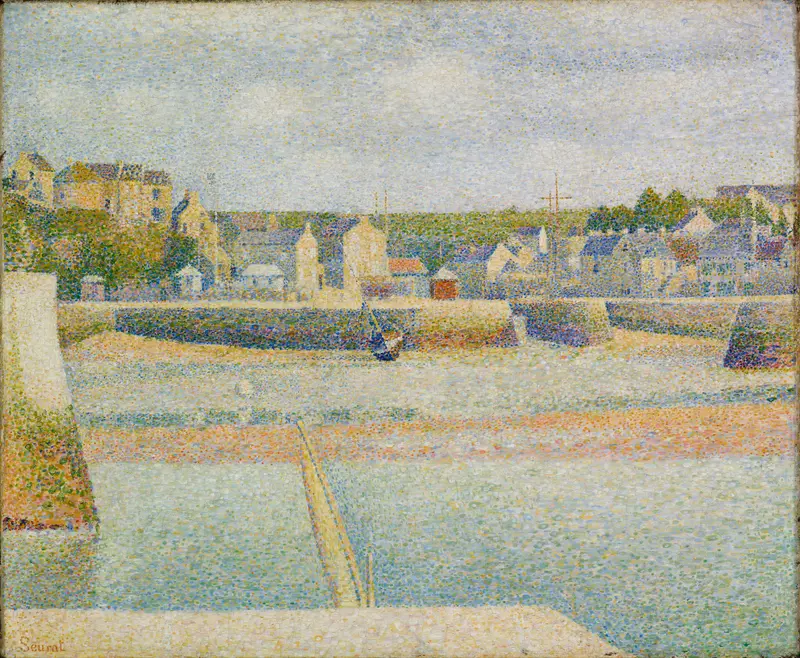
Port-en-Bessin, The Outer Harbor (Low Tide)
Georges Seurat
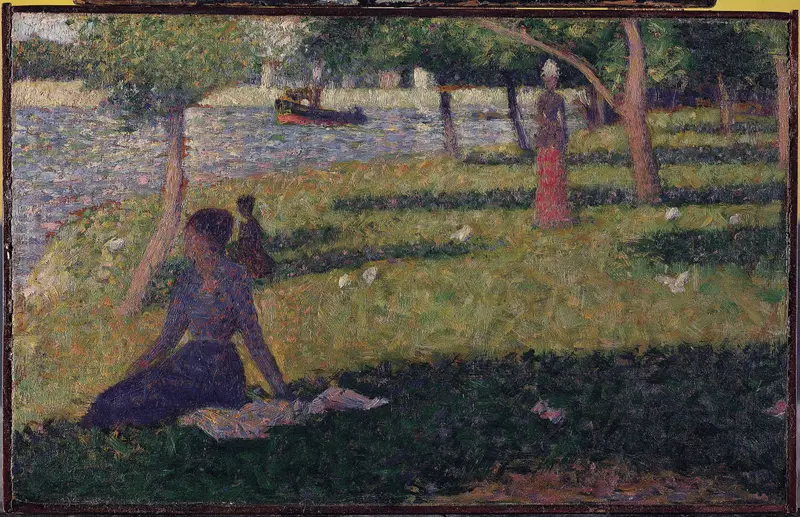
Étude pour ‘La Grande Jatte’ (Study for ‘La Grande Jatte’)
Georges Seurat
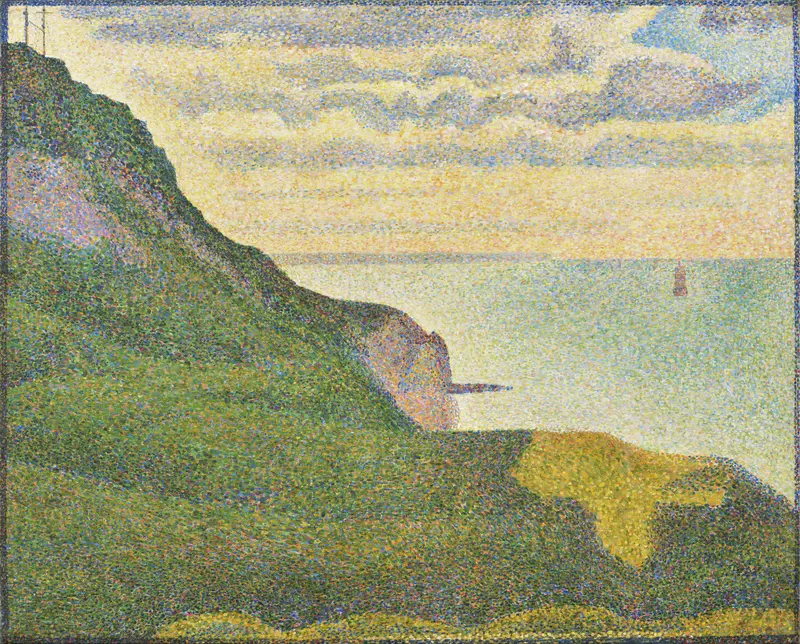
Seascape at Port-en-Bessin,Normandy
Georges Seurat
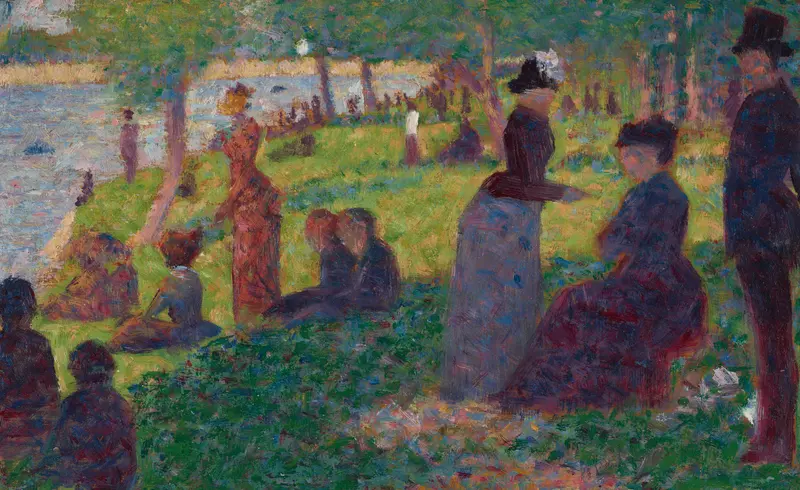
Oil Sketch for "A Sunday on La Grande Jatte — 1884"
Georges Seurat
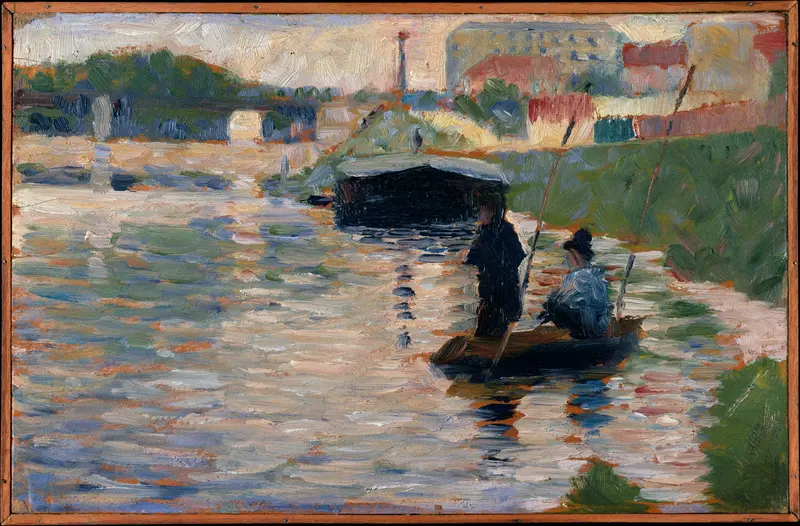
View of the Seine
Georges Seurat
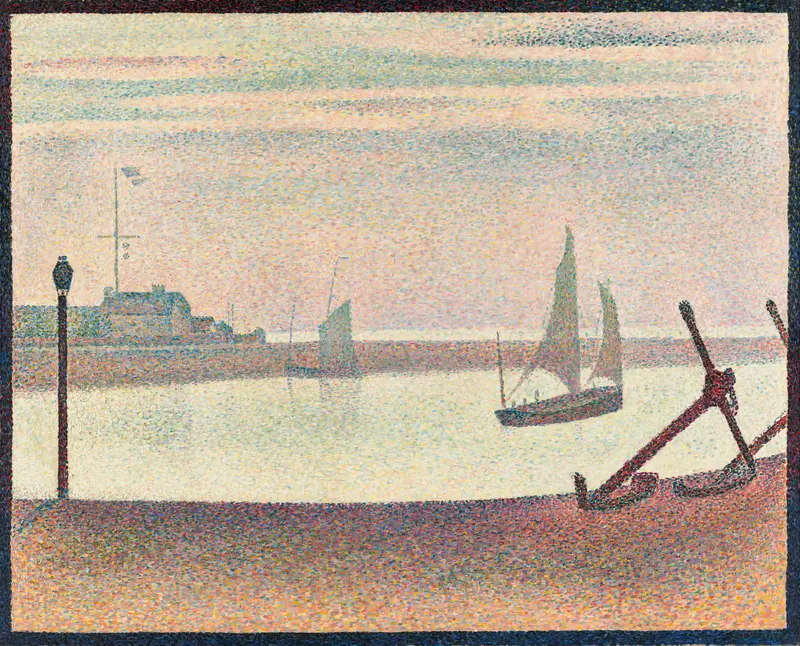
The Channel at Gravelines, Evening
Georges Seurat
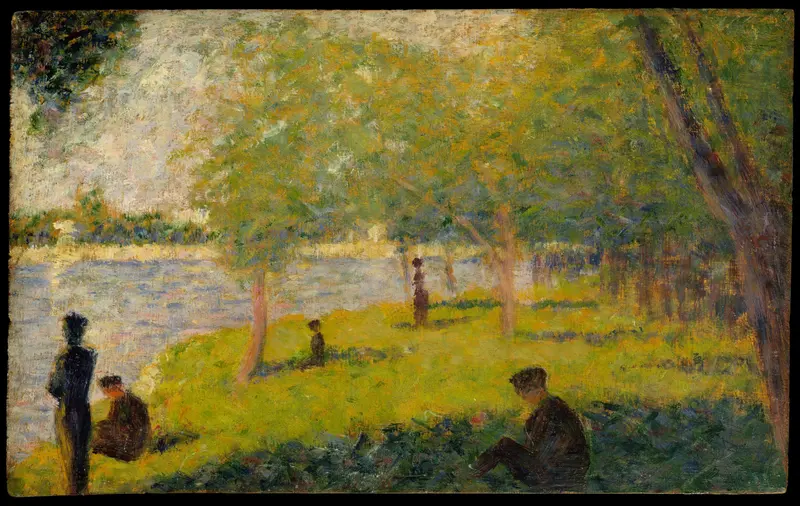
Study for ‘A Sunday on La Grande Jatte’
Georges Seurat
Study for A Sunday on La Grande Jatte
Georges Seurat
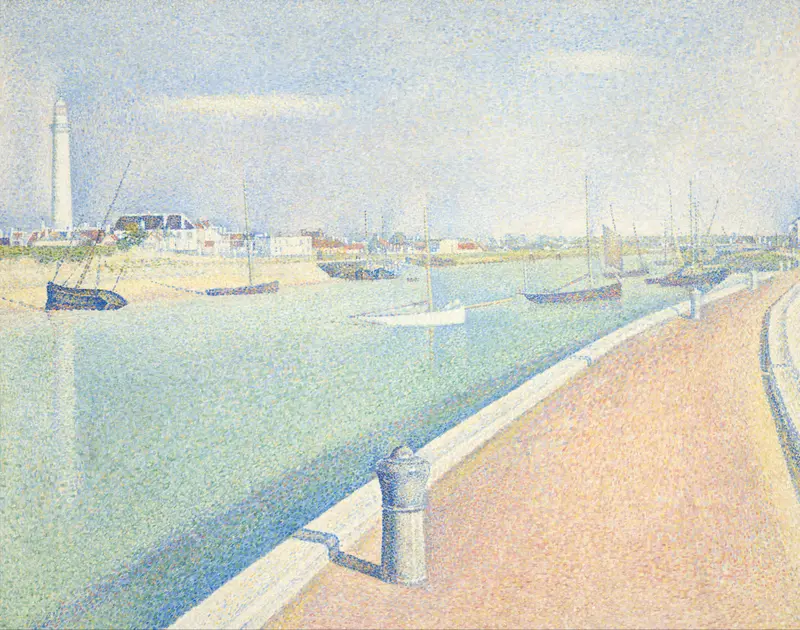
The Channel of Gravelines, Petit Fort Philippe
Georges Seurat
More Landscape Art

The Starry Night
Vincent van Gogh

View of Delft
Johannes Vermeer

Water Lilies
Claude Monet

The Grand Canal, Venice, looking north-west from the Ca' Corner to the Ca' Contarini degli Scrigni, with the campanile of Santa Maria della Carità
Canaletto

Windsor Castle
Canaletto

The Grand Canal looking North-East from the Palazzo Dolfin-Manin to the Rialto Bridge
Canaletto