
Bildnisstudie eines jungen Mannes — History & Facts
No one knows the identity of the young man who gazes out from Bildnisstudie eines jungen Mannes, nor the purpose for which Filippino Lippi painted him. This enigmatic portrait study, whose date and medium remain undocumented, has long intrigued scholars for its unfinished quality and psychological immediacy. Some have speculated that it was a preparatory work for a larger commission, while others see in it a rare glimpse into the artist’s private practice, unmediated by patron or public display.
The absence of attributes or inscriptions only deepens the mystery, inviting viewers to imagine the sitter’s story. The young man’s direct, almost challenging gaze meets the viewer with a sense of immediacy unusual for the period. His features are rendered with a sensitivity to character: the slightly parted lips, the alert eyes, and the gentle modeling of the face suggest a living presence caught in a fleeting moment. The background is left bare, focusing all attention on the sitter’s expression and pose.
Unlike the highly finished and idealized portraits of Sandro Botticelli, with whom Filippino Lippi trained, this study feels intimate and searching, as if the artist were probing both the likeness and the inner life of his subject. The absence of decorative elements or symbolic objects leaves interpretation open, but the careful attention to the sitter’s mood hints at the growing Renaissance interest in individuality. The journey of Bildnisstudie eines jungen Mannes through history is largely undocumented, much like many of Filippino Lippi’s drawings and studies. Without clear records of patronage or early provenance, the work’s origins and original context remain uncertain.
It stands today as a testament to the artist’s skill in portraiture, which he developed alongside his more famous religious commissions in Florence. Though not as widely celebrated as his altarpieces, works like this offer a window into the experimental and personal side of Filippino Lippi’s career, bridging the gap between the formal conventions of the Early Renaissance and the more searching, psychological approaches that would follow.
More Artworks by Filippino Lippi

Portrait of a Youth
Filippino Lippi
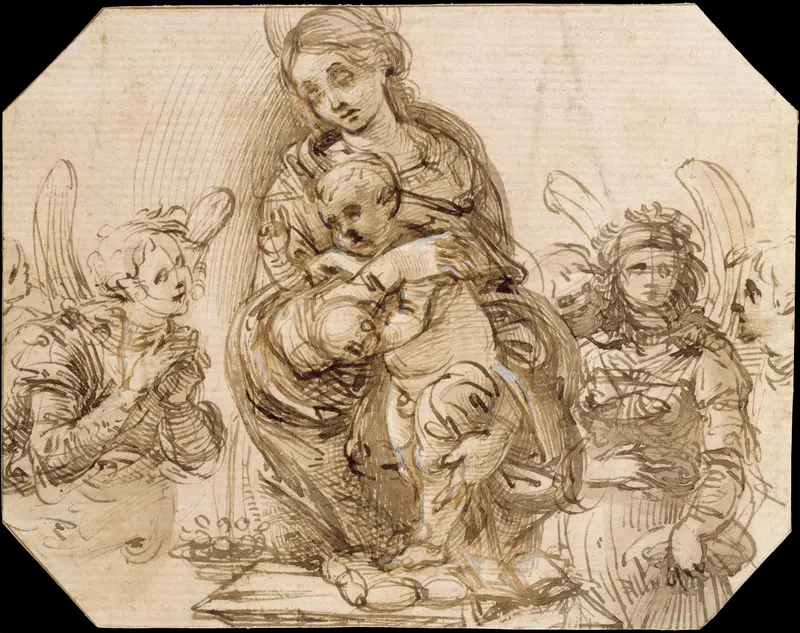
Virgin and Child Attended by Angels
Filippino Lippi

Christ on the Cross
Filippino Lippi
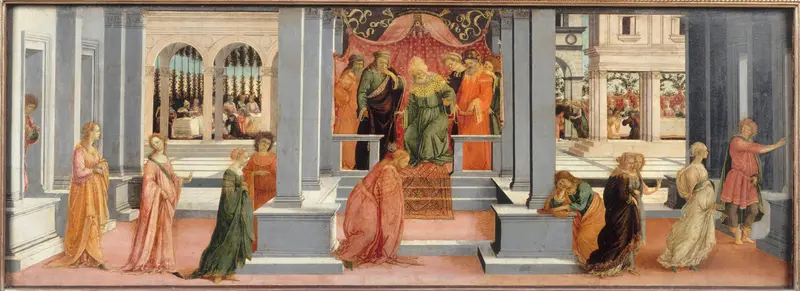
Esther choisie par Assuérus
Filippino Lippi
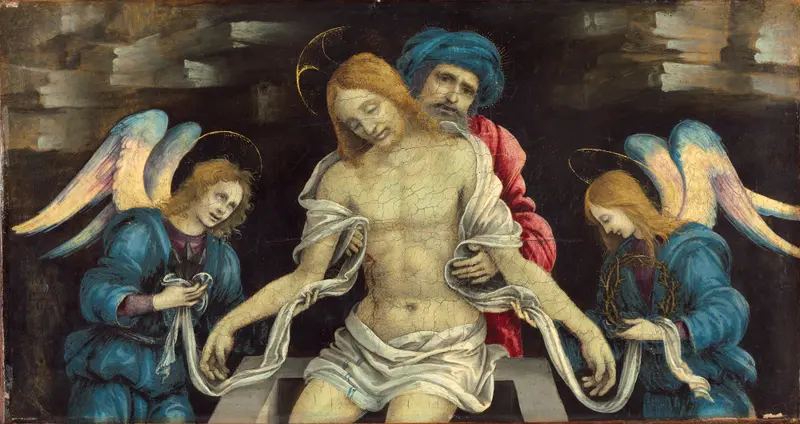
Pietà (The Dead Christ Mourned by Nicodemus and Two Angels)
Filippino Lippi
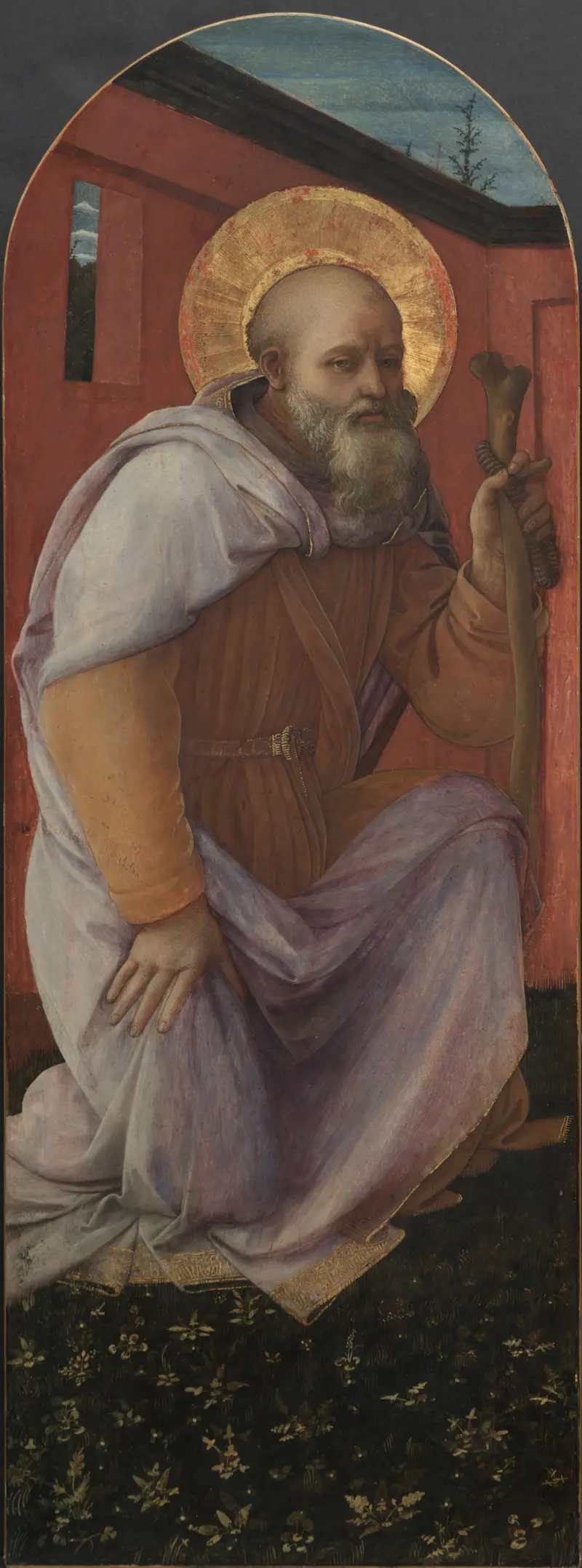
St. Anthony Abbot
Filippino Lippi
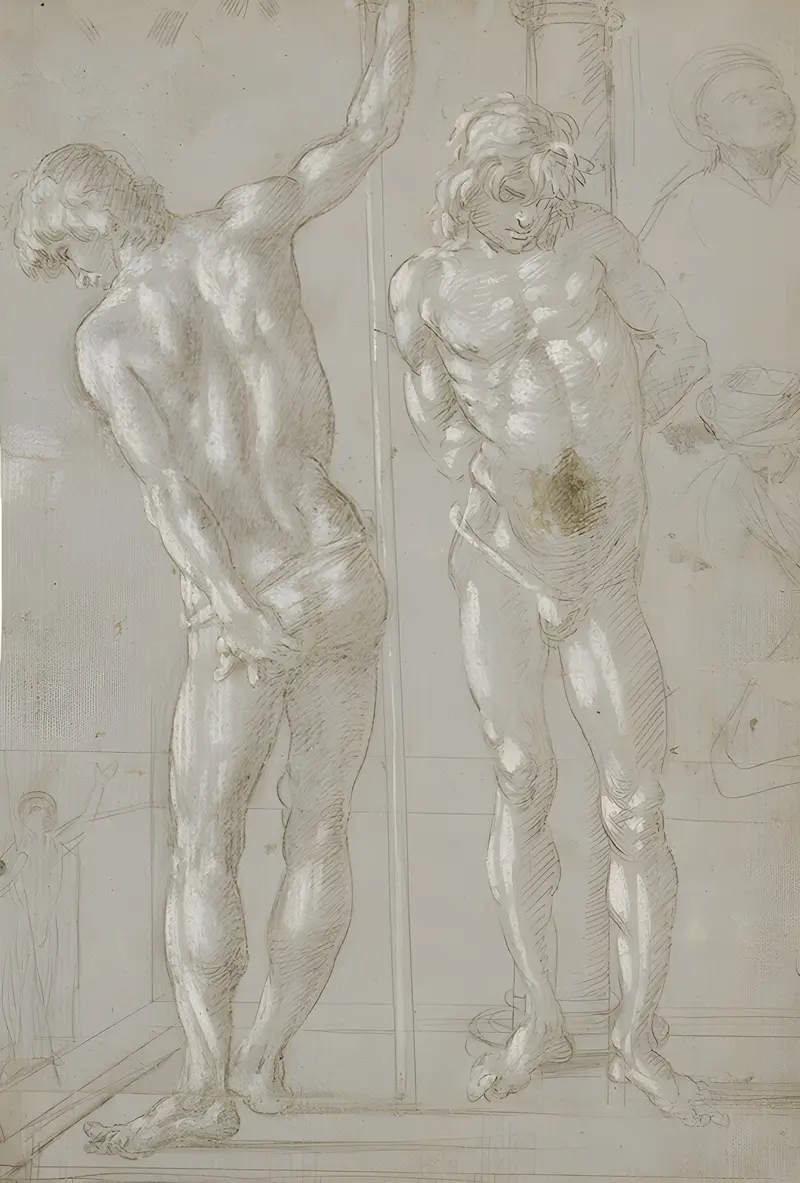
Studies of Christ at the Column, a Nude from Behind, and Various Figures
Filippino Lippi
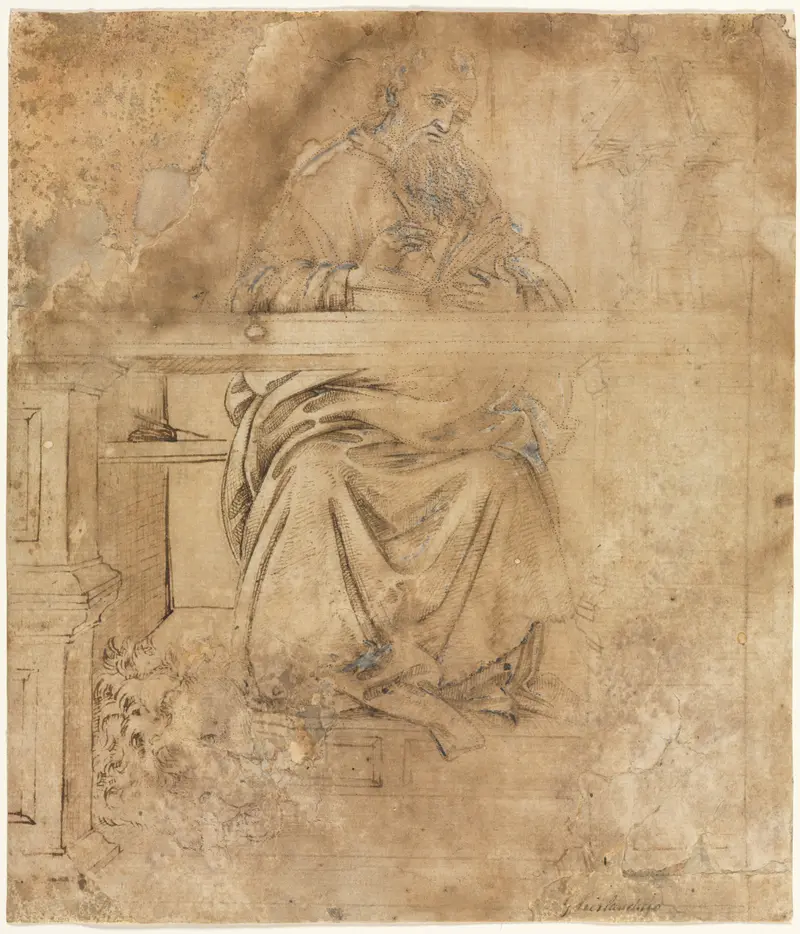
St. Jerome in His Study
Filippino Lippi
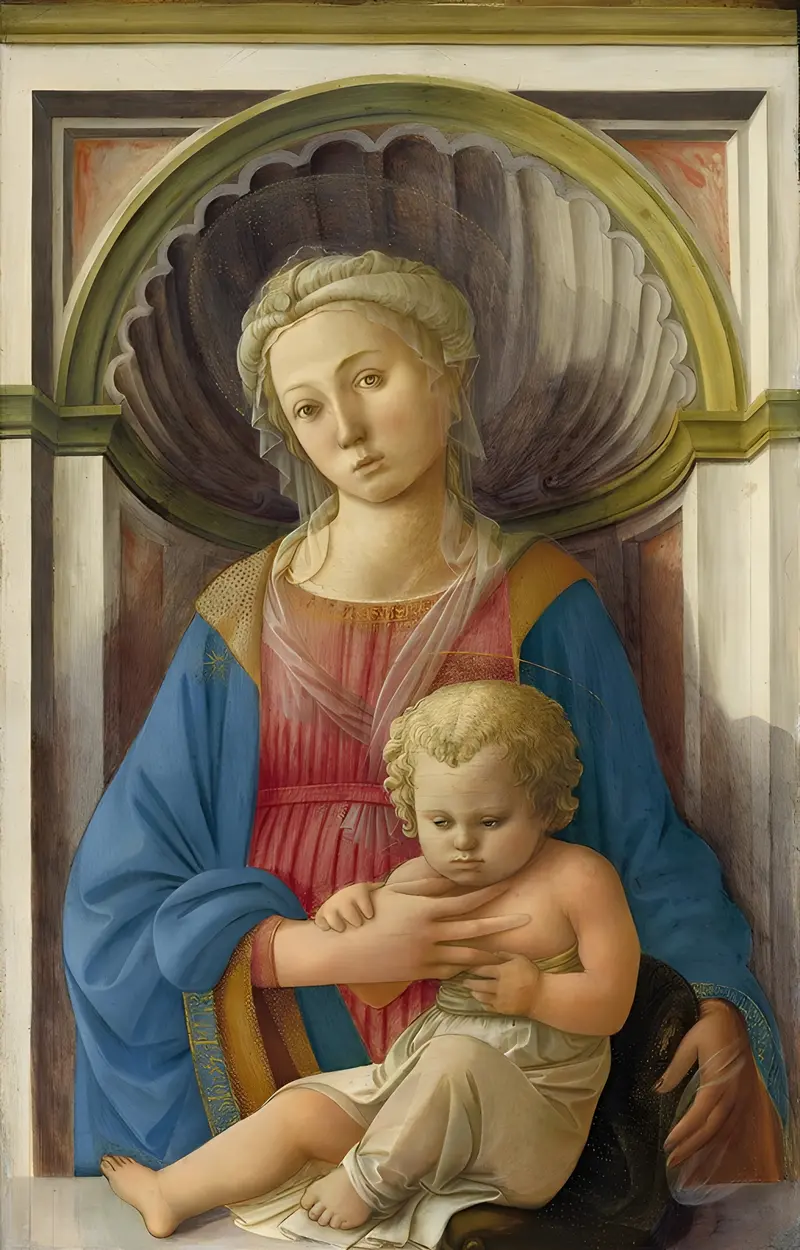
Madonna and Child
Filippino Lippi
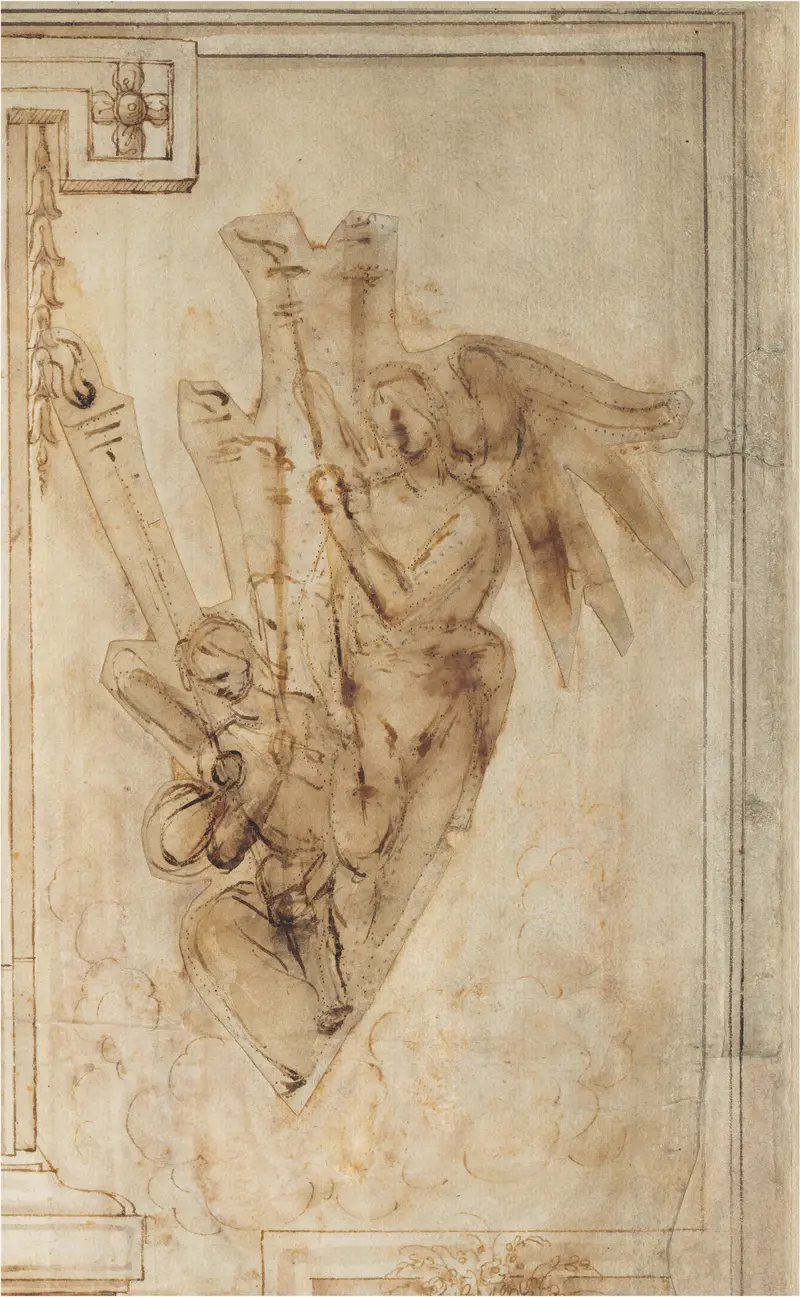
Two Angels Carrying Torches
Filippino Lippi





