
Blind Man's Bluff — History & Facts
Few paintings have so delighted and scandalized in equal measure as Blind Man's Bluff, one of the earliest triumphs of Jean-Honoré Fragonard. When first exhibited in 1757, Parisian critics whispered about its flirtatious spirit, seeing in its playful subject a reflection of the libertine tastes of the Rococo elite. The painting quickly became a touchstone for debates about morality in art, with some praising its charm and others decrying its apparent frivolity.
Its fame was such that Fragonard himself returned to the theme at least once, producing another version now in the collection of the Metropolitan Museum of Art. At the heart of Blind Man's Bluff is a game, but also a game of courtship. In a sun-dappled garden, a young woman, eyes covered with a delicate kerchief, reaches out uncertainly while her would-be suitor hovers just out of reach, his body language both teasing and inviting. The lush foliage and silken costumes suggest a world of privilege and leisure, while the scattered flowers and abandoned hats hint at a story unfolding just out of sight.
Fragonard’s soft, rapid brushwork and golden light create a sense of movement and anticipation, much as Watteau did in his fêtes galantes, but here the mood is more intimate, more conspiratorial. The game is a pretext: the real drama is in the glances and gestures, the unspoken rules of flirtation. The precise origins of this particular version are not fully documented, though it is generally accepted to have been painted for a private patron during Fragonard’s early Paris years. Its journey through collections is less clear than that of its more famous twin, but it stands as a vivid example of the artist’s early Rococo style, before his later turn to more dramatic and literary subjects.
Today, Blind Man's Bluff is celebrated as a quintessential Fragonard, capturing the spirit of an age when art was as much about pleasure as it was about beauty. The painting’s enduring appeal lies in its ability to conjure a vanished world of games, gardens, and glances—forever suspended in a moment of anticipation.
More Artworks by Jean-Honoré Fragonard
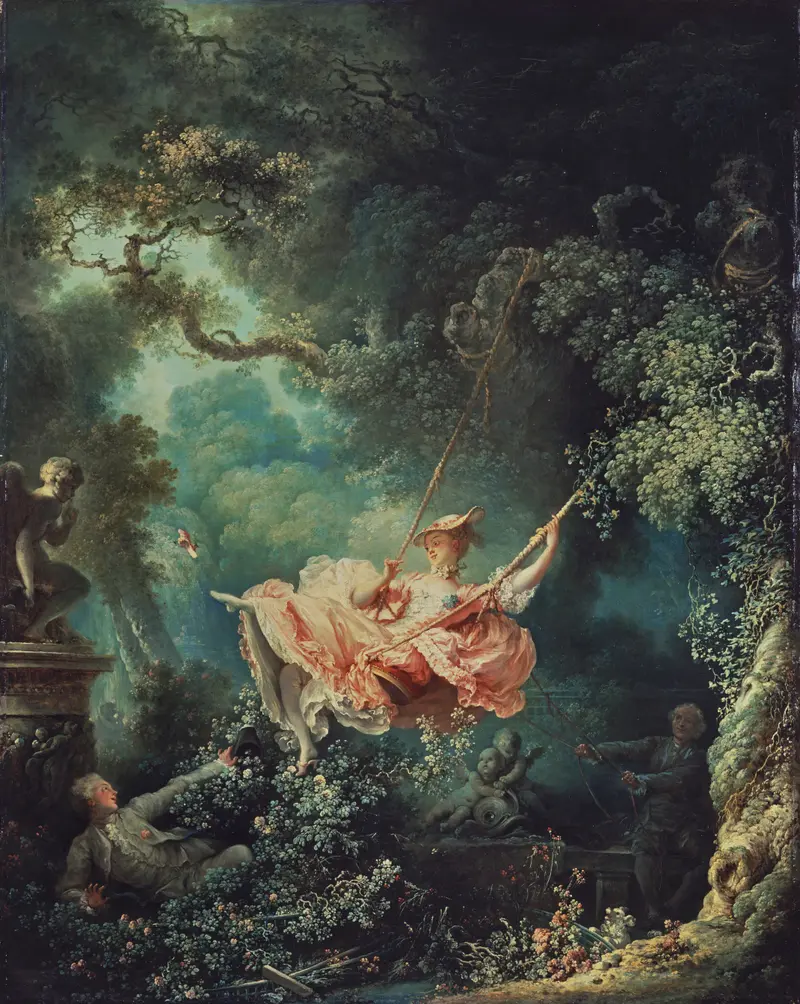
The Swing
Jean-Honoré Fragonard

The Swing
Jean-Honoré Fragonard
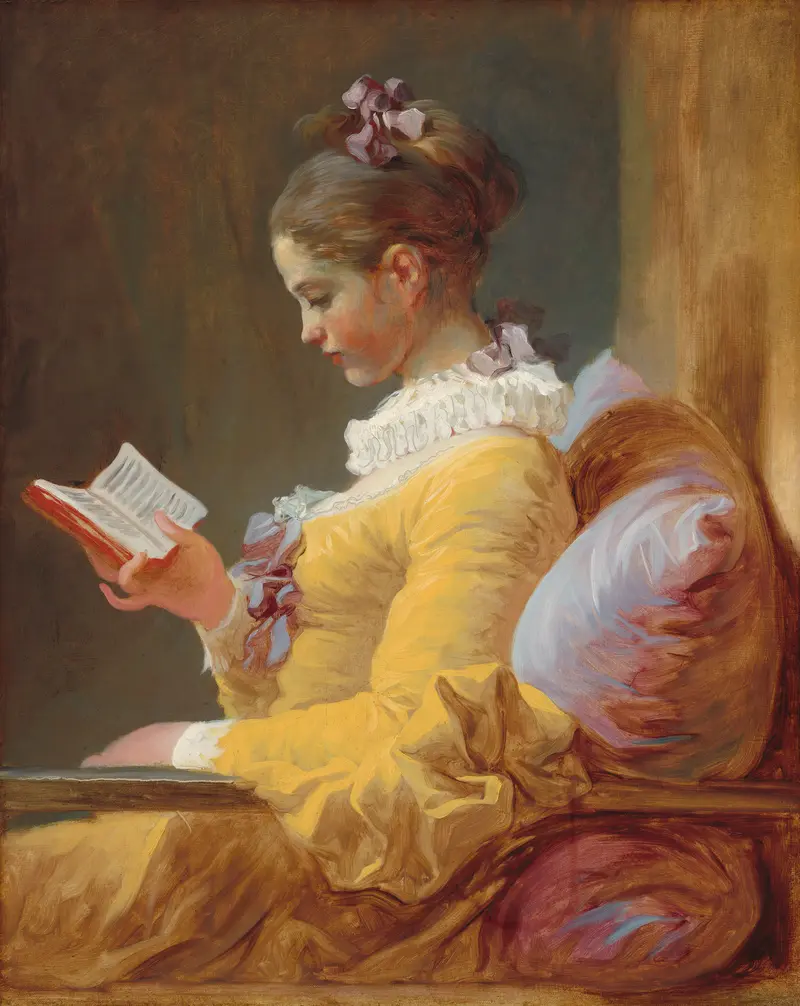
A Young Girl Reading
Jean-Honoré Fragonard
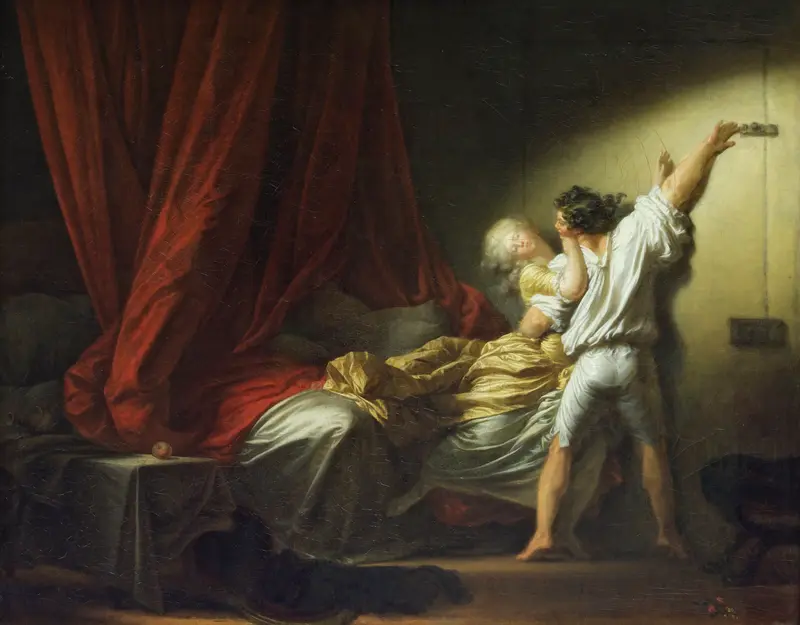
The Lock
Jean-Honoré Fragonard

The Triumph of Venus
Jean-Honoré Fragonard
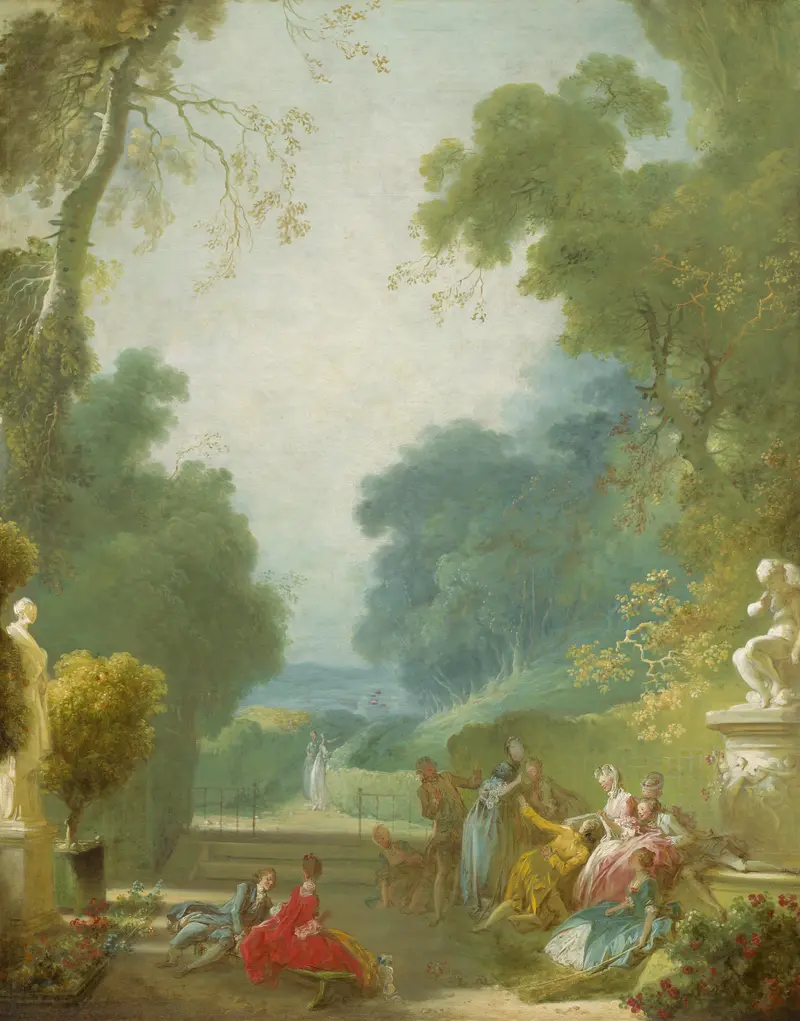
A Game of Hot Cockles
Jean-Honoré Fragonard
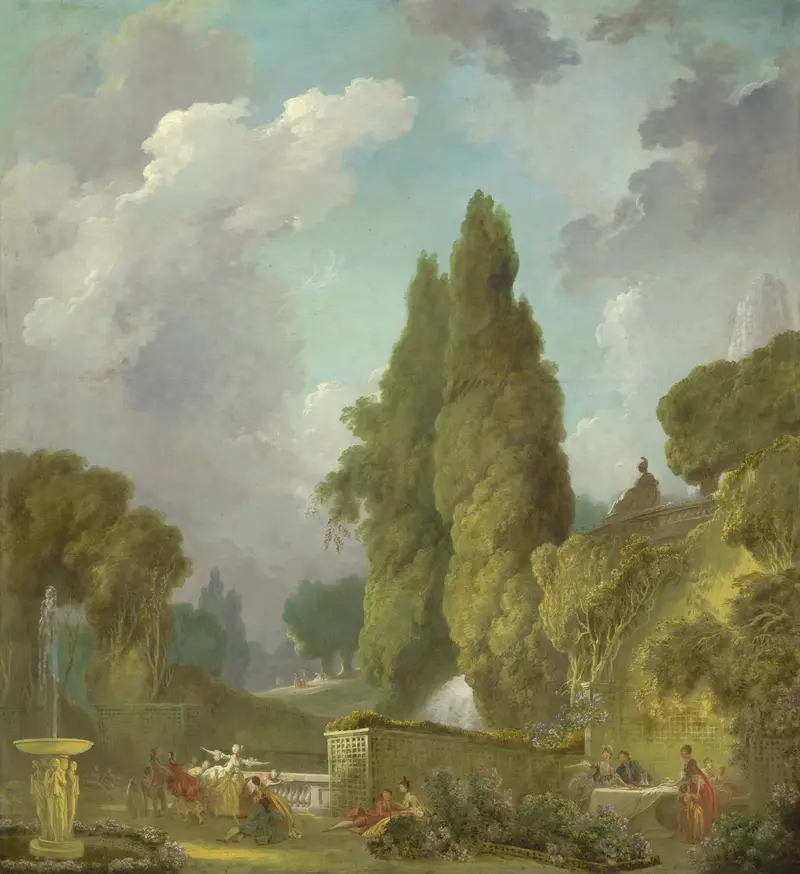
Blindman’s Buff
Jean-Honoré Fragonard
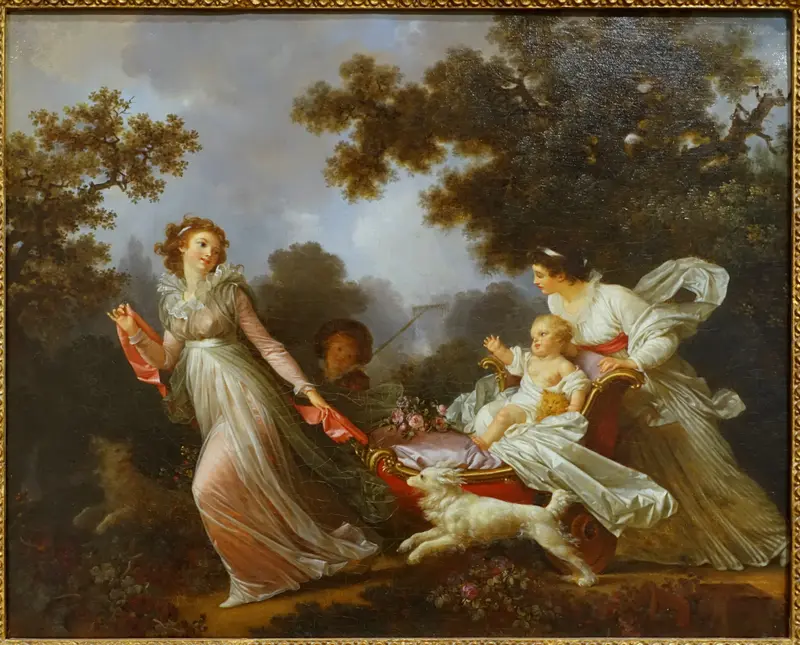
The Beloved Child
Jean-Honoré Fragonard
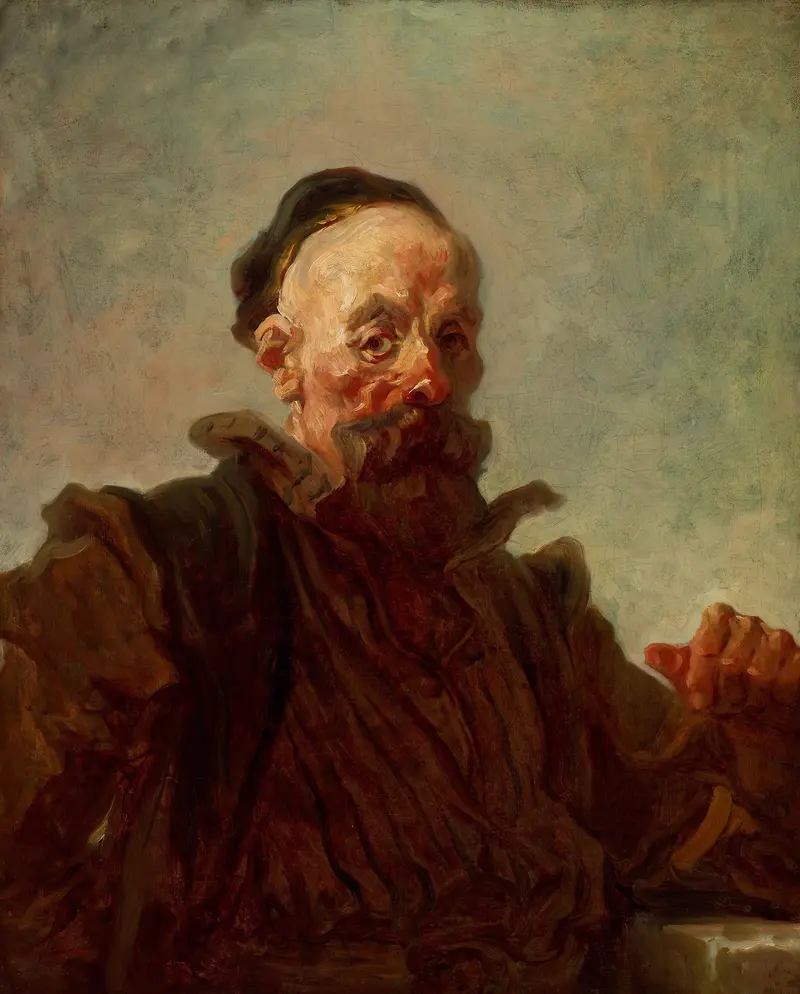
Portrait of a Man in Costume
Jean-Honoré Fragonard
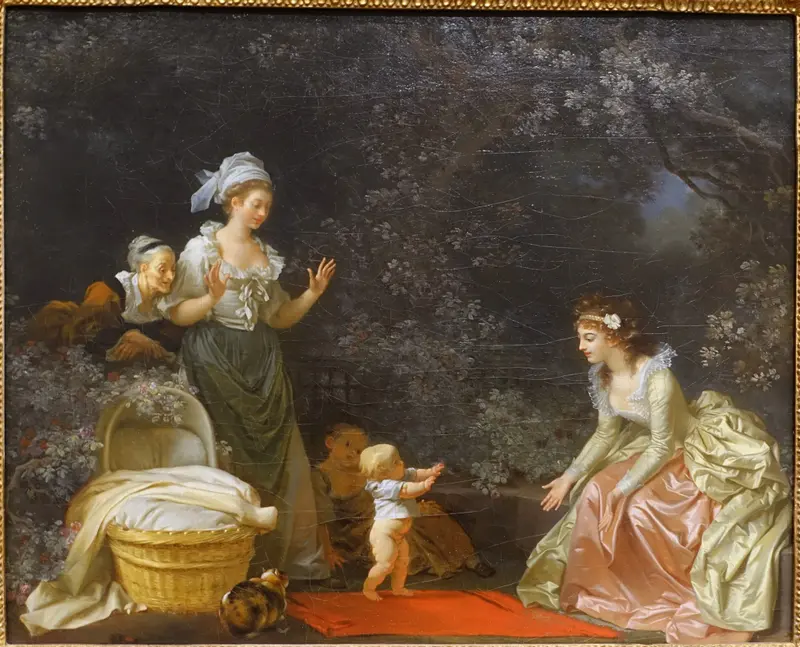
The First Steps
Jean-Honoré Fragonard
More Genre Scene Art

Banquet of the Officers of the St George Civic Guard
Frans Hals

Rembrandt and Saskia in the Scene of the Prodigal Son
Rembrandt van Rijn

Bal du moulin de la Galette
Pierre-Auguste Renoir

Quadrille at the Moulin Rouge
Henri de Toulouse-Lautrec

A Burial at Ornans
Gustave Courbet

When Will You Marry?
Paul Gauguin