
Camillo Astalli, known as Cardinal Pamphili — History & Facts
When Diego Velázquez arrived in Rome in 1649, he found himself at the heart of papal politics, and among the many portraits he painted during this celebrated second Italian trip was that of Camillo Astalli, a figure who, for a brief and controversial moment, was declared Cardinal Nephew—the pope’s most powerful advisor. The appointment of Astalli in 1650 by Pope Innocent X Pamphili was a scandal that rippled through Rome; Astalli, a distant relative, was catapulted into power only to fall from grace within a year, accused of betrayal and intrigue. This portrait was painted at the very height of Astalli’s influence, a moment when the young cardinal’s fortunes seemed unstoppable. In the painting, Astalli is captured seated, turned slightly toward the viewer, his gaze direct yet wary—a man conscious of both his power and its precariousness.
The cardinal’s rich red robes, rendered with Velázquez’s signature loose brushwork, shimmer against the subdued background, while the delicate lace of his rochet and the gold cross at his breast mark his high ecclesiastical rank. The light falls across his face, revealing a complexion both youthful and tense, as if the painter has caught him mid-thought, aware of the shifting tides around him. Unlike the grand, idealized portraits of cardinals by Titian, Velázquez offers a psychological study, hinting at the man behind the office, his ambition and unease. Commissioned during Velázquez’s Roman sojourn, Camillo Astalli, known as Cardinal Pamphili is one of a series of portraits of papal courtiers and relatives, including the famed Portrait of Innocent X.
The painting’s subsequent history is less dramatic than its sitter’s: after Astalli’s disgrace, the portrait remained in Rome, passing quietly through private collections before entering the Museo del Prado, where it hangs today. For Velázquez, this work was part of a period of extraordinary creativity and experimentation, as he absorbed Italian influences and refined his approach to portraiture—a legacy visible in the intimate realism and psychological depth of this canvas.
More Artworks by Diego Velázquez

Las Meninas
Diego Velázquez
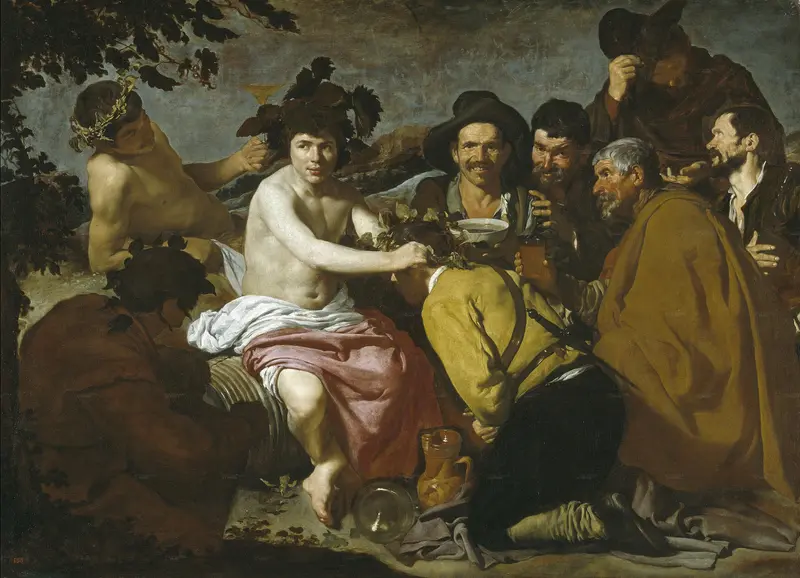
The Triumph of Bacchus
Diego Velázquez
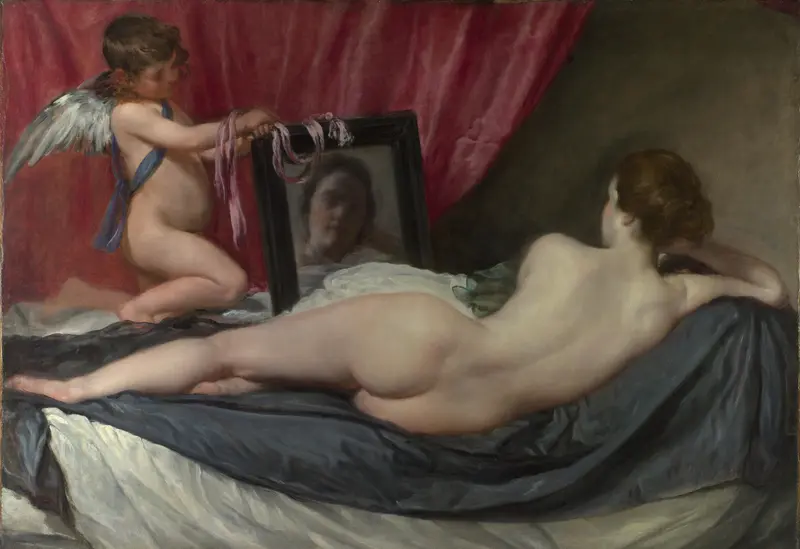
Rokeby Venus
Diego Velázquez
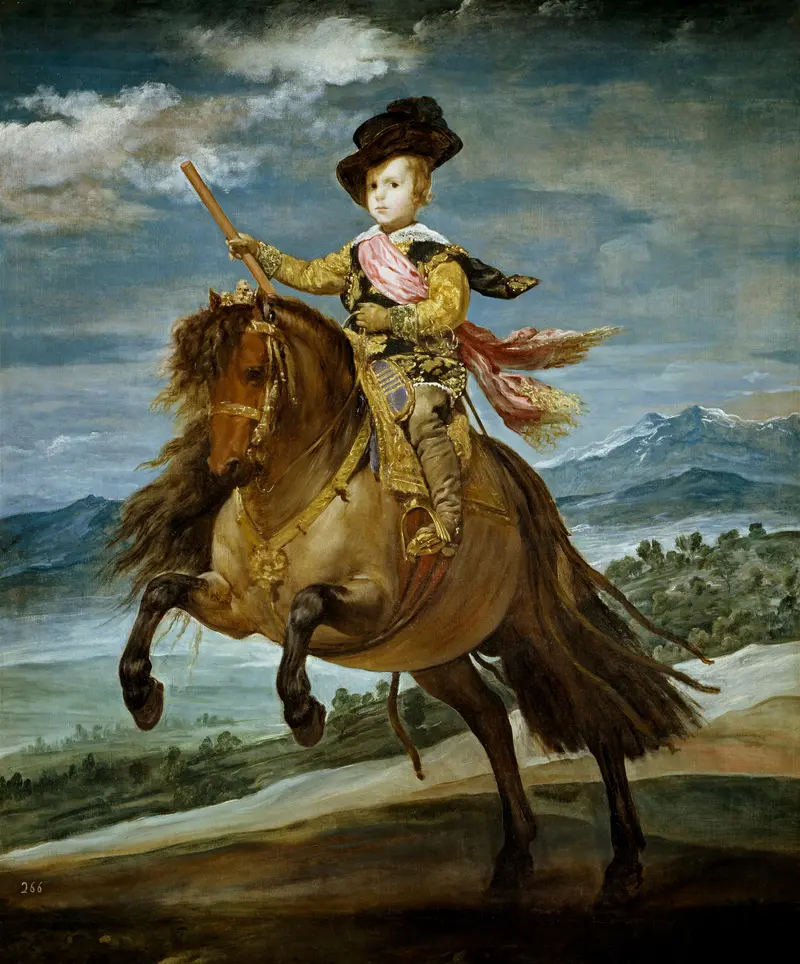
Equestrian Portrait of Prince Balthasar Charles
Diego Velázquez
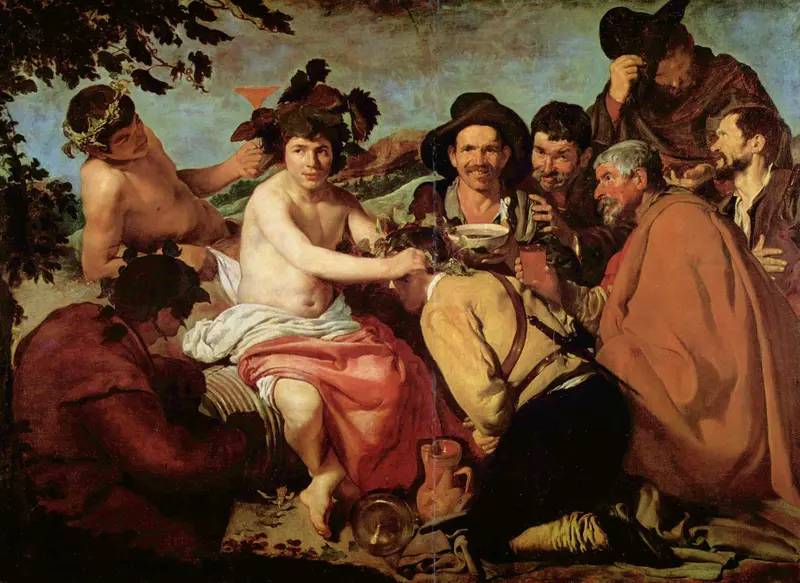
Bacchus
Diego Velázquez
Don Gaspar de Guzmán (1587–1645), Count-Duke of Olivares
Diego Velázquez
El príncipe Baltasar Carlos de Austria
Diego Velázquez
Equestrian Portrait of Philip III
Diego Velázquez
Equestrian Portrait of Margarita of Austria
Diego Velázquez
Las Hilanderas
Diego Velázquez




