
Chant moldave — History & Facts
It is the commanding presence of the Moldavian singer that first seizes the viewer’s attention in Chant moldave by Théophile Alexandre Steinlen. Her gaze is cast upward and outward, as if she is about to launch into song, her posture radiating both pride and invitation. The embroidered vest and full sleeves of her costume, rendered in bold reds and earth tones, signal a deliberate celebration of regional identity.
In her right hand, she grips a tambourine, its edge echoing the circular sweep of her hair, suggesting rhythm and movement even in stillness. The background is kept simple, a wash of blue and shadow that allows the figure and the striking red title to dominate, drawing the eye back again and again to her poised readiness. Created in 1889 for the Parisian publication La Semaine artistique & musicale, this print belongs to a moment when French artists and audiences were fascinated by the music and folklore of Eastern Europe. Such works were often used to advertise concerts or sheet music, their bold graphics and romanticized costumes designed to spark curiosity and longing for distant lands.
Steinlen, best known for his posters and illustrations of Parisian life, here turns his attention to the allure of the exotic within the familiar urban world. While little is recorded about this particular image’s journey, its presence in the Bibliothèque nationale de France today speaks to the era’s hunger for both spectacle and song—a mood that still lingers in the proud tilt of the singer’s head.
More Artworks by Théophile Alexandre Steinlen

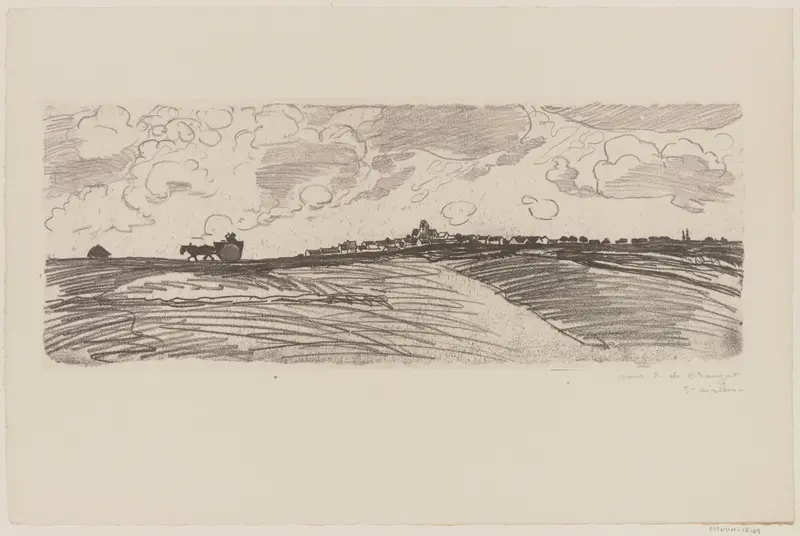
Village et charrette
Théophile Alexandre Steinlen
Village et charrette
Théophile Alexandre Steinlen
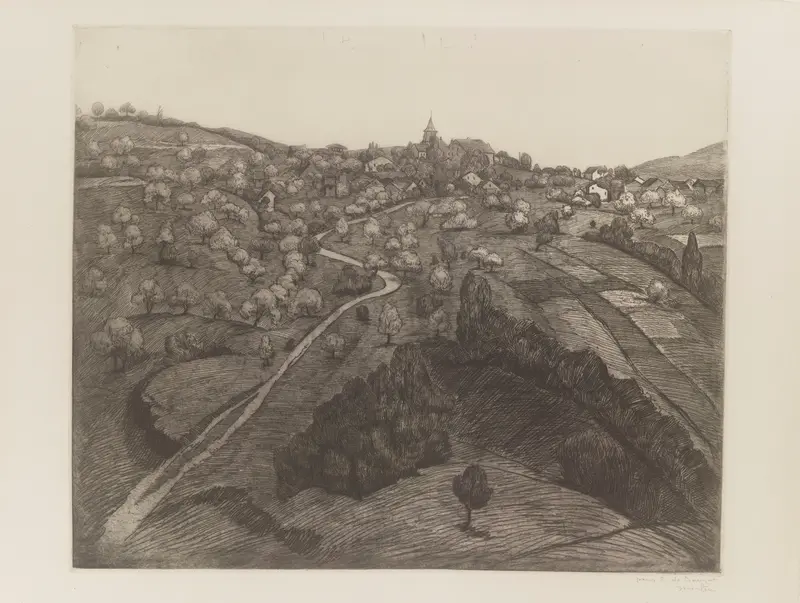
Vue de Belmont, près de Lausanne
Théophile Alexandre Steinlen
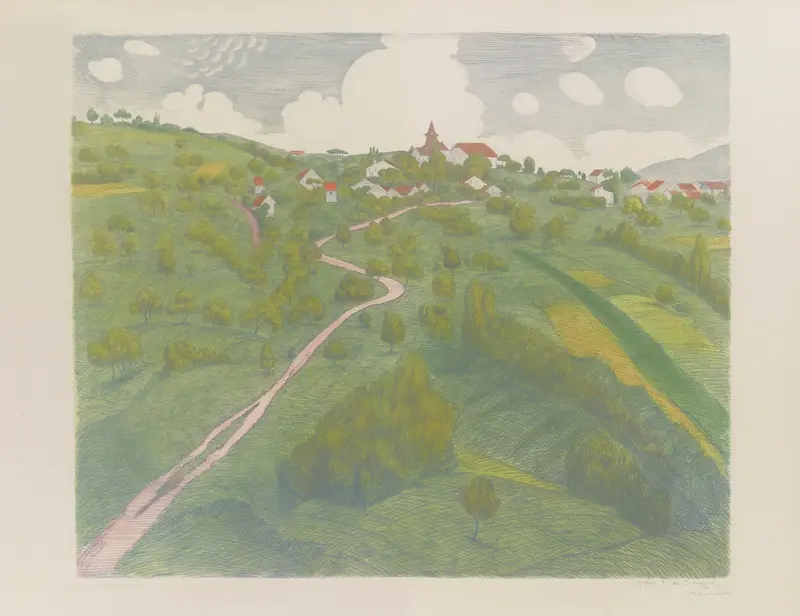
Vue de Belmont, près de Lausanne
Théophile Alexandre Steinlen
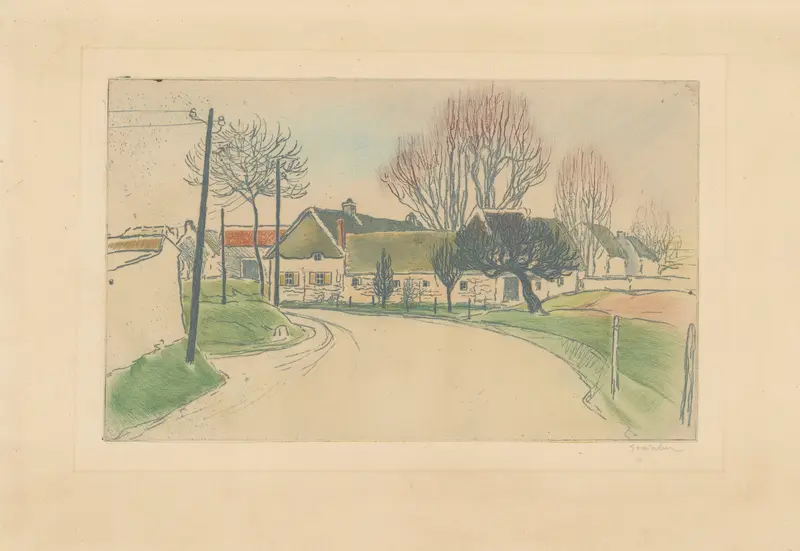
La maison à l’entrée du village
Théophile Alexandre Steinlen
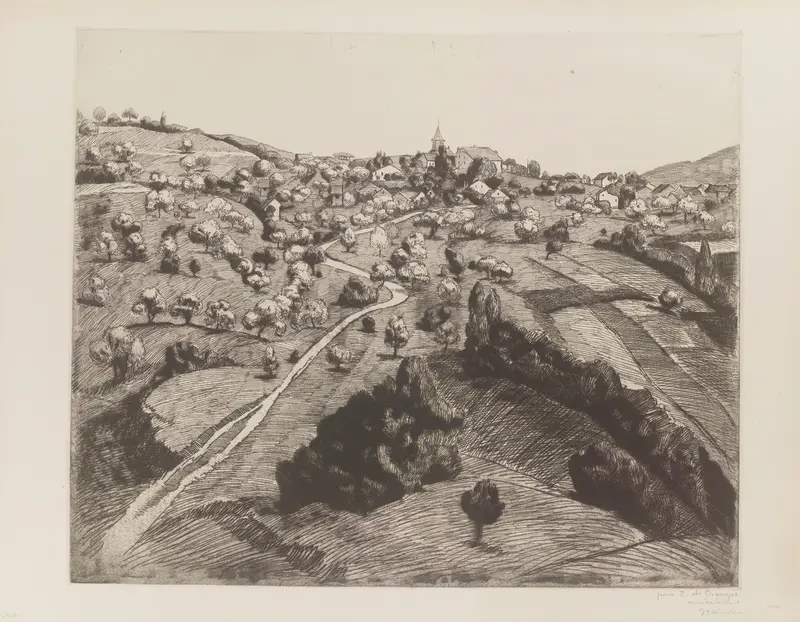
Vue de Belmont, près de Lausanne
Théophile Alexandre Steinlen
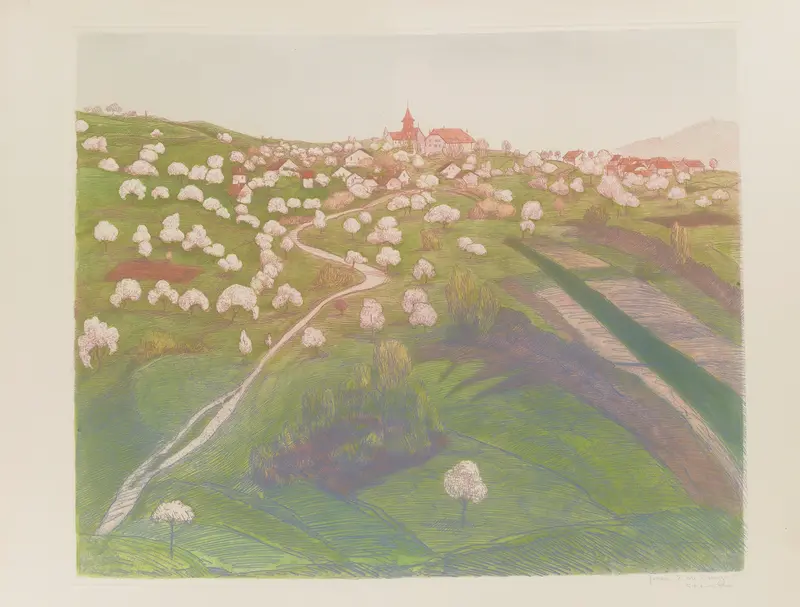
Vue de Belmont, près de Lausanne, n° 2
Théophile Alexandre Steinlen
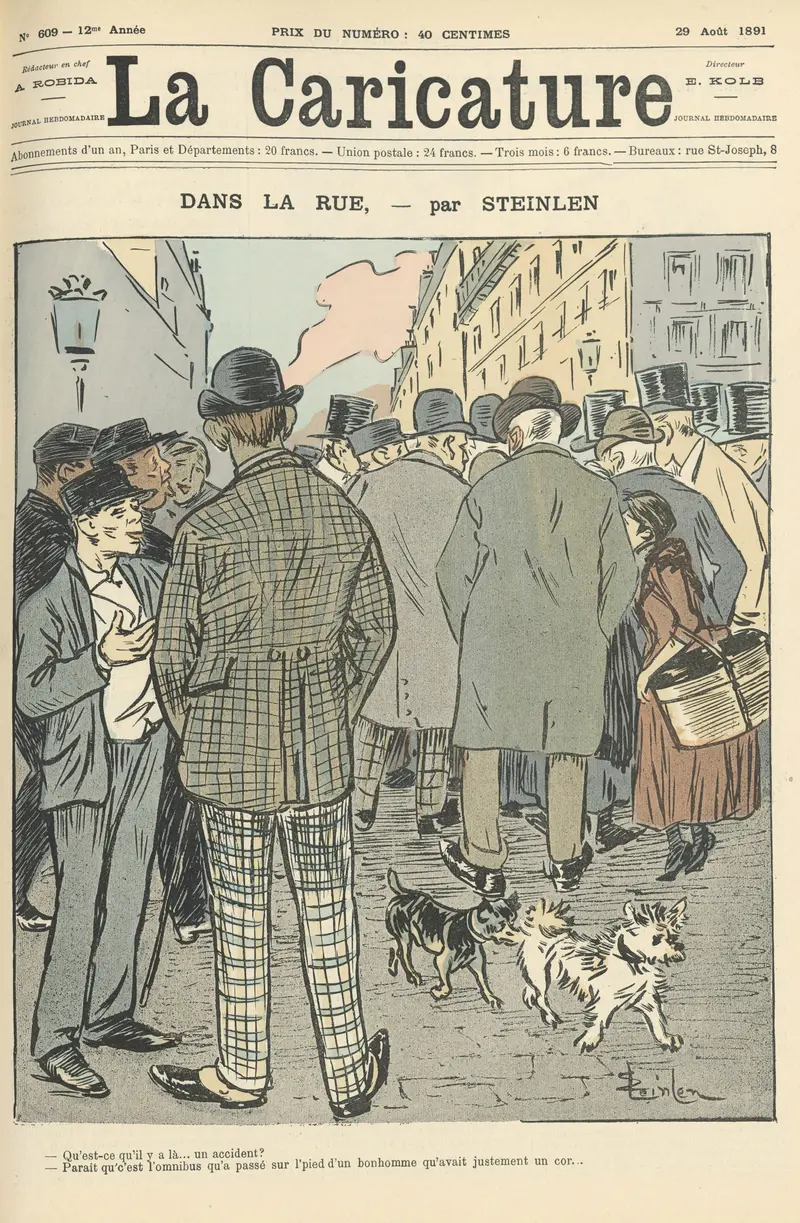
Dans la rue (La Caricature, 29 août 1891)
Théophile Alexandre Steinlen
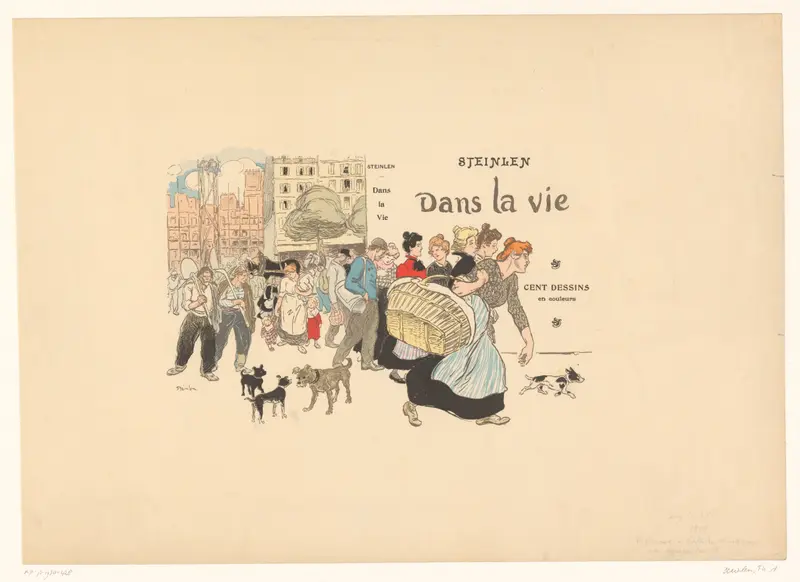
Dans la vie
Théophile Alexandre Steinlen
The Laundresses
Théophile Alexandre Steinlen
More Genre Scene Art

Banquet of the Officers of the St George Civic Guard
Frans Hals

Rembrandt and Saskia in the Scene of the Prodigal Son
Rembrandt van Rijn

Bal du moulin de la Galette
Pierre-Auguste Renoir

Quadrille at the Moulin Rouge
Henri de Toulouse-Lautrec

A Burial at Ornans
Gustave Courbet

When Will You Marry?
Paul Gauguin