
Christ and the Samaritan Woman — History & Facts
When Artemisia Gentileschi painted Christ and the Samaritan Woman in 1637, she tackled a subject that had rarely appeared in her oeuvre: a peaceful, intimate exchange rather than a scene of violence or drama. The story comes from the Gospel of John, but what makes this work especially notable is that it stands as one of the few known religious commissions from the later period of Gentileschi's career, when she was active in Naples. Scholars still debate the original patron and intended location, adding a layer of mystery to its origins. At the well, Christ leans forward, his hand raised in gentle instruction, while the Samaritan woman listens, water jar resting at her side.
This is the moment when, breaking social and religious boundaries, Jesus reveals his knowledge of her life and offers her "living water"—a metaphor for spiritual renewal. The strong diagonal of light falls across the woman's face, highlighting her alert, questioning expression, while Christ’s calm, open gesture invites dialogue. Unlike Annibale Carracci's treatment of the same episode, which often emphasizes theological grandeur, Gentileschi focuses on the private, human exchange, using warm tones and direct gazes to draw the viewer into the conversation. The painting’s later history is not fully documented, but it is generally agreed that Christ and the Samaritan Woman was produced during Gentileschi's productive Neapolitan years, a period marked by commissions for both local churches and private collectors.
Its whereabouts for much of the 18th and 19th centuries remain unclear, typical for many works by Gentileschi, whose authorship was often overlooked or misattributed. Today, the painting stands as a testament to her versatility and psychological insight, offering a rare glimpse into her approach to biblical narrative and her ability to infuse familiar stories with fresh immediacy.
More Artworks by Artemisia Gentileschi

Judith Beheading Holofernes
Artemisia Gentileschi
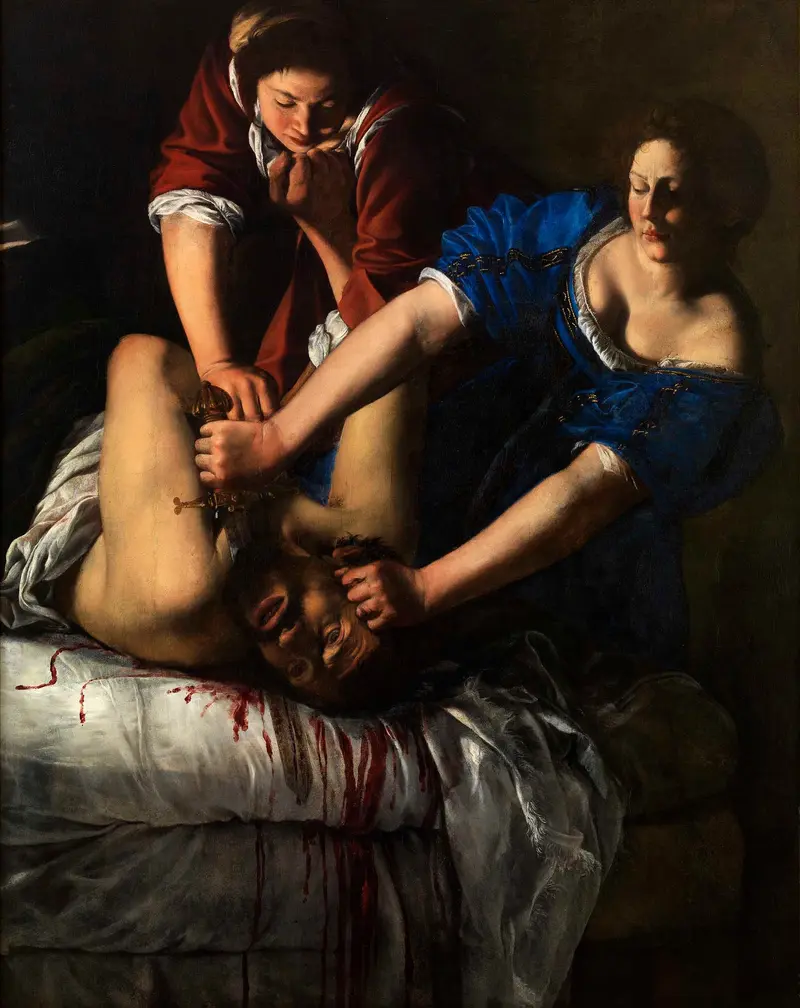
Judith Slaying Holofernes
Artemisia Gentileschi
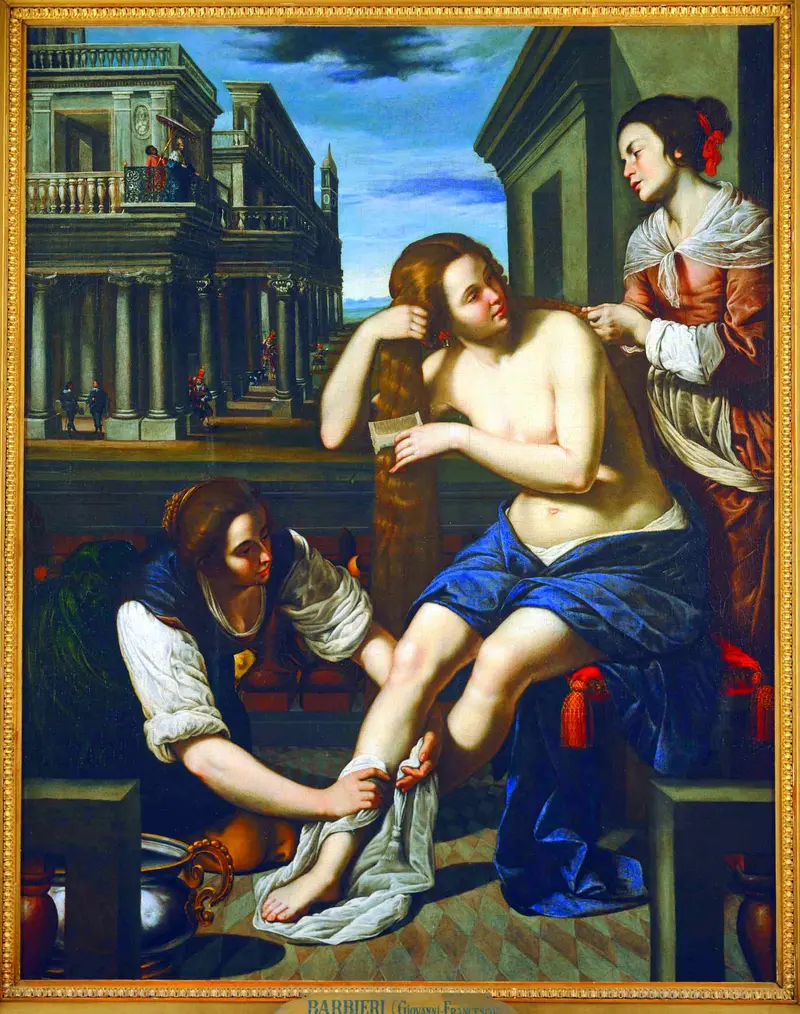
Bathsheba at Her Bath
Artemisia Gentileschi
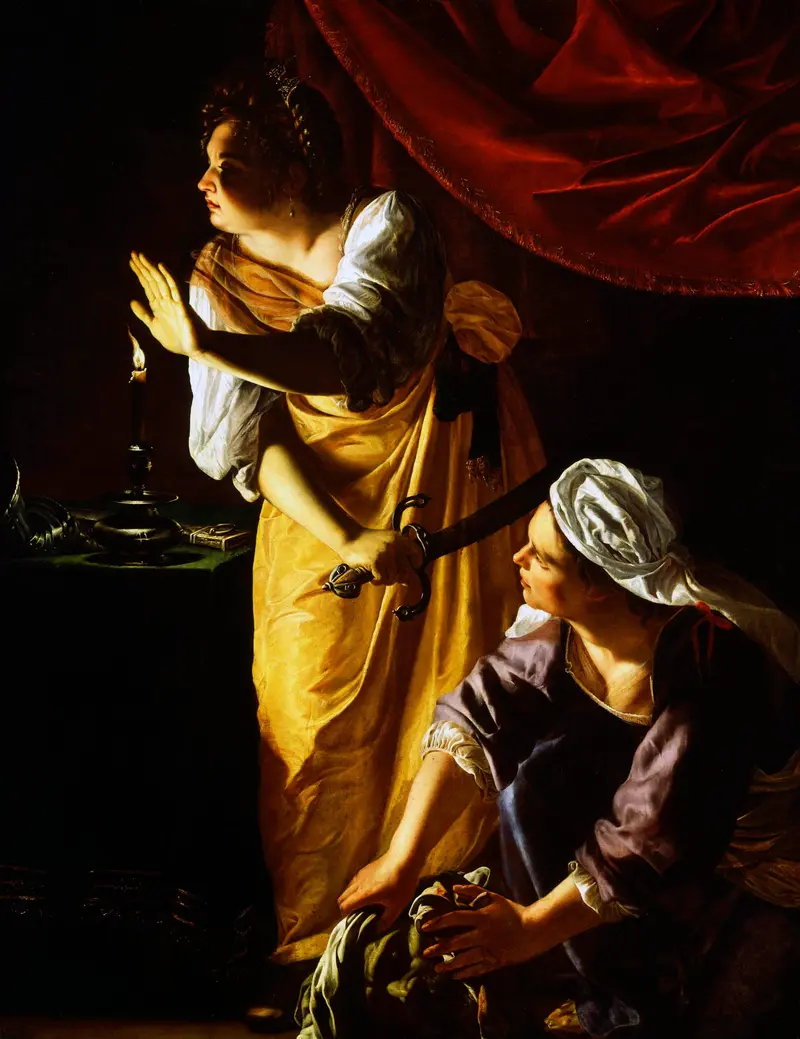
Judith and Maidservant with Head of Holofernes
Artemisia Gentileschi
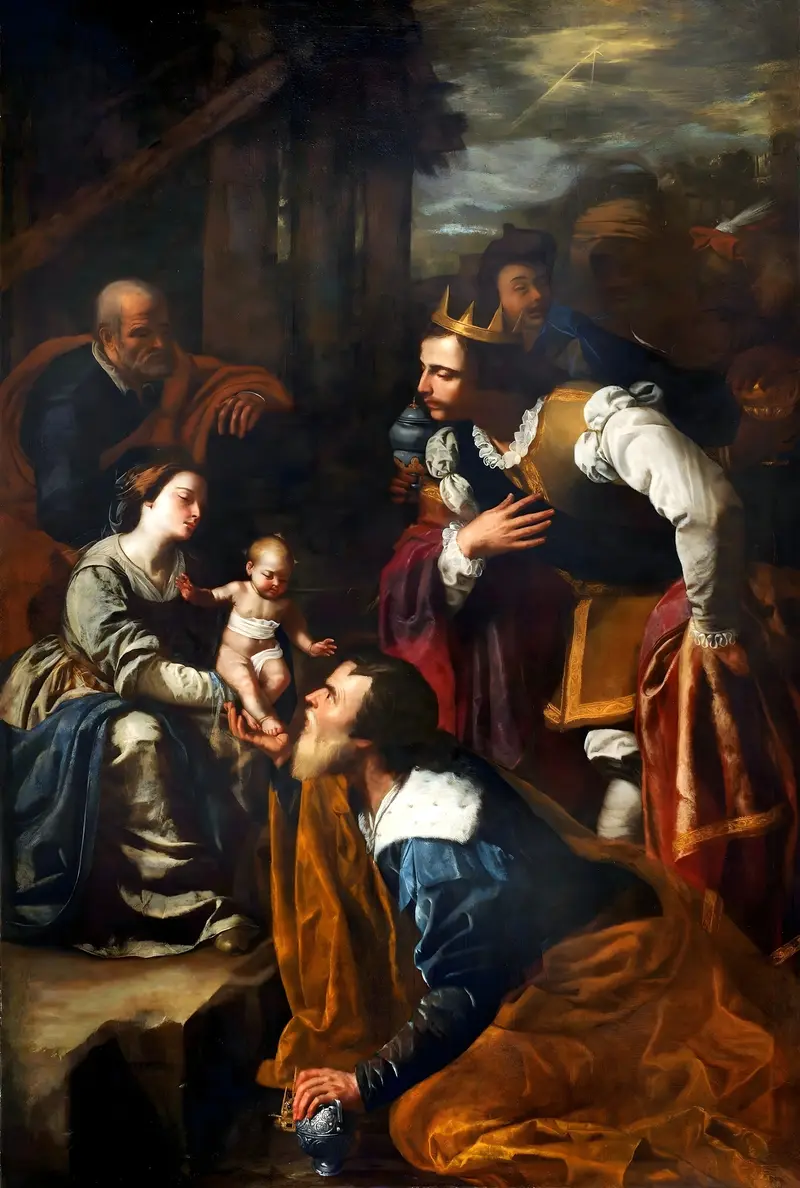
Adoration of the Magi
Artemisia Gentileschi
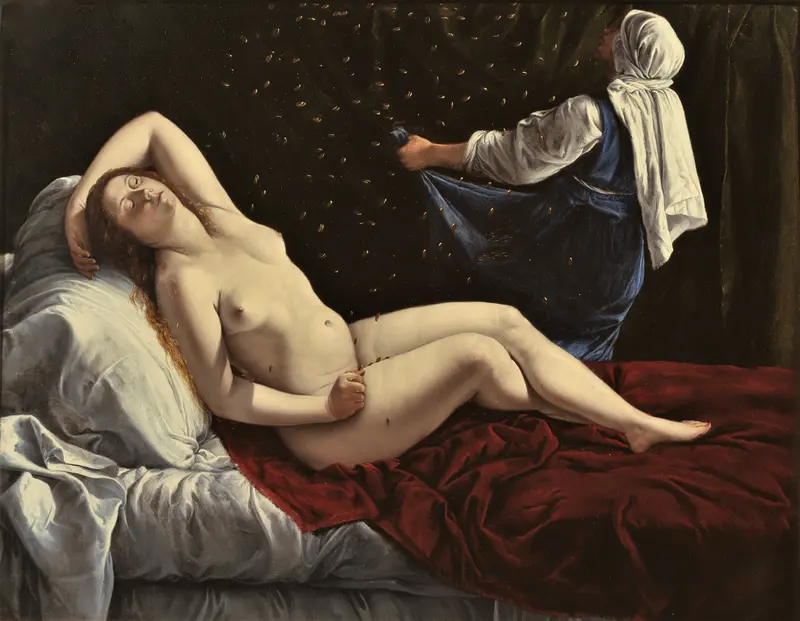
Danaë
Artemisia Gentileschi
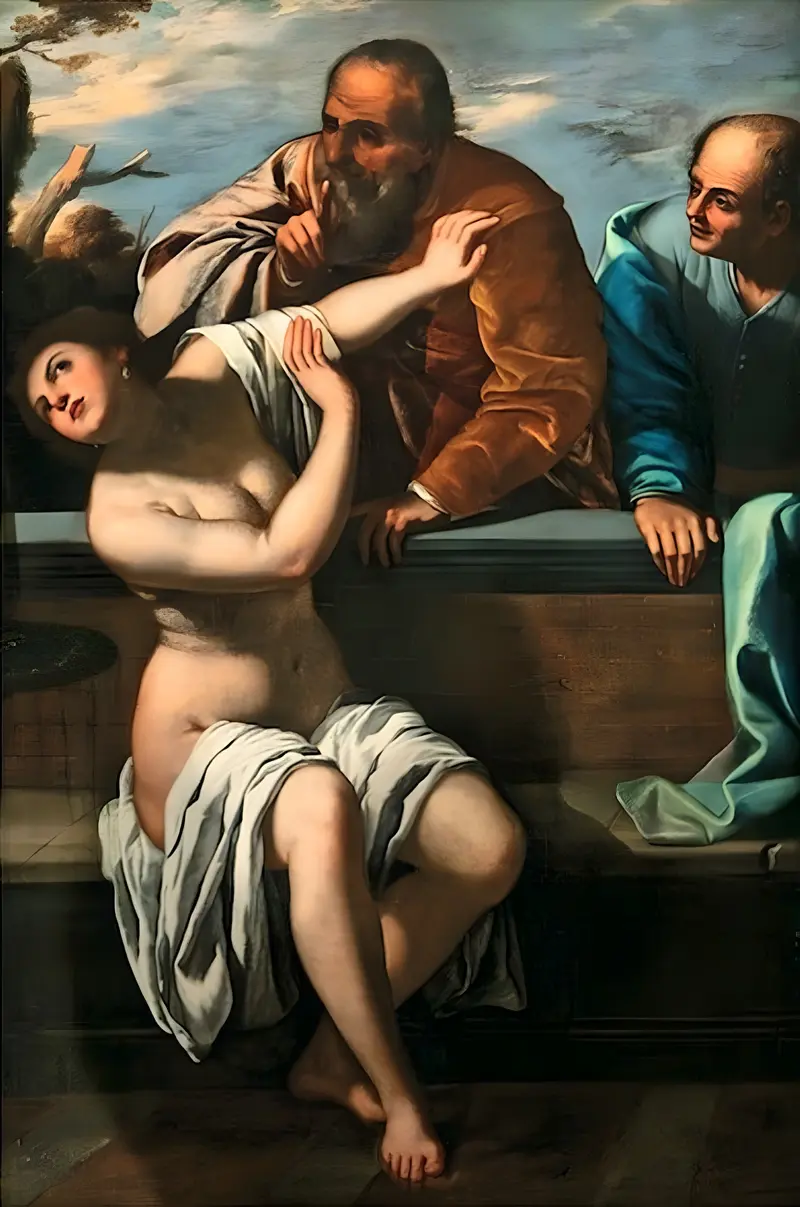
Susannah and the Elders
Artemisia Gentileschi

Judith and her Servant with the Head of Holofernes
Artemisia Gentileschi
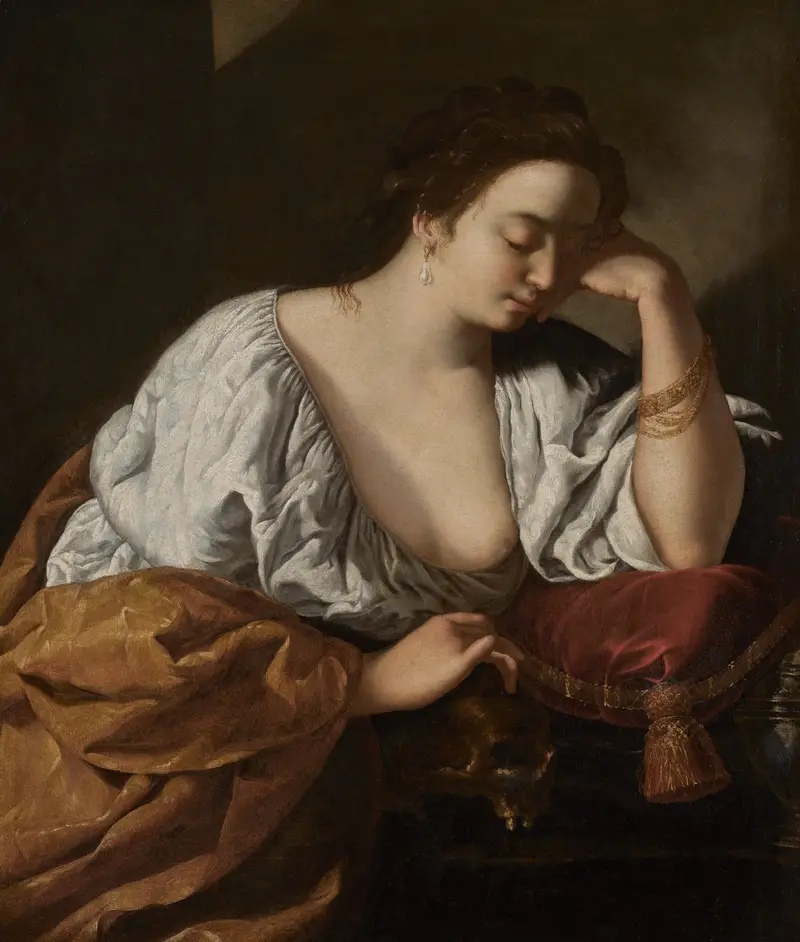
Madeleine pénitente, par
Artemisia Gentileschi

Portrait of a Gonfaloniere
Artemisia Gentileschi





