
Christ Falling on the Way to Calvary — History & Facts
At the centre of the composition, Jesus Christ has fallen to his knees beneath the weight of the cross, his right hand braced against the ground and his gaze turned toward a group of women who reach out in anguish. The cross is heavy and angular, dominating the foreground as it is grasped by a muscular man behind Christ, whose tense arm and furrowed brow suggest the physical strain of the moment. To the right, four women cluster together; one, dressed in blue and white and kneeling, stretches her arms imploringly toward Christ, while another in a red robe clasps her hands in grief, and two others look on with sorrowful expressions.
On the left, a barefoot man in a yellow tunic and blue headscarf holds a rope, his back to the viewer, while a flagbearer in Roman armor raises a large red standard high above the crowd. The background opens into a distant landscape with winding paths, scattered trees, and small groups of figures, including three crosses on a hill, all beneath a sky streaked with clouds and blue light. The figures are densely packed in the foreground, their gestures and faces tightly interwoven, while the background recedes in softer, cooler tones, creating a sense of depth and dramatic focus.
Light falls from the left, illuminating the faces and drapery of the main figures, casting deep shadows that emphasize the folds of their garments and the tension in their bodies. The painting’s surface shows smooth, precise brushwork, with subtle gradations of color in the flesh tones and fabrics, and careful attention to the textures of hair, armor, and stone. Small details, such as the tufts of grass at Christ’s feet and the intricate patterns on the soldiers’ armor, reveal the artist’s meticulous observation and technical skill. Christ Falling on the Way to Calvary was created by Raphael in the 1510s, during the period known as the High Renaissance.
The composition and emotional intensity of this work are characteristic of Raphael’s mature style, and the densely packed foreground and stage-like background reflect innovations associated with the High Renaissance.
Sources: Museo del Prado, record P000298 · Wikidata Q2664637 · Wikipedia: Christ Falling on the Way to Calvary · Image source (Wikimedia Commons)
More Artworks by Raphael

Madonna of the Goldfinch
Raphael

Madonna with the Fish
Raphael
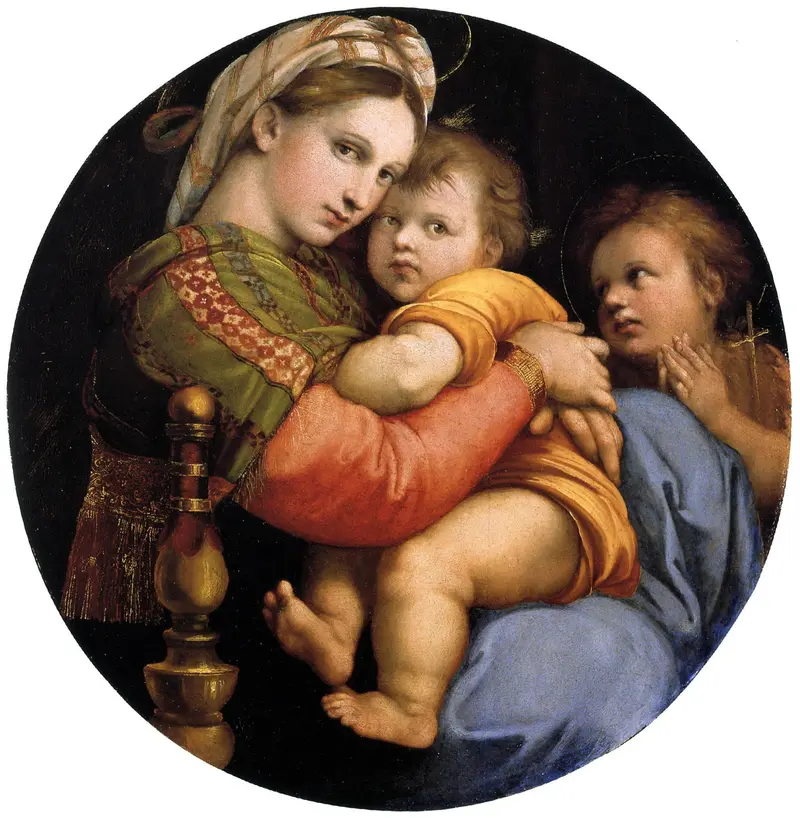
Madonna and Child (Madonna della Seggiola)
Raphael
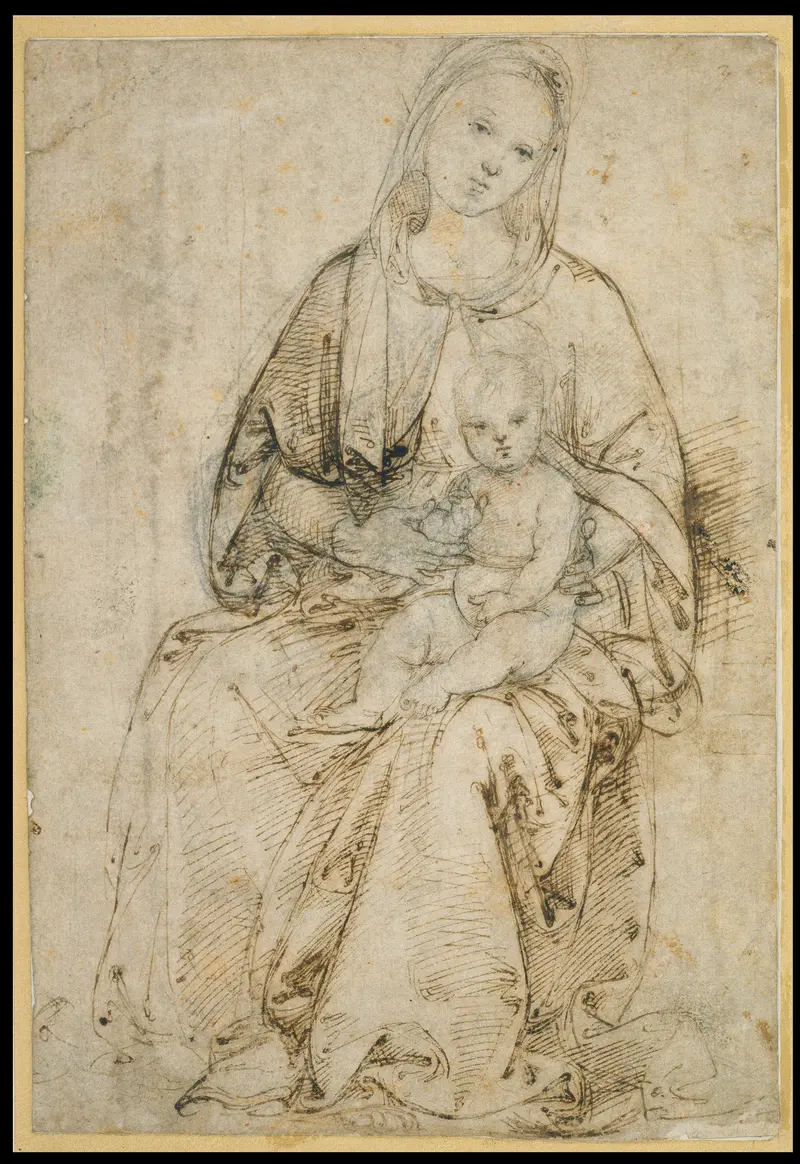
Seated Madonna and Child
Raphael
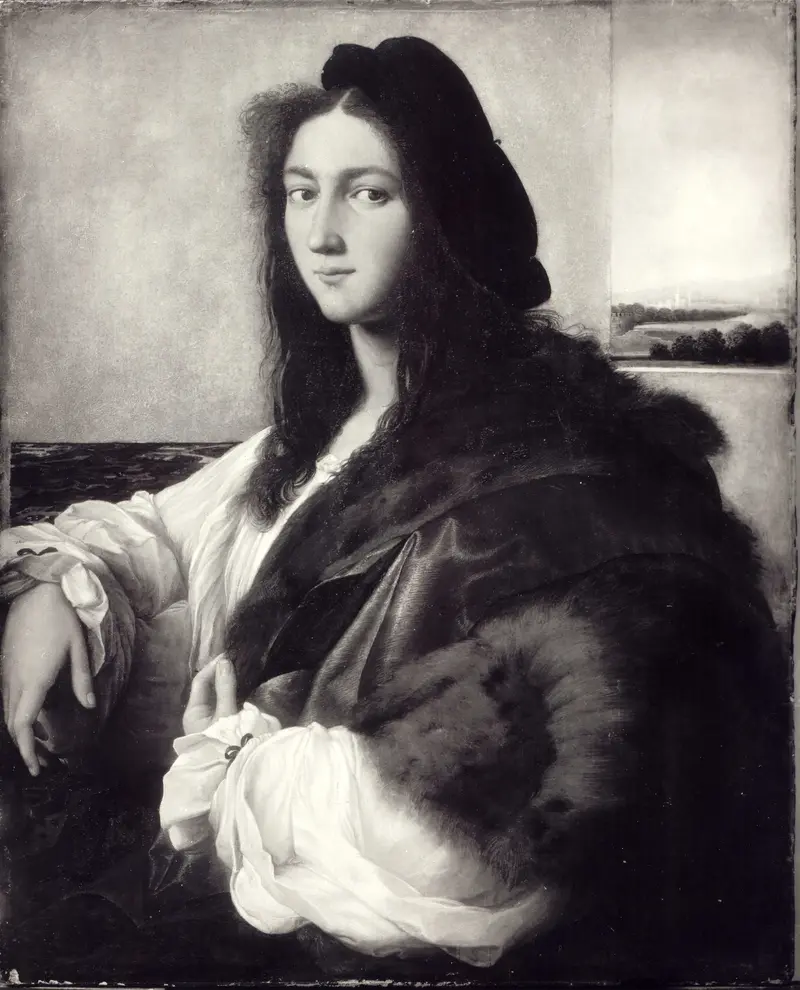
Portrait of a Young Man
Raphael
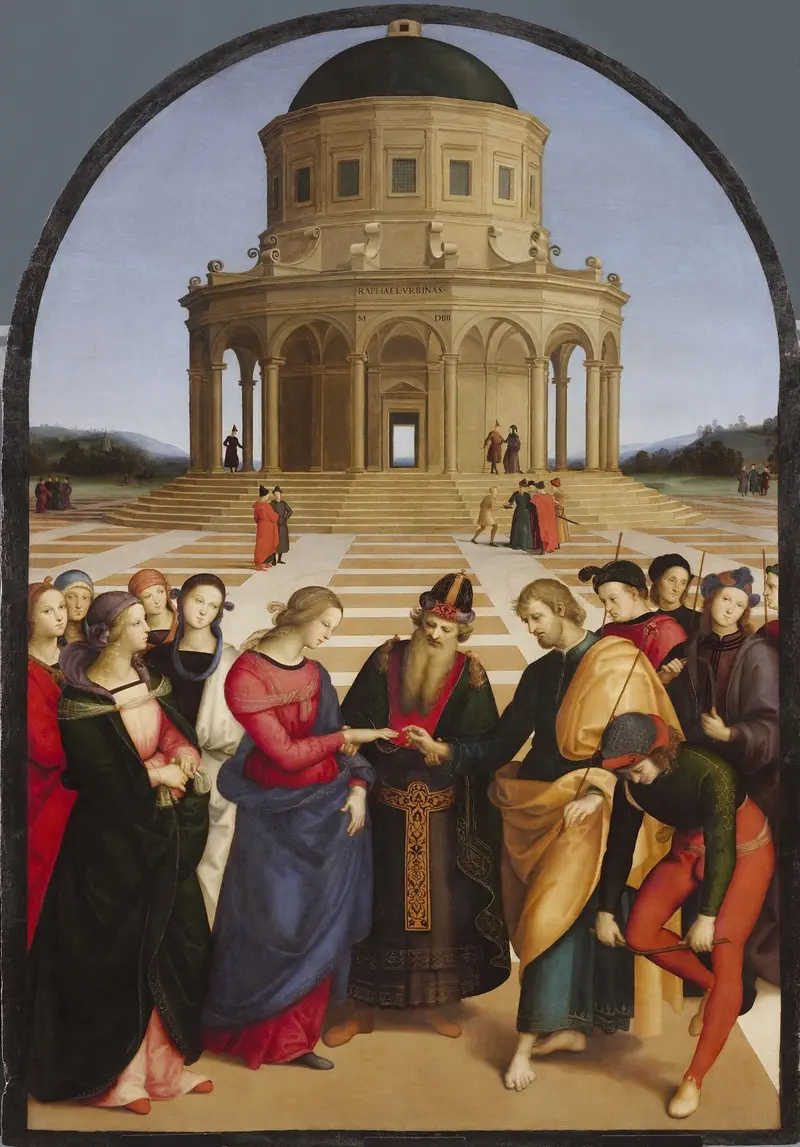
The Marriage of the Virgin
Raphael
The Triumph of Galatea (copy after Raphael)
Raphael
Poetry
Raphael
Sistine Madonna
Raphael
Madonna and Child Enthroned with Saints
Raphael




