
Christ on the Mount of Olives — History & Facts
In 1603, Caravaggio was commissioned to paint Christ on the Mount of Olives for a Roman patron whose name is now lost to history, but the painting itself has become a subject of intrigue: no signed or universally accepted version survives, and scholars continue to debate its true authorship and whereabouts. The work is known today only through period copies and written descriptions, which record its striking departure from the serene depictions of Gethsemane common in earlier art. The painting’s fate is tangled in the chaos of early seventeenth-century Rome, a time when Caravaggio himself was embroiled in scandal and violence. The moment Caravaggio chose is the agony in the Garden of Gethsemane, as Christ kneels in prayer on the night before his arrest, while his disciples sleep nearby.
In the painting, Christ’s face is illuminated by a harsh, raking light, his hands clasped in desperate supplication, while the shadows behind him threaten to swallow the scene. The angel, rather than descending in gentle comfort, hovers almost out of reach, a distant promise rather than immediate solace. This psychological intensity, rendered through dramatic contrasts of light and darkness, marks a sharp contrast with Andrea Mantegna’s earlier Agony in the Garden, where the figures are bathed in soft dawn and the mood is one of resignation rather than crisis.
Every gesture in Caravaggio’s version is a study in tension: the disciples’ slumped bodies, Christ’s taut arms, the darkness pressing in. The painting’s physical history is as shadowy as its subject. There is no surviving signed canvas, and no consensus among art historians as to which, if any, of the extant versions are by Caravaggio’s own hand. Some suggest that a painting now in a private collection in Italy may be the lost original, while others argue that only copies or workshop pieces remain.
This uncertainty has only deepened the painting’s reputation as one of the most elusive works of the Baroque period. Its story is a testament to the turbulence of Caravaggio’s career, a life marked by innovation, controversy, and mystery.
More Artworks by Caravaggio
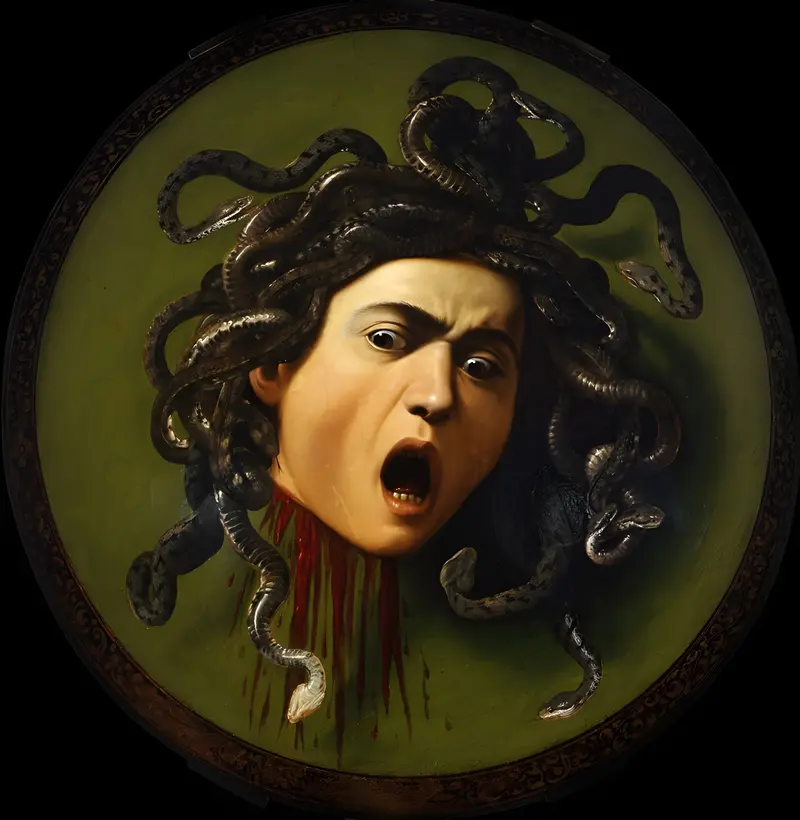
Medusa
Caravaggio
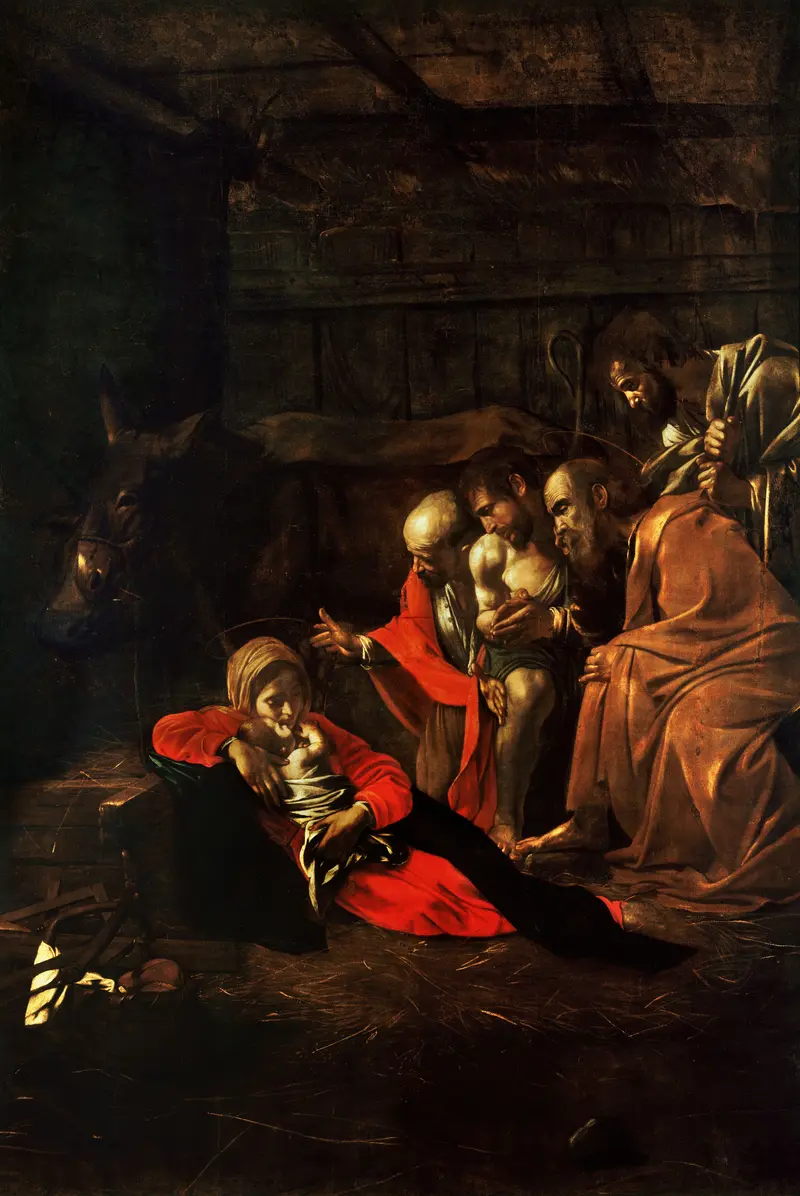
Adoration of the Shepherds
Caravaggio
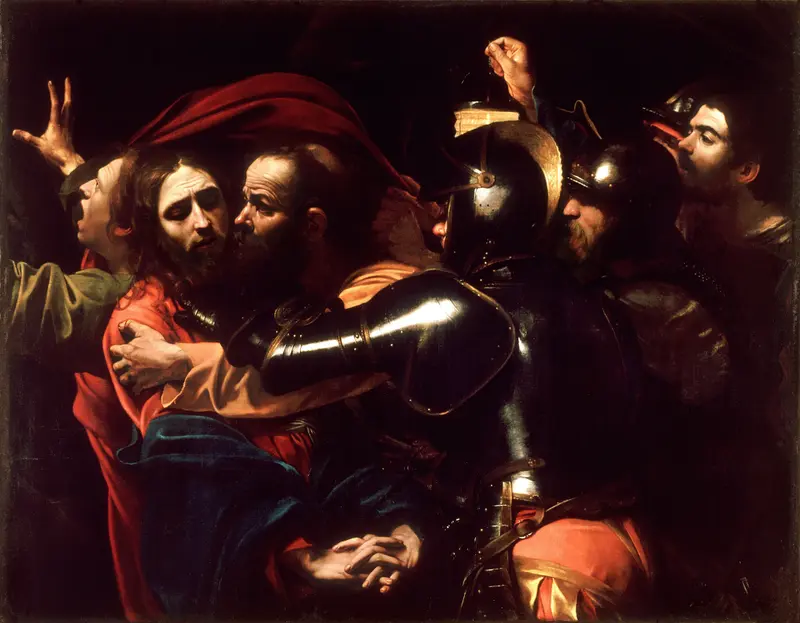
The Taking of Christ
Caravaggio
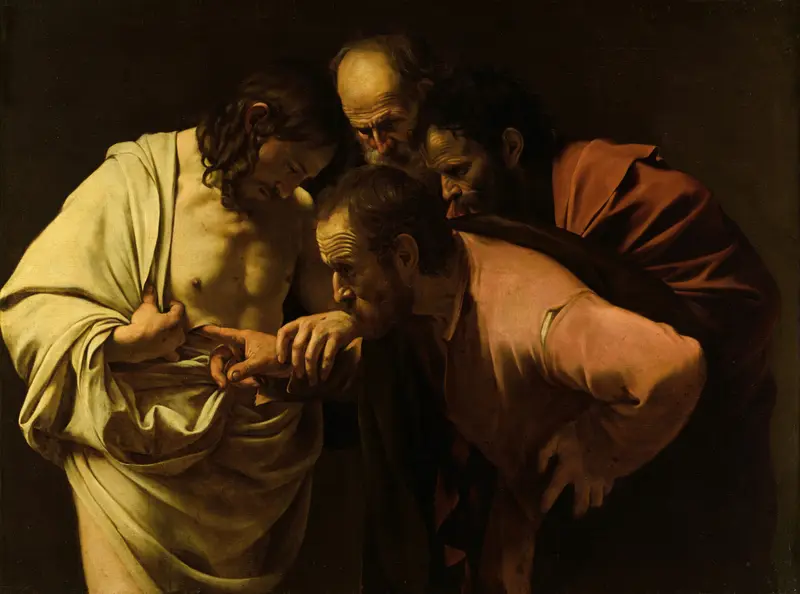
The Incredulity of Saint Thomas
Caravaggio
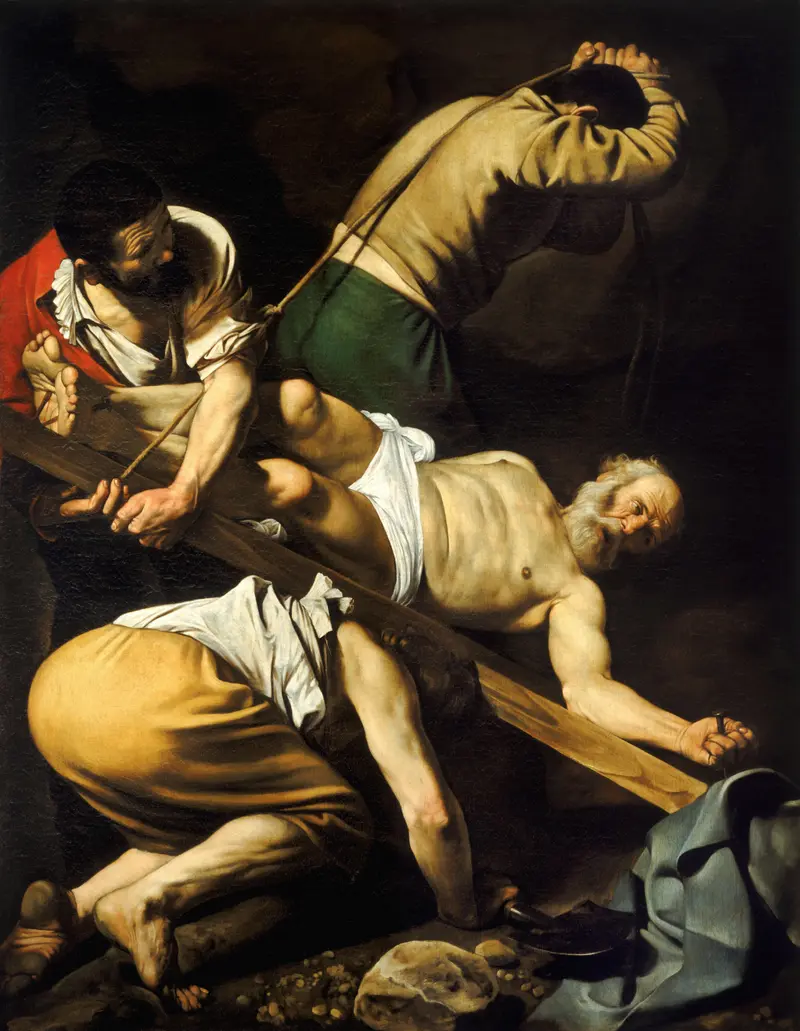
Crucifixion of Saint Peter
Caravaggio
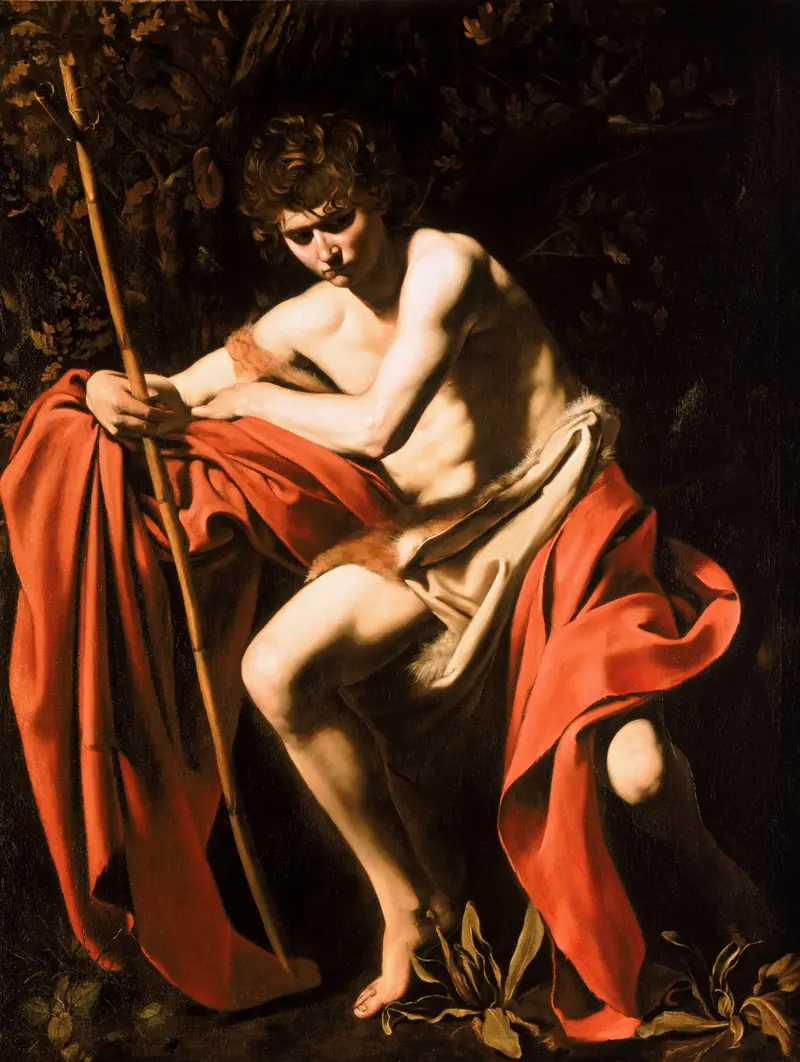
Saint John The Baptist In The Wilderness
Caravaggio

Saint Matthew and the angel
Caravaggio
The Inspiration of Saint Matthew
Caravaggio

Conversion on the Way to Damascus
Caravaggio
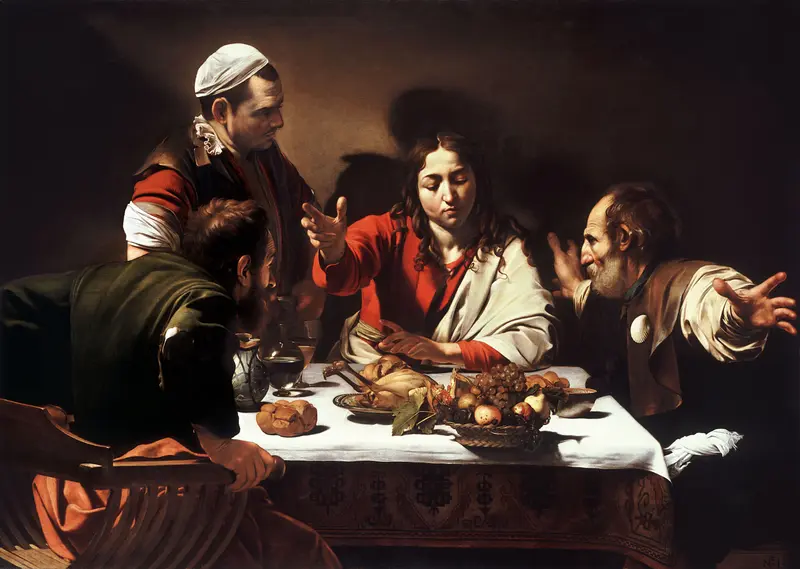
Supper at Emmaus
Caravaggio





