
Circumcision — History & Facts
When Francisco de Zurbarán painted Circumcision in 1638, he was at the height of his reputation as Seville’s preeminent painter of religious subjects. The work was created for the high altar of the Monastery of the Merced Calzada in Seville, a commission that placed Zurbarán in direct competition with his contemporary, Murillo. While the original contract survives, the painting’s medium is not clearly documented—a rare uncertainty for such a significant commission.
This canvas is one of several treatments Zurbarán gave to the theme, but it is the only one known to have graced such a prominent ecclesiastical setting. The scene captures the moment, eight days after the Nativity, when the infant Jesus is presented for circumcision according to Jewish law. Zurbarán freezes the drama as the high priest, robed in gold and white, prepares to perform the ritual, while Mary, swathed in deep blue, looks on with a mixture of sorrow and acceptance. The light, pouring from above, isolates the Christ Child and the priest’s hands, underscoring the sacrificial foreshadowing of the event.
Angels hover above, holding instruments of the Passion, linking this early moment to Christ’s future suffering. Compared to Mantegna’s more crowded and architectural Circumcision, Zurbarán’s approach is intimate, almost austere, focusing the viewer’s attention on the emotional gravity of the rite. After the dissolution of the monasteries in the nineteenth century, Circumcision left its original home and passed through various hands, its provenance fragmentary until it resurfaced in a Madrid collection. Today, it hangs in the Museo del Prado, where it stands as a testament to Zurbarán’s ability to blend narrative clarity with spiritual intensity.
The painting marks a mature phase in Zurbarán’s career, when his palette softened and his figures gained a new tenderness, anticipating the sentimentality that would later define Sevillian painting. Though its medium remains uncertain, its impact on Spanish religious art is beyond doubt.
More Artworks by Francisco de Zurbarán
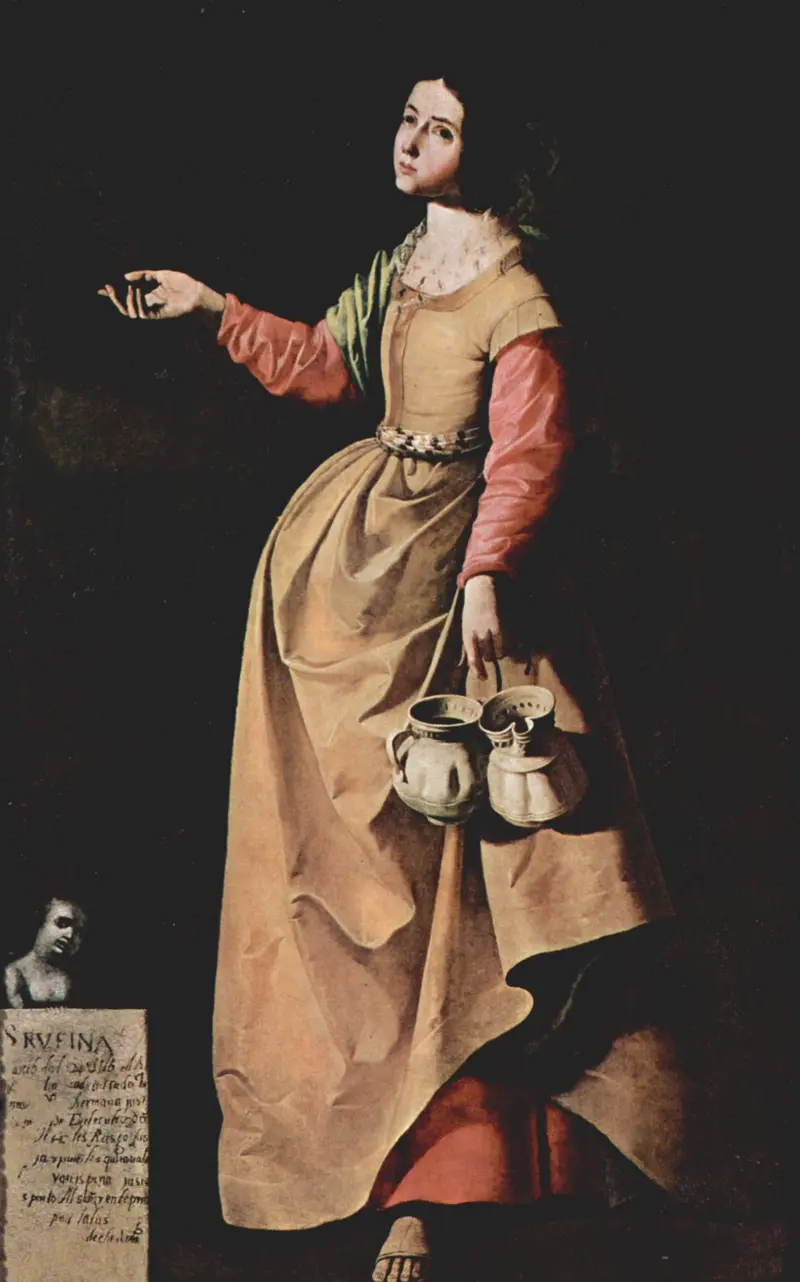
Saint Rufina
Francisco de Zurbarán
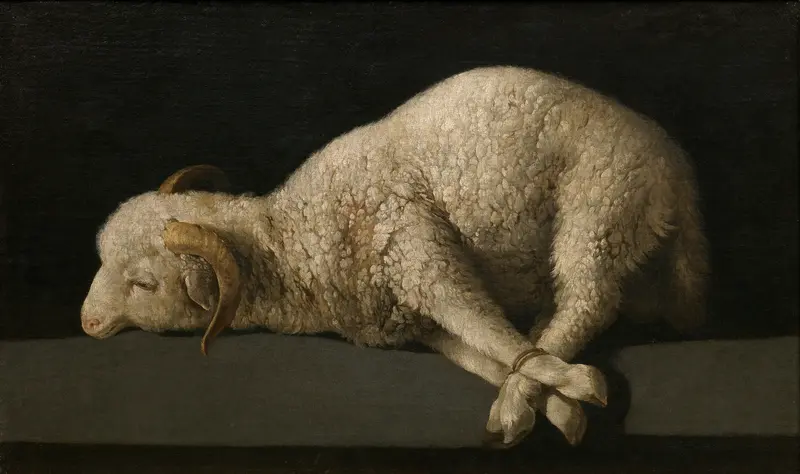
Agnus Dei
Francisco de Zurbarán
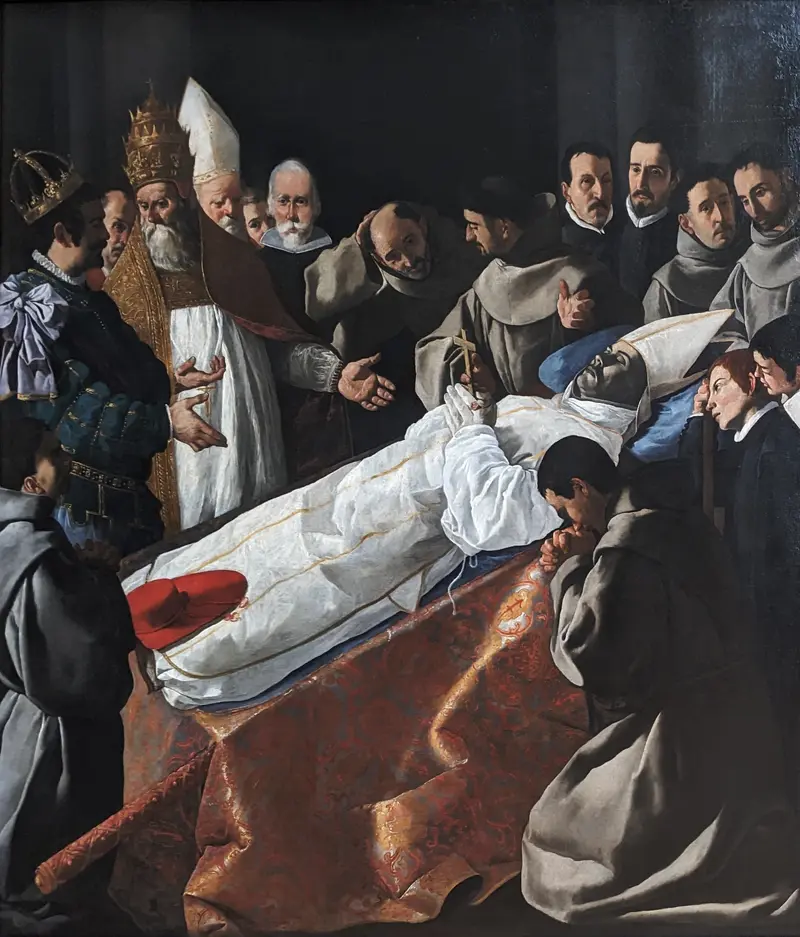
Saint Bonaventure's Body Lying in State
Francisco de Zurbarán
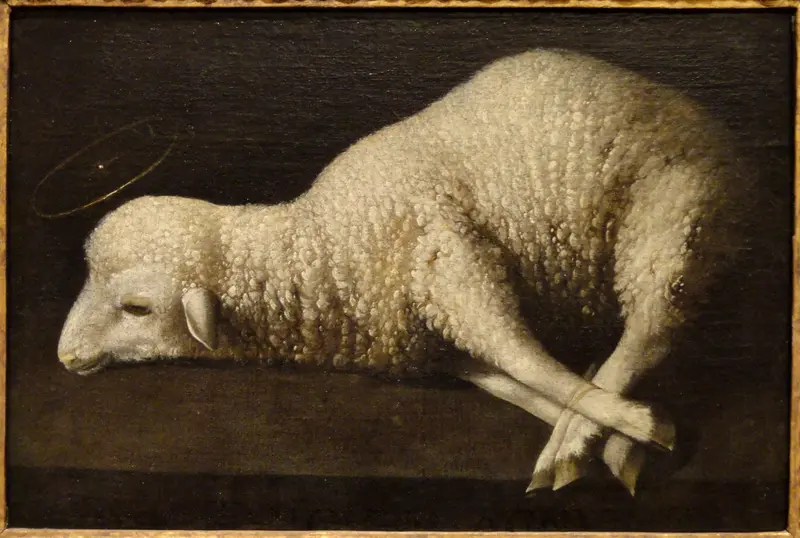
The Lamb of God
Francisco de Zurbarán

Adoration of the Magi
Francisco de Zurbarán
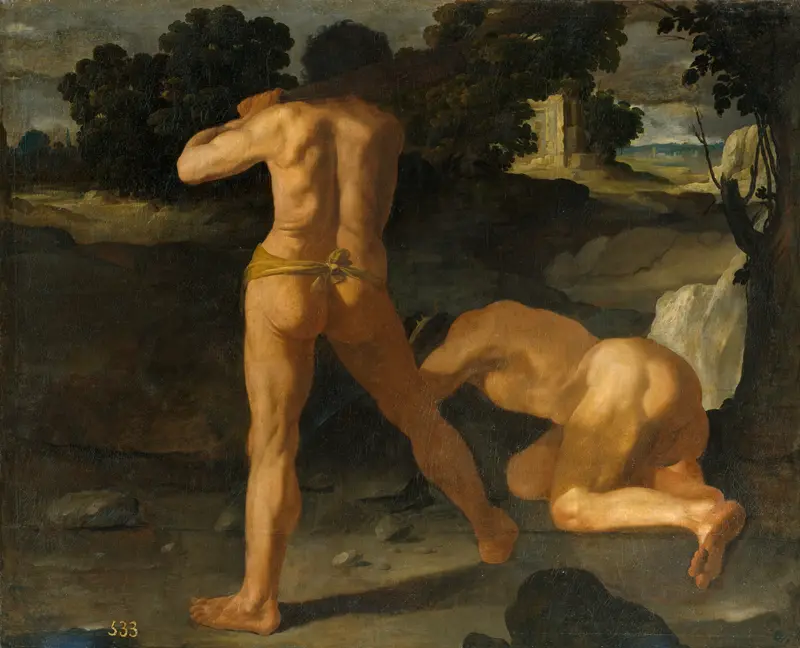
Hercules defeats King Geryon
Francisco de Zurbarán
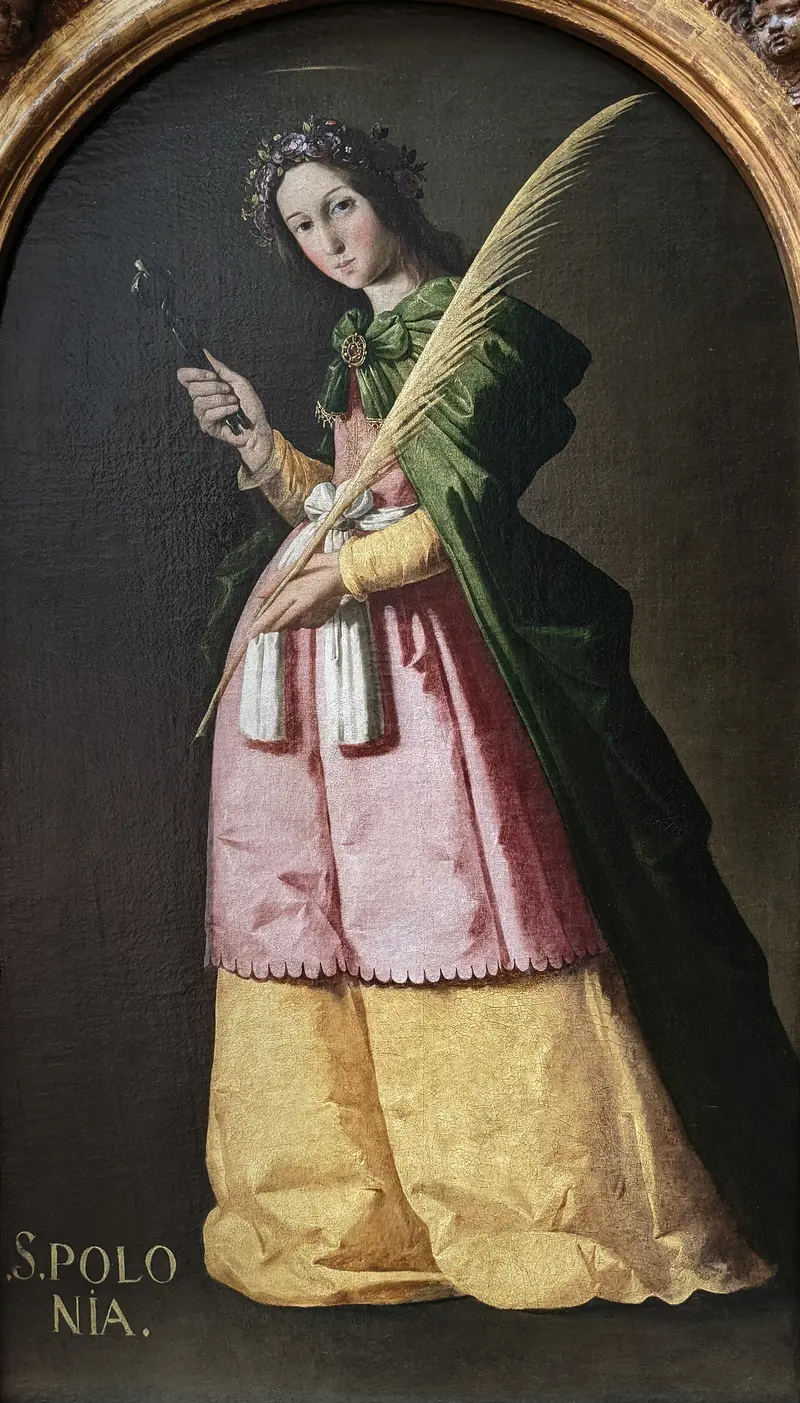
Saint Apollonia
Francisco de Zurbarán
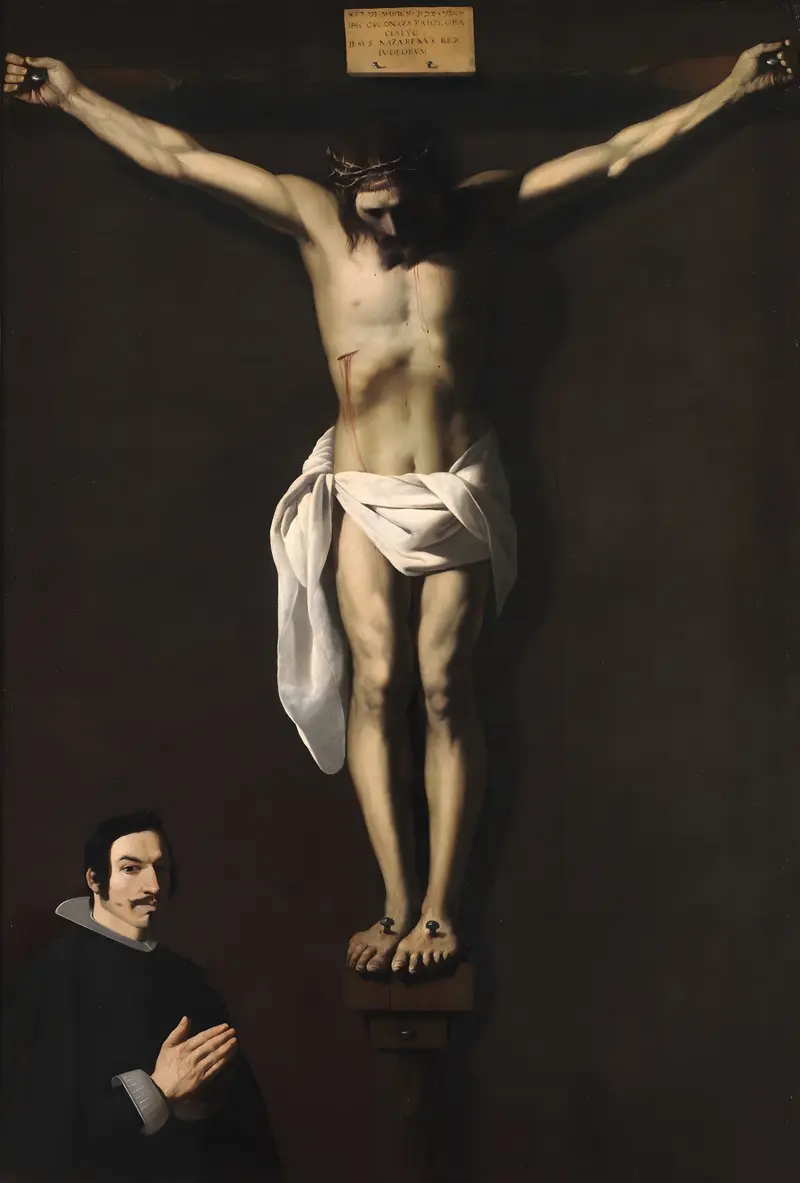
The Crucified Christ with a Donor
Francisco de Zurbarán
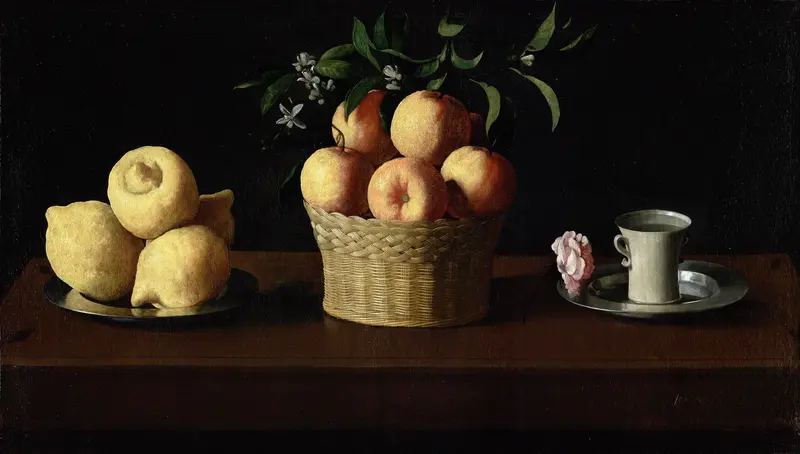
Still Life with Lemons, Oranges and a Rose
Francisco de Zurbarán
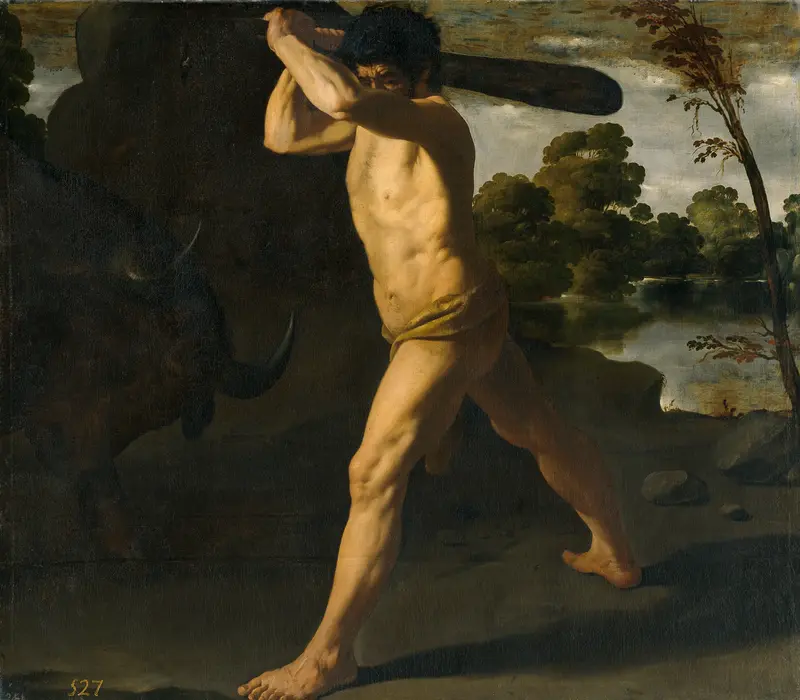
Hercules and the Cretan Bull
Francisco de Zurbarán





