
Cleopatra — History & Facts
It is the gaze that holds you first: wary, calculating, edged with a hint of fatigue. In Cleopatra, John William Waterhouse chooses not the triumphant queen or the tragic lover, but a woman caught in a moment of guarded thought. Her body leans into the arm of a sculpted sphinx, fingers curled in a grip that is both possessive and defensive, while the other hand anchors her firmly to the present.
The gold band across her brow and the vivid sash at her waist catch the light, drawing the eye to her face and then down to the restless drape of her robe, as if the fabric itself cannot quite settle. The painting’s restrained palette—stone, ivory, and the muted warmth of animal pelts—serves to heighten the drama of Cleopatra’s isolation. Behind her, the stylized wings and sun disk of Egyptian iconography loom, both crown and cage. Waterhouse’s Cleopatra is not surrounded by courtiers or lovers, but by the symbols of her own power and the weight of expectation.
Unlike the lush spectacle of Lawrence Alma-Tadema’s Cleopatra, Waterhouse’s vision is intimate, psychological—her expression suggests the private burdens behind the legend. Look closely at the tension in her posture, the way her lips are set, and the story becomes not of empire, but of endurance. This image was created in 1896 for The graphic gallery of Shakespeare's heroines, part of a late Victorian fascination with the women of history and literature. Such works were often commissioned for illustrated books or prints, intended to bring the drama of the stage and the past into the Victorian parlor.
Though the details of this particular piece’s journey remain obscure, its survival in the Folger Shakespeare Library’s digital collection is a testament to the era’s hunger for character and narrative. The Cleopatra before you is less a monument than a mirror—inviting you to wonder what thoughts lie behind that steady, unyielding gaze.
More Artworks by John William Waterhouse
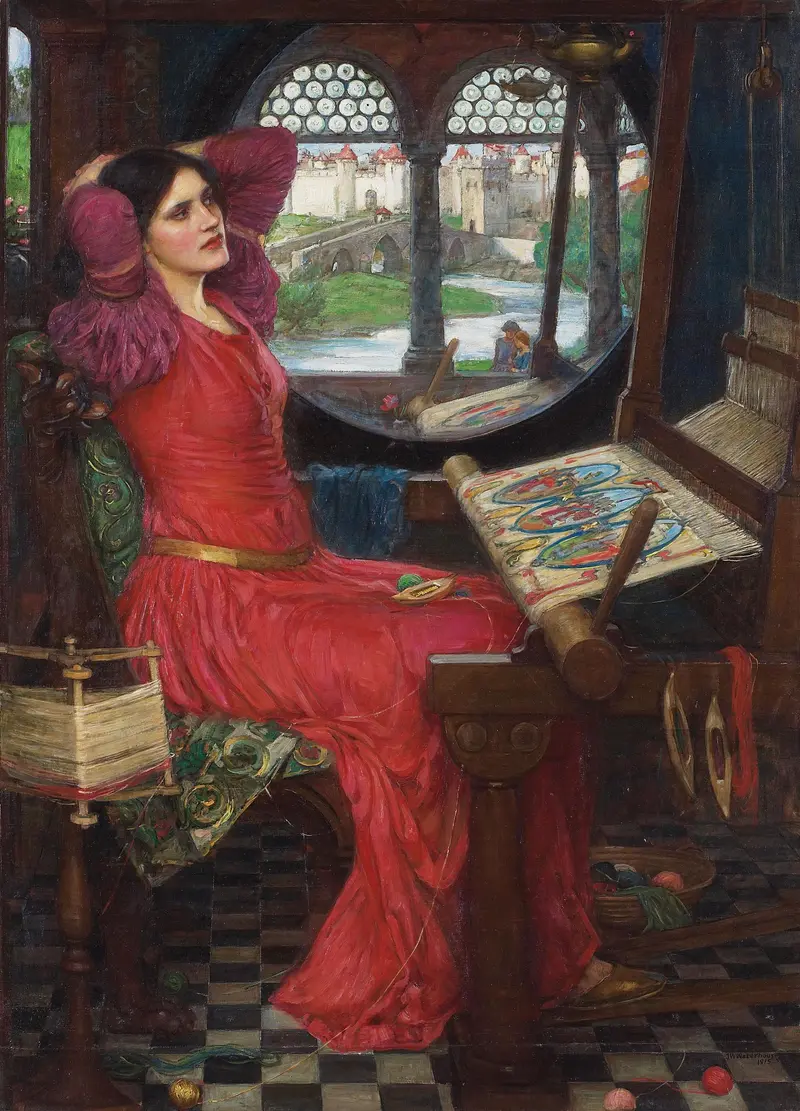
'I Am Half-Sick of Shadows,' Said the Lady of Shalott
John William Waterhouse

The Favourites of the Emperor Honorius, 1883
John William Waterhouse
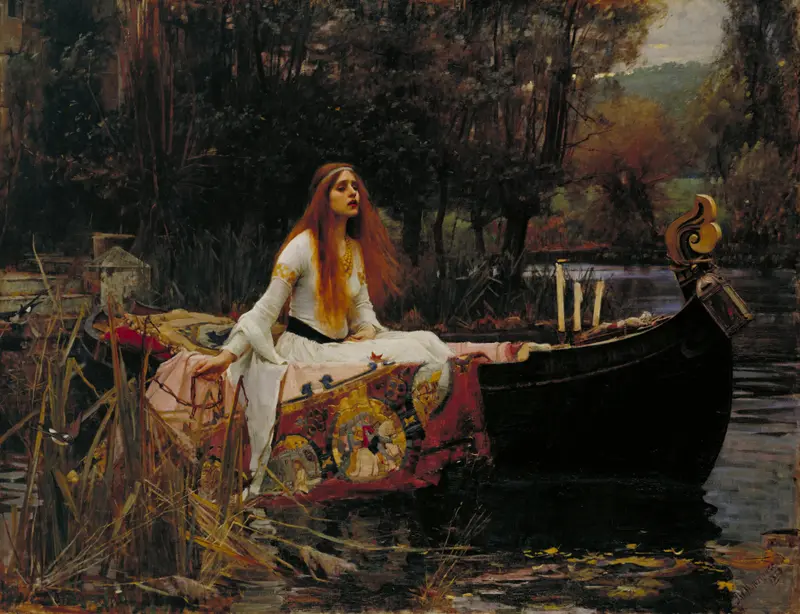
The Lady of Shalott
John William Waterhouse
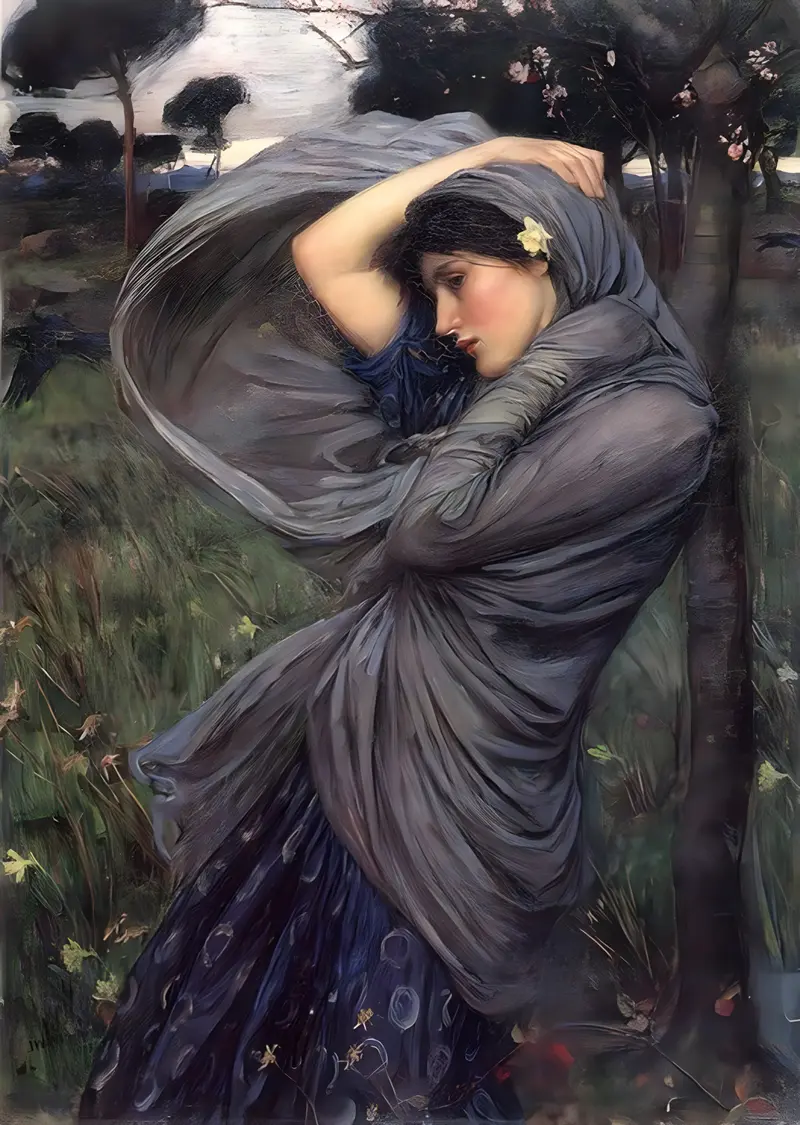
Boreas
John William Waterhouse
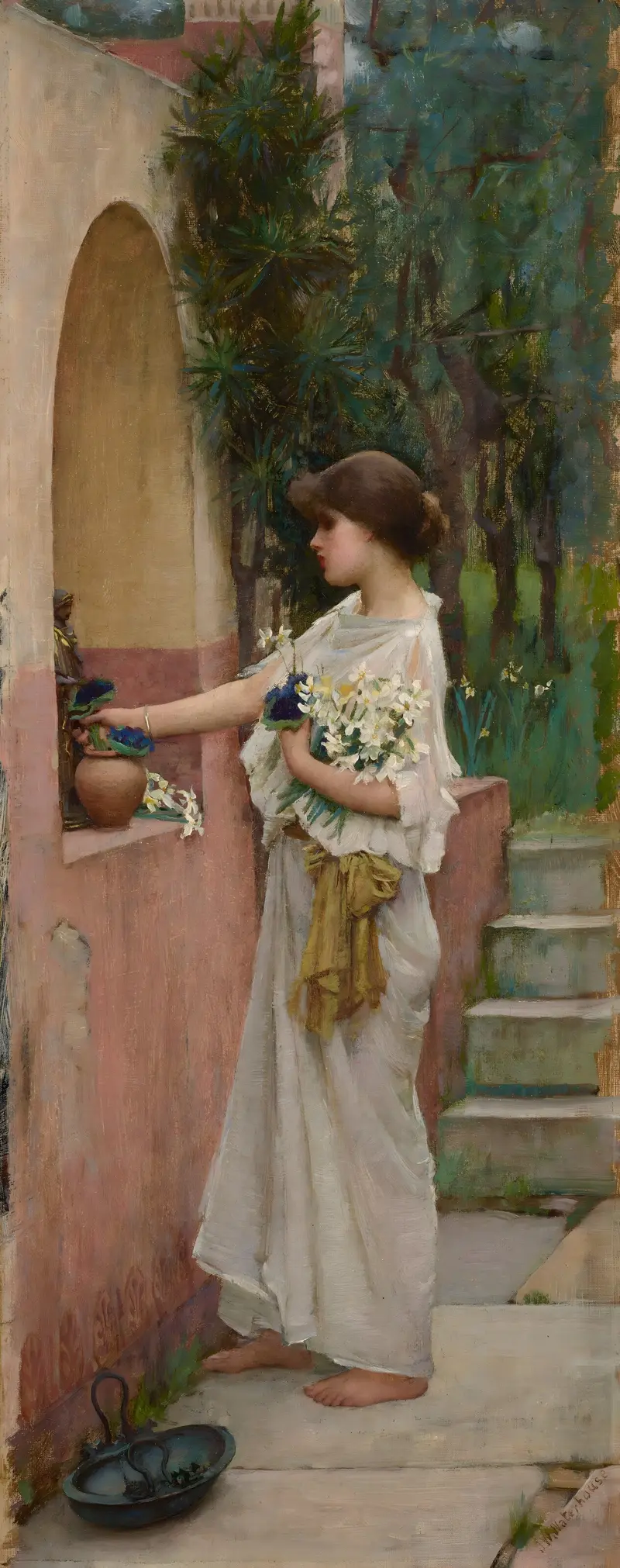
A Roman Offering
John William Waterhouse
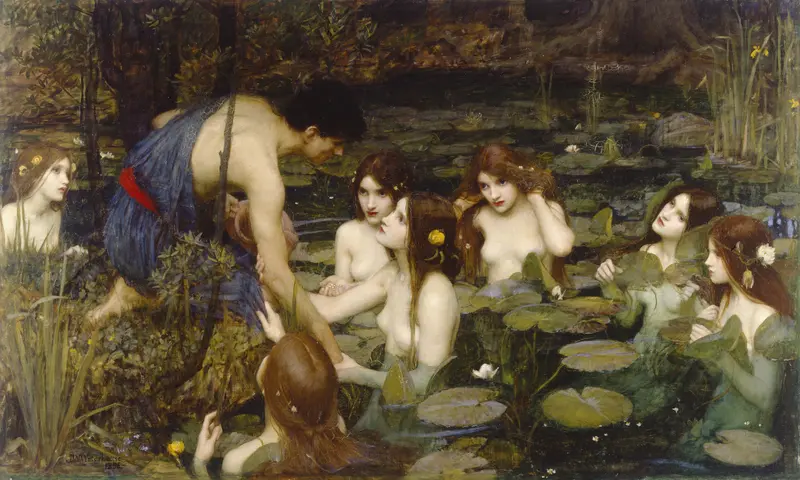
Hylas and the Nymphs
John William Waterhouse
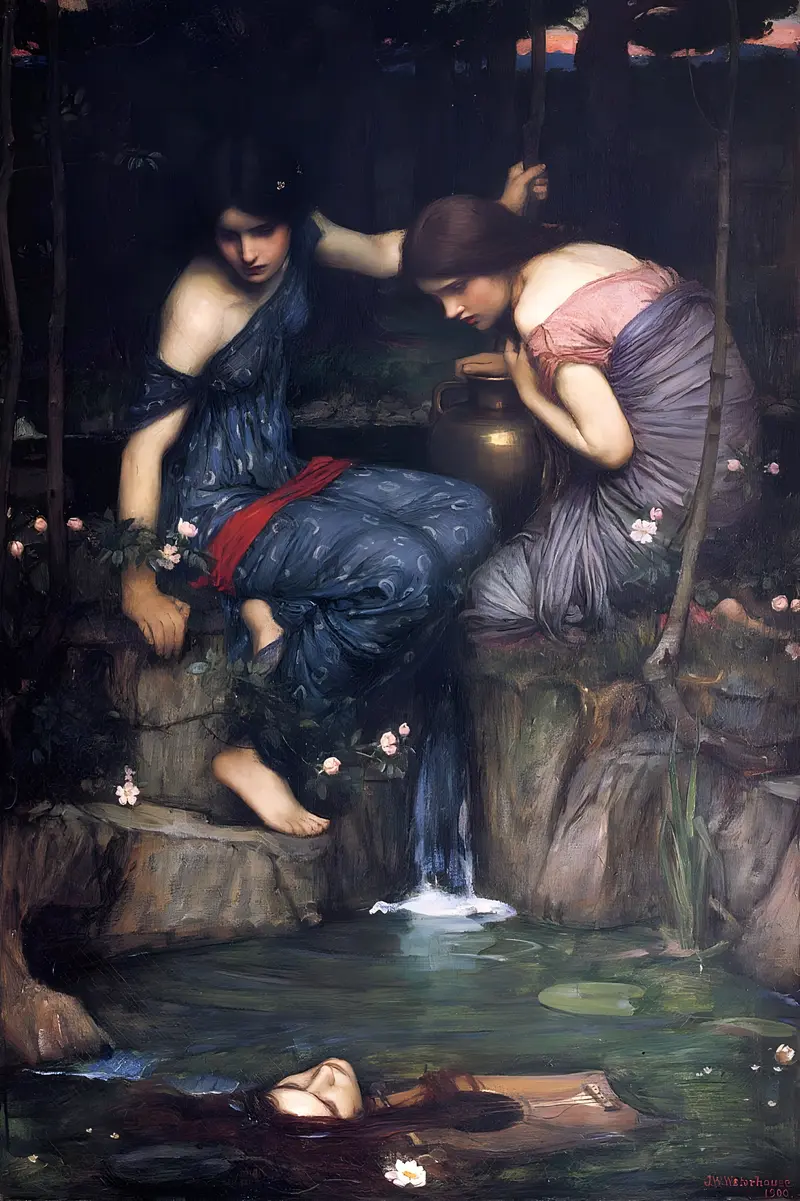
Nymphs Finding the Head of Orpheus
John William Waterhouse
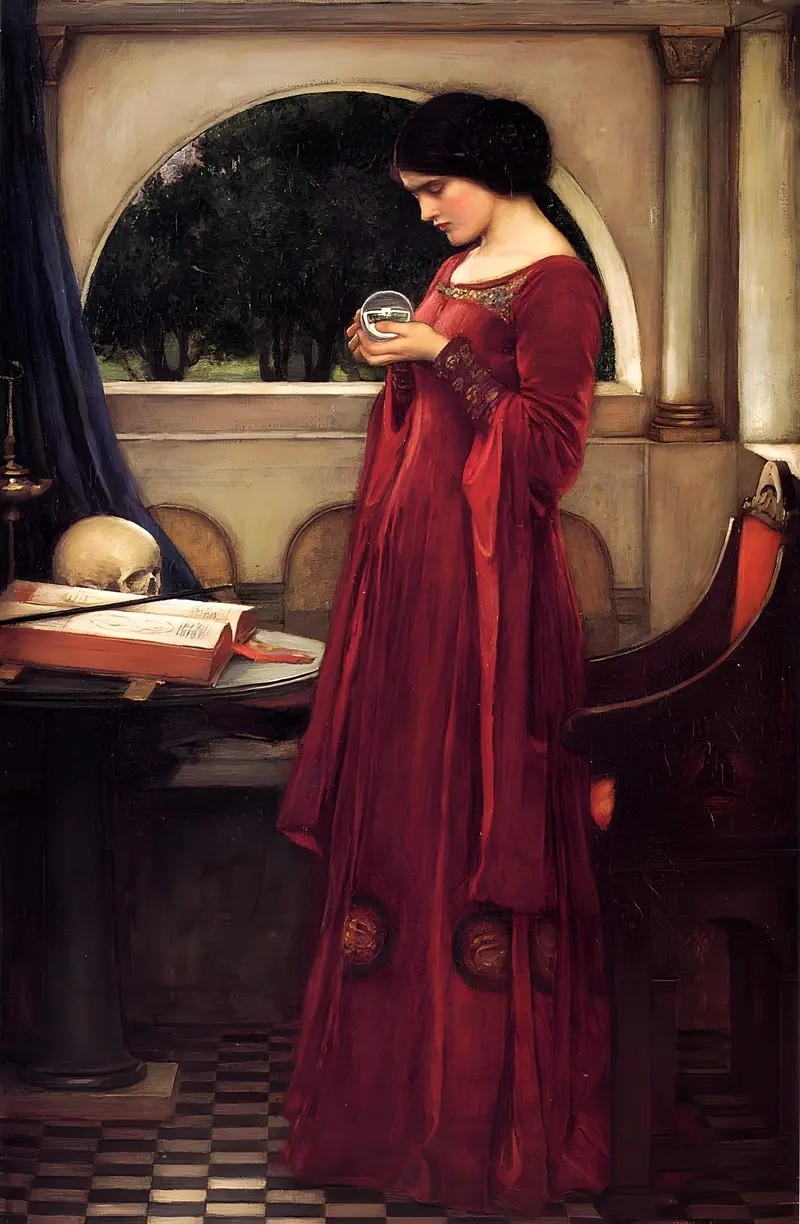
The Crystal Ball
John William Waterhouse
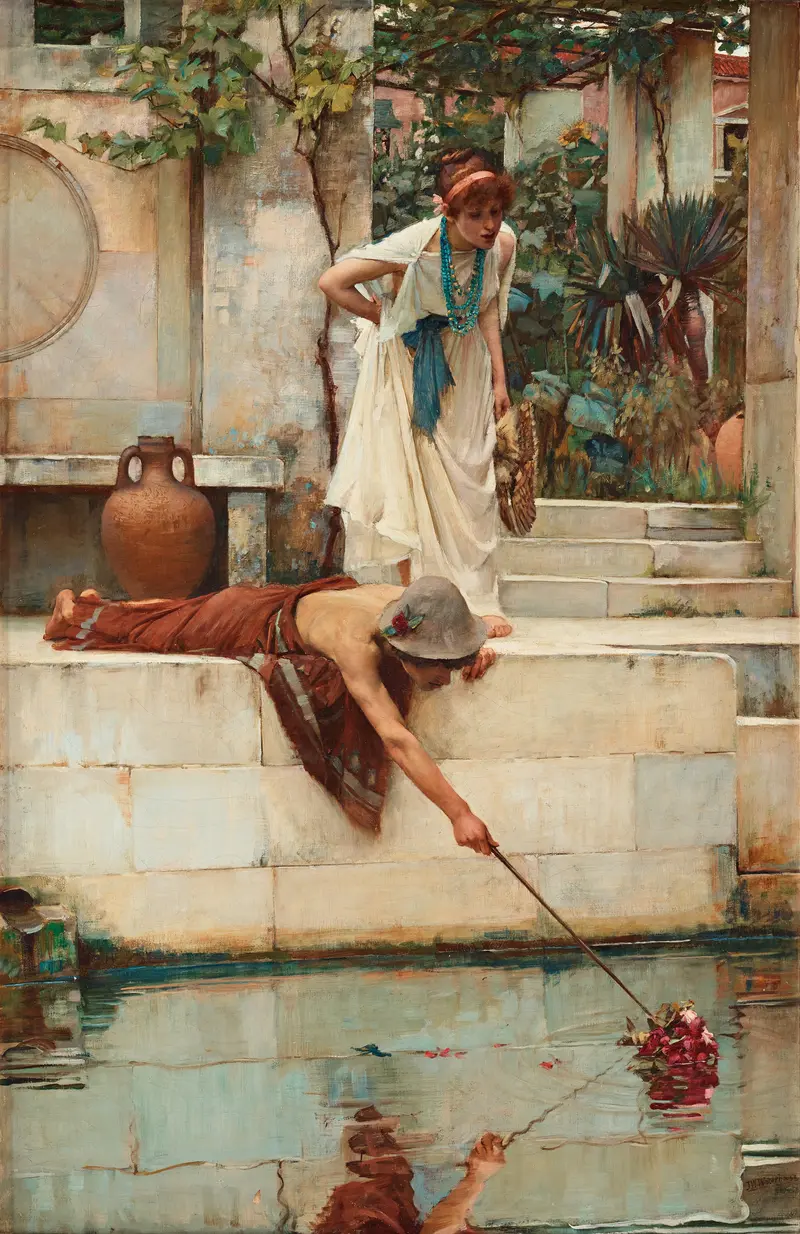
The Rescue
John William Waterhouse
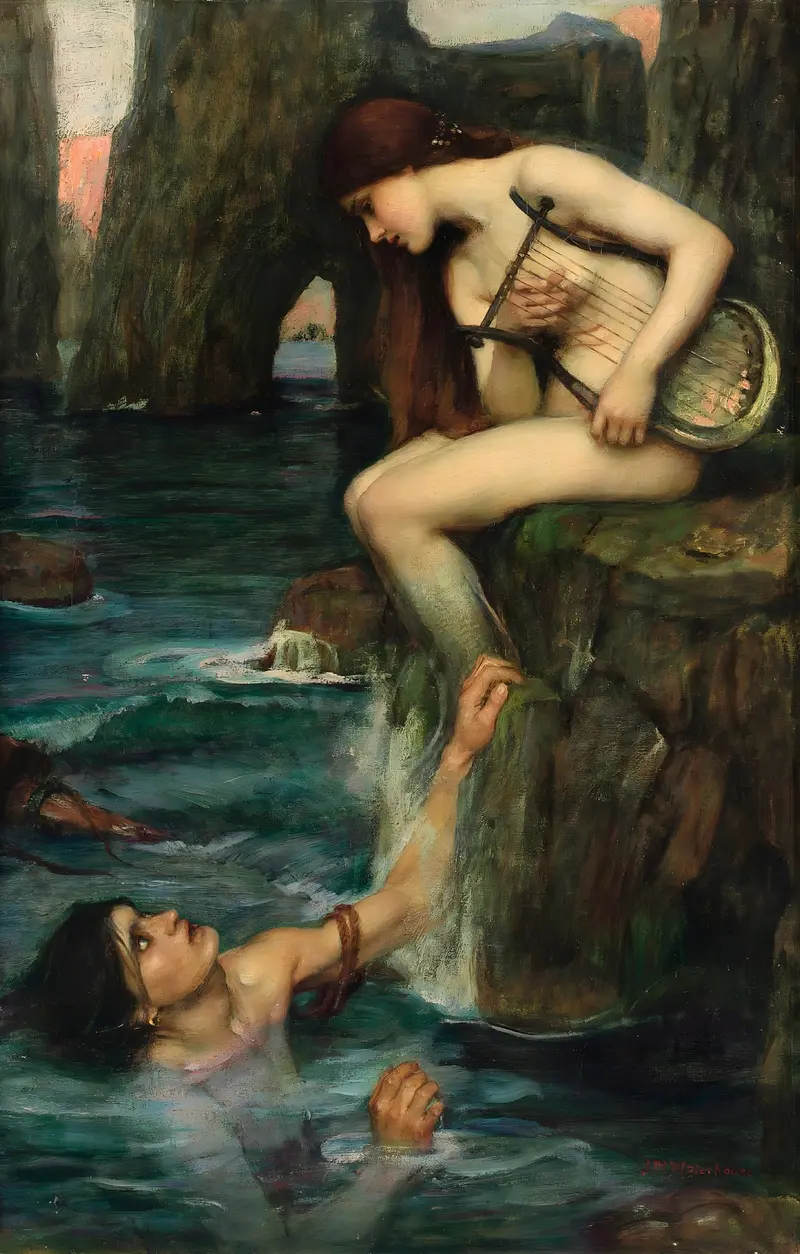
The Siren, 1900
John William Waterhouse





