
Cléopâtre, par Artemisia Gentileschi — History & Facts
Few figures in art history have been as closely linked to their subjects as Artemisia Gentileschi and the women of power and suffering she painted. In her Cléopâtre, par Artemisia Gentileschi, dated 1700, the artist tackles the legendary death of Egypt’s last pharaoh—a subject that had fascinated European painters for centuries. What makes this work especially intriguing is that it emerges late in Gentileschi’s career, at a time when she was celebrated across Europe, yet still chose to return to the story of Cleopatra’s final, fateful act.
The painting’s precise provenance and medium remain uncertain, but its authorship is widely accepted, and it stands as one of the few late works attributed to Gentileschi. Cleopatra’s end, as ancient writers tell it, came in 30 BCE, after Octavian’s armies closed in on Alexandria. In this painting, Gentileschi selects the moment after Cleopatra has pressed the asp to her breast, her body reclining with regal resignation. The queen’s diadem lies discarded, and her bare arm, draped in luminous fabric, draws the viewer’s gaze to the telltale snake.
The darkness around her face throws her features into sharp relief, suggesting both dignity and vulnerability. Unlike the cool detachment of Guido Reni’s Cleopatra, Gentileschi’s version pulses with human emotion—a woman choosing her fate, not just a royal symbol. The journey of Cléopâtre, par Artemisia Gentileschi through history is less documented than some of her earlier works. While the painting’s original patron is unknown, its style and subject suggest it was created for a sophisticated collector familiar with both classical history and the artist’s reputation.
Over the centuries, the painting has been attributed, lost, and rediscovered, reflecting the broader arc of Gentileschi’s own critical fortunes. Today, it is recognized as a testament to her enduring fascination with female agency and the dramatic possibilities of narrative painting in the late Baroque.
More Artworks by Artemisia Gentileschi

Judith Beheading Holofernes
Artemisia Gentileschi
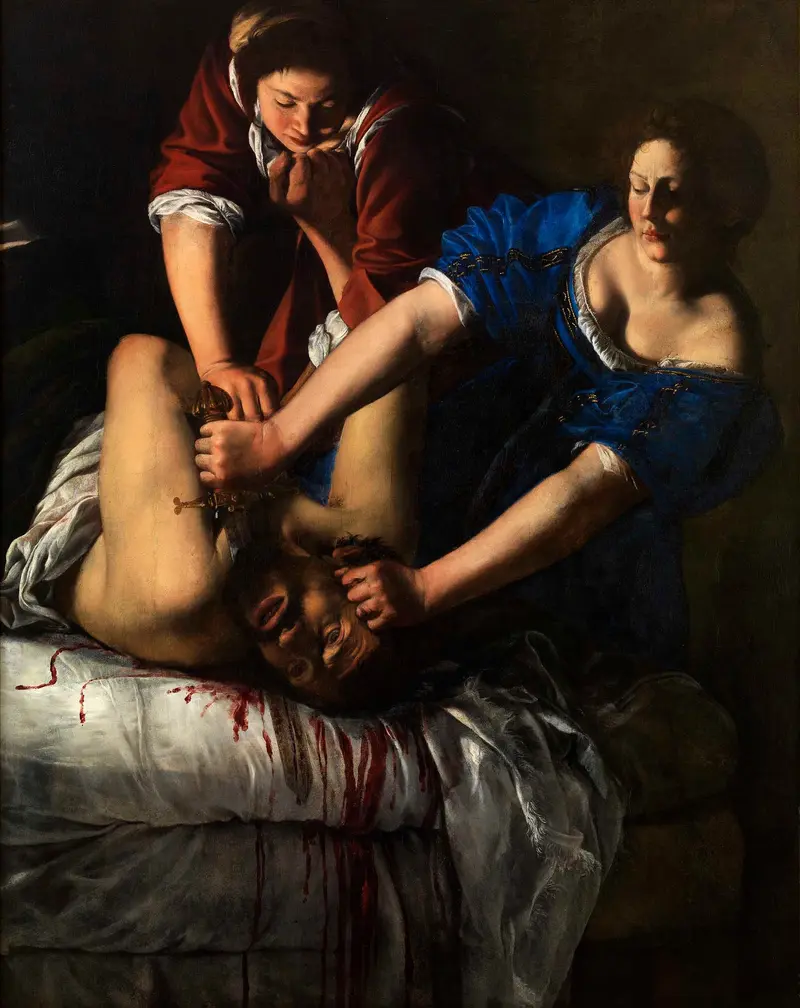
Judith Slaying Holofernes
Artemisia Gentileschi
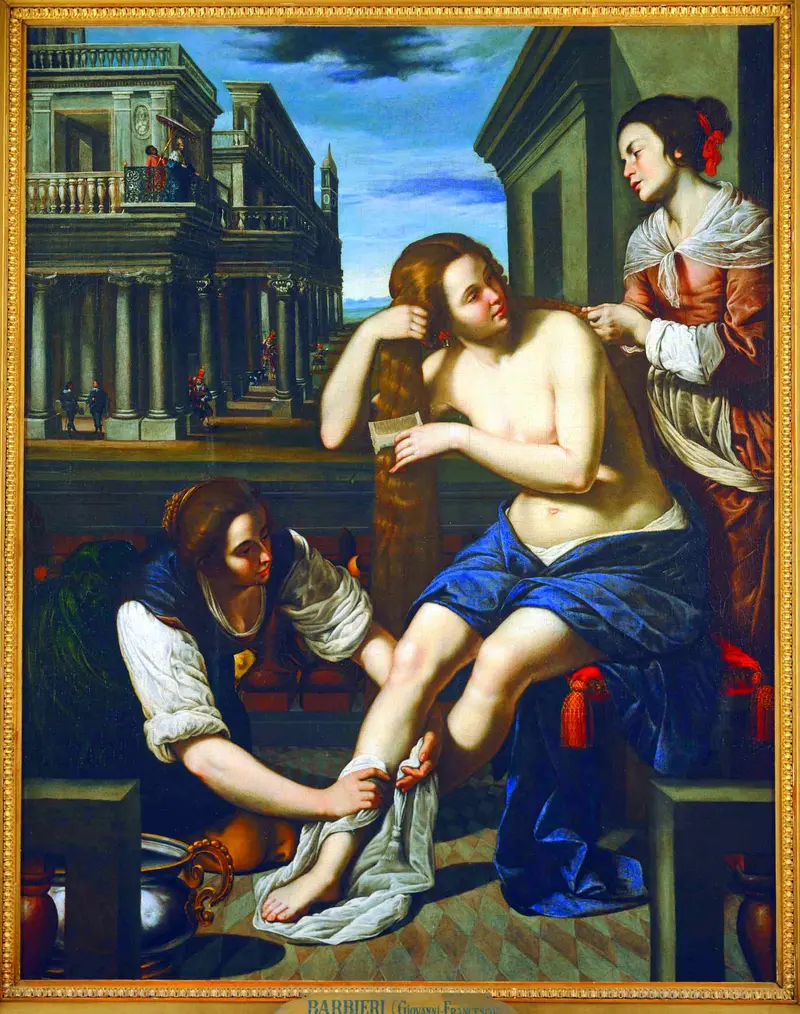
Bathsheba at Her Bath
Artemisia Gentileschi
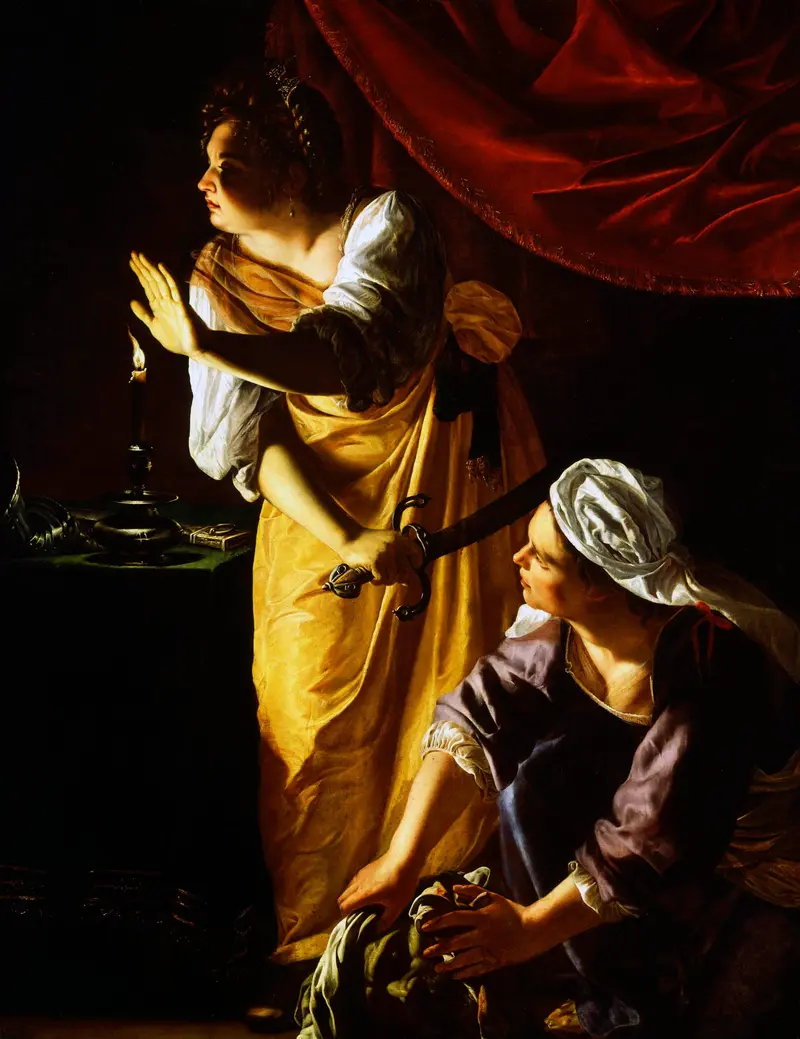
Judith and Maidservant with Head of Holofernes
Artemisia Gentileschi
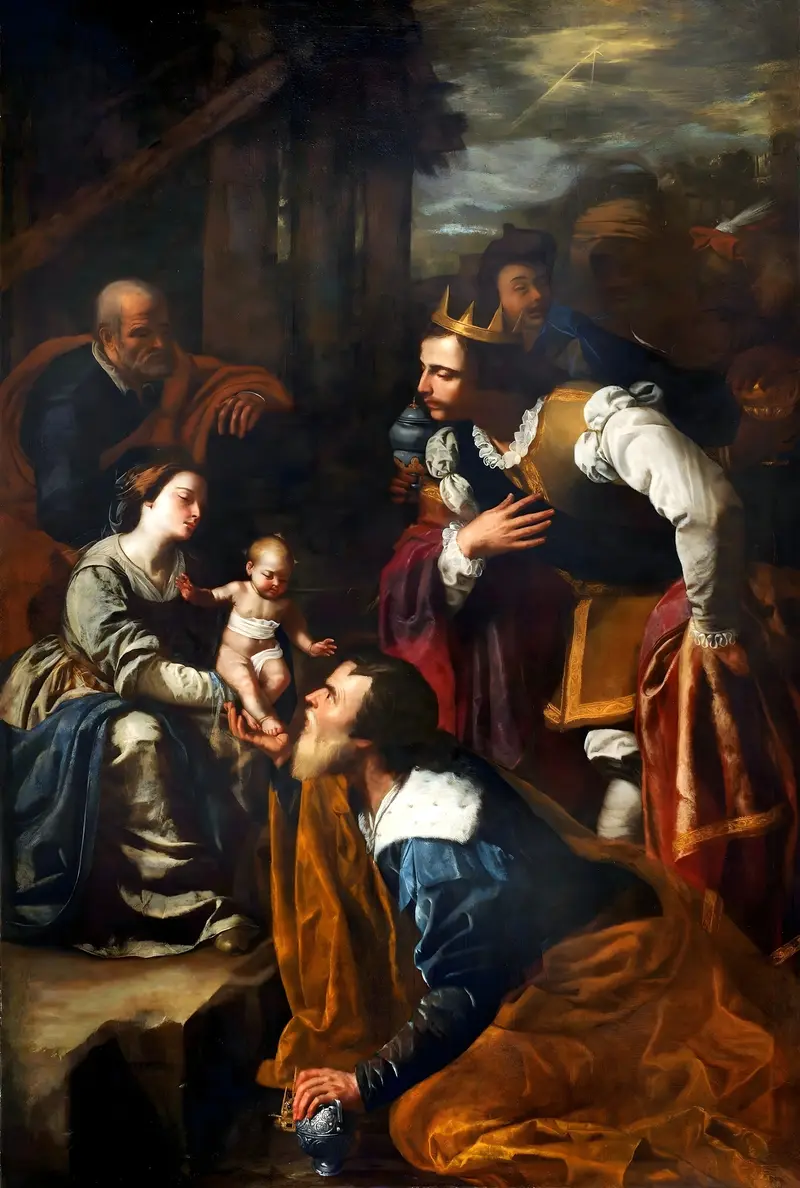
Adoration of the Magi
Artemisia Gentileschi
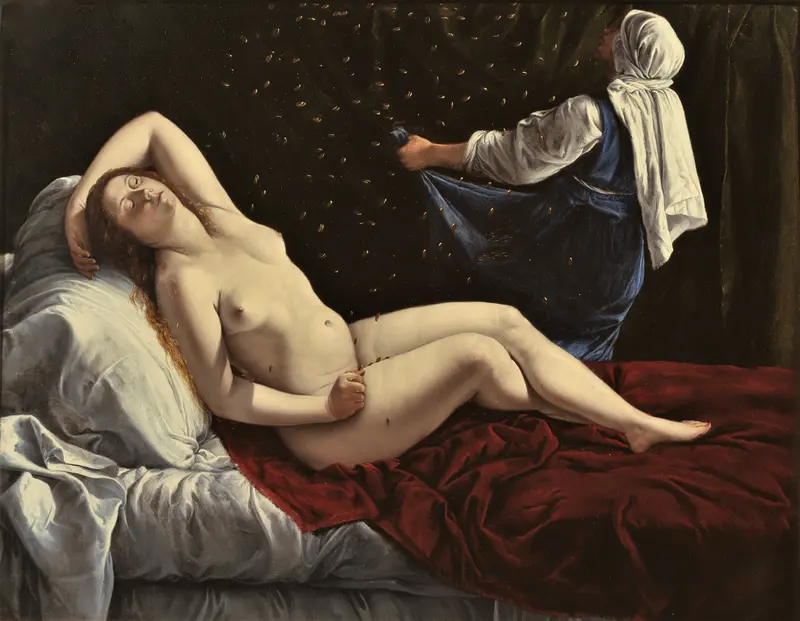
Danaë
Artemisia Gentileschi
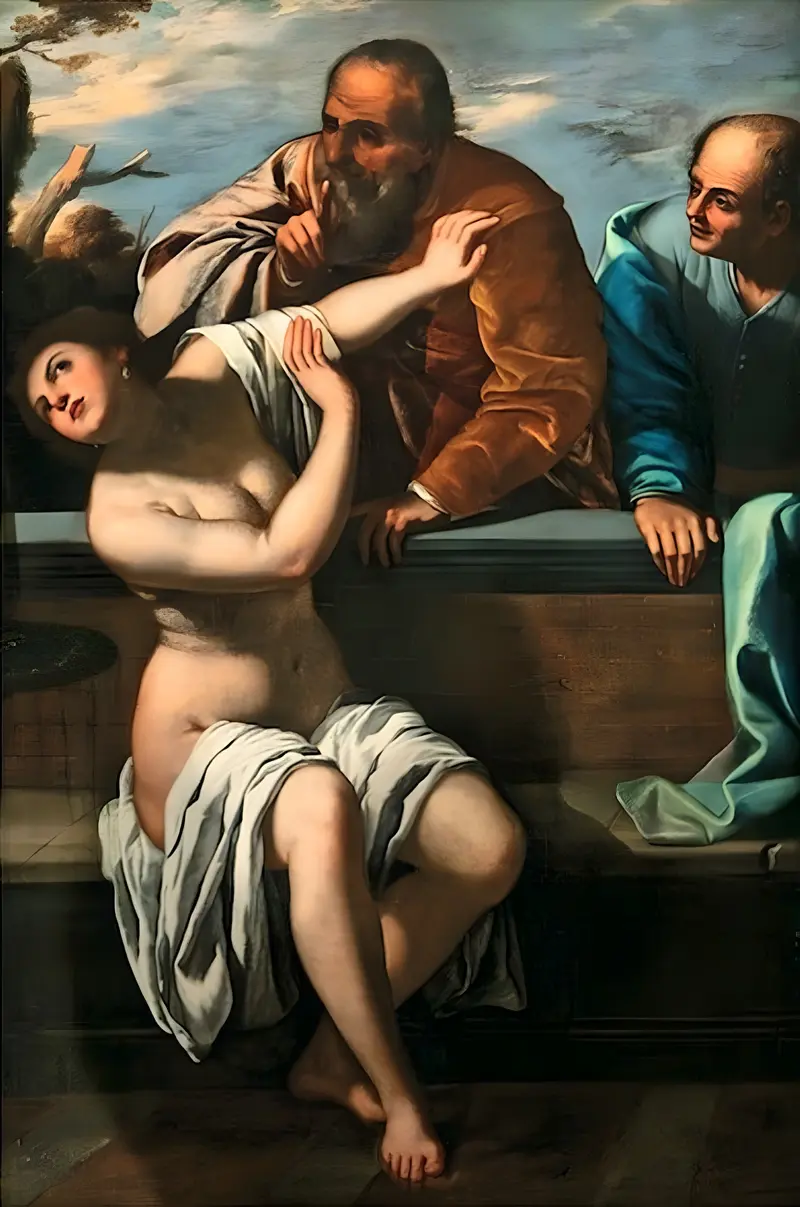
Susannah and the Elders
Artemisia Gentileschi

Judith and her Servant with the Head of Holofernes
Artemisia Gentileschi
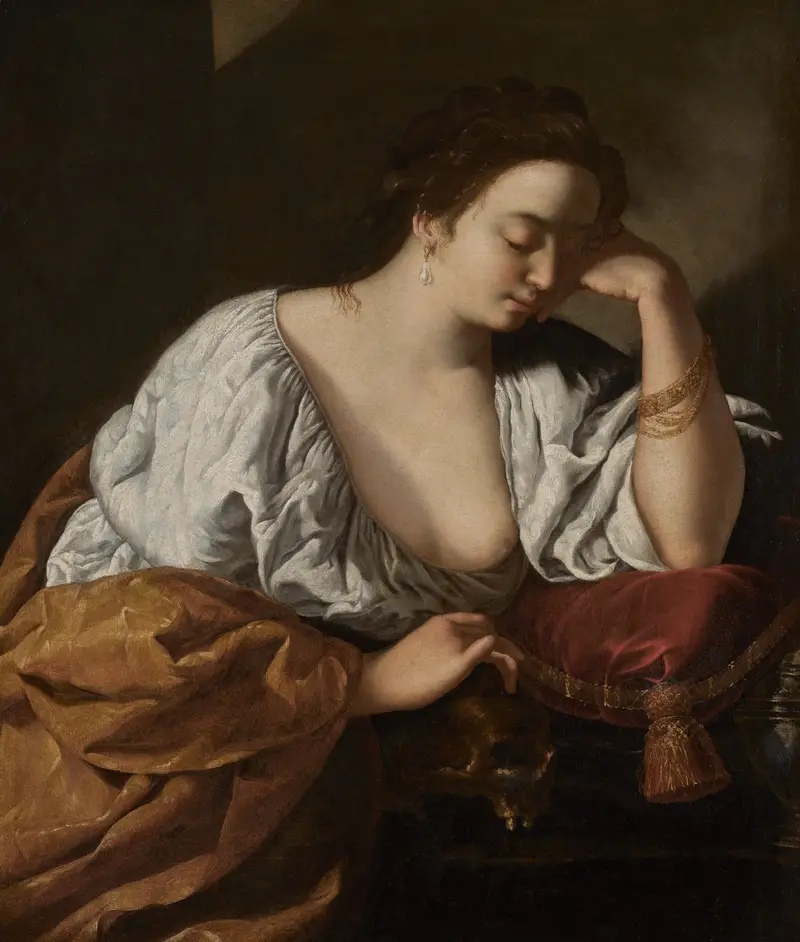
Madeleine pénitente, par
Artemisia Gentileschi
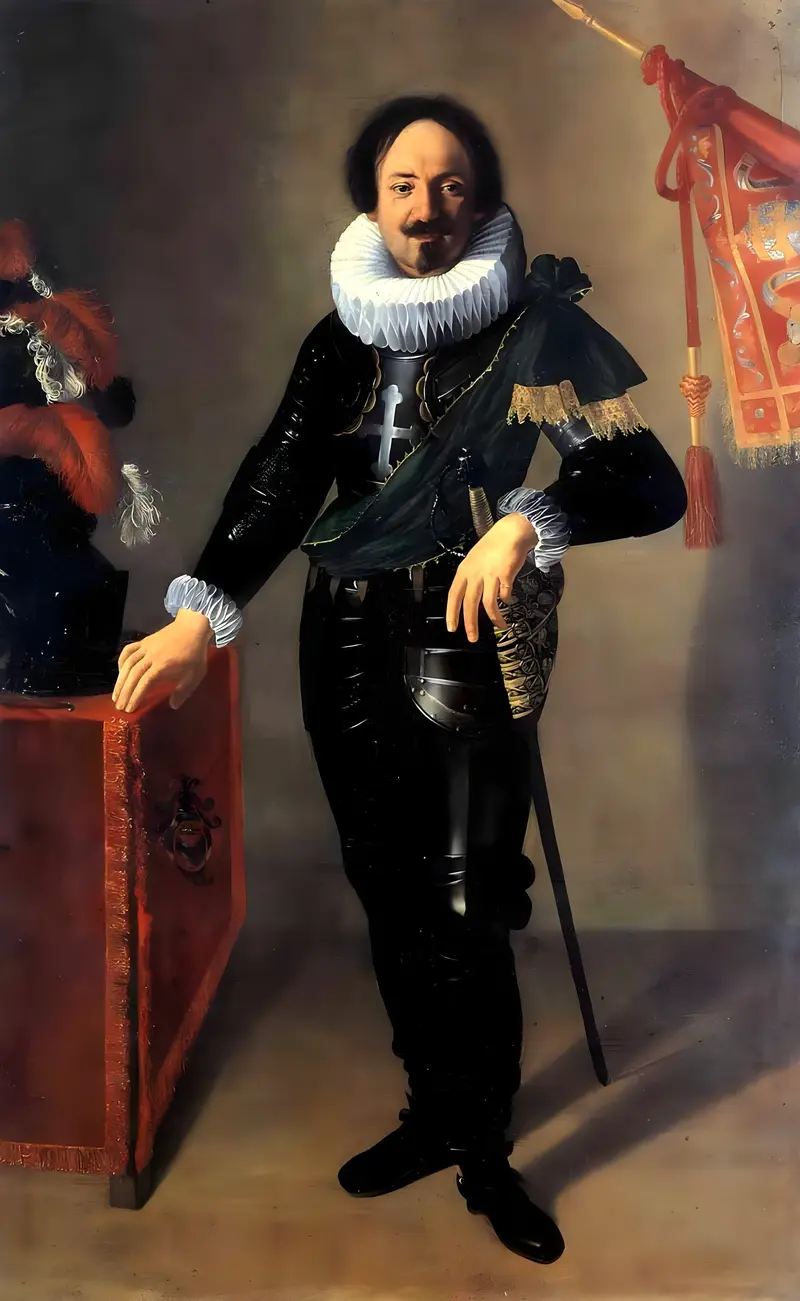
Portrait of a Gonfaloniere
Artemisia Gentileschi





