
Crucifixion — History & Facts
No other surviving painting by Jan van Eyck has provoked as much debate over its origins and meaning as Crucifixion. For centuries, scholars puzzled over whether it was part of a diptych, a lost altarpiece, or a standalone meditation on Christ’s death. The work’s medium remains uncertain, adding to its aura of mystery—unlike most of van Eyck’s paintings, its precise technique has never been conclusively identified.
Even the date, 1430, is an educated estimate, based on style and comparison with securely dated works. This enigma has only deepened the painting’s allure for historians and viewers alike. At the heart of Crucifixion is the moment of Christ’s death, rendered with van Eyck’s signature attention to detail and psychological intensity. Christ hangs on the cross, flanked by the two thieves, while a dense crowd swirls below: soldiers, executioners, weeping women, and onlookers.
The Virgin Mary collapses in grief, supported by St. John, while Mary Magdalene kneels, her golden hair a vivid contrast to the somber earth tones. Van Eyck’s use of light draws the eye up from the chaos of humanity to the stark serenity of Christ’s body, inviting meditation on suffering and redemption.
Unlike the dramatic, emotional scenes painted by Rogier van der Weyden, van Eyck’s approach is restrained, almost forensic, emphasizing the reality of the event over its theatricality. The early history of Crucifixion is shrouded in uncertainty; no record survives of its original patron or intended location. It is likely that the painting was created for private devotion, given its intimate scale and contemplative mood. Over the centuries, the panel passed through various hands, its attribution at times confused with that of van Eyck’s workshop or followers.
Today, it is recognized as one of the most important surviving examples of Northern European religious painting from the early fifteenth century, and is housed in the Metropolitan Museum of Art in New York. Its unresolved mysteries continue to inspire new research and reflection on van Eyck’s legacy.
More Artworks by Jan van Eyck

Adam
Jan van Eyck
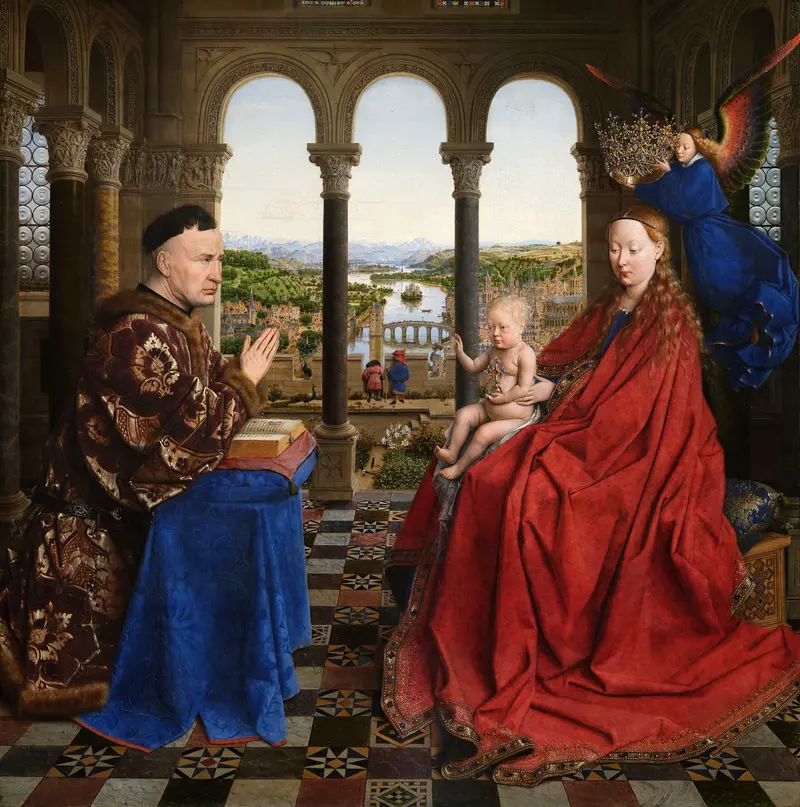
Madonna of Chancellor Rolin
Jan van Eyck
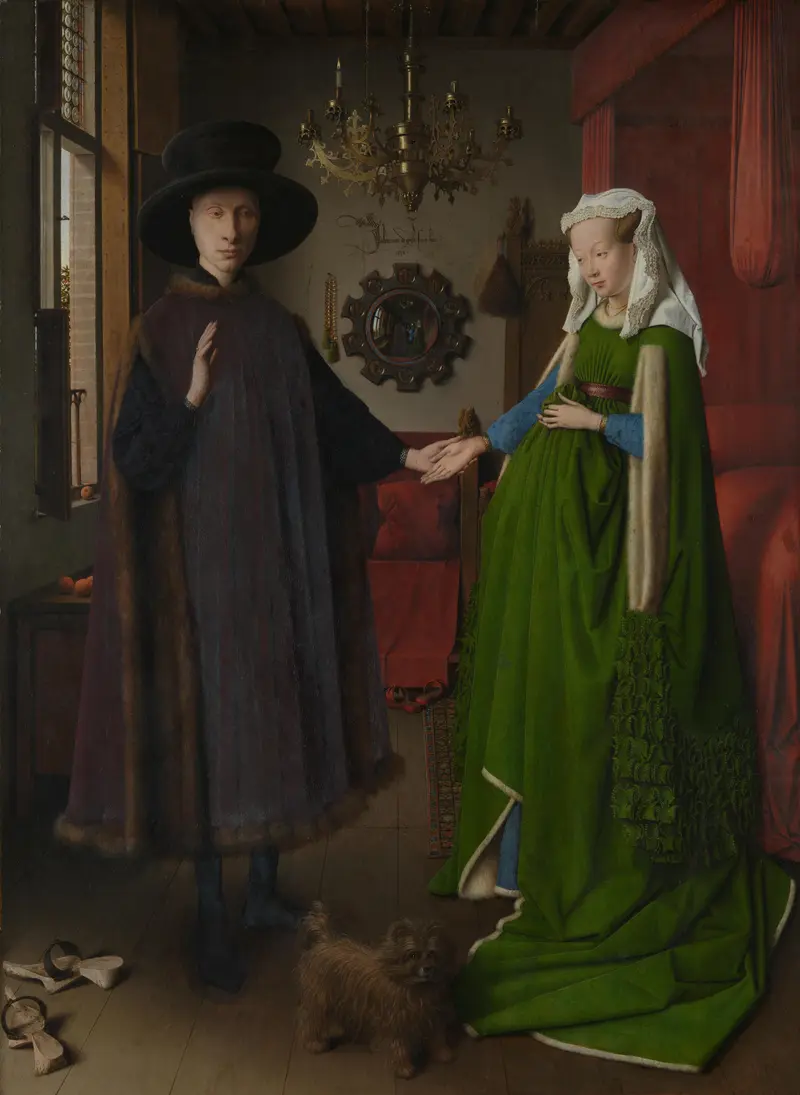
The Arnolfini Portrait
Jan van Eyck
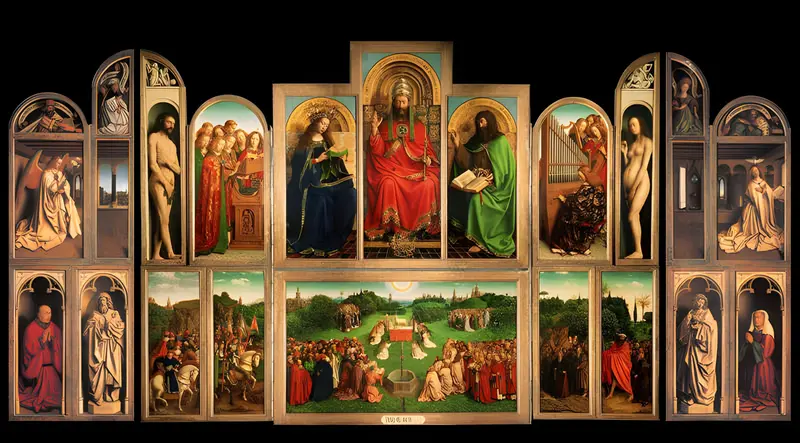
Ghent Altarpiece
Jan van Eyck

Dresden Triptych
Jan van Eyck
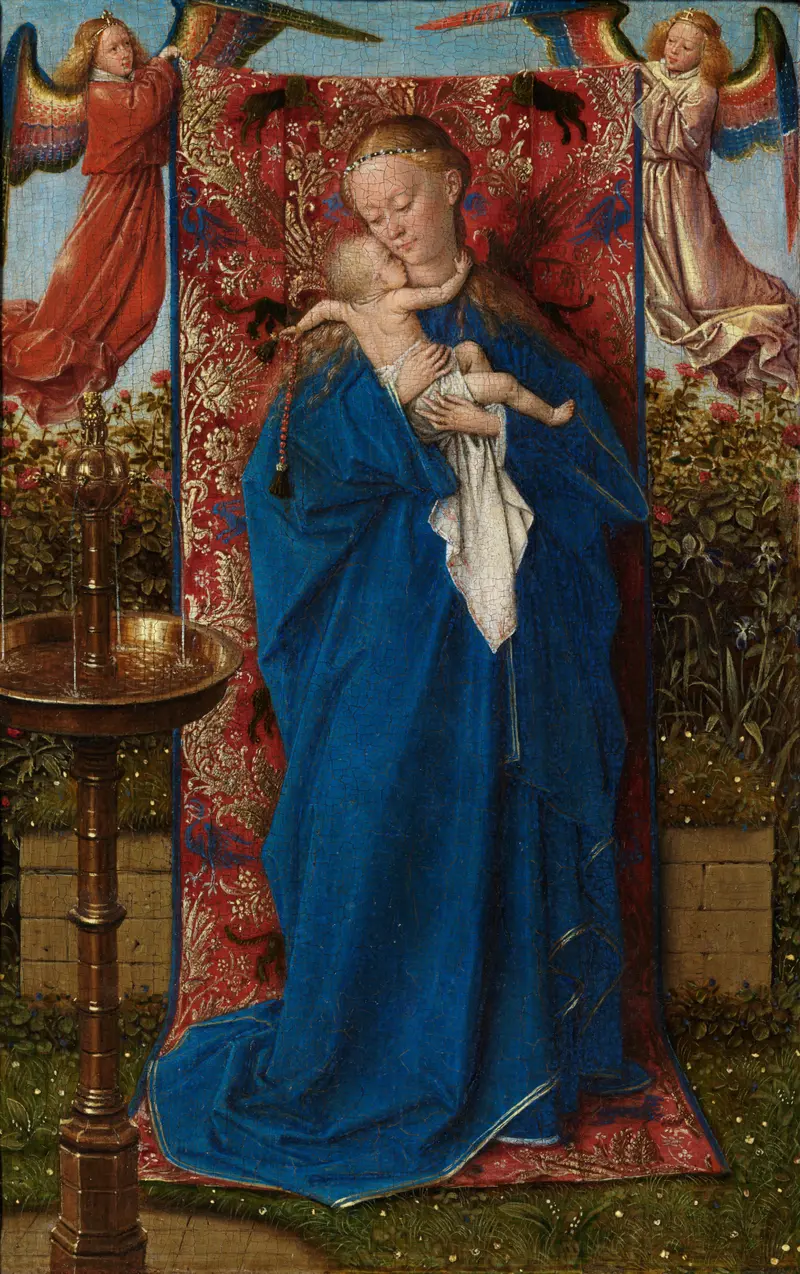
Madonna at the Fountain
Jan van Eyck

Madonna with Canon Joris van der Paele
Jan van Eyck

Prophet Zacharias; Angel of The Annunciation
Jan van Eyck
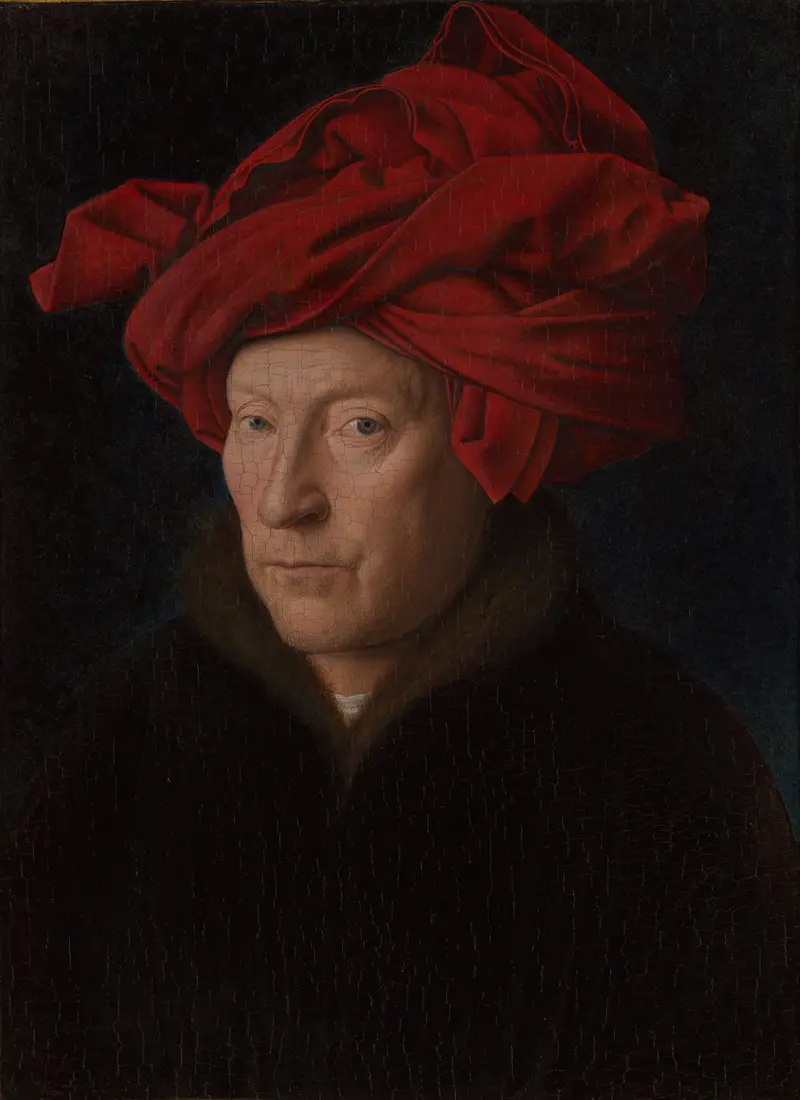
Portrait of a Man (Self Portrait?)
Jan van Eyck
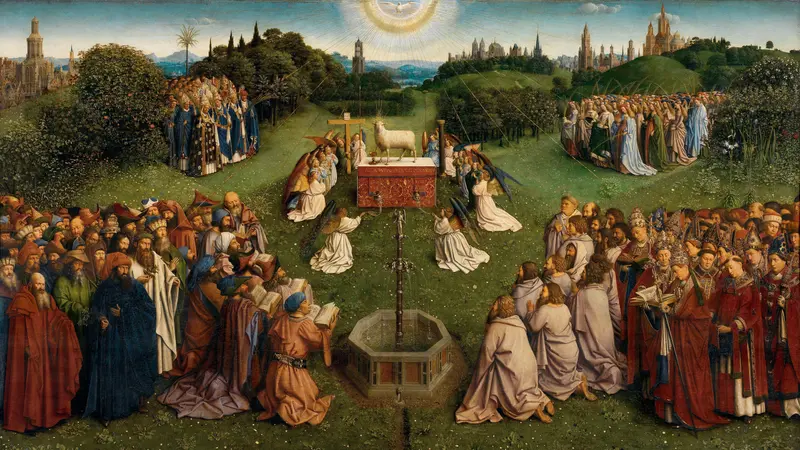
Adoration of the Lamb from the Ghent Altarpiece
Jan van Eyck





