
Dagny Konow — History & Facts
What first catches the eye in Dagny Konow is the way the sitter’s pale blue dress seems to dissolve into the landscape, as if she is both present and drifting away. Her gaze, wide and unblinking, holds the viewer in a moment of quiet confrontation—her body turned slightly aside, but her face meeting us head-on. The birch trees to the left frame her with their upright stripes, while the background opens into a dreamlike gathering: distant figures, rendered with the same loose, urgent brushwork, stand beneath a yellow moon.
The palette is cool and luminous, with the blue of the dress echoing the sky and water, and the quick, almost impatient strokes suggest a fleeting summer evening, half-remembered. Painted in 1917, this work belongs to a period when Edvard Munch was exploring new freedoms in color and form, moving beyond the psychological intensity of his earlier Symbolist works into a more expressive, personal language. Portraits like this, often commissioned by or for members of the Norwegian bourgeoisie, were a way for sitters to assert their place in a changing society, even as Munch’s approach unsettled the conventions of likeness and flattery. The painting now resides in the Munchmuseet, a testament to the artist’s restless experimentation in the years after the First World War.
In this uncertain, shifting world, the sitter’s presence lingers—half in the present, half already a memory—inviting us to look again, and wonder what she is seeing.
More Artworks by Edvard Munch

The Scream
Edvard Munch

The Scream (1910 version)
Edvard Munch

Despair
Edvard Munch

The Day After
Edvard Munch
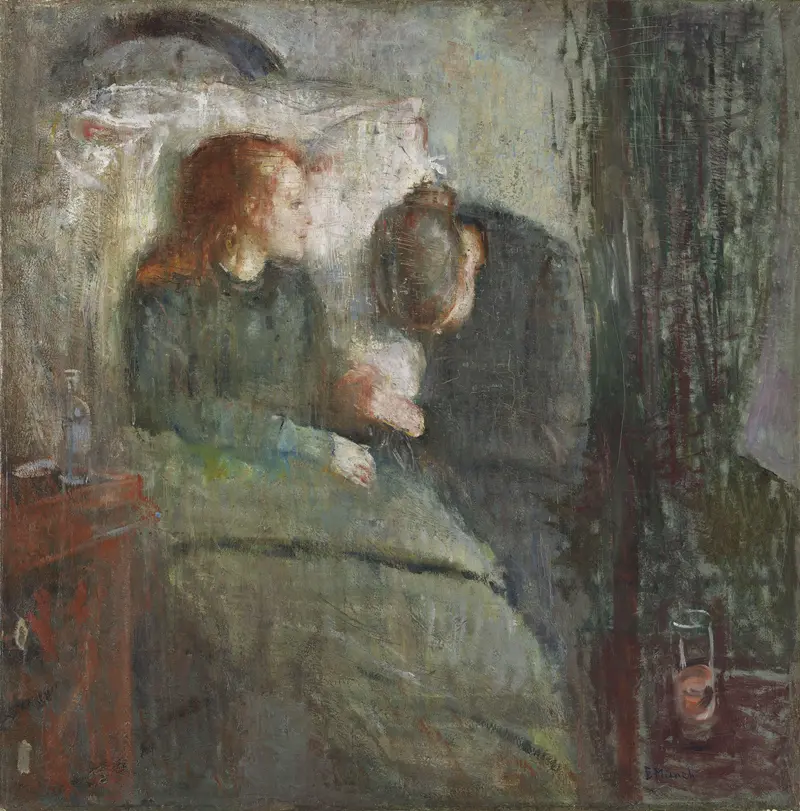
The Sick Child
Edvard Munch
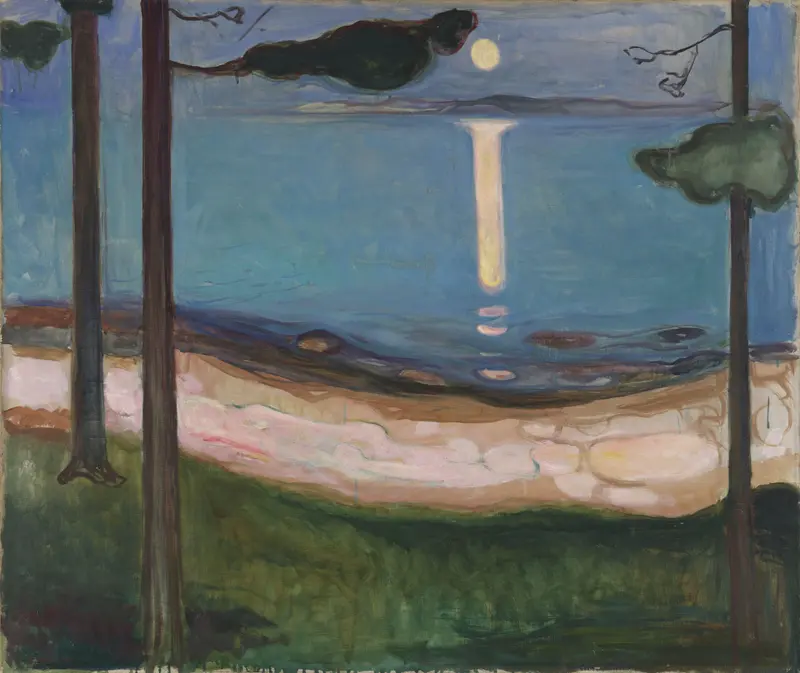
Moonlight
Edvard Munch
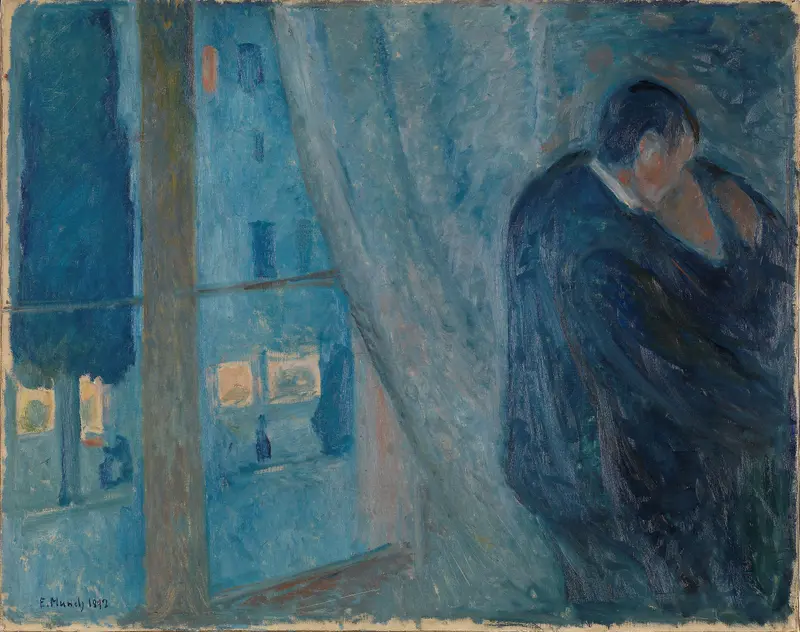
The Kiss
Edvard Munch
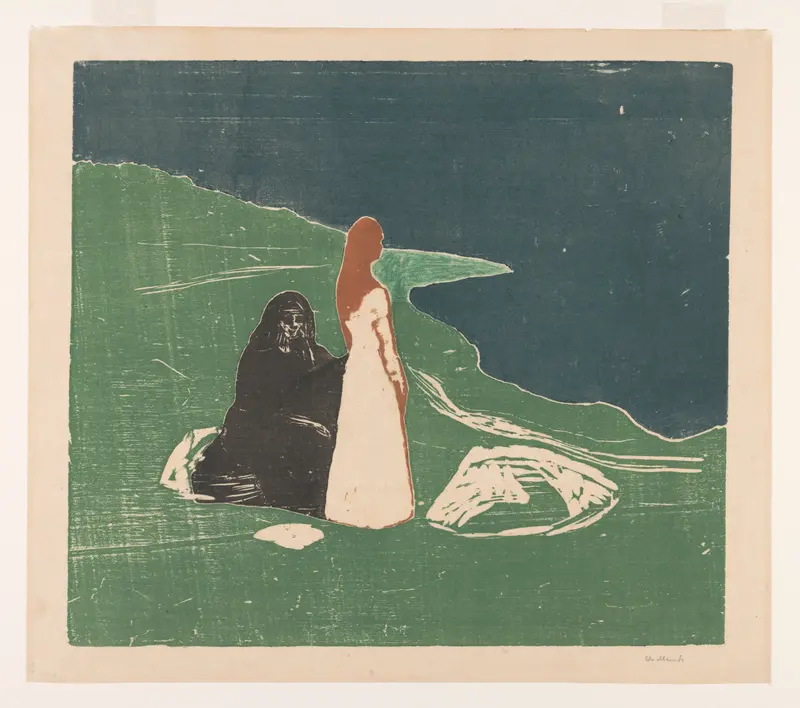
Two Women on the Shore
Edvard Munch
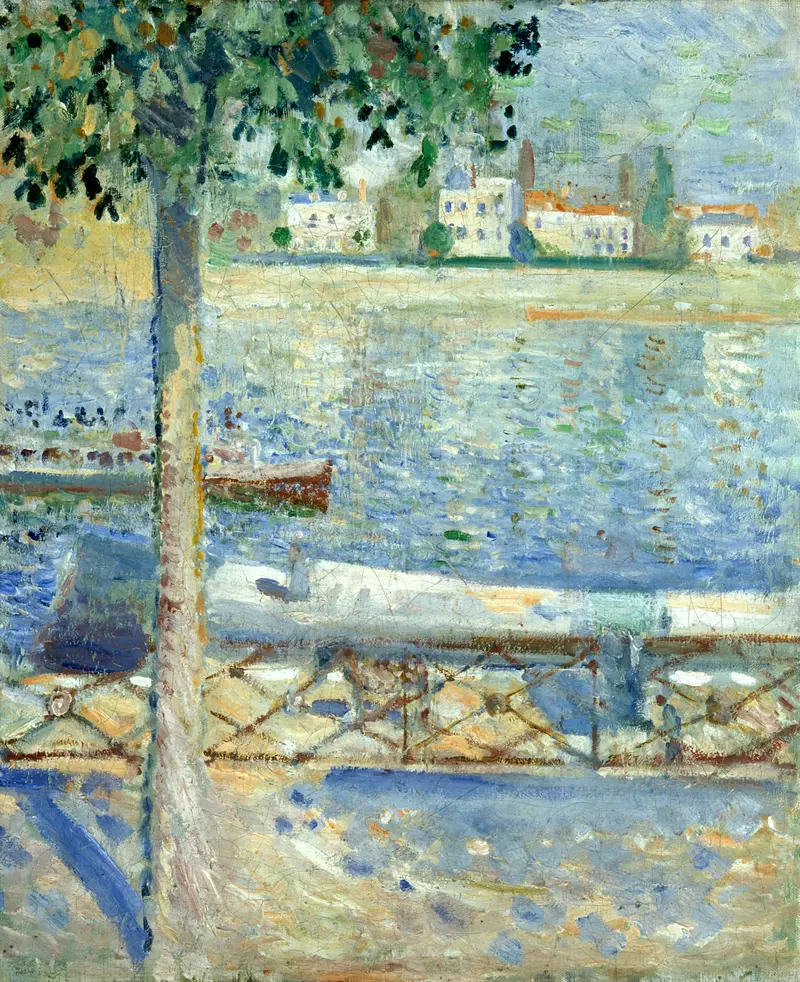
The Seine At Saint-Cloud
Edvard Munch
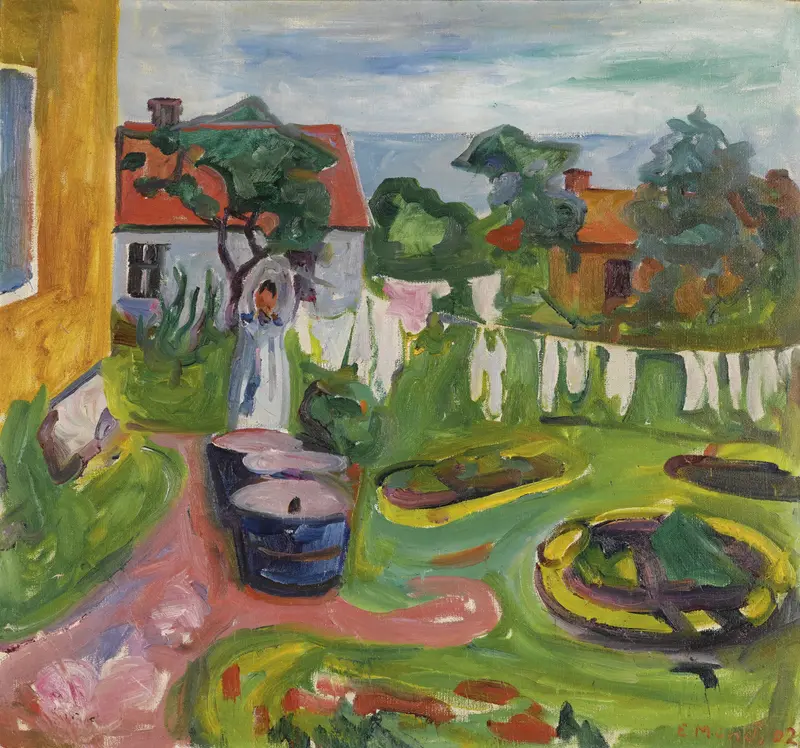
Klestørk I Åsgårdstrand (Clothes On A Line In Åsgårdstrand)
Edvard Munch





