
Danube meadows — History & Facts
In Danube Meadows, a world unfolds where nature breathes with vibrant energy and serene tranquility, inviting us to ponder the moment of transcendence within our grasp. Look to the center of the canvas, where hardy green grasses sway gently under a soft breeze, their texture rendered with rhythmic strokes that breathe life into each blade. Notice how the sunlight spills across the landscape, illuminating the yellows and golds of wildflowers that dot the meadow, creating a tapestry of color that draws the eye. The sweeping strokes of the brush capture an ephemeral quality, evoking a sense of movement and time suspending as day transitions into evening. Amidst this natural beauty, subtle contrasts emerge—between the wildness of the blooms and the soft whispers of the river that winds quietly in the background.
Each element, from the textured foreground to the smooth, reflective surface of the water, speaks to the balance between chaos and order, inviting the viewer to contemplate their relationship with nature. The unoccupied space in the painting suggests a vastness beyond what is depicted, urging us to find our own place within this harmonious expanse. In the late 19th century, Schindler created Danube Meadows amidst a flourishing art scene in Vienna, where nature and Impressionistic ideals were becoming increasingly celebrated. His focus on capturing the ephemeral beauty of landscapes reflected not only his personal encounters with the German countryside but also the broader movement of artists striving to convey the essence of their surroundings.
More Artworks by Emil Jakob Schindler
Browse all →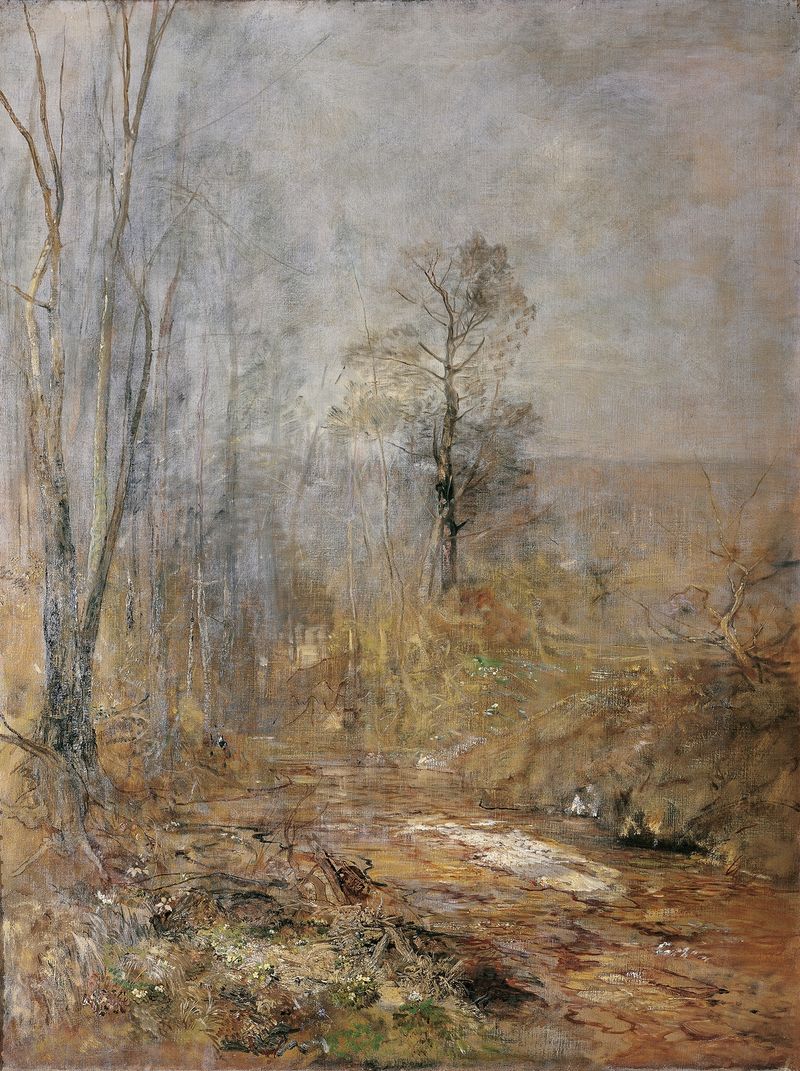
Märzstimmung – Vorfrühling im Wienerwald
Emil Jakob Schindler
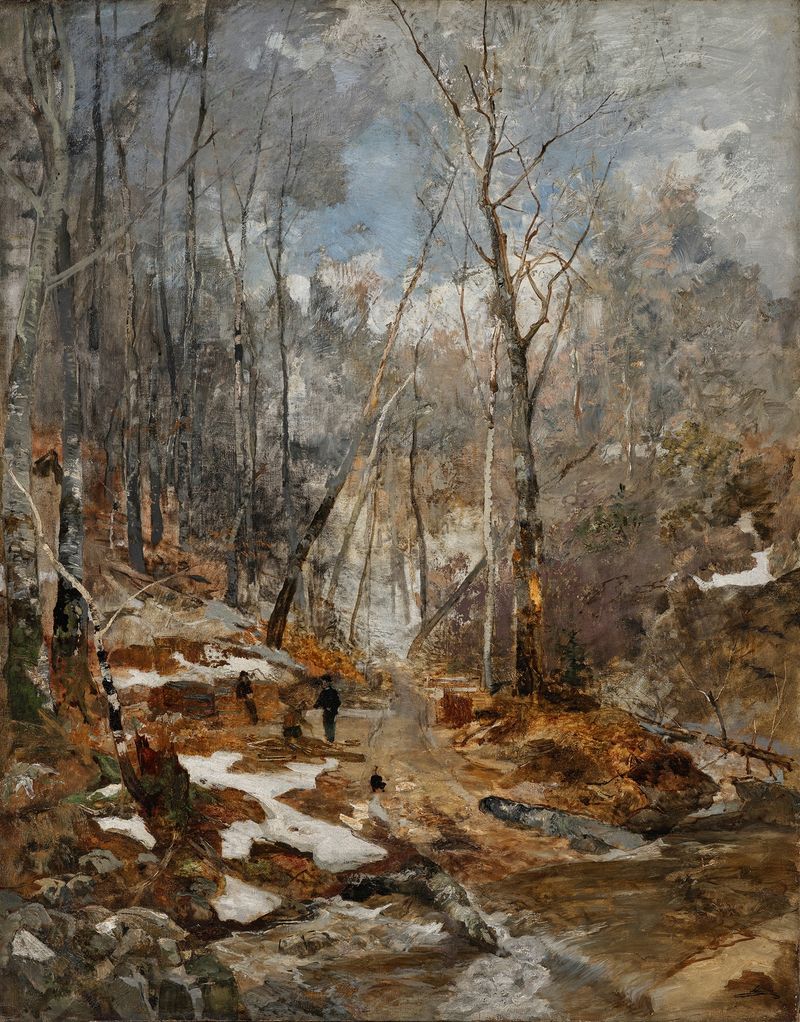
Februarstimmung – Vorfrühling im Wienerwald
Emil Jakob Schindler
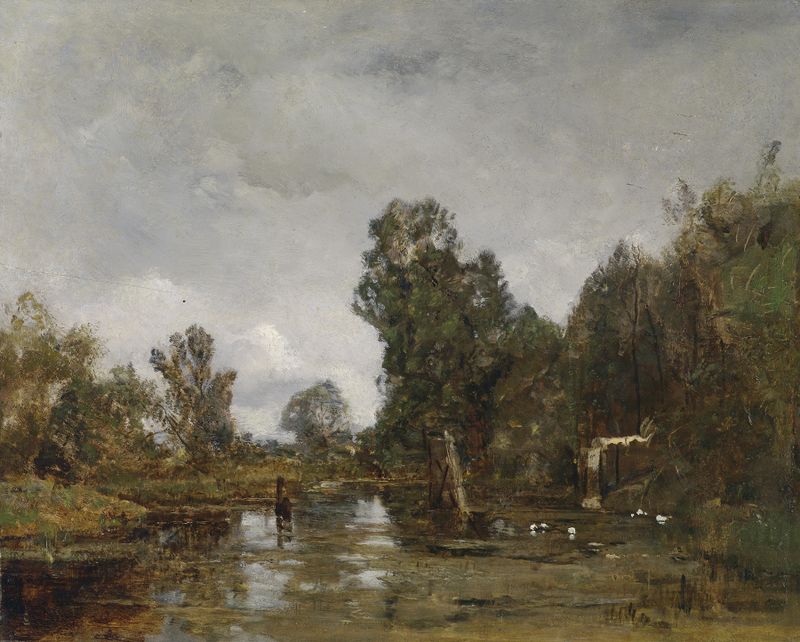
Motiv aus dem Wiener Prater (Krieau)
Emil Jakob Schindler
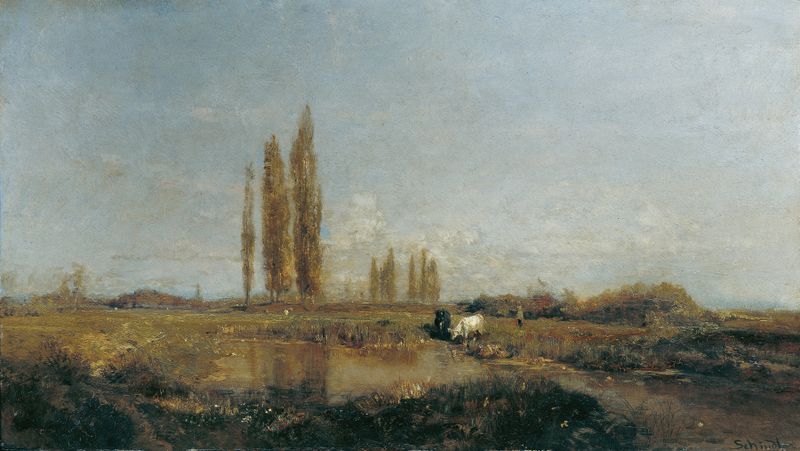
An der Thaya bei Lundenburg
Emil Jakob Schindler
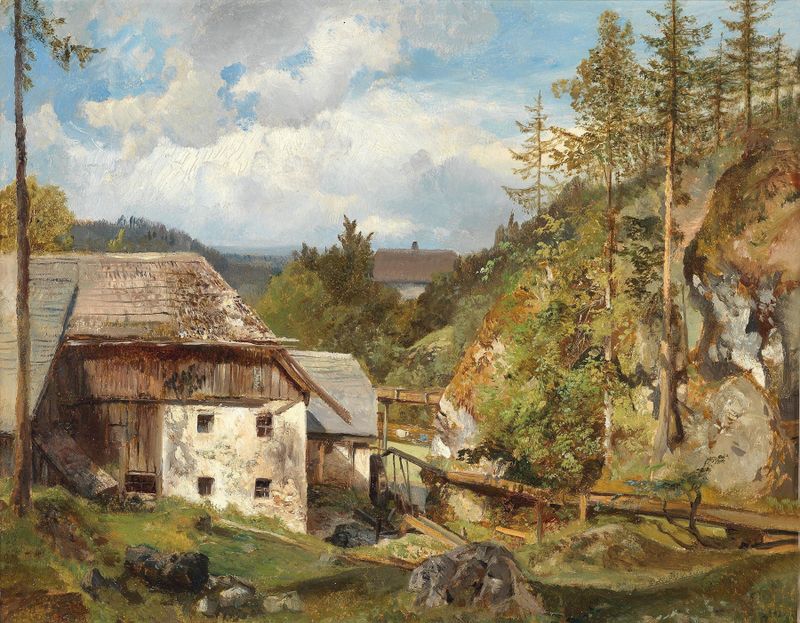
Die Mühle im Wald
Emil Jakob Schindler
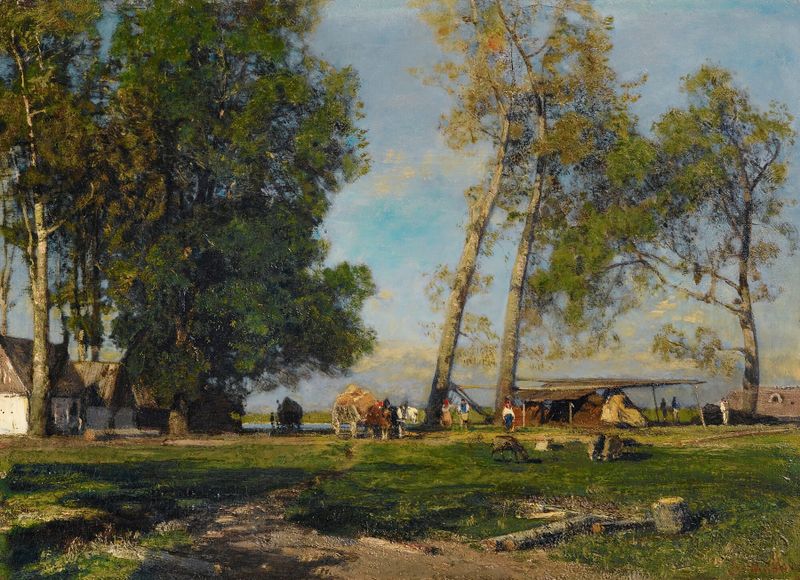
The Prater Gardens, Vienna
Emil Jakob Schindler
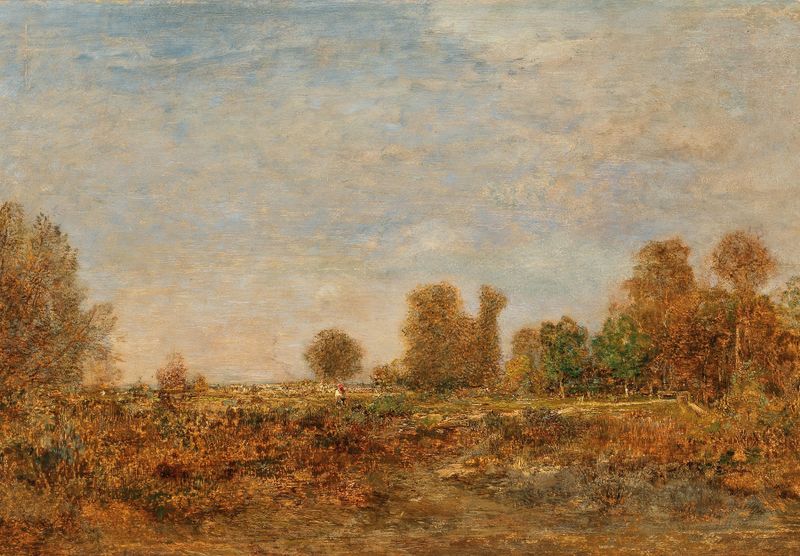
Landschaft, Lundenburg
Emil Jakob Schindler
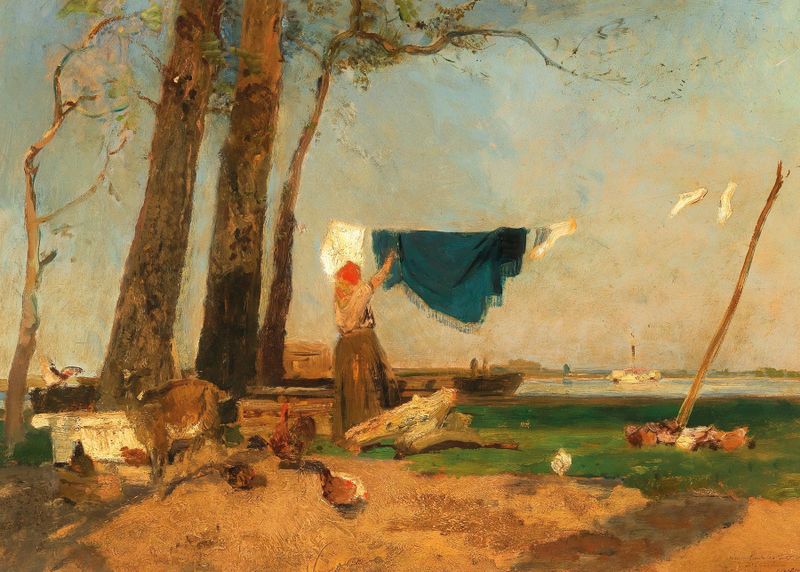
A washerwoman on the Danube bank, near the Praterspitz
Emil Jakob Schindler
Mühle in Plankenberg
Emil Jakob Schindler
Mondaufgang in der Praterau
Emil Jakob Schindler





