Das Ionische Meer bei Korfu — History & Analysis
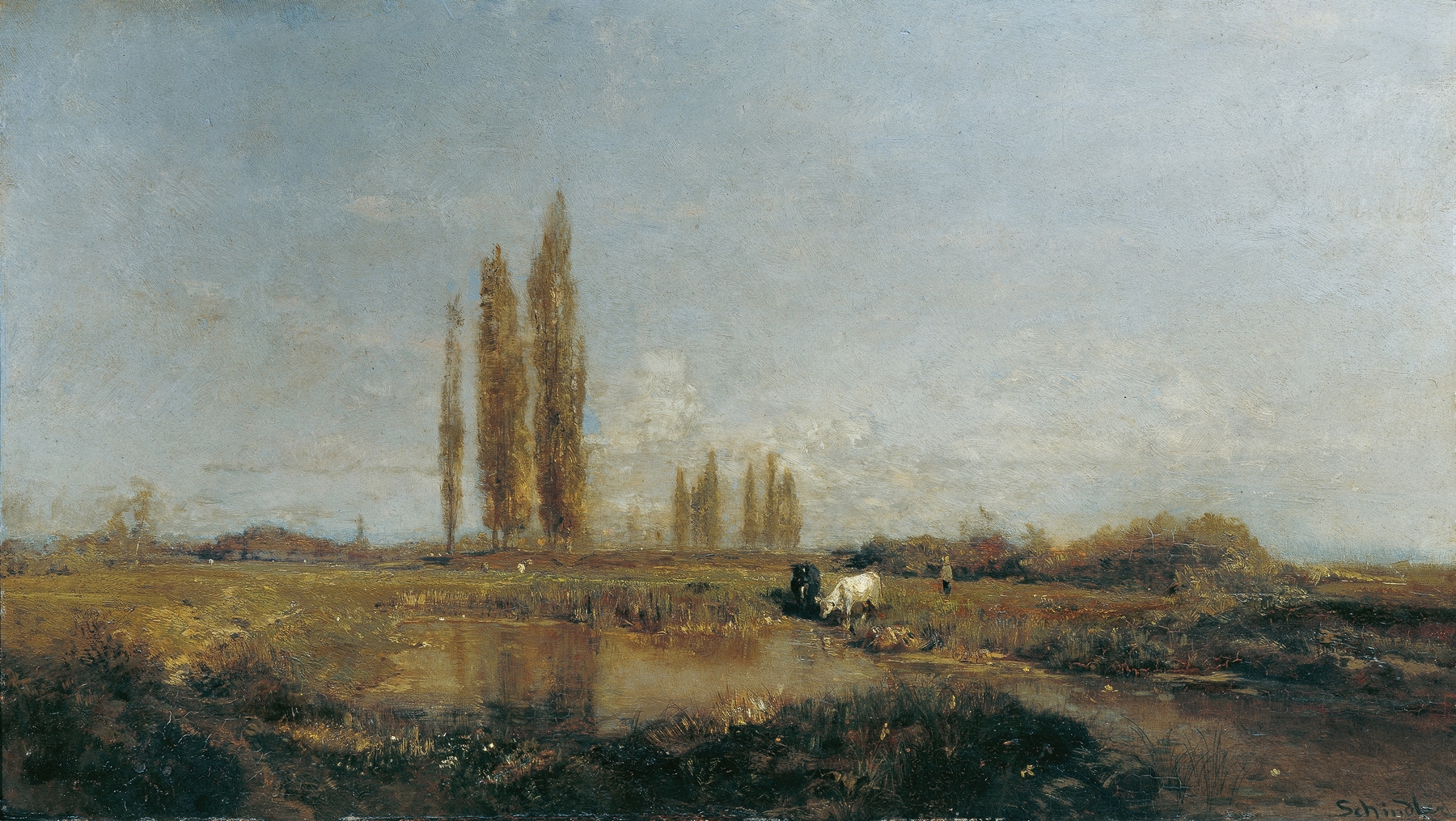
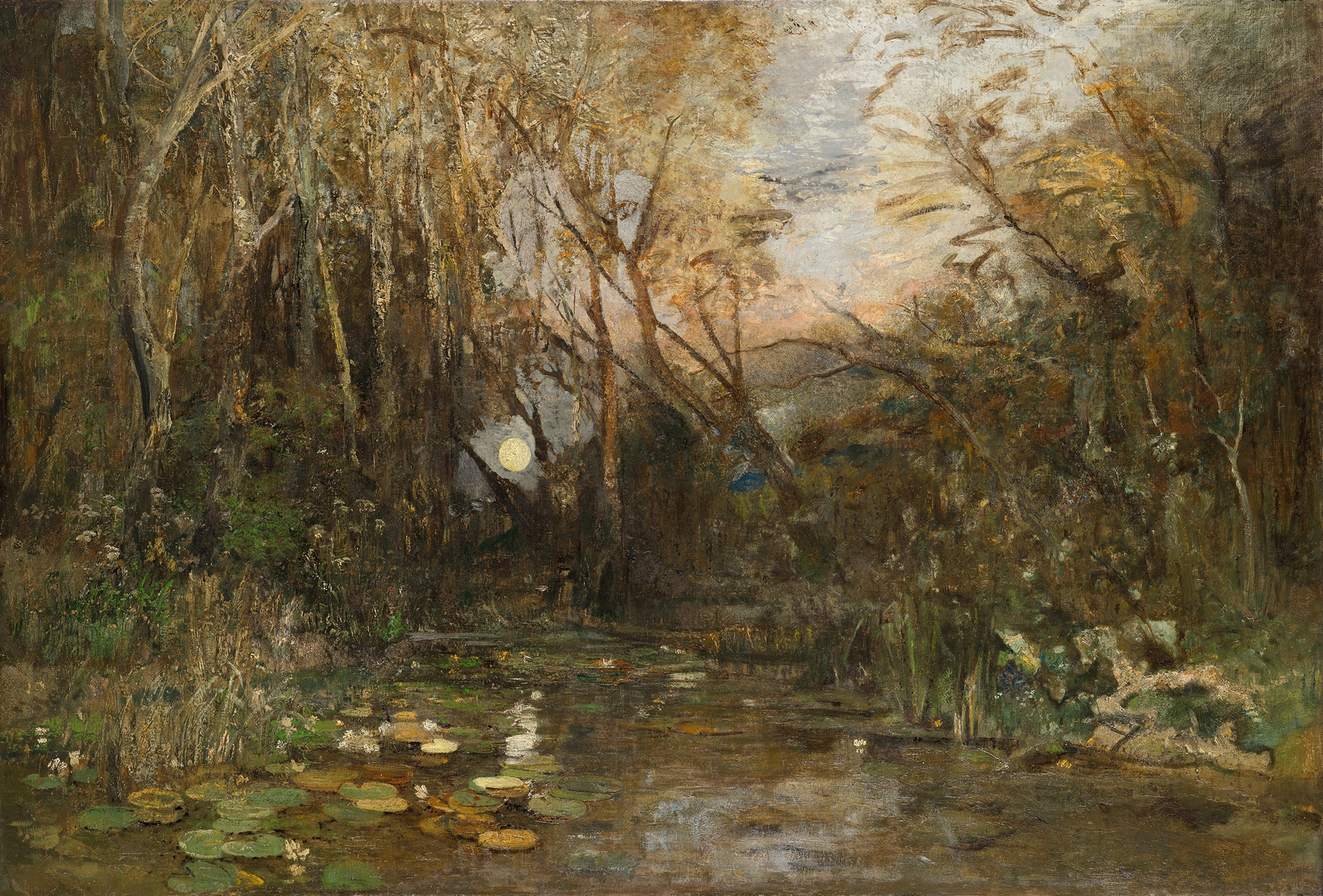
Can beauty exist without sorrow? In Das Ionische Meer bei Korfu, the answer lies in the gentle embrace of light and shadow, beckoning the viewer into a world of longing and serenity. The artwork captures not just a landscape but an emotional resonance that echoes through its waves and skies. Look to the horizon where the cerulean sea meets the soft, peachy glow of dusk. The brushstrokes are fluid, rendering the waves with a delicate touch that contrasts with the solid, craggy cliffs standing sentinel nearby.
Notice how the light falls upon the water's surface, creating shimmering reflections that dance beneath the fading sun, drawing your gaze deeper into the tranquil yet dynamic scene. Schindler’s palette—rich, yet subdued—invites contemplation, a gentle reminder of the fleeting beauty of nature. Delve into the subtleties where the land meets the sea, where the colors suggest a merging of worlds. The lush greenery framing the cliffs symbolizes life and vitality, while the expansive ocean hints at the unknown—a yearning for adventure tinged with melancholy. The calmness of the scene belies an undercurrent of nostalgia, as if the landscape holds secrets of the past, whispering stories carried by the breeze.
This duality creates a space for introspection, prompting the viewer to confront their own feelings of longing and beauty. Emil Jakob Schindler painted this piece in 1888 while residing in Vienna, immersed in an art scene that increasingly celebrated natural beauty and Impressionistic techniques. The late 19th century was a period of change, reflecting the tensions of modernity and tradition. As artists sought to capture the essence of their surroundings, Schindler’s work emerged as a poignant exploration of both the physical landscape and the emotional landscapes that reside within us.