
Death of Adonis — History & Facts
What grips the viewer first in Death of Adonis is not the lifeless body on the right, but the living, tangled grief that radiates from the women and children at the center. The pale, almost luminous figure of Venus collapses, her body folding inward, one hand clutching her attendant and the other reaching for Adonis even in death. Every gesture is a thread in the fabric of loss: the attendant’s hand gently wipes Venus’s brow, while a cherub—his back to us—offers up a shallow dish, perhaps for tears or blood.
The darkness around them presses close, so that the figures seem to glow with their own sorrow, the drapery and flesh rendered in a soft, golden light that draws the eye from Venus’s anguished face to the wound on Adonis’s thigh. This is a painting that lingers on aftermath rather than action. Adonis lies sprawled at the edge of the scene, his body already receding into shadow, a hunting dog at his side. The myth is well known: Adonis, beloved of Venus, killed by a wild boar.
But Alessandro Turchi chooses not the moment of violence, but the collapse that follows—Venus undone, the gods and putti powerless. The palette is rich but subdued, the landscape behind a murky dusk, so all attention is on the human drama. In contrast to Titian’s energetic hunts, Turchi’s world is stilled, the tragedy intimate and domestic, the divine made painfully human.
The viewer is left with the sense that mourning itself is the true subject, and that the story continues in the silent exchange of hands and glances. Painted in the first quarter of the seventeenth century, this work belongs to a world in which mythological subjects were prized by collectors for their blend of sensuality and moral lesson. Such paintings, often destined for private chambers, invited contemplation of love, loss, and fate. The cyfrowe.mnw.art.pl collection preserves this example, though history has kept few traces of its early journey or patrons.
In the shifting light and careful choreography of figures, one glimpses the ambitions of early Baroque painting—a desire to move the viewer, not just with beauty, but with the rawness of feeling. Return to Venus’s face, and see how Turchi’s brushwork makes her grief as present now as it was four centuries ago.
More Artworks by Alessandro Turchi

The Flood
Alessandro Turchi
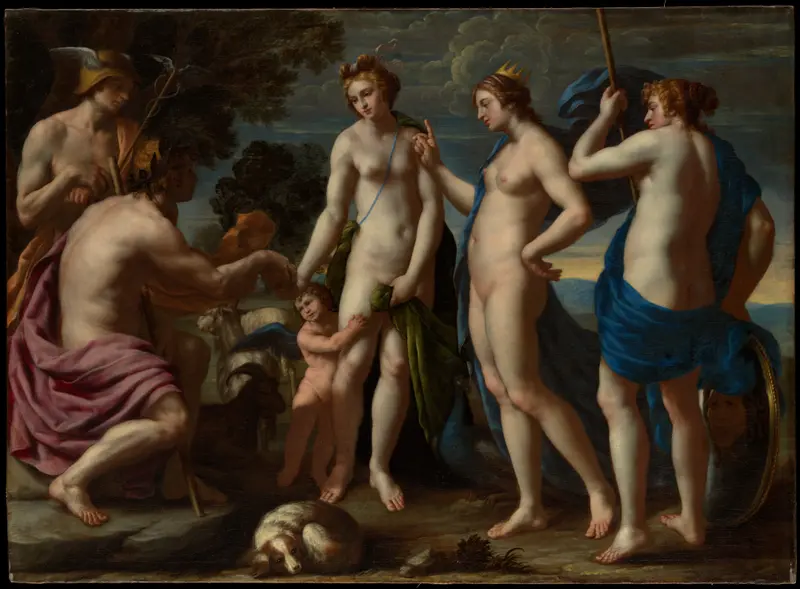
Judgment of Paris
Alessandro Turchi
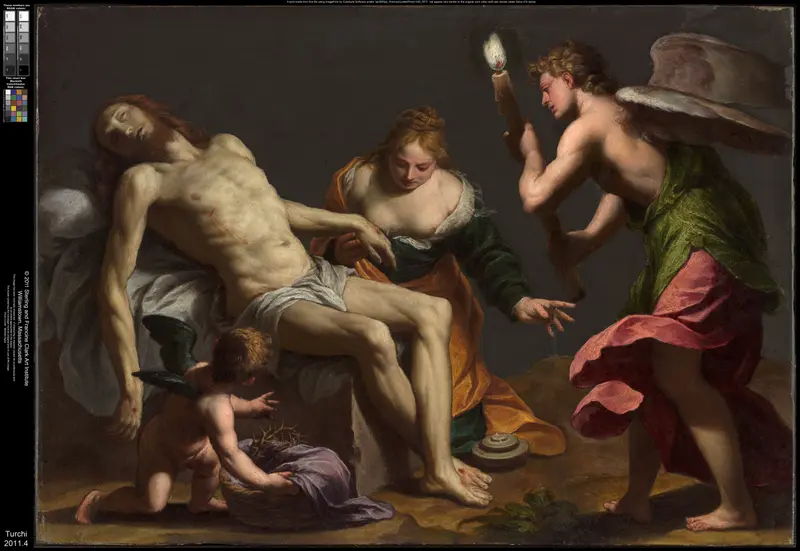
Lamentation over the Body of Christ
Alessandro Turchi
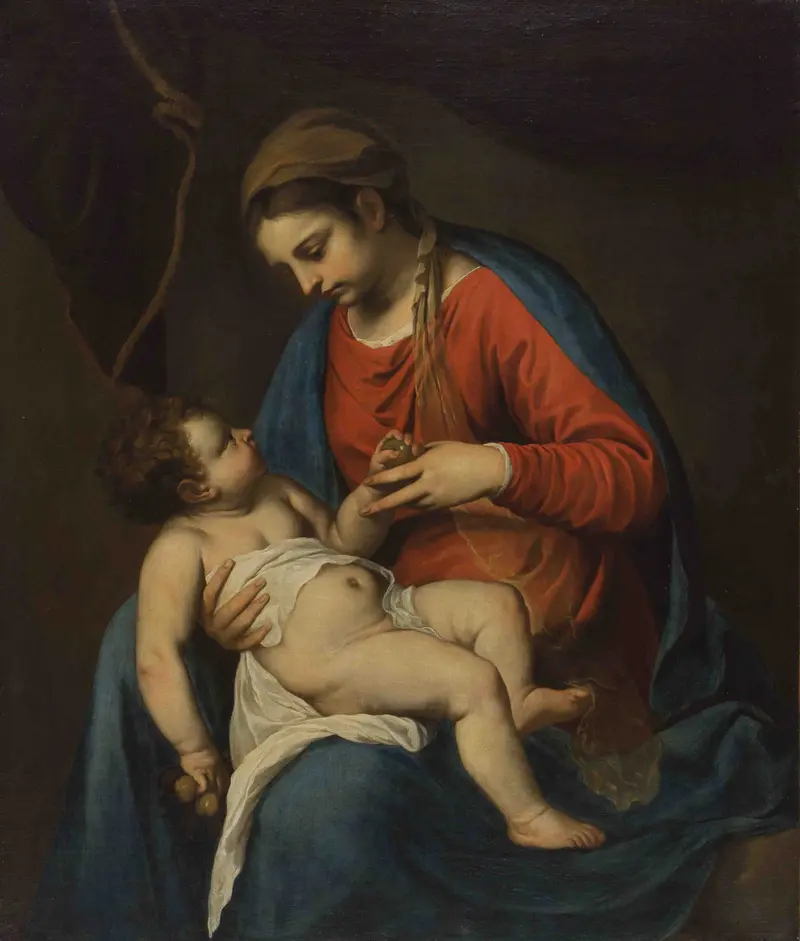
Maria with Child
Alessandro Turchi

Saint Peter visits Saint Agatha in her Prison
Alessandro Turchi
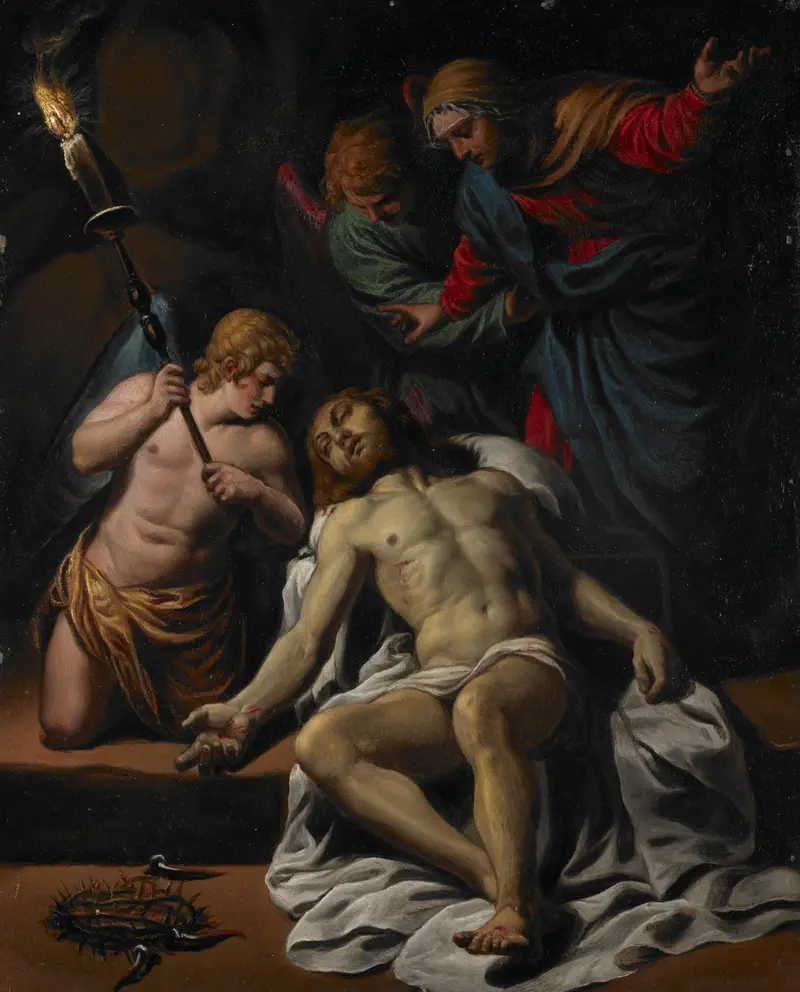
The Lamentation
Alessandro Turchi
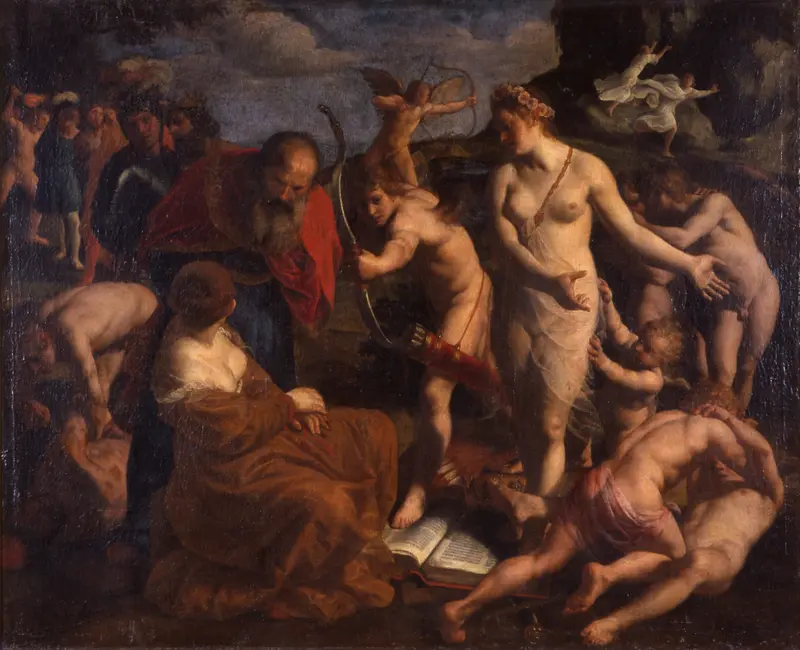
Allegory on the Power of Love ('Omnia Vincit Amor')
Alessandro Turchi
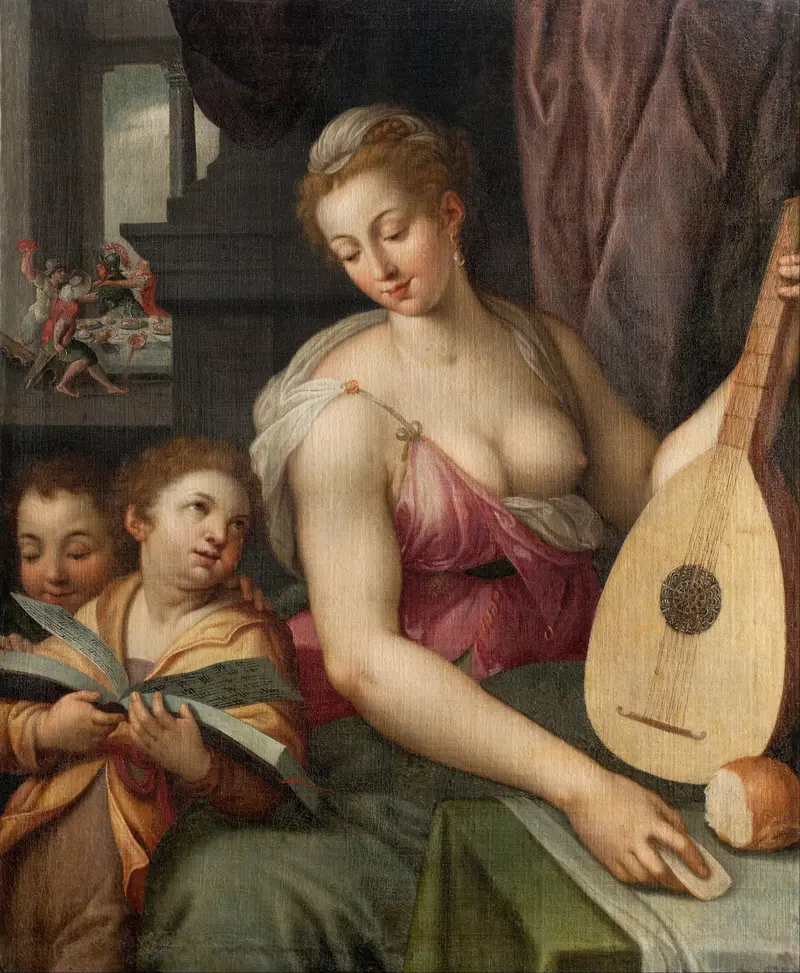
Allegory of Music
Alessandro Turchi
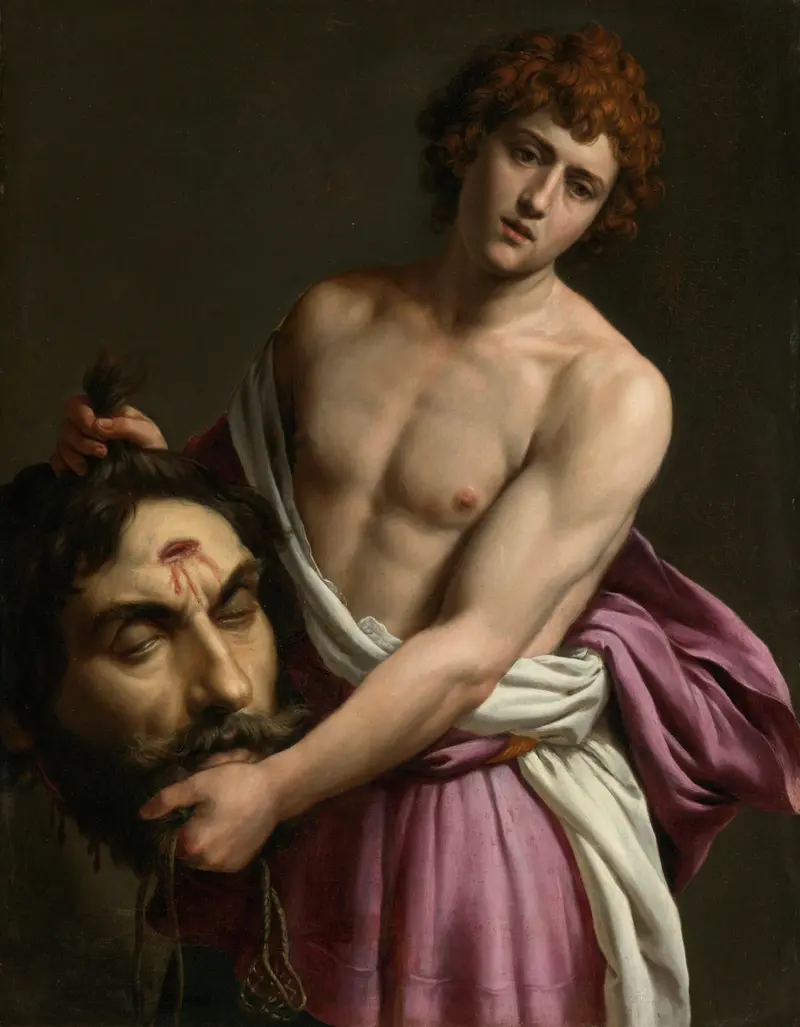
David with the Head of Goliath
Alessandro Turchi
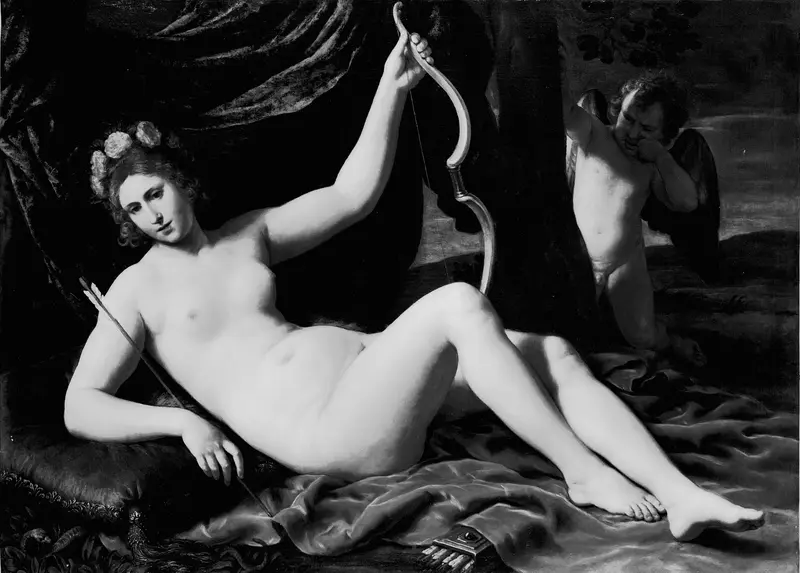
Venus and Cupid
Alessandro Turchi





