
Destiny — History & Facts
What first catches the eye in Destiny is the quiet intensity of the young woman, poised at a threshold between inner vision and the world beyond her window. She holds a deep blue bowl close to her lips, as if about to drink or divine, her gaze fixed on something only she can see. The golden light that spills across the arches and domes behind her is not just a backdrop; it draws the viewer into a world where ships with billowing sails drift toward an unknown shore.
Every detail—the tilt of her head, the careful grip on the vessel, the open book at her side—suggests a moment heavy with choice or foretelling, as if the future itself hovers in the air. Painted in 1900, this work by John William Waterhouse belongs to a world still in love with myth and legend, where artists conjured scenes of enchantment and fate for an audience hungry for stories. The late Victorian era saw a revival of interest in medieval romance and classical antiquity, with the Pre-Raphaelites and their followers—Waterhouse among them—creating images that promised escape from the industrial age. Such paintings were often commissioned by collectors eager to surround themselves with beauty and narrative, or exhibited to raise funds for causes, as the inscription hints.
Though little is recorded about the specific journey of this painting, its presence in the Art Renewal Center collection today invites us to linger over the questions it raises: what destiny is being read, and what future sails just beyond the horizon?
More Artworks by John William Waterhouse
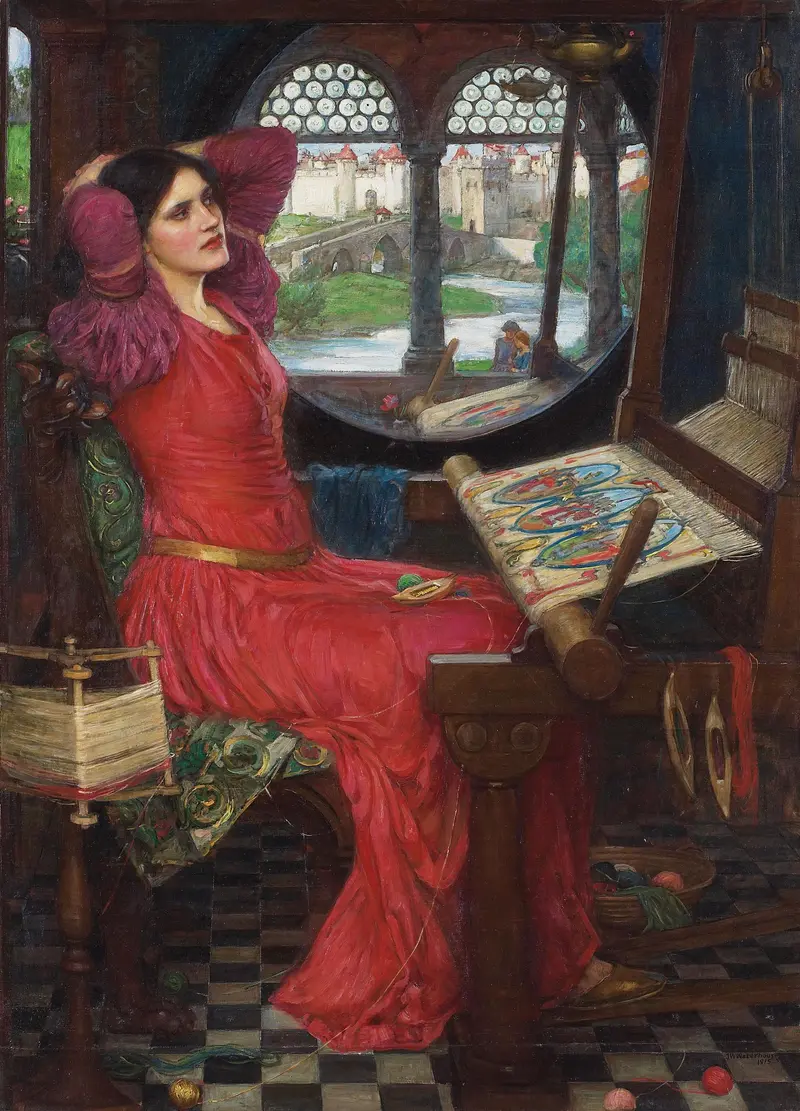
'I Am Half-Sick of Shadows,' Said the Lady of Shalott
John William Waterhouse

The Favourites of the Emperor Honorius, 1883
John William Waterhouse
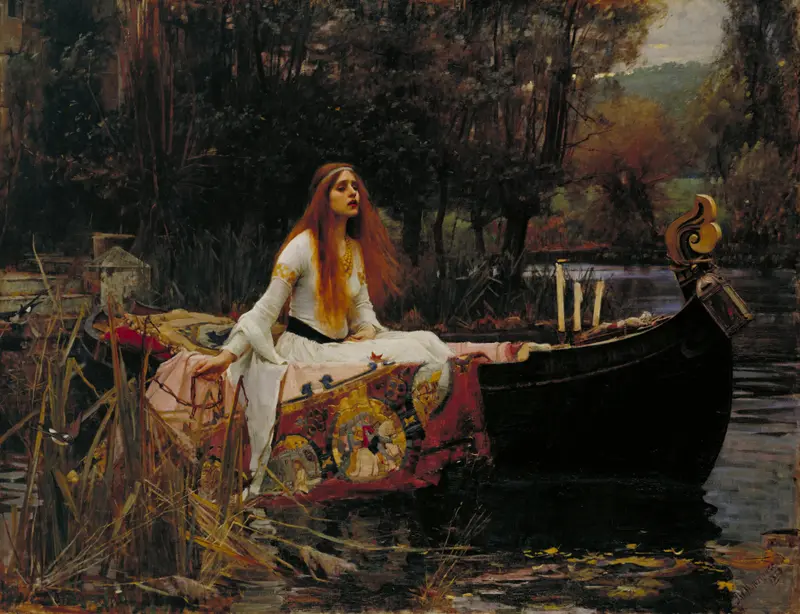
The Lady of Shalott
John William Waterhouse
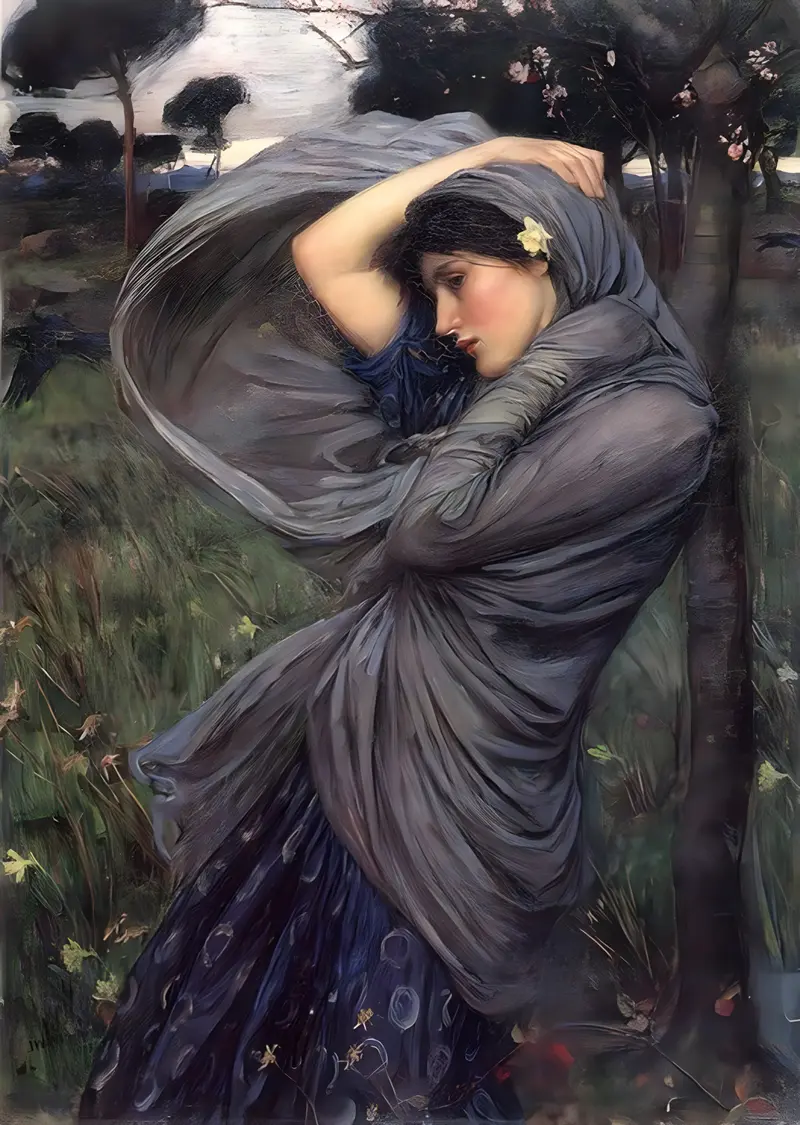
Boreas
John William Waterhouse
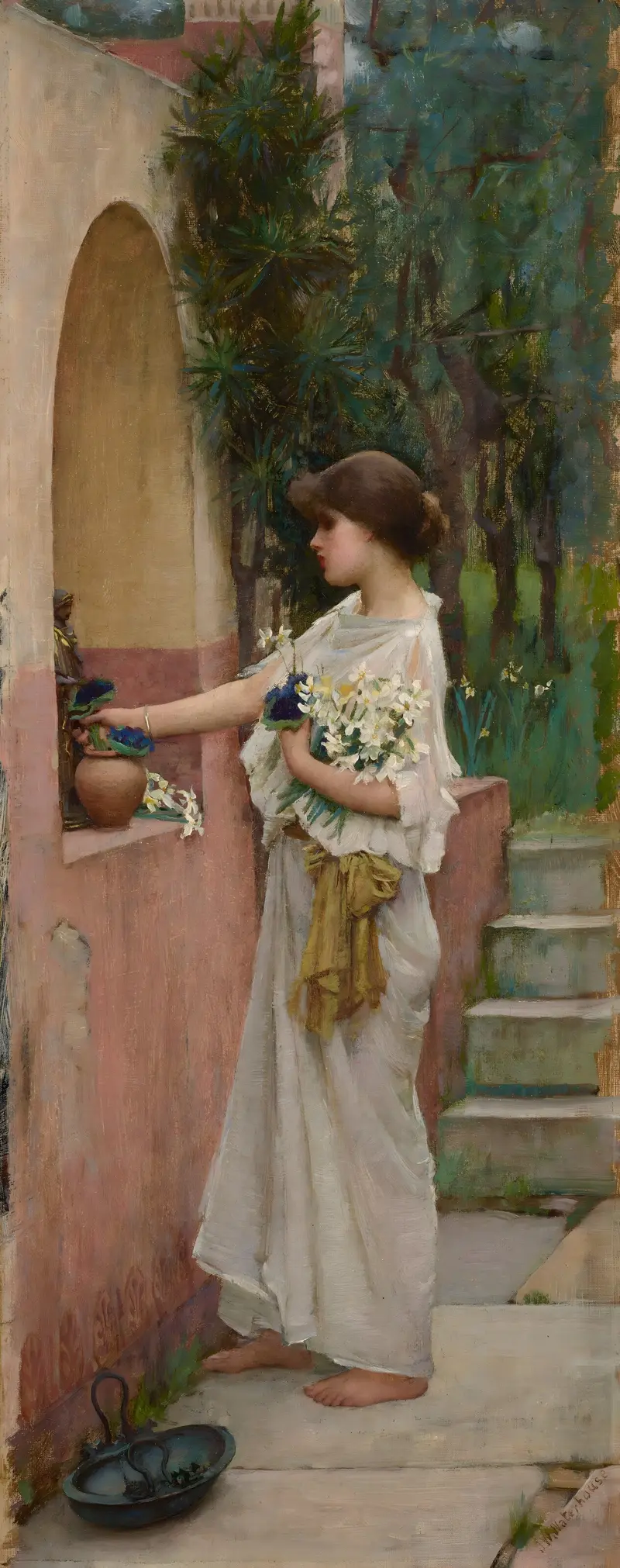
A Roman Offering
John William Waterhouse
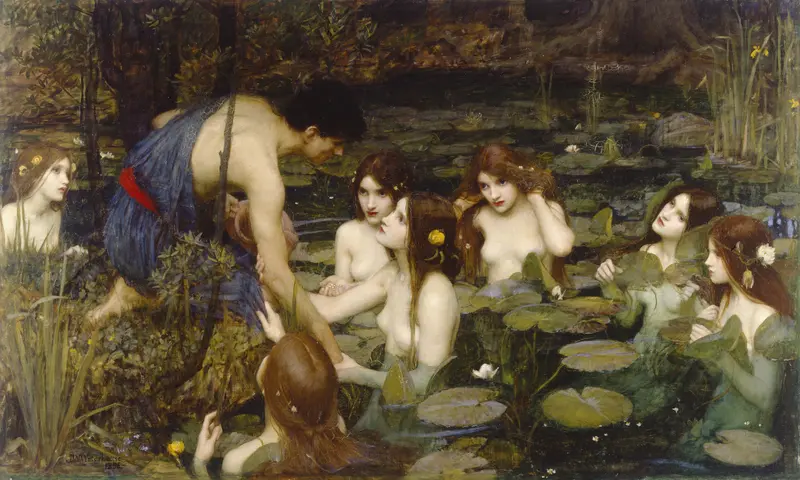
Hylas and the Nymphs
John William Waterhouse
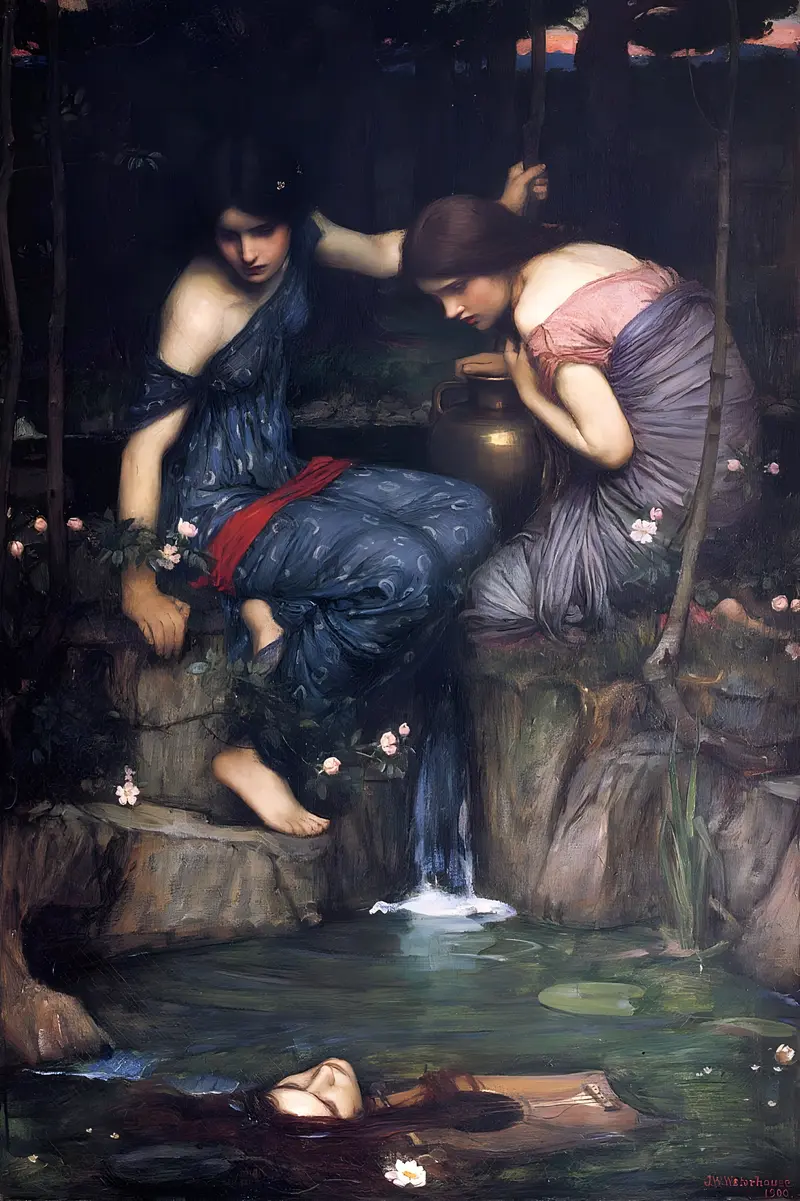
Nymphs Finding the Head of Orpheus
John William Waterhouse
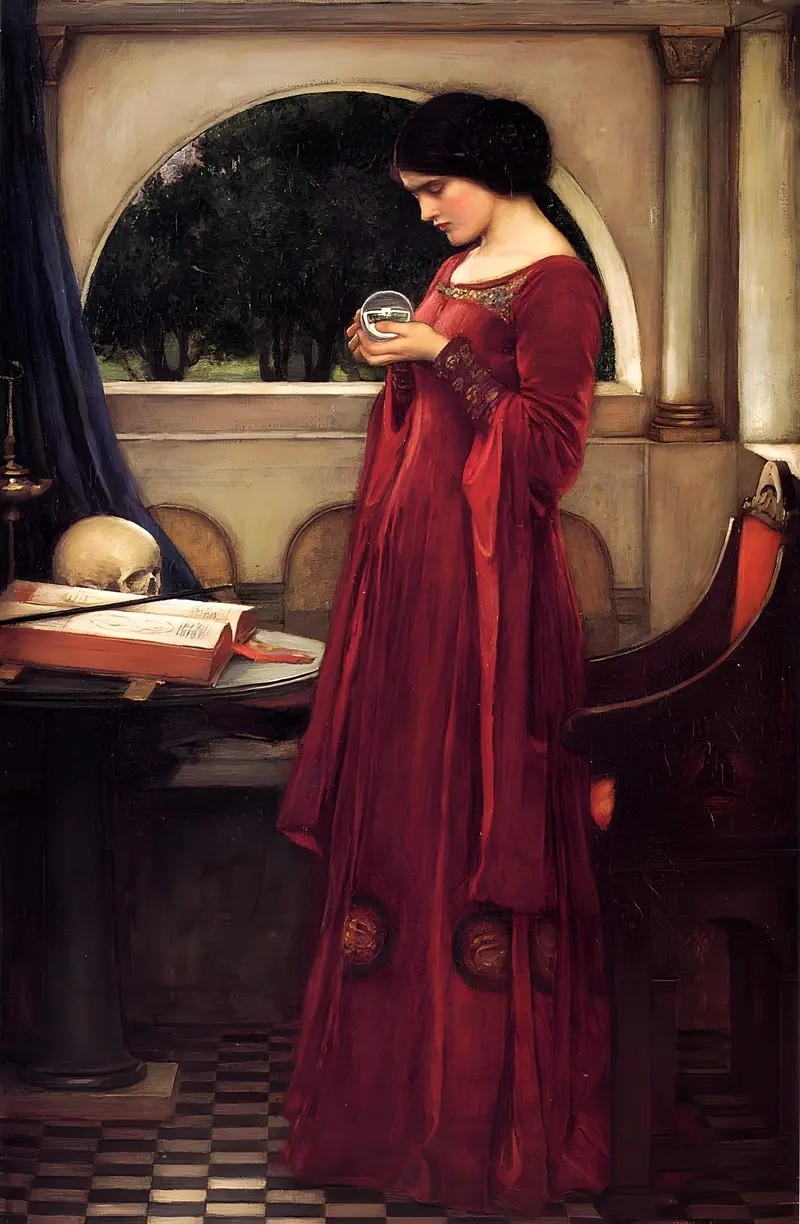
The Crystal Ball
John William Waterhouse
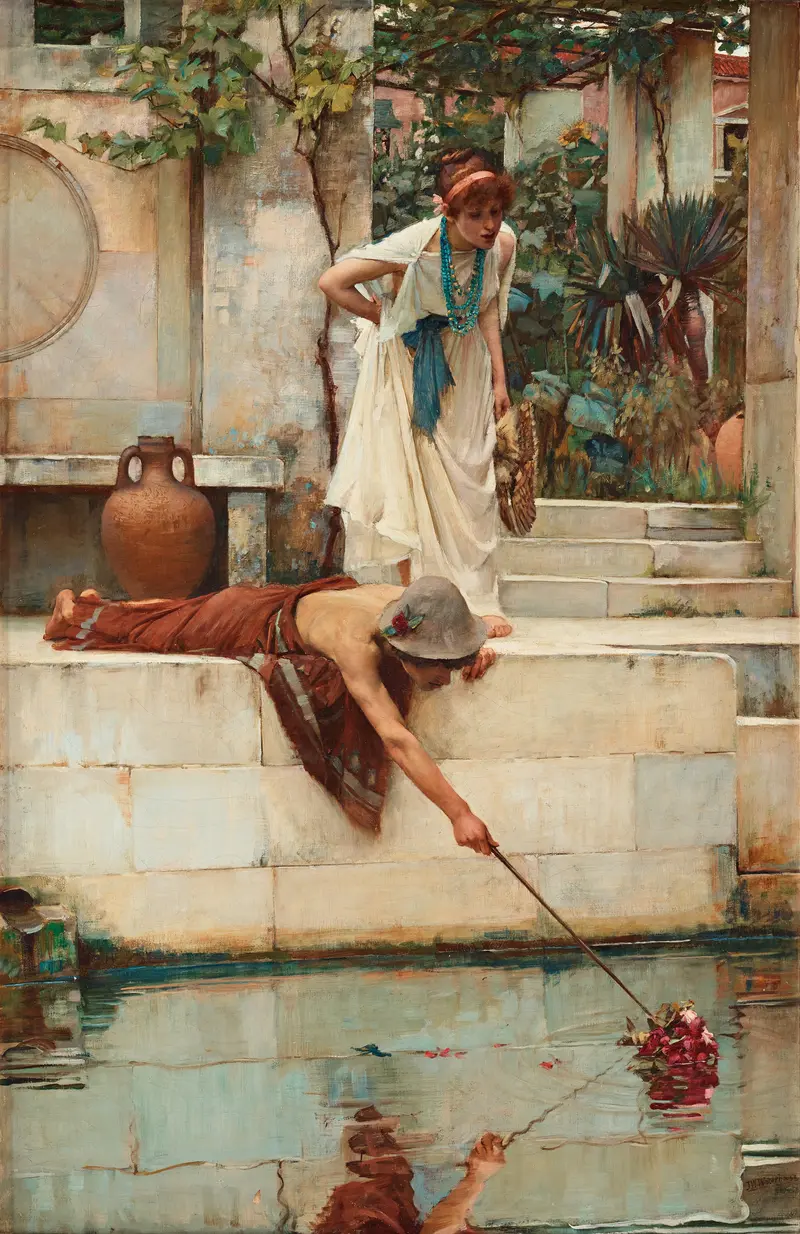
The Rescue
John William Waterhouse
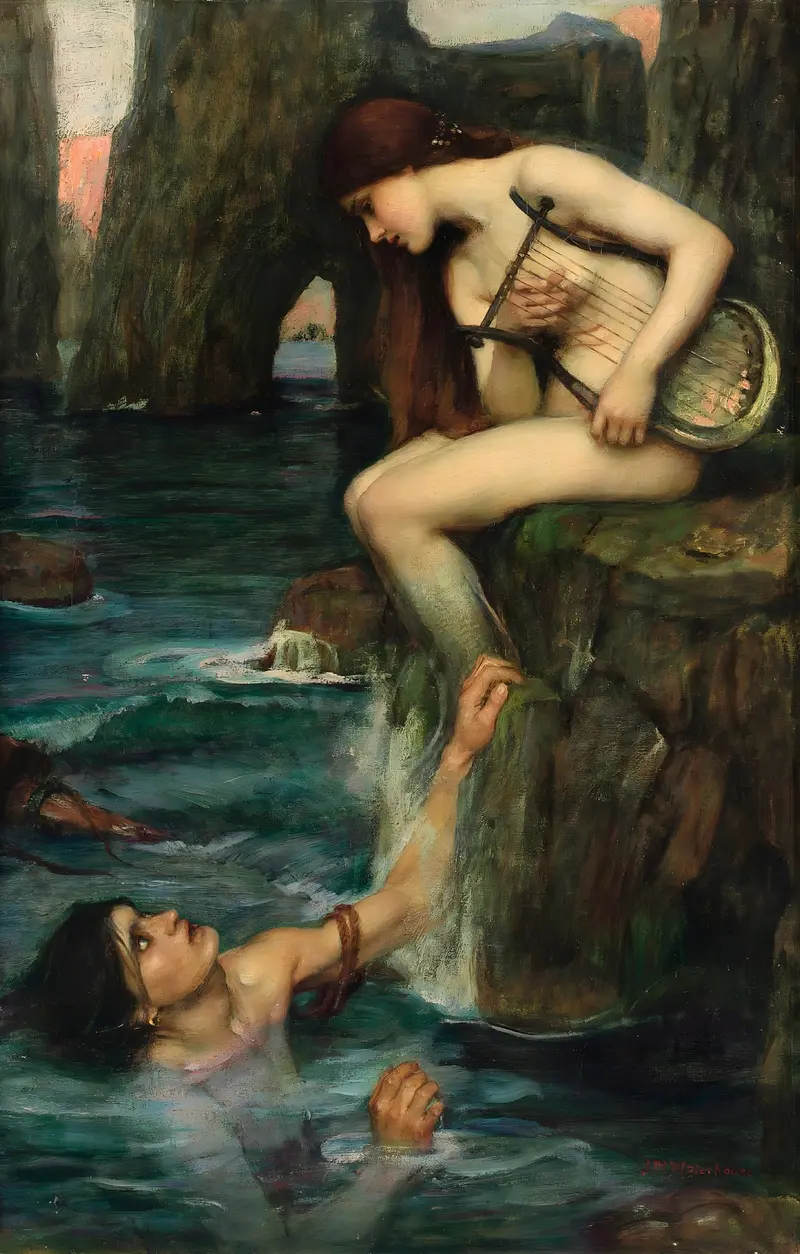
The Siren, 1900
John William Waterhouse





