Die Gosaumühle bei Ischl — History & Analysis
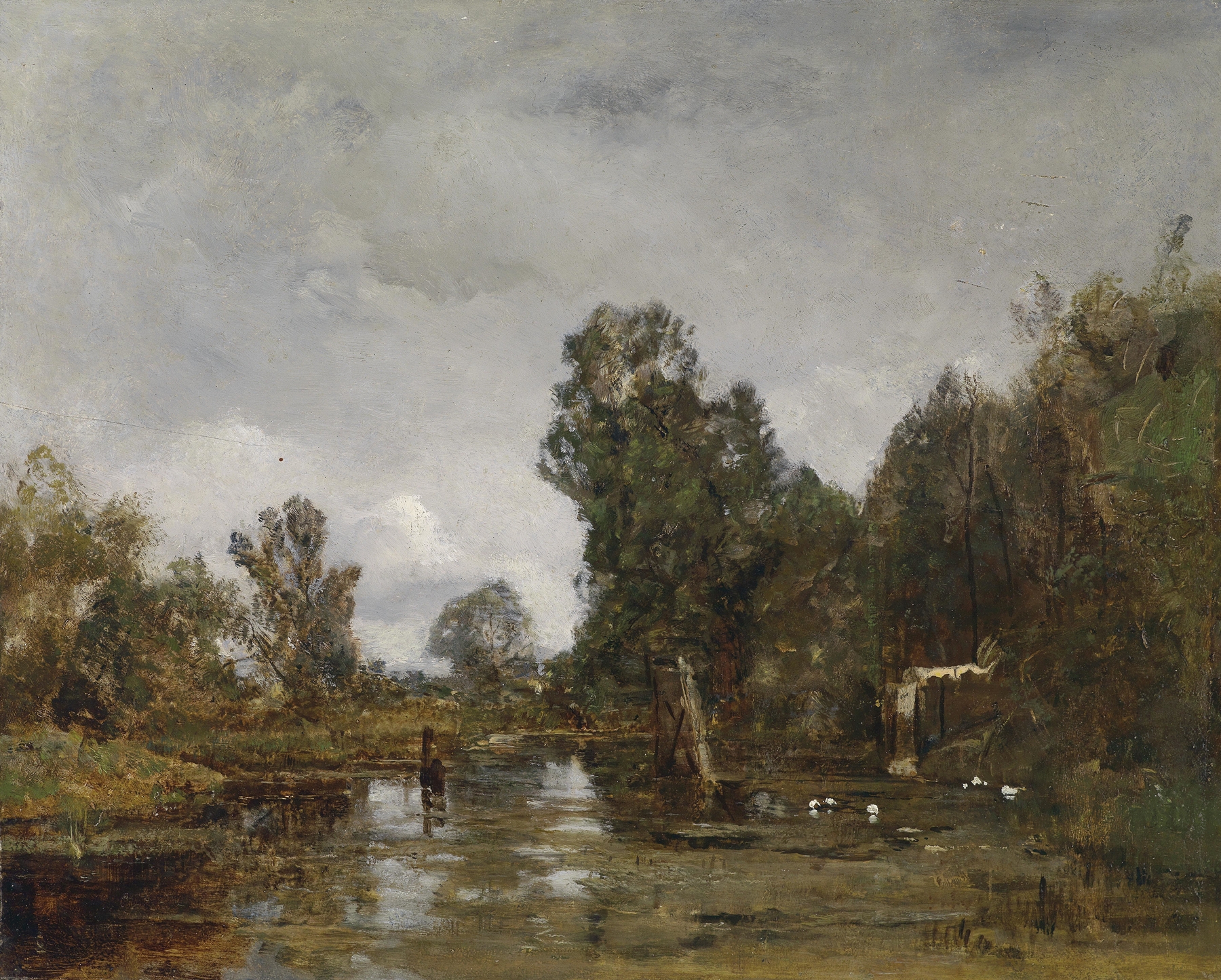
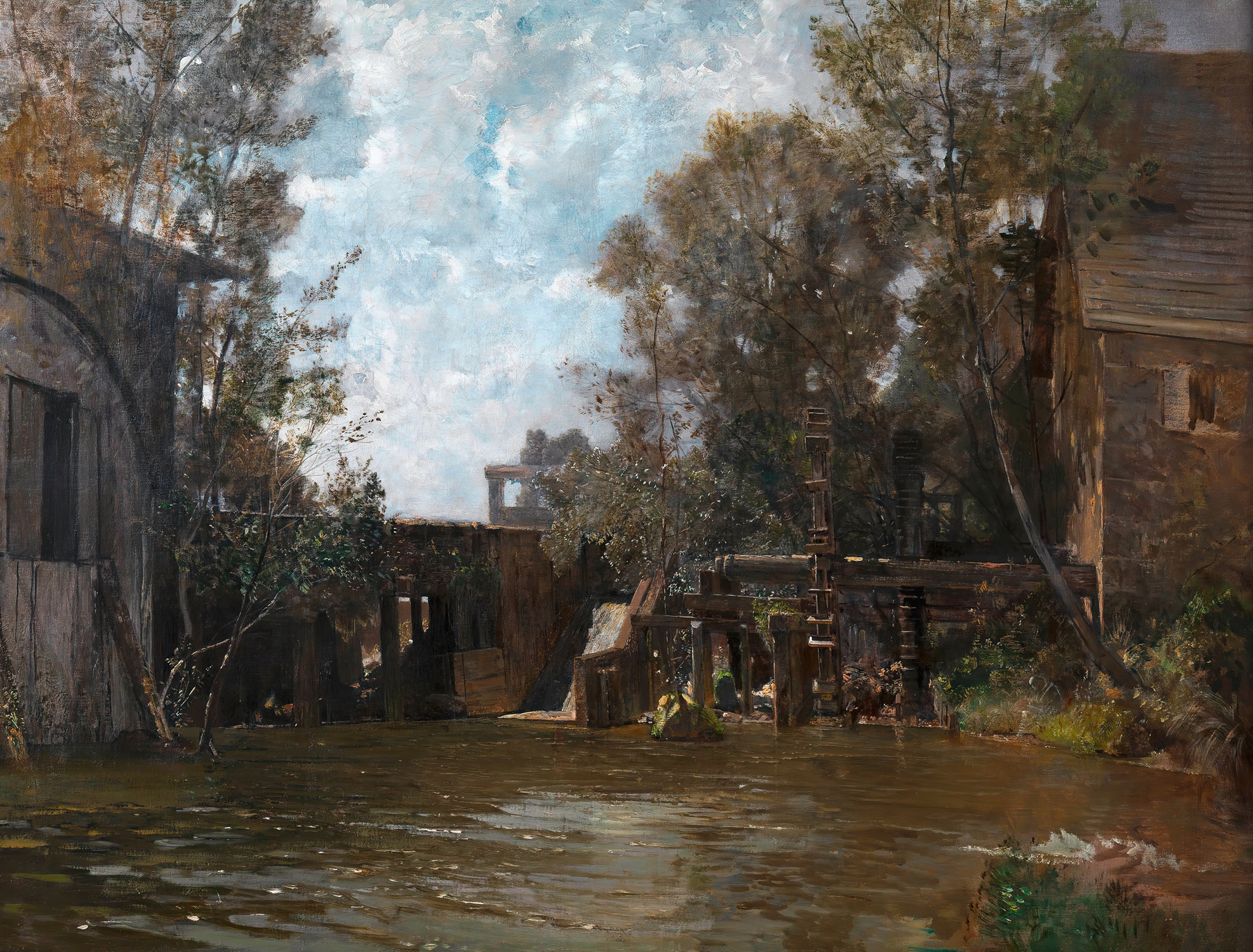
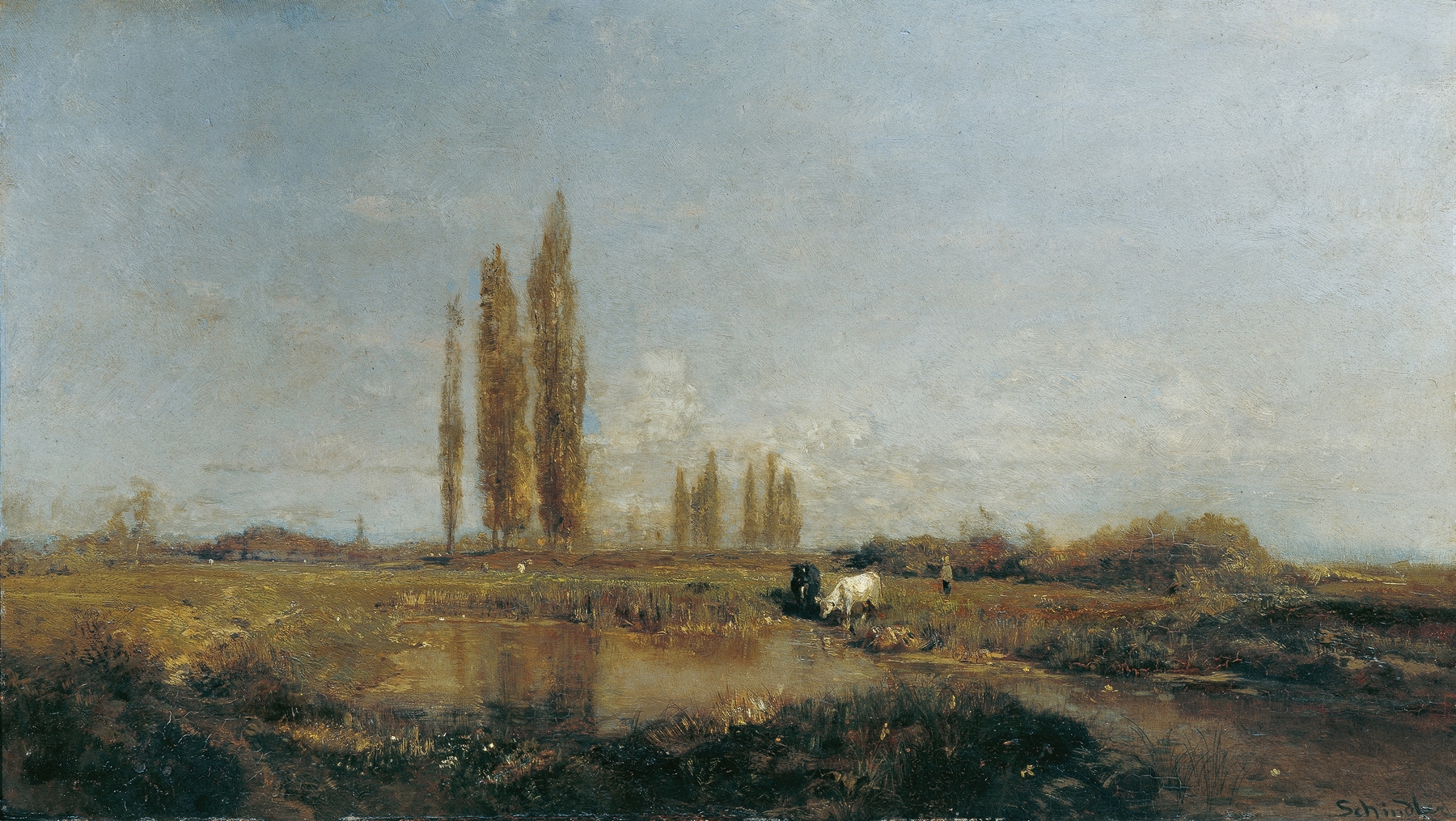
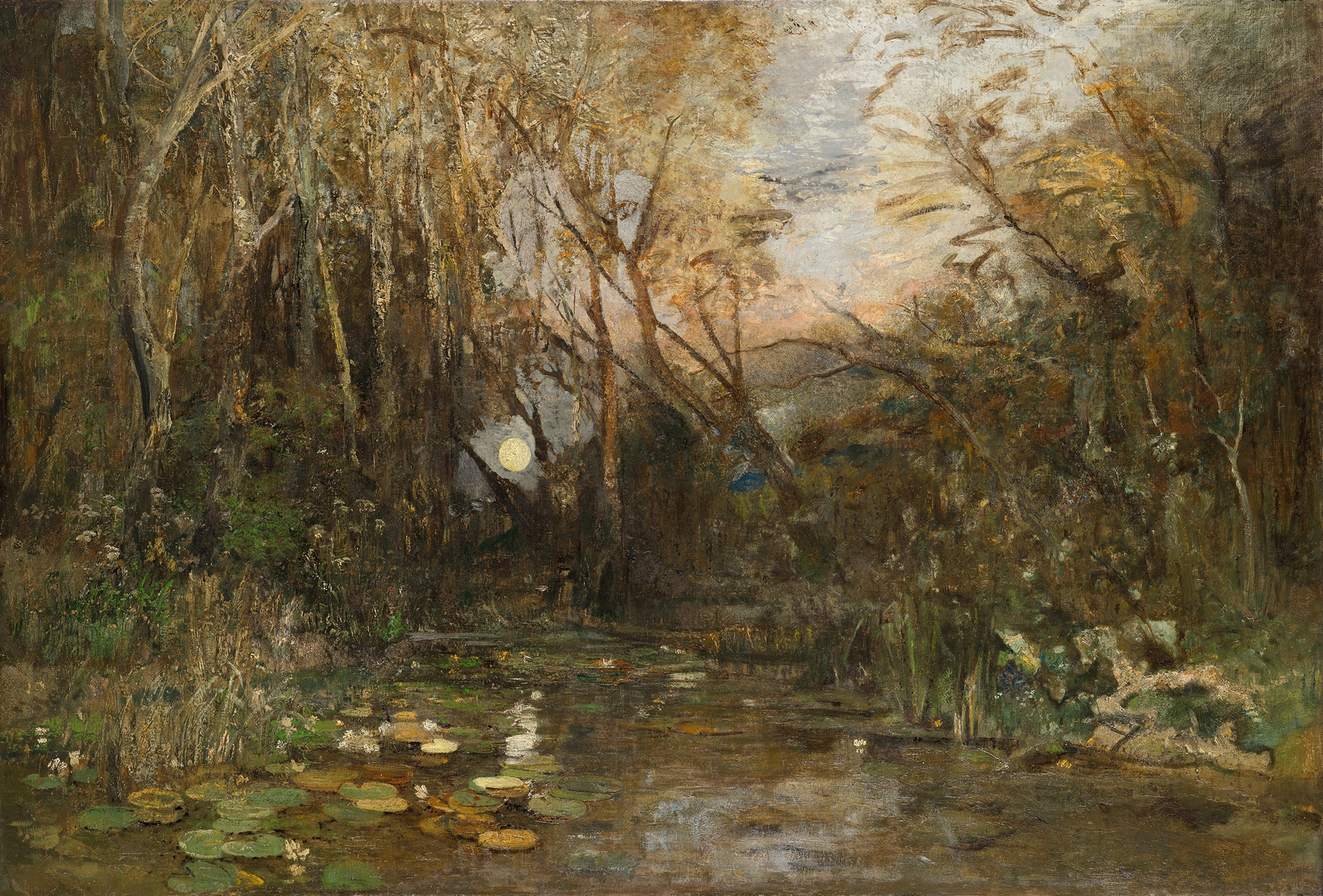
Is this a mirror — or a memory? The vibrant hues and soft brushstrokes of a serene landscape invite contemplation, bridging the gap between reality and imagination. Focus on the gentle interplay of colors that define the scene. Look to the lush greens of the foliage, which seem to breathe life into the canvas. Notice how the cheerful yellows and oranges in the sky reflect the warmth of a fading sun, casting a golden glow upon the tranquil waters below.
Each stroke reveals Schindler’s mastery in capturing not just the image, but the very essence of a moment suspended in time. Beneath the surface lies a deeper narrative. The contrasting elements of light and shadow suggest a transient beauty, where the vibrancy of life is fleeting. The calm water reflects not only the physical landscape but also the emotions tied to nostalgia, evoking a longing for peaceful times.
The gentle movement of the water hints at the passage of time, inviting viewers to ponder their own memories entwined within such scenes. In 1883, Emil Jakob Schindler painted this piece while living in Vienna, a period marked by a blossoming appreciation for landscape painting. The Austrian art scene was shifting towards Impressionism, and Schindler, as part of this movement, sought to explore nature's beauty through vivid color and expressive brushwork. His ability to blend realism with a soft, dreamlike quality in Die Gosaumühle bei Ischl reflects the cultural atmosphere of his time, capturing not only a place but a sentiment.