
Education of the Virgin — History & Facts
When Jean-Honoré Fragonard completed Education of the Virgin in 1773, he was already celebrated for his playful Rococo scenes, but this work marked a rare foray into religious subject matter. The painting stands out as one of the few times Fragonard tackled a sacred theme, an unusual choice in a career otherwise dominated by flirtatious fêtes galantes and lush garden escapades. Scholars have long noted the contrast between this work and his more famous secular commissions, debating whether it was a personal exercise or created for a specific patron whose identity remains unknown.
The painting’s rediscovery in the 20th century reignited interest in Fragonard’s lesser-known religious output. The scene captures a quiet, intimate moment between Saint Anne and her young daughter, the Virgin Mary, as Anne gently guides Mary’s hand across the page of a large book—traditionally understood as the Scriptures. Fragonard chooses the moment of instruction, emphasizing the transmission of wisdom and faith from mother to child. The soft, golden light pools around the figures, drawing the eye to their tender interaction, while the scattered sewing implements and basket at their feet ground the scene in domestic reality.
Unlike the formal compositions of Murillo’s Education of the Virgin, where sanctity is foregrounded, Fragonard’s version is warm and familial, the gestures and glances evoking a sense of everyday affection rather than distant reverence. The precise early history of Education of the Virgin is uncertain, as no commission records survive and the painting’s medium remains a subject of debate among conservators. It is known that the work disappeared from public view for many years, only to reemerge in the 20th century, when it was recognized as an authentic Fragonard and entered a museum collection. Today, the painting is valued for illuminating a different facet of Fragonard’s artistry, revealing his ability to infuse religious themes with the same intimacy and immediacy that define his Rococo masterpieces.
Its survival and rediscovery offer a rare glimpse into the artist’s versatility at a time when French painting was on the cusp of dramatic change.
More Artworks by Jean-Honoré Fragonard
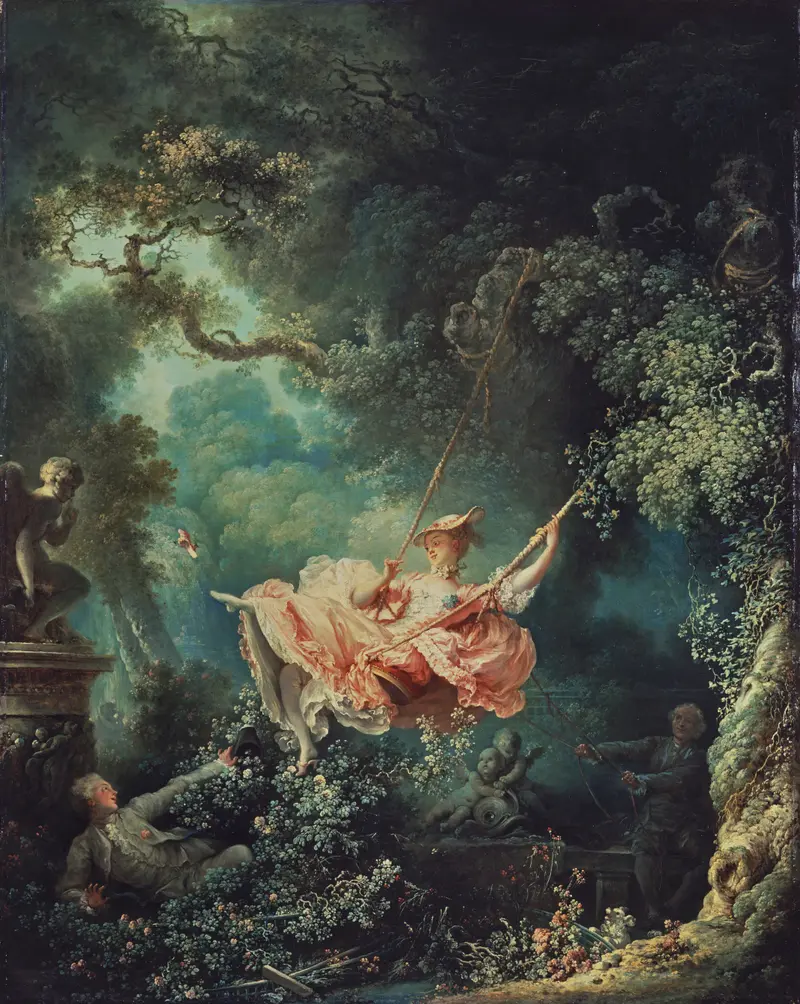
The Swing
Jean-Honoré Fragonard

The Swing
Jean-Honoré Fragonard
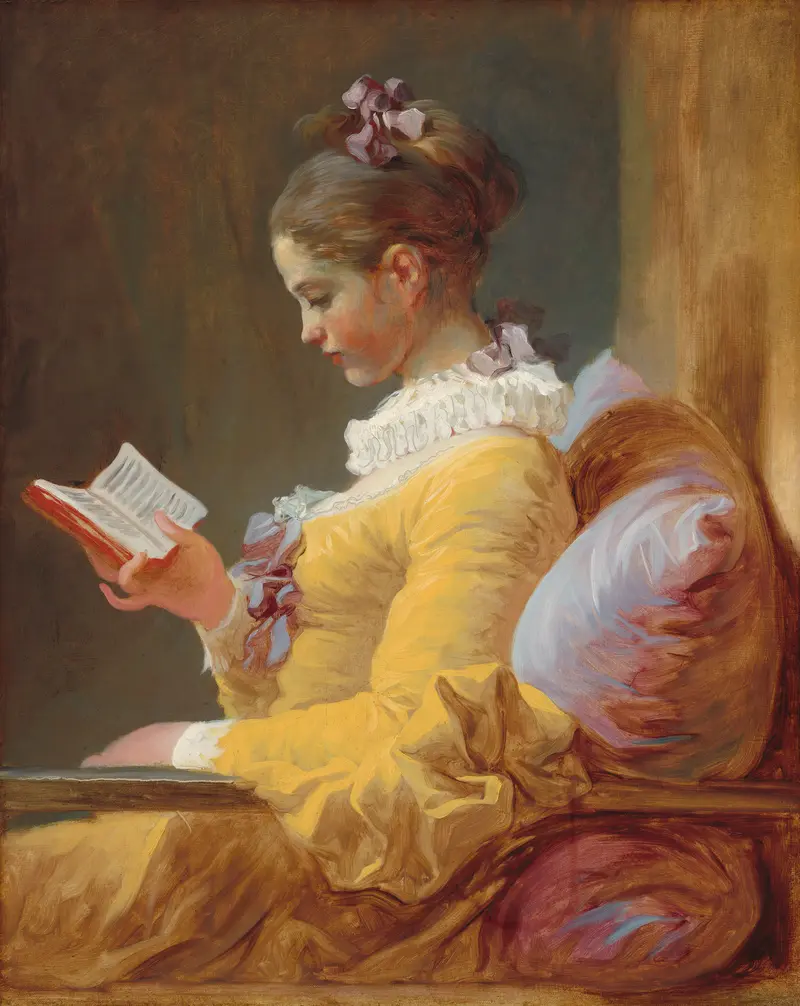
A Young Girl Reading
Jean-Honoré Fragonard
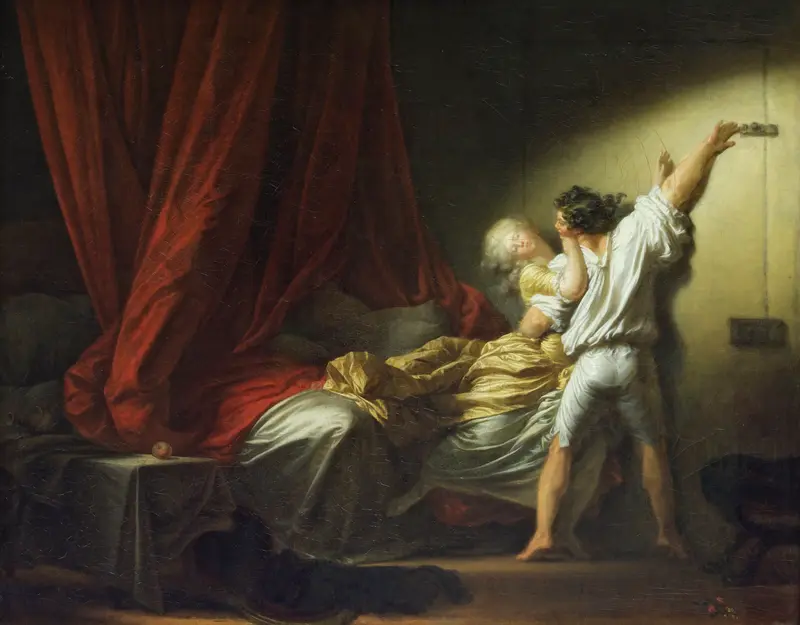
The Lock
Jean-Honoré Fragonard
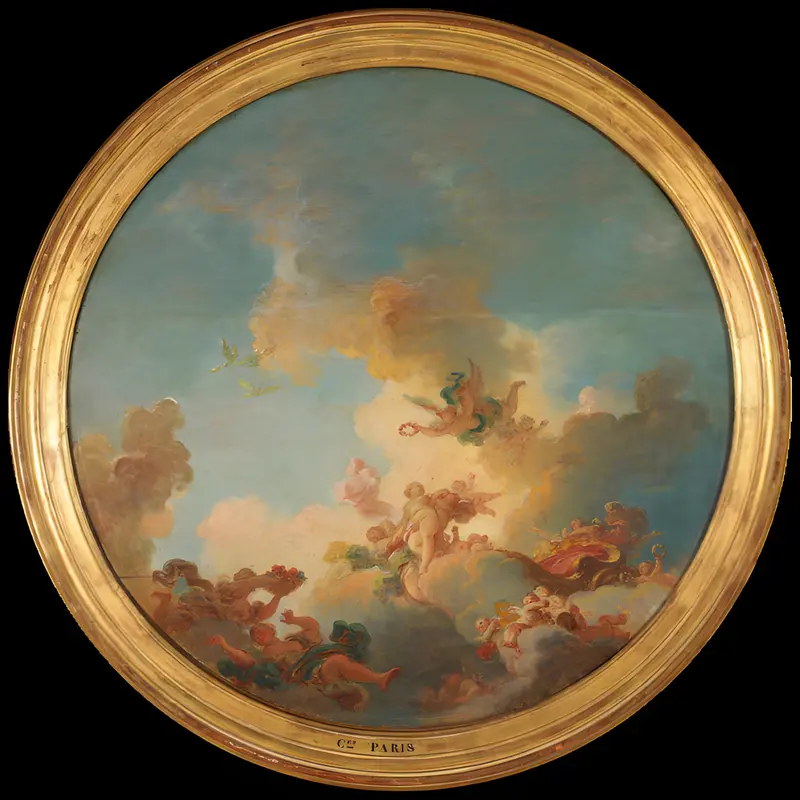
The Triumph of Venus
Jean-Honoré Fragonard
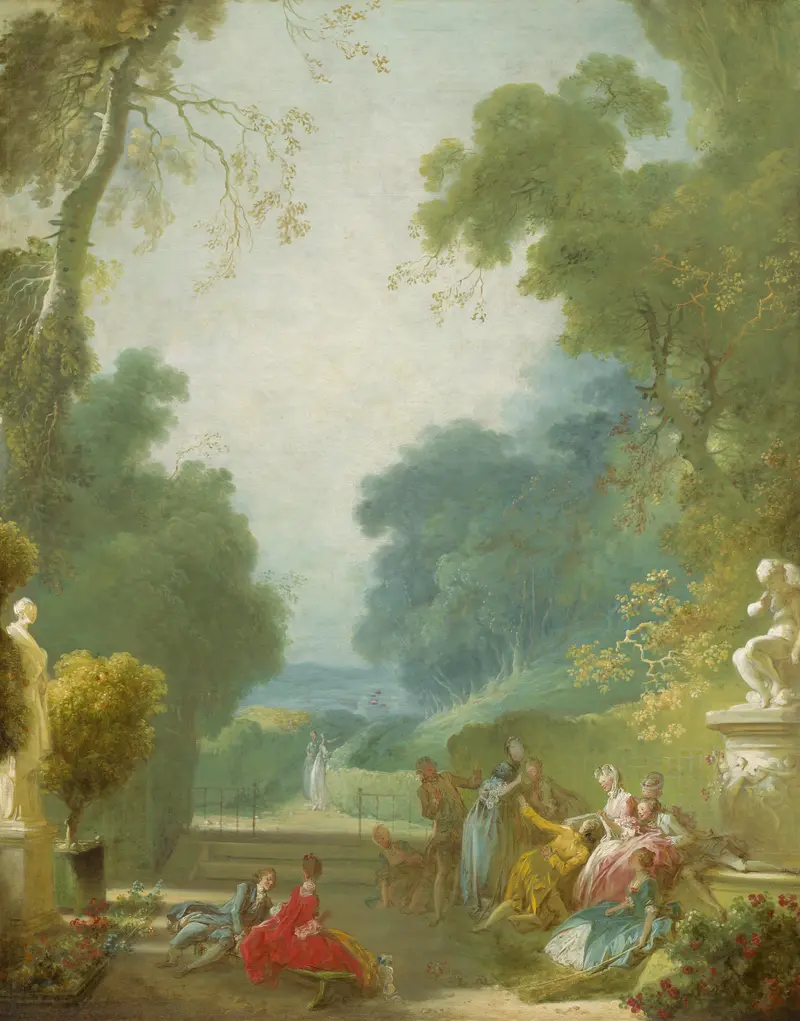
A Game of Hot Cockles
Jean-Honoré Fragonard
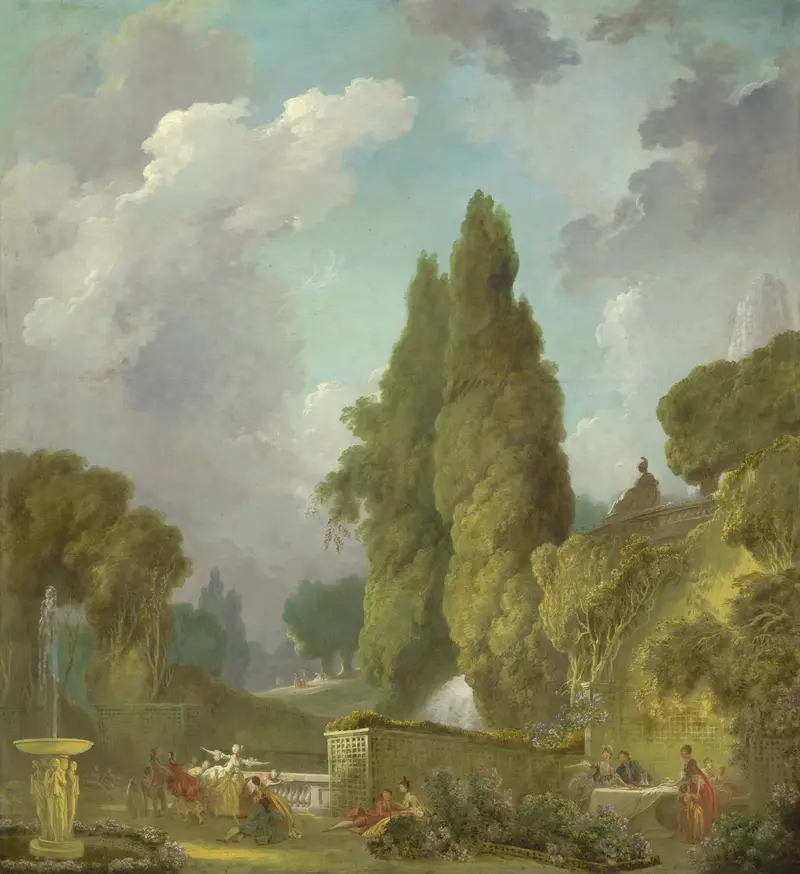
Blindman’s Buff
Jean-Honoré Fragonard
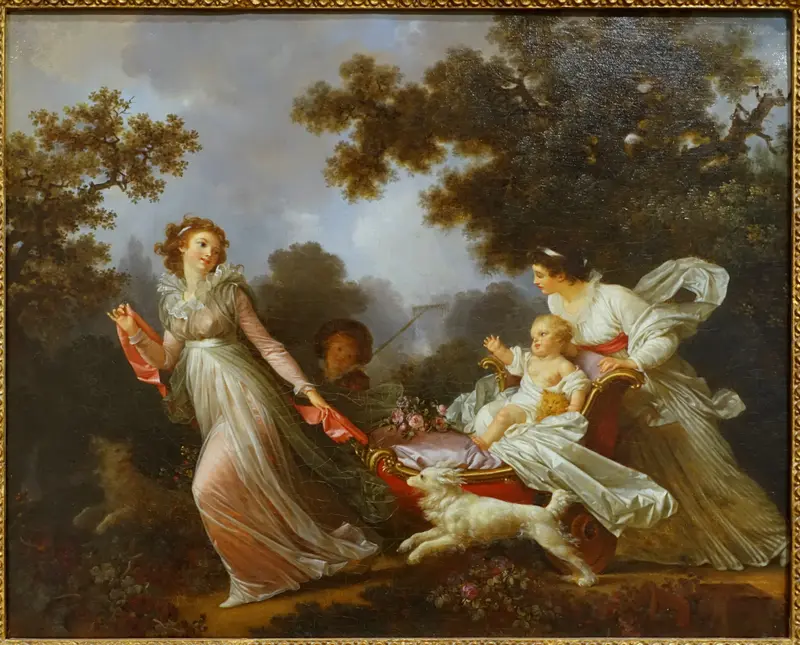
The Beloved Child
Jean-Honoré Fragonard
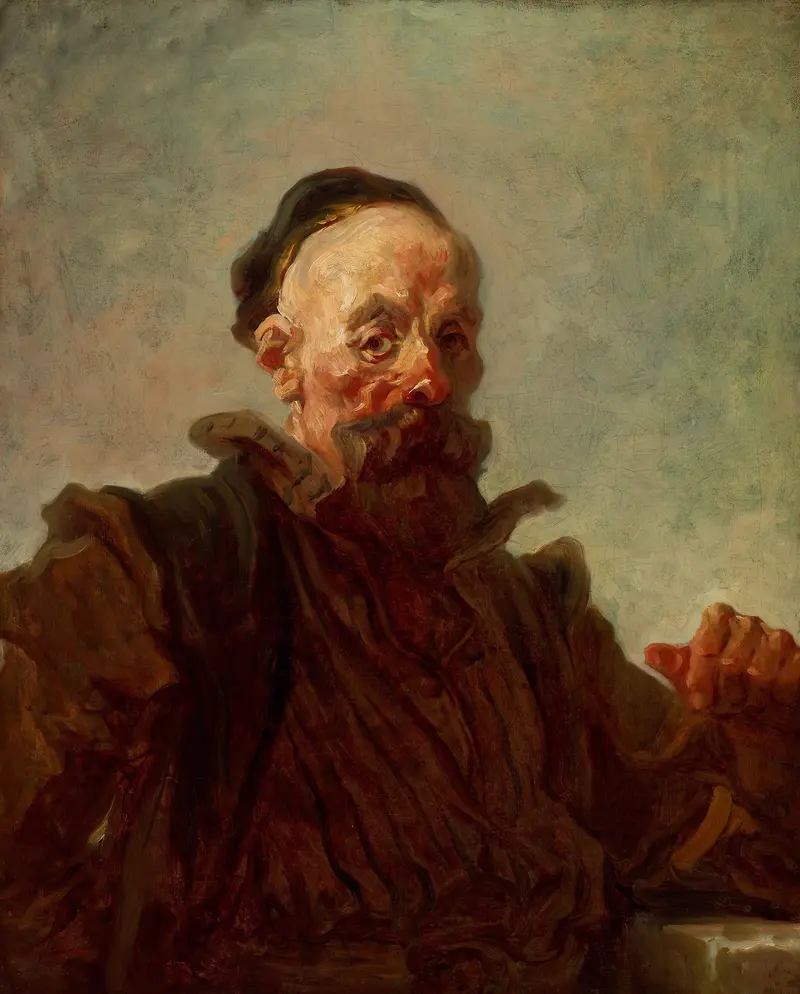
Portrait of a Man in Costume
Jean-Honoré Fragonard
The First Steps
Jean-Honoré Fragonard





