
Elymas — History & Facts
Few episodes in the Acts of the Apostles have inspired as many artists as the dramatic blinding of Elymas, but Raphael’s Elymas stands out for its rare focus on the very instant of miraculous punishment. While the exact date and circumstances of its creation remain uncertain, the work is often linked to the wave of commissions from papal circles in Rome during the early 16th century, when depictions of apostolic authority were in high demand. The story’s popularity was such that Raphael’s own workshop would later revisit the subject for the tapestries of the Sistine Chapel, a testament to its resonance in the period’s religious imagination. At the heart of the painting, Elymas the sorcerer recoils as sudden blindness overtakes him, his outstretched hands groping in horror.
Saint Paul, arm extended in a commanding gesture, utters the words that seal Elymas’s fate, while the Roman proconsul Sergius Paulus looks on in awe—his conversion to Christianity imminent. The composition pulls the viewer’s eye from Paul’s stern authority to Elymas’s collapse, underscored by the dramatic play of light: Paul illuminated, Elymas cast into shadow. This moment of divine intervention is rendered with a clarity and psychological tension reminiscent of Raphael’s contemporary, Sebastiano del Piombo, whose own biblical scenes similarly balance grandeur and human drama. The precise journey of Elymas as an object is shrouded in some mystery, with no surviving records of its original patron or early provenance.
It is generally accepted as a work from Raphael’s mature period, likely created in Rome, where the artist was at the height of his powers and surrounded by a thriving circle of assistants and admirers. Over the centuries, the painting has been cited in inventories and catalogues, though its current location is not definitively established. Despite these uncertainties, Elymas remains a touchstone for scholars tracing Raphael’s evolving approach to narrative and group composition, as well as his influence on later depictions of apostolic miracles.
More Artworks by Raphael

Madonna of the Goldfinch
Raphael

Madonna with the Fish
Raphael
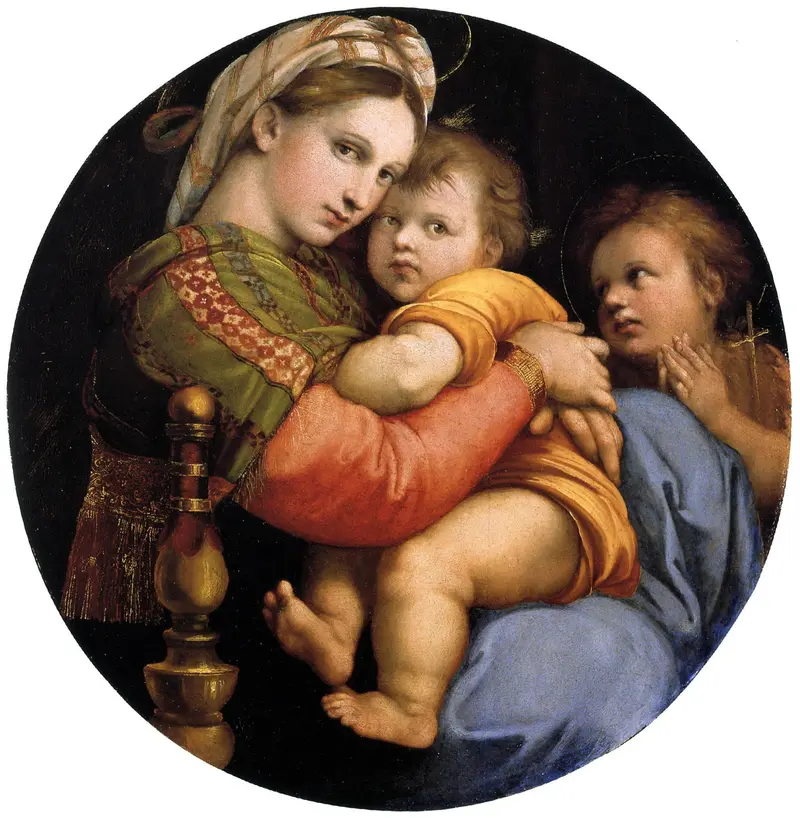
Madonna and Child (Madonna della Seggiola)
Raphael
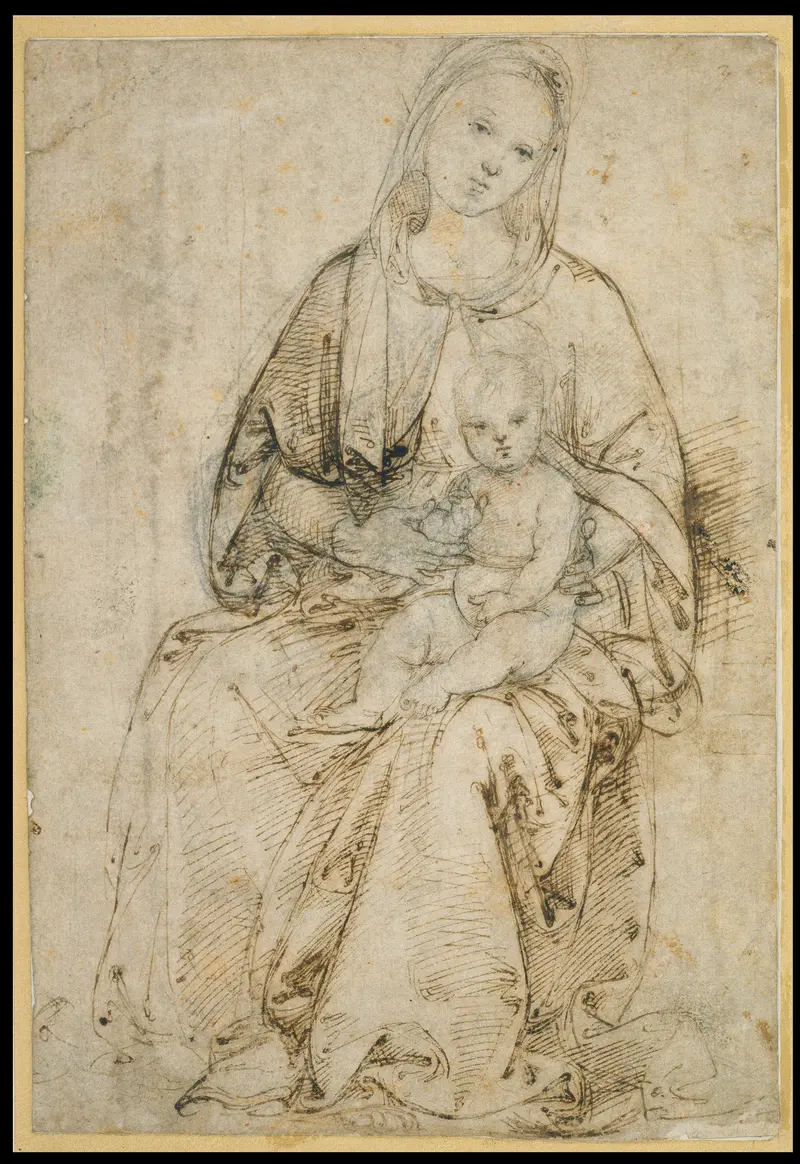
Seated Madonna and Child
Raphael
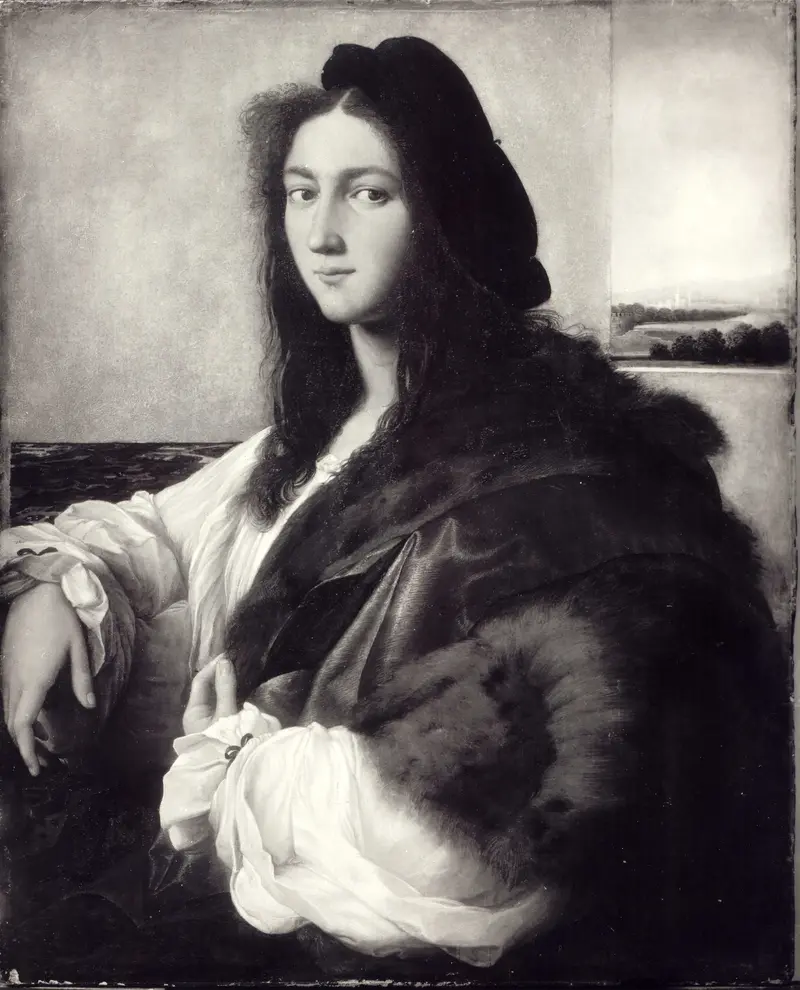
Portrait of a Young Man
Raphael
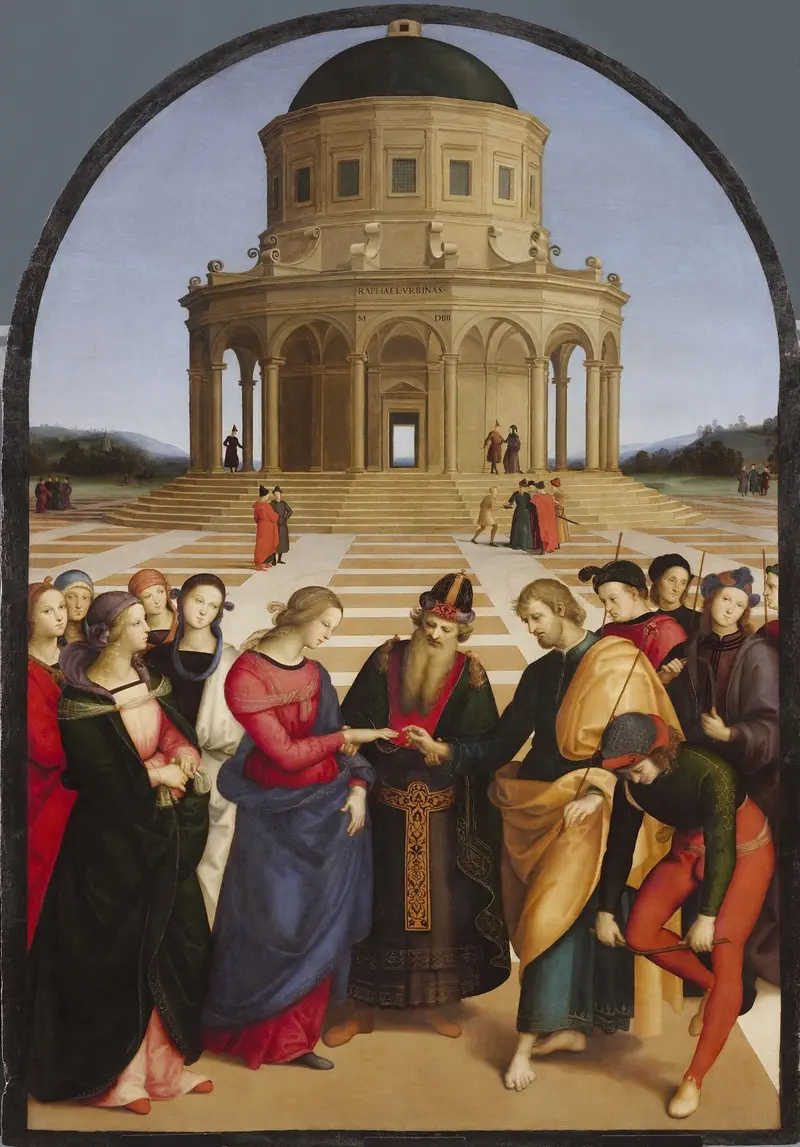
The Marriage of the Virgin
Raphael
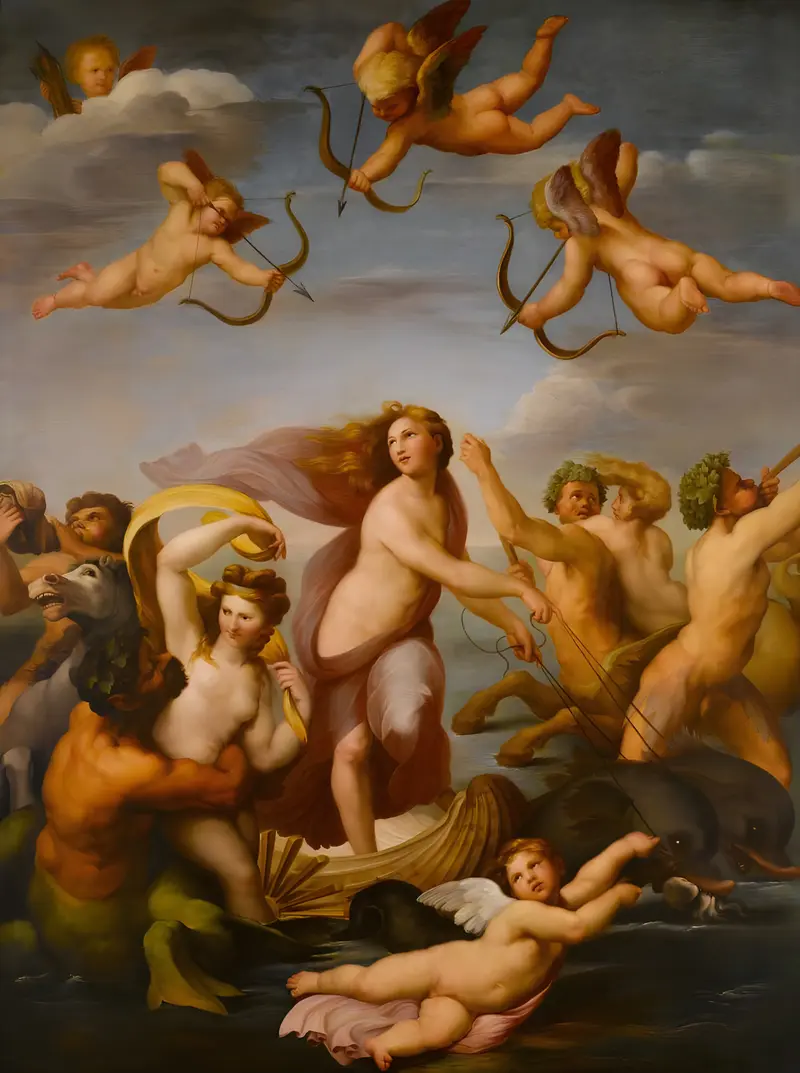
The Triumph of Galatea (copy after Raphael)
Raphael
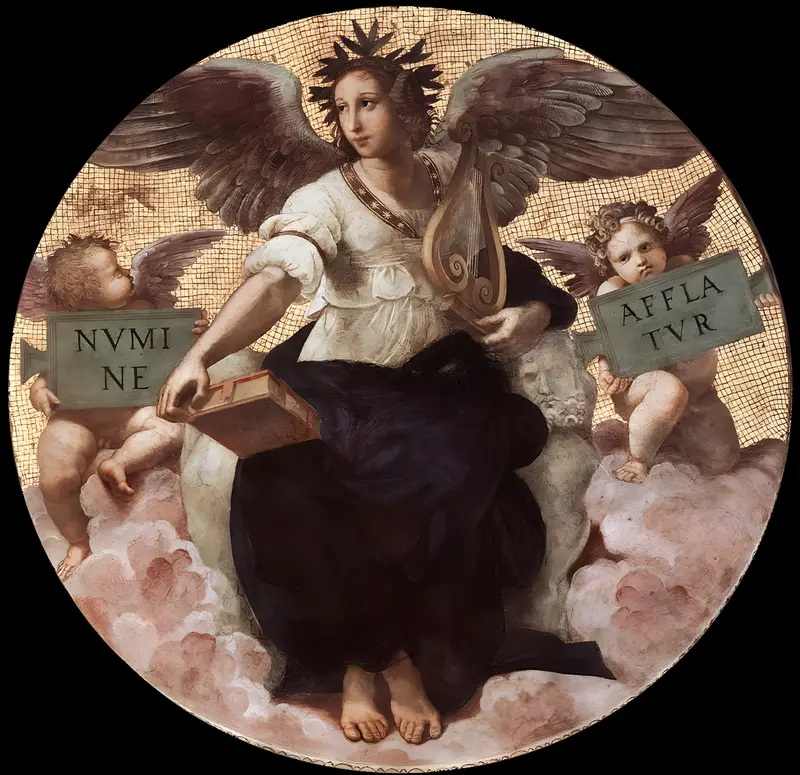
Poetry
Raphael
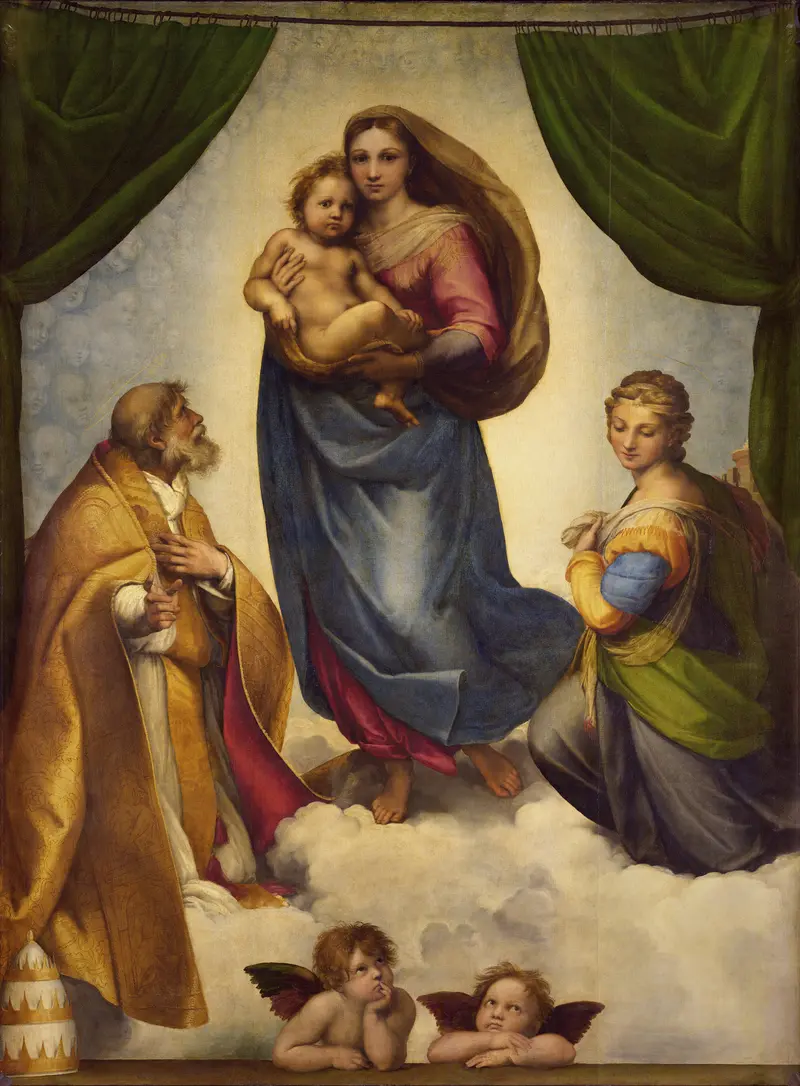
Sistine Madonna
Raphael
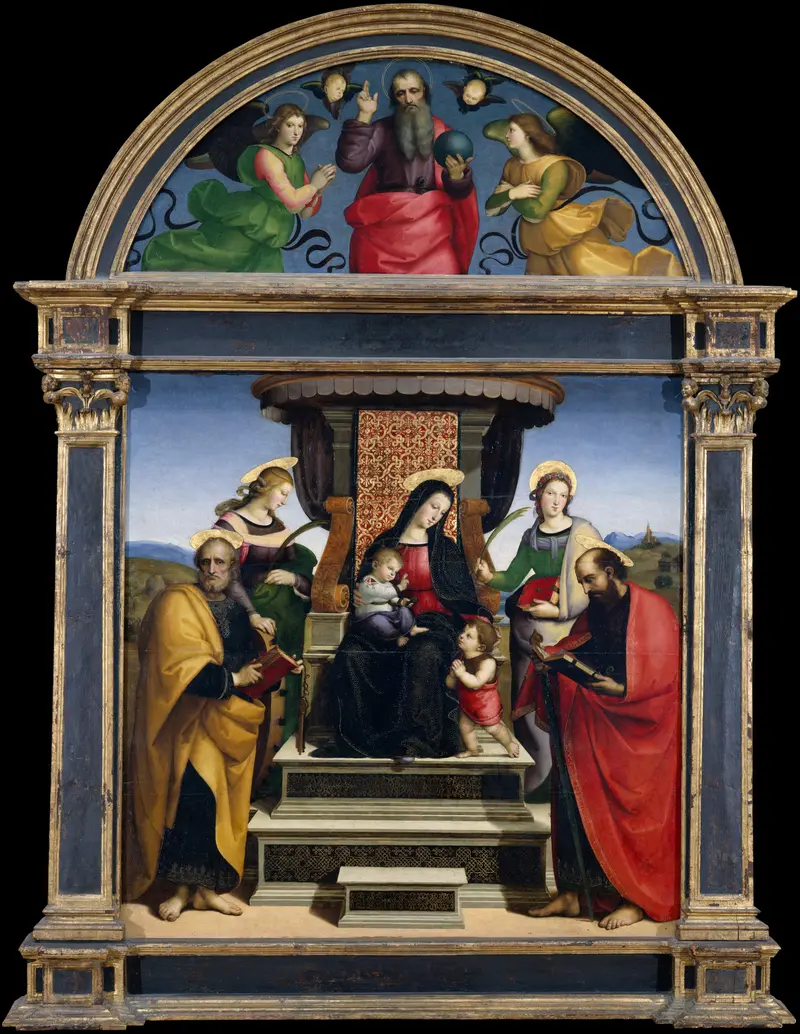
Madonna and Child Enthroned with Saints
Raphael




