
Etude de cheval gris — History & Facts
In the final year of his short life, Théodore Géricault turned again to the subject that had obsessed him since childhood: horses. Etude de cheval gris is one of a series of studies he made in 1830, at a time when his health was failing but his passion for equine anatomy remained undimmed. These studies are prized for their immediacy and vitality—Géricault was known to sketch horses directly from life, sometimes at racing stables, sometimes at the abattoirs of Paris, where he could examine their musculature up close.
The exact number of these studies is still debated, as many remained in his studio, unsigned and unrecorded, at his death. Here, the artist catches a grey horse in a moment of calm alertness, its head turned slightly as if responding to a distant sound. The animal’s powerful neck and expressive eye dominate the composition, rendered with quick, confident strokes that suggest both strength and sensitivity. Unlike the heroic battle scenes of Géricault’s earlier works, such as The Charging Chasseur, this study is intimate, focused on the individuality of the horse rather than its role as a symbol of war or power.
The loose, unfinished background draws the viewer’s attention to the animal itself, inviting a comparison with the more formal equestrian portraits of George Stubbs, whose horses are posed and polished, while Géricault’s seem to breathe and shift before our eyes. The precise provenance of Etude de cheval gris remains uncertain, as is often the case with Géricault’s studies, many of which circulated privately among collectors and artists in the decades after his death. Some were acquired by friends and admirers; others entered the art market without clear attribution, only later to be recognized as the work of Géricault. Today, the study stands as a testament to his restless observation and deep empathy for animals—a theme that runs throughout his career, from the grand drama of The Raft of the Medusa to these quieter, more personal explorations.
Its survival allows us a glimpse into the artist’s working process and his enduring fascination with the living form.
More Artworks by Théodore Géricault
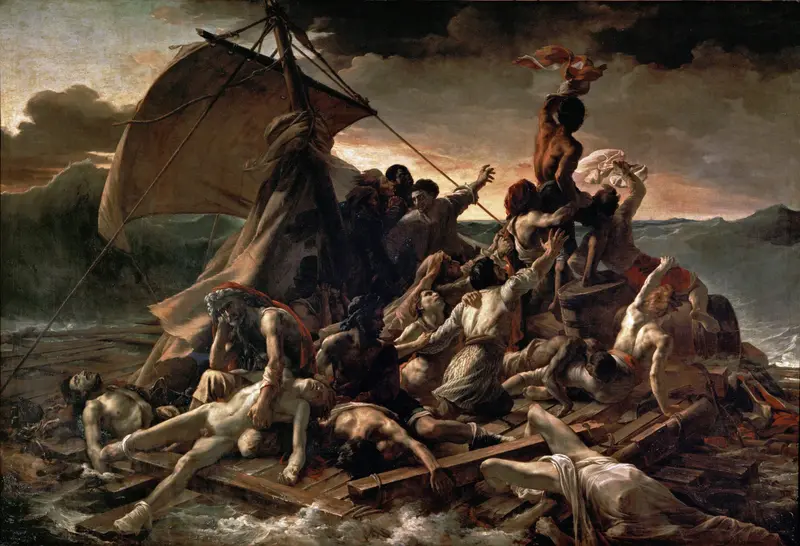
The Raft of the Medusa
Théodore Géricault

Géricault - Le naufrage du radeau de la Méduse, MBA 790
Théodore Géricault
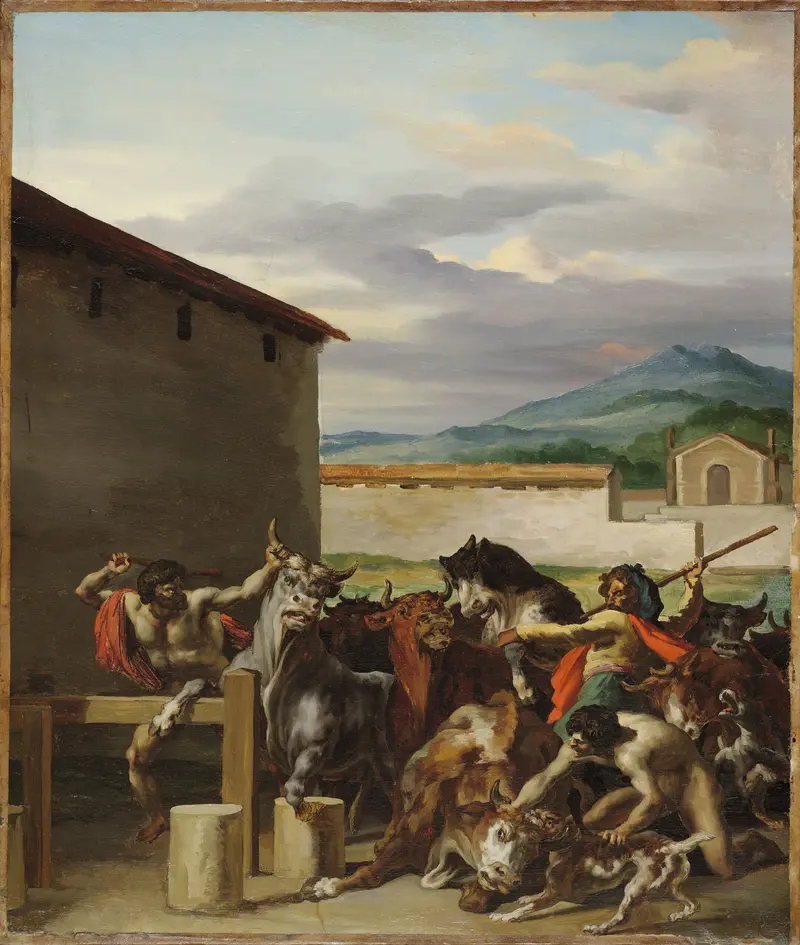
Cattle Market
Théodore Géricault
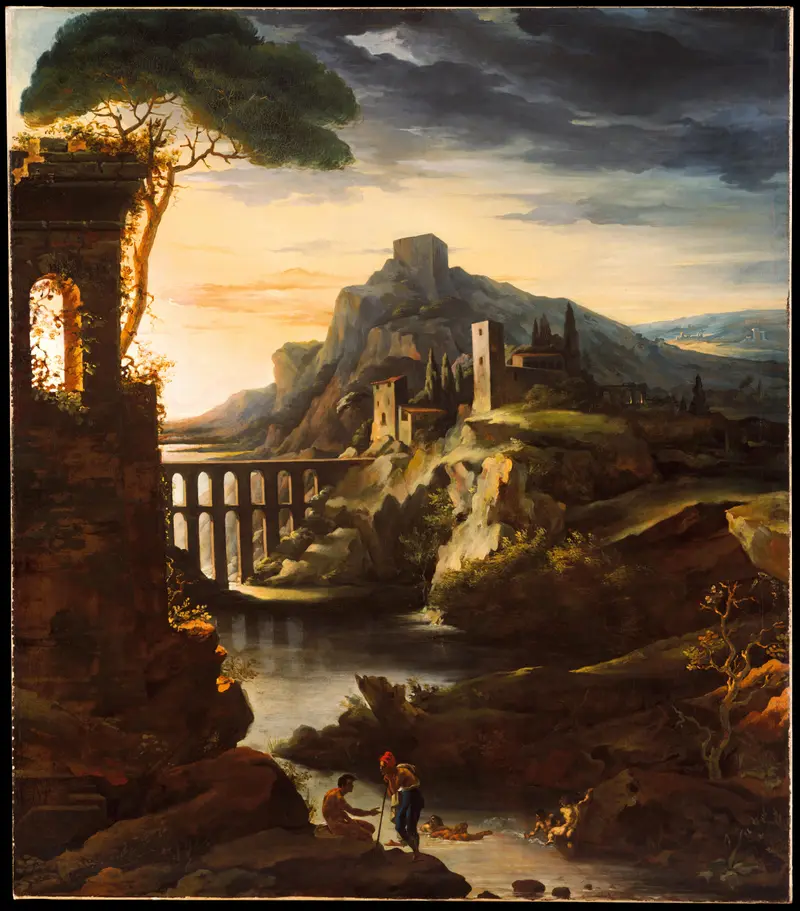
Evening; Landscape with an Aqueduct
Théodore Géricault
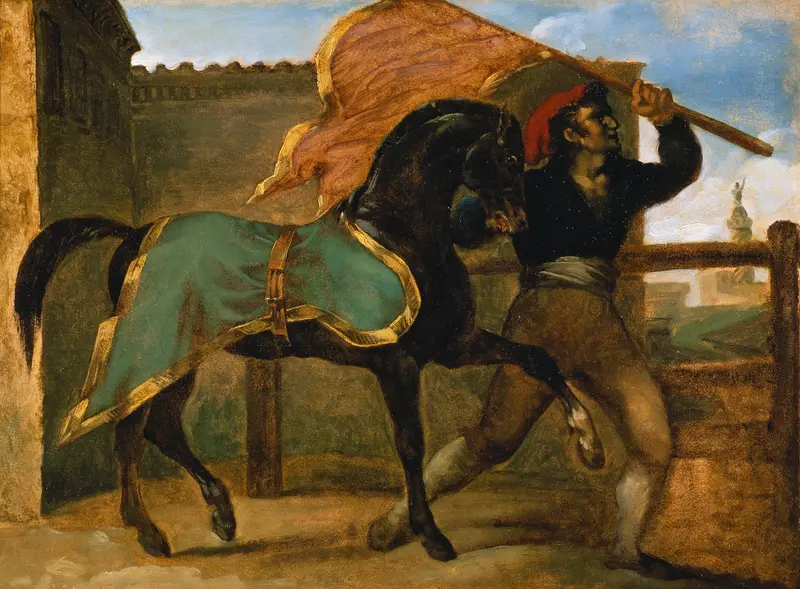
Horse Race
Théodore Géricault

Horses Standing in a Mews
Théodore Géricault
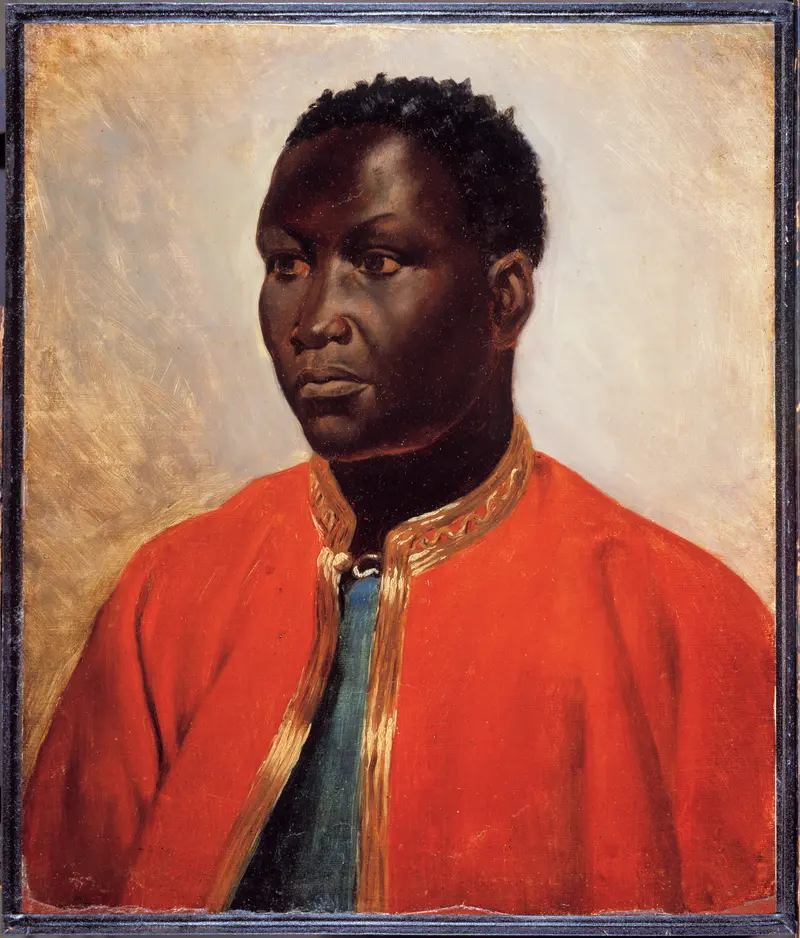
Portrait of a Negro
Théodore Géricault
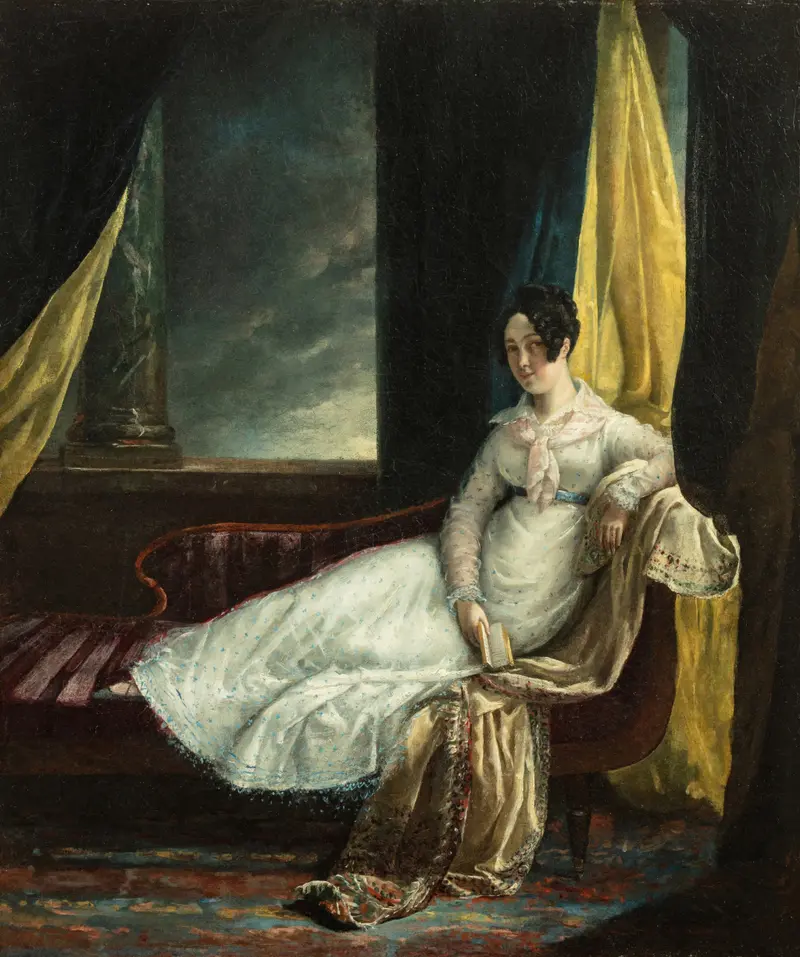
Portrait of Zoë Elmore
Théodore Géricault
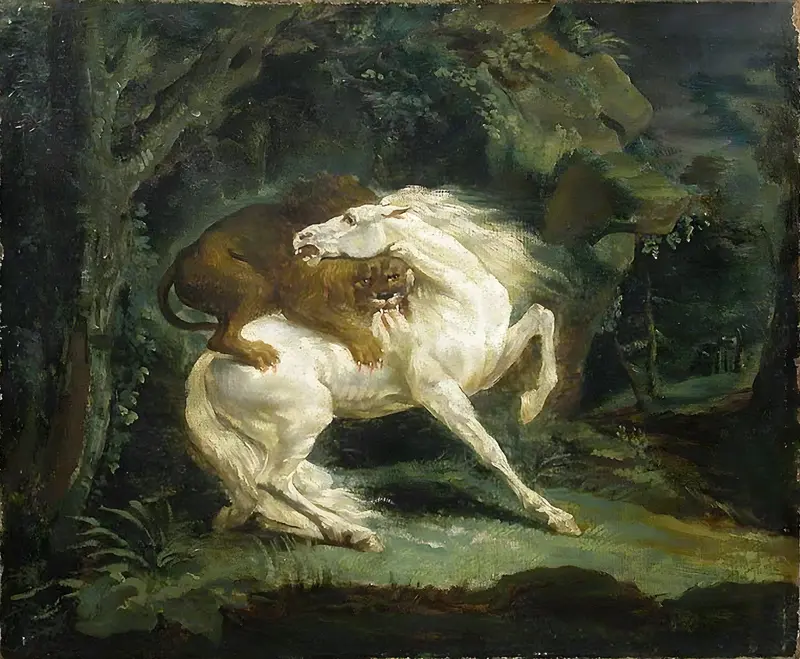
Cheval attaqué par un lion
Théodore Géricault
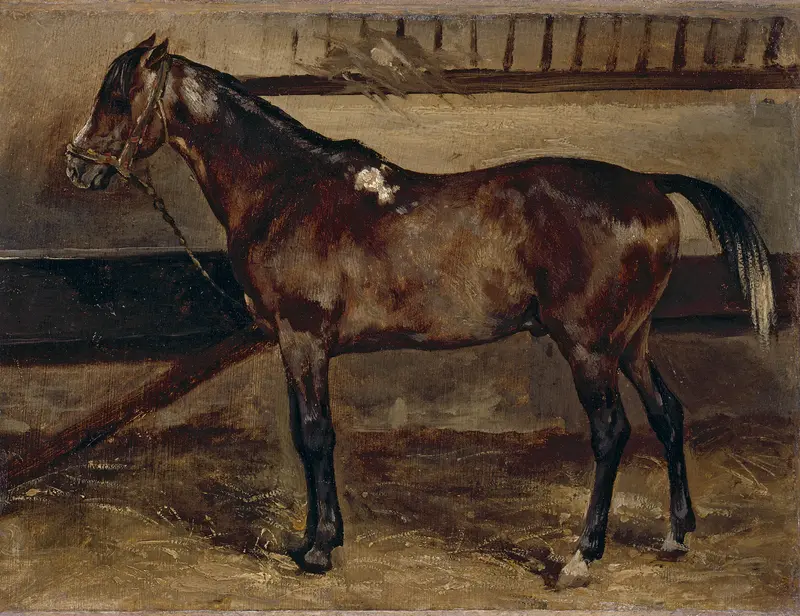
Cheval brun à l'écurie
Théodore Géricault





