
Fiesole Altarpiece — History & Facts
The most remarkable fact about the Fiesole Altarpiece is that it marks the earliest known altarpiece by Fra Angelico, painted around 1420 when he was still known as Guido di Pietro and had only just entered the Dominican order. This work stands at the threshold of his career, capturing the moment when a humble friar, not yet famous, first brought his luminous vision to the service of the Church. Its original home was the high altar of the Dominican convent of San Domenico in Fiesole, just outside Florence—a quiet hilltop setting that would become the artist’s lifelong spiritual and creative anchor. At the heart of the altarpiece, the Virgin Mary sits enthroned, the Christ Child on her lap, surrounded by saints and angels in a golden, otherworldly space.
Fra Angelico chooses the moment of serene adoration: saints Peter, Thomas Aquinas, Dominic, and Barnabas stand in reverent conversation, each identified by their attributes—Peter’s keys, Dominic’s star, Thomas’s book. The delicate, almost translucent halos and the gentle tilt of Mary’s head draw the viewer into a scene of intimate reverence. The gold ground, a holdover from earlier Gothic tradition, glimmers behind the figures, yet the figures themselves possess a new softness and humanity, anticipating the naturalism of the Renaissance.
In contrast, compare this to Masaccio’s more robust, earthbound saints in his Pisa Altarpiece—here, Fra Angelico still leans toward the spiritual, but with a fresh tenderness. The journey of the Fiesole Altarpiece is entwined with the history of its convent home. Though its precise patron is unknown, it was created for the Dominicans who would later count Fra Angelico among their most illustrious members. The altarpiece remained in San Domenico for centuries, surviving periods of upheaval and Napoleonic confiscations that scattered so many Florentine treasures.
Today, it is still housed in the convent at Fiesole, a rare case of a Renaissance masterpiece remaining in its original setting. For Fra Angelico, this work was the beginning of a celebrated career, setting the tone for his later, more complex altarpieces and frescoes that would define the early Renaissance in Florence.
More Artworks by Fra Angelico

Condemnation of St Lawrence by the Emperor Valerian
Fra Angelico
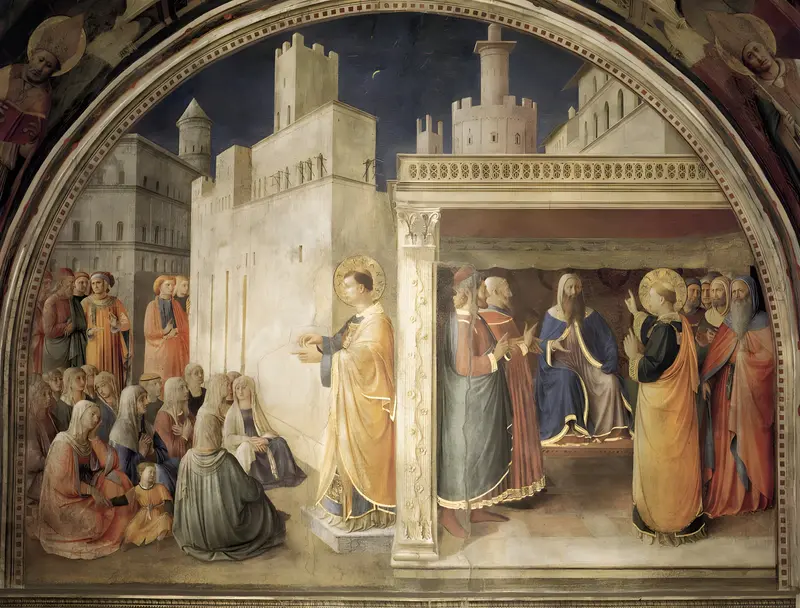
Lunette of the north wall
Fra Angelico
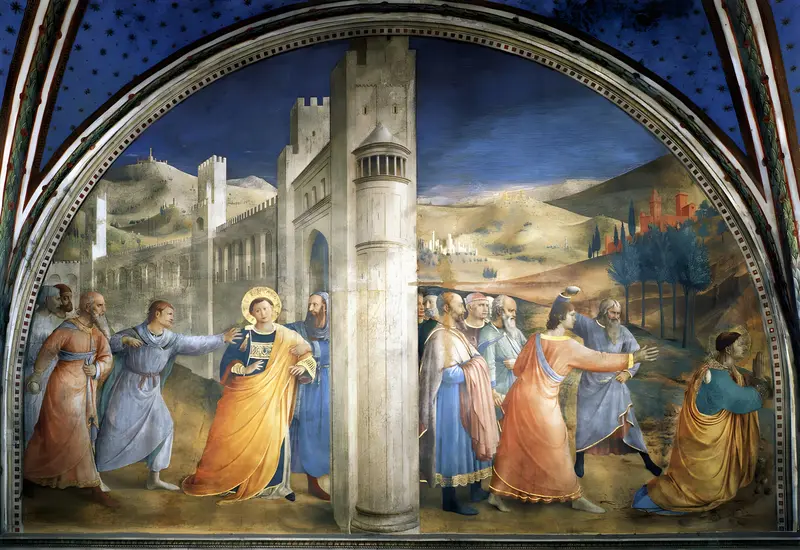
Lunette of the east wall in Niccoline Chapel
Fra Angelico
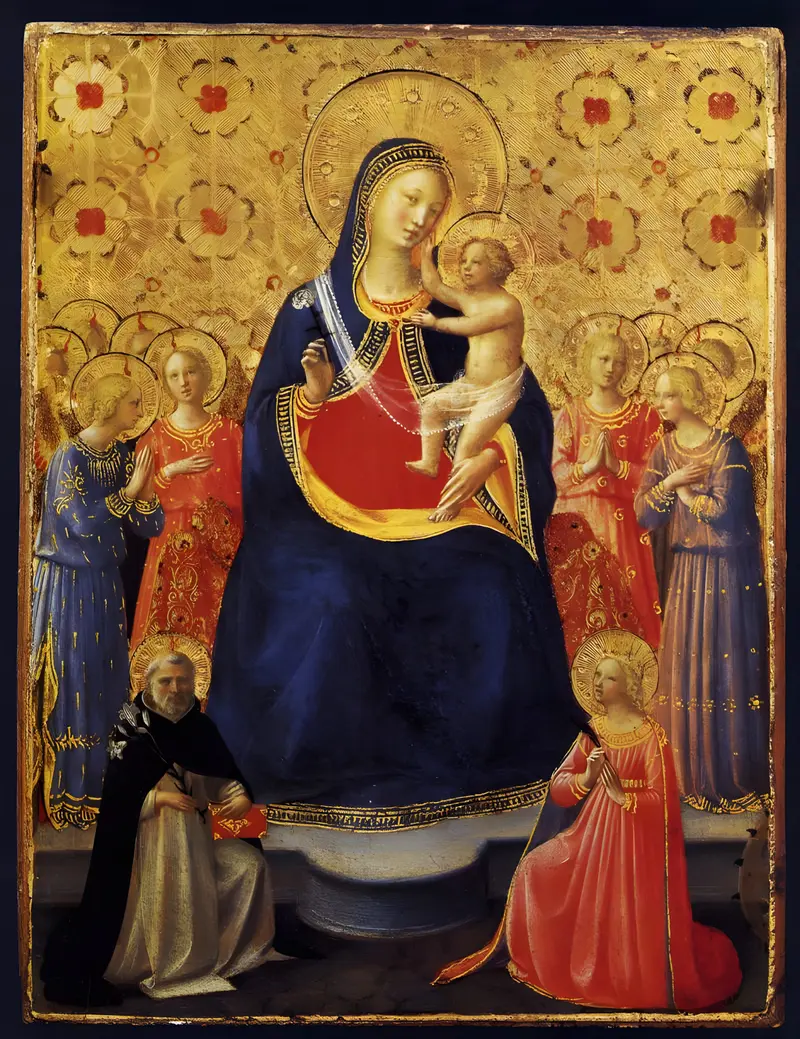
Madonna and Child Enthroned with Nine Angels and Saints Dominic and Catherine of Alexandria
Fra Angelico
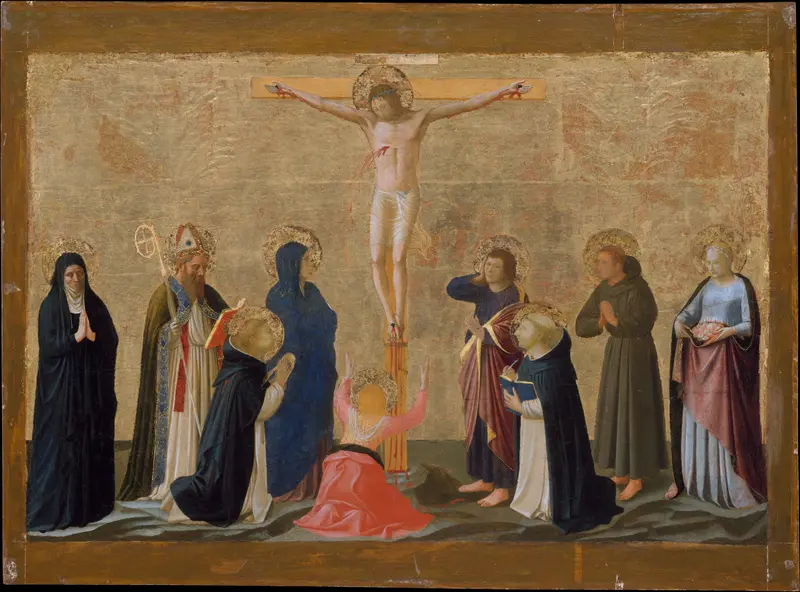
The Crucifixion
Fra Angelico
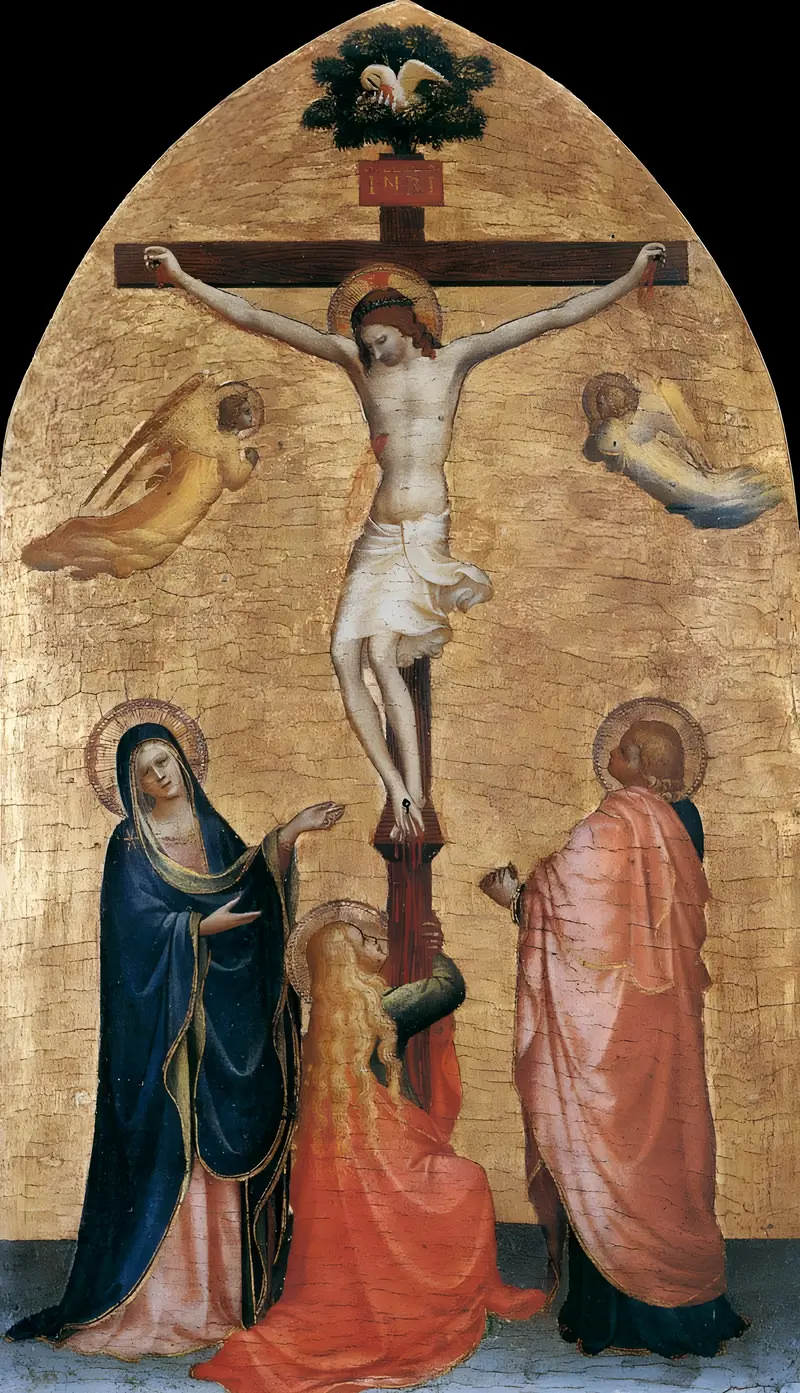
Crucifixion with the Virgin, John the Evangelist, and Mary Magdelene
Fra Angelico
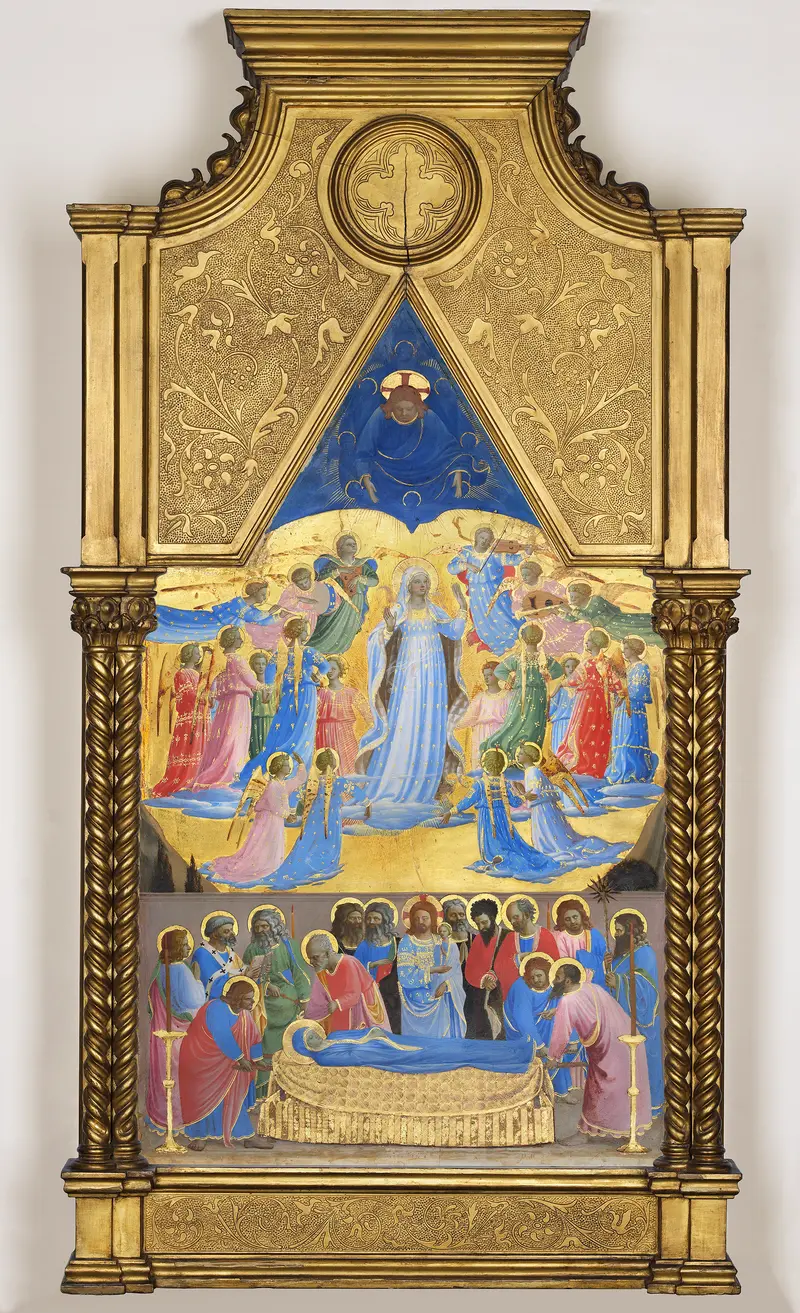
Dormition and Assumption of the Virgin
Fra Angelico
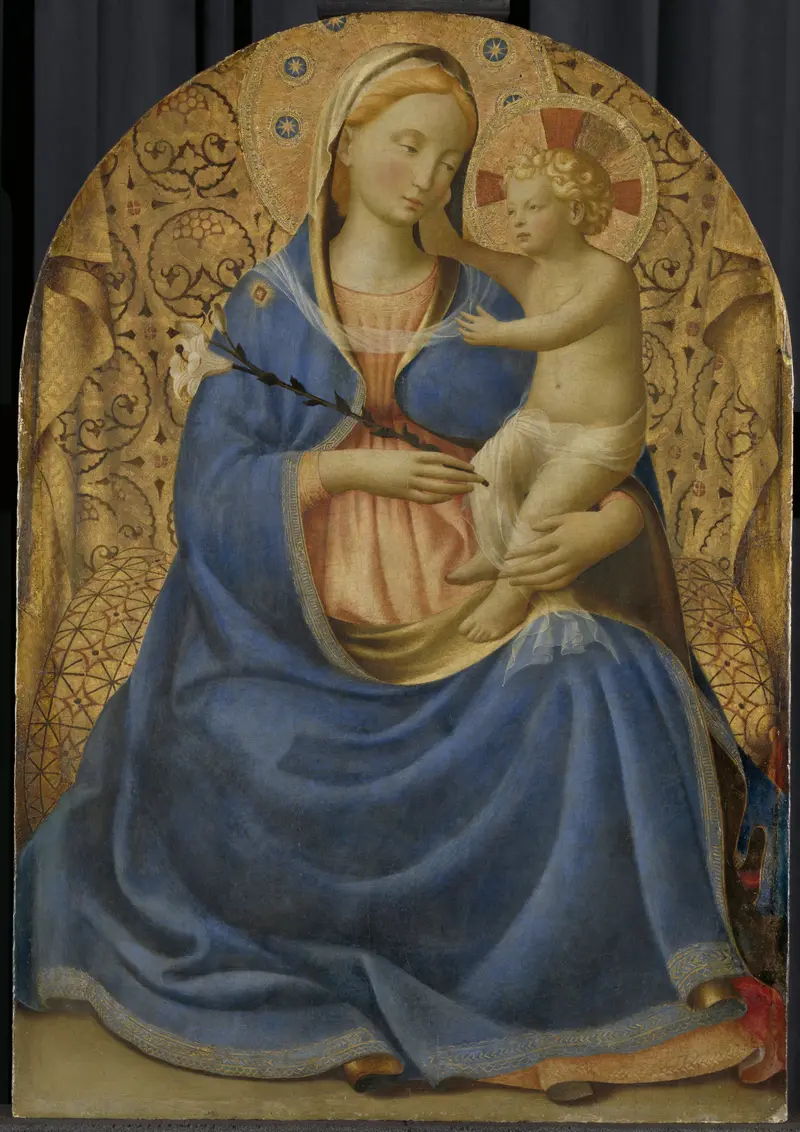
Madonna of Humility
Fra Angelico
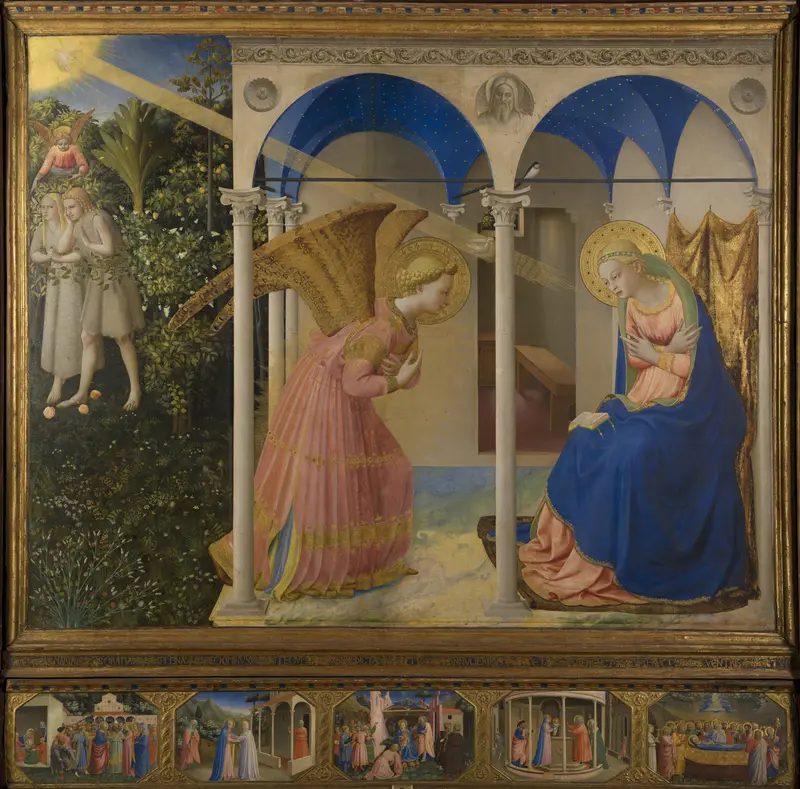
The Annunciation
Fra Angelico

Saint Anthony Abbot
Fra Angelico





