
Flower Sellers of London — History & Facts
When Gustave Doré arrived in London in the 1860s, he was struck not by the grandeur of the city, but by its teeming street life—especially the flower sellers who crowded the bridges and market corners. His fascination with London's poor became the subject of his celebrated illustrated book London: A Pilgrimage (1872), and by 1875, he had returned to the theme in Flower Sellers of London. What sets this work apart is its rare, almost documentary attention to the daily grind of Victorian street vendors—an aspect of city life that was largely ignored or sentimentalized by his contemporaries. In Flower Sellers of London, Doré chooses a moment of quiet exchange: two young women, baskets brimming with blooms, stand beneath the grey London sky, their faces a study in fatigue and resilience.
The older girl’s hand is outstretched, offering a posy to a passing gentleman just outside the frame, while the younger clutches her shawl tighter against the chill. The muddy pavement, the battered shoes, and the riot of flowers—roses, violets, and daffodils—speak to both hardship and hope. The light falls unevenly, illuminating the flowers and the girls’ faces, drawing the viewer’s sympathy to their plight.
Unlike John Everett Millais’s Ophelia, where flowers symbolize tragic beauty, here they are currency and survival. The precise medium of this work remains uncertain—some sources suggest oil, others watercolor or mixed media—reflecting Doré’s versatility and the blurred boundaries between his illustration and painting. The painting’s early history is obscure, with no known patron or commission, and it may have remained in Doré’s studio until after his death in 1883. Today, Flower Sellers of London is recognized as part of Doré’s broader engagement with social realism, a departure from his more fantastical engravings.
Its current whereabouts are not widely published, but it endures as a testament to Doré’s empathy for the overlooked and his eye for the drama of everyday life.
More Artworks by Gustave Doré

The Deluge
Gustave Doré
The Empyrean (Paradiso, Canto 31)
Gustave Doré
Charon (Inferno, Canto 3)
Gustave Doré
Over London by Rail
Gustave Doré
Lucifer, King of Hell
Gustave Doré
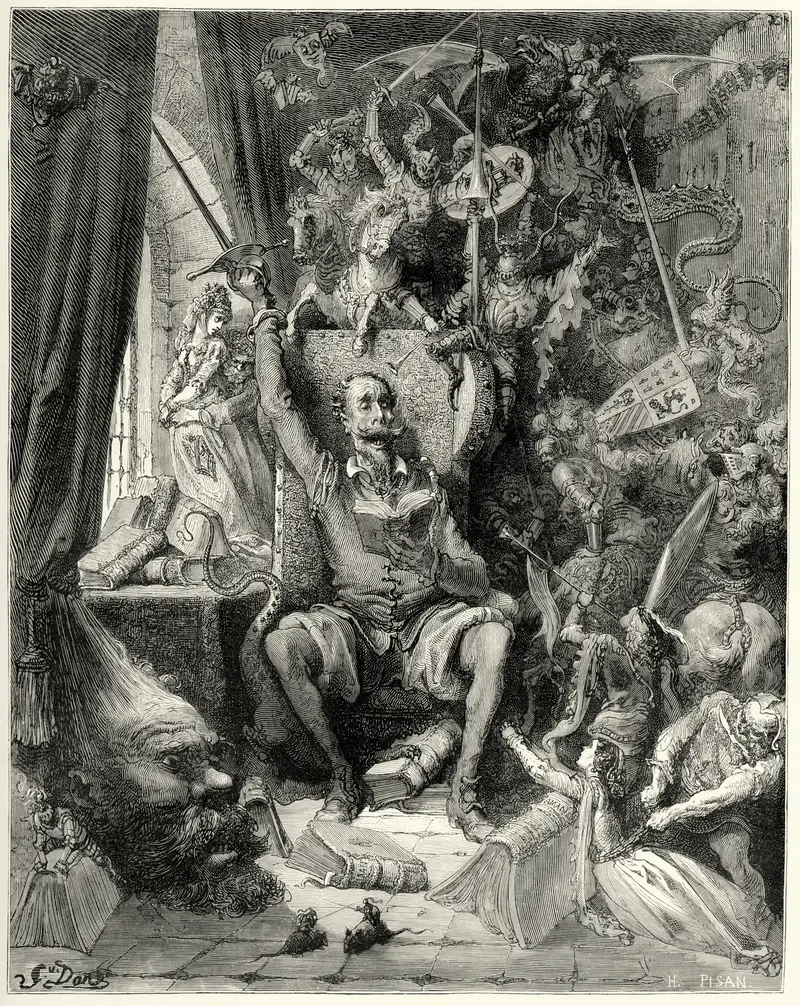
Don Quixote in His Library
Gustave Doré
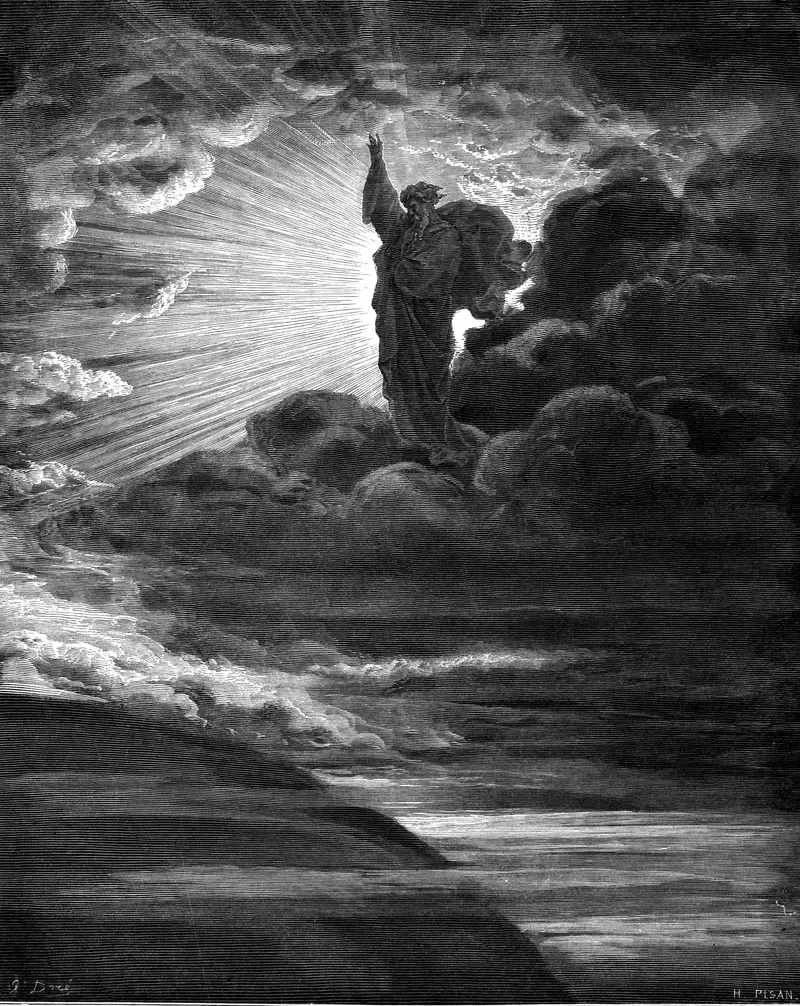
The Creation of Light
Gustave Doré
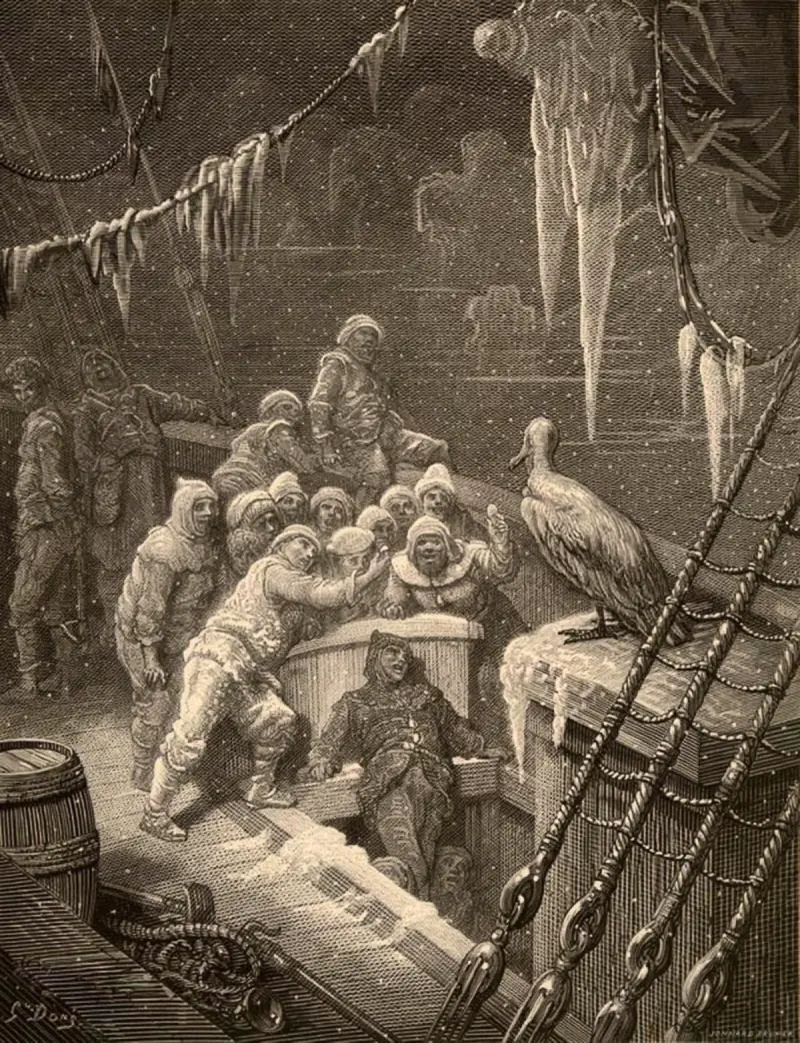
The Albatross (The Rime of the Ancient Mariner)
Gustave Doré
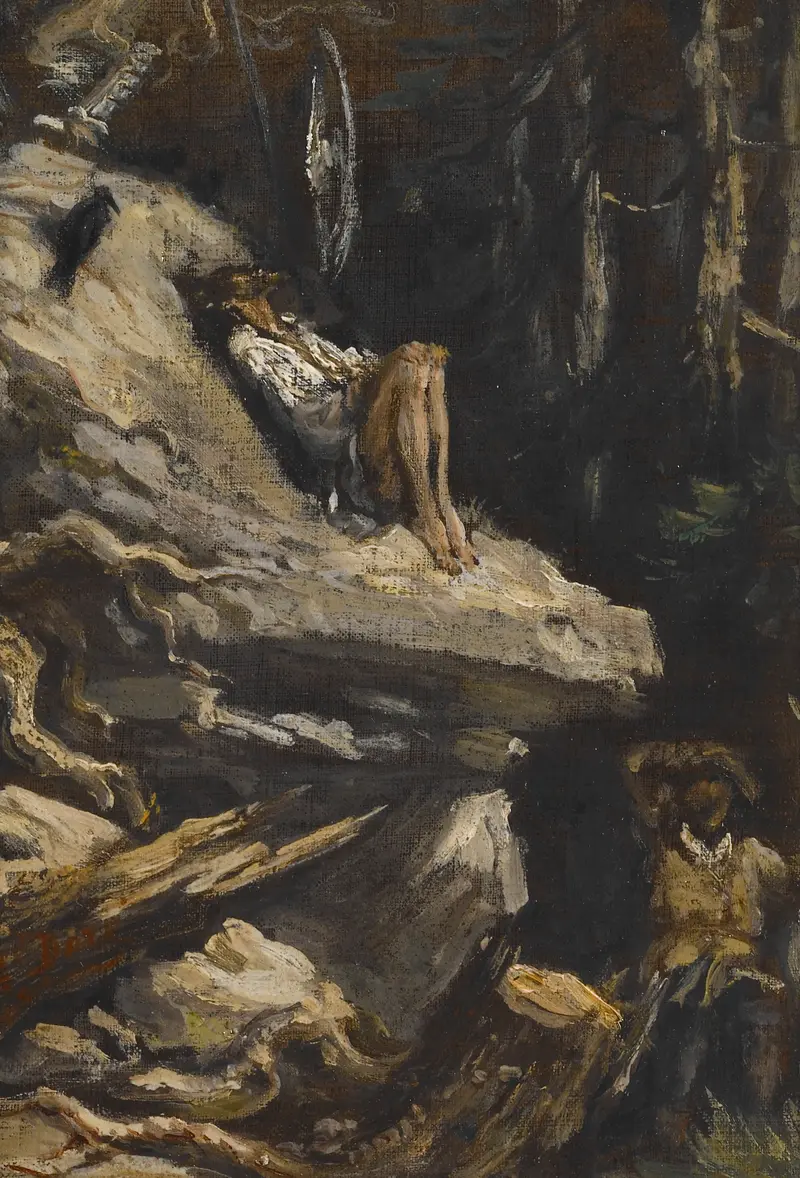
"'Alas!' answered Sancho, 'I found him in his shirt, lean, pale, and almost starved, sighing for his Lady Dulcinea'" from Don Quixote
Gustave Doré
Christ's Entry into Jerusalem
Gustave Doré
More Genre Scene Art

Banquet of the Officers of the St George Civic Guard
Frans Hals

Rembrandt and Saskia in the Scene of the Prodigal Son
Rembrandt van Rijn

Bal du moulin de la Galette
Pierre-Auguste Renoir

Quadrille at the Moulin Rouge
Henri de Toulouse-Lautrec

A Burial at Ornans
Gustave Courbet

When Will You Marry?
Paul Gauguin