
Goldenes Zeitalter — History & Facts
A world where nature and humanity live in effortless harmony unfolds here, the eye drawn first to the languid figures beneath the heavy foliage. The central couple, their bodies entwined and faces turned toward each other, seem to exist in a perpetual afternoon—one arm raised, perhaps to pluck fruit, perhaps in a gesture of carefree abandon. The scene is dense with meaning: the goat grazing nearby, the distant figures tending the land, and the abundance of vine leaves overhead all signal a time of plenty and innocence.
Every gesture and glance suggests a life untouched by hardship, where pleasure and sustenance are gifts of the land. Painted between 1566 and 1651 by Abraham Bloemaert, Goldenes Zeitalter belongs to an era when Dutch and Flemish artists revisited the mythic Golden Age, a subject that let them imagine a lost paradise. Such works, often commissioned by wealthy patrons, were both escapist fantasies and subtle commentaries on the world’s troubles—reminders of what had been lost or what might be regained. The genre thrived in a period of social and religious upheaval, when artists like Bloemaert used myth to explore ideals of harmony, fertility, and peace.
Today, the painting’s home in the Pinakothek collection lets us trace the hopes and longings of a distant age, inviting us to linger in its imagined peace.
More Artworks by Abraham Bloemaert

Adam and Eve
Abraham Bloemaert
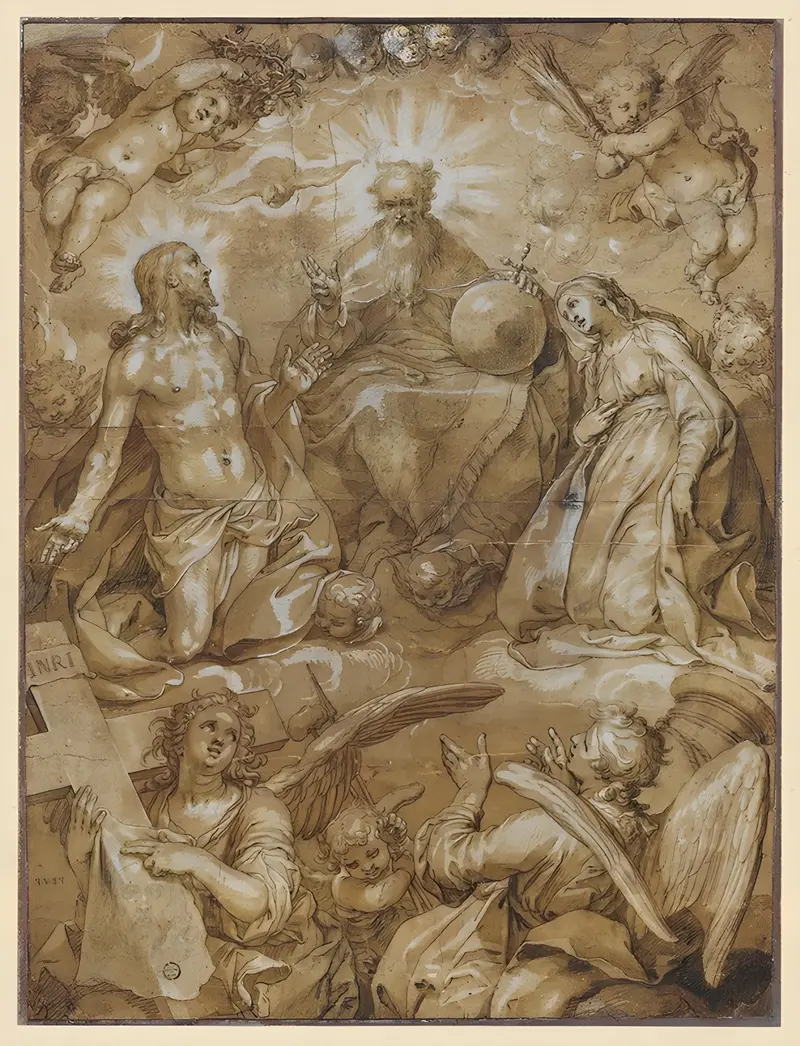
Intercession of Christ and Mary before God the Father
Abraham Bloemaert
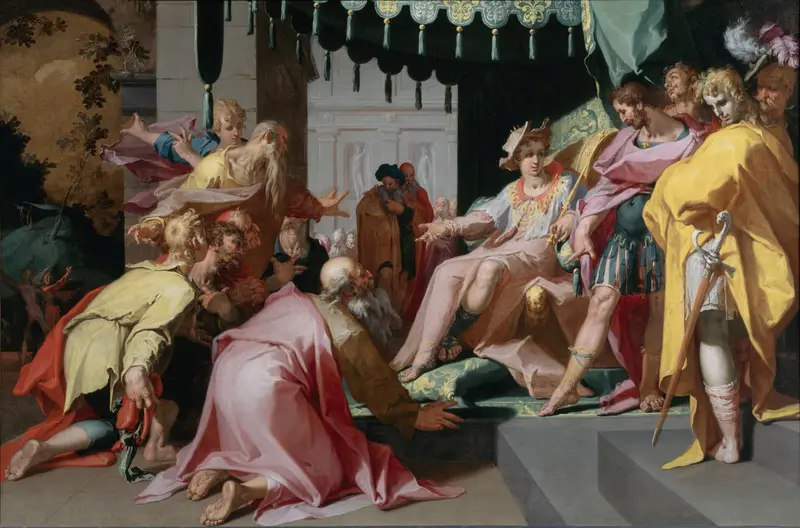
Joseph and his Brothers
Abraham Bloemaert
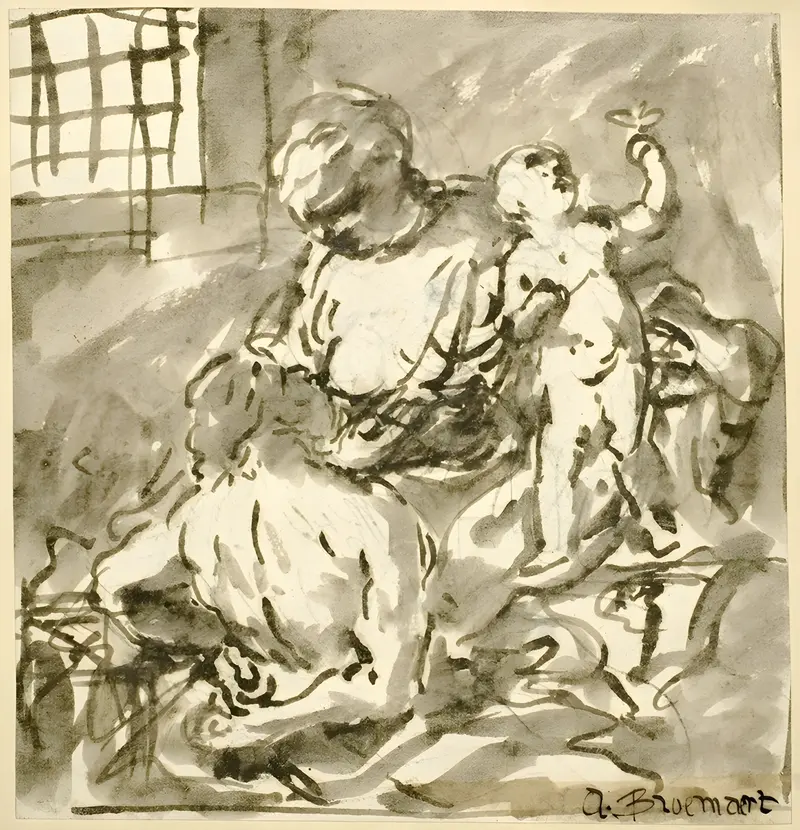
Caritas Romana
Abraham Bloemaert
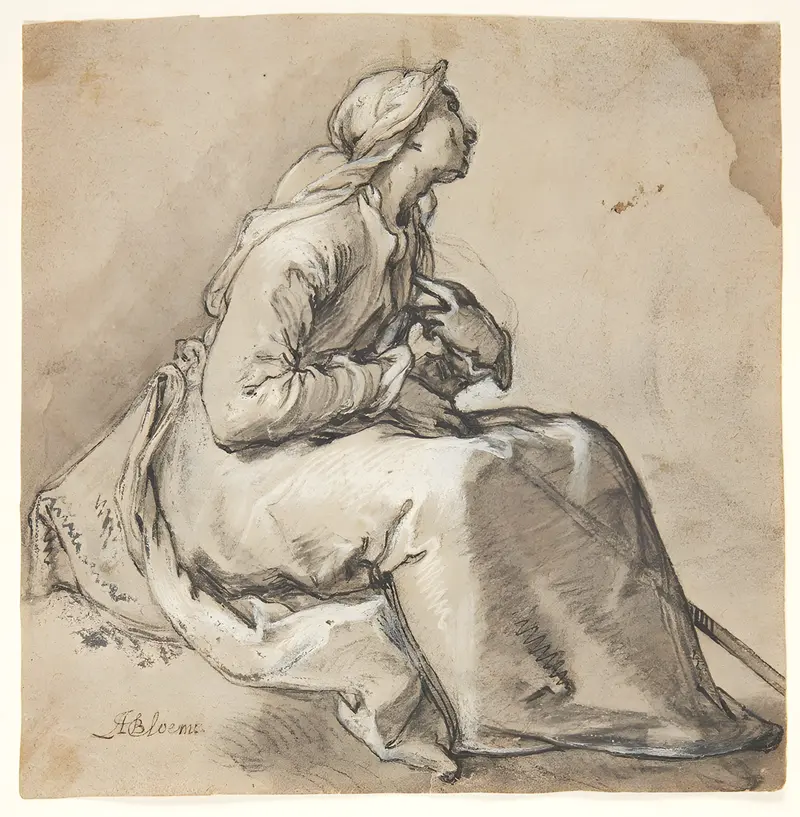
A seated woman facing right
Abraham Bloemaert
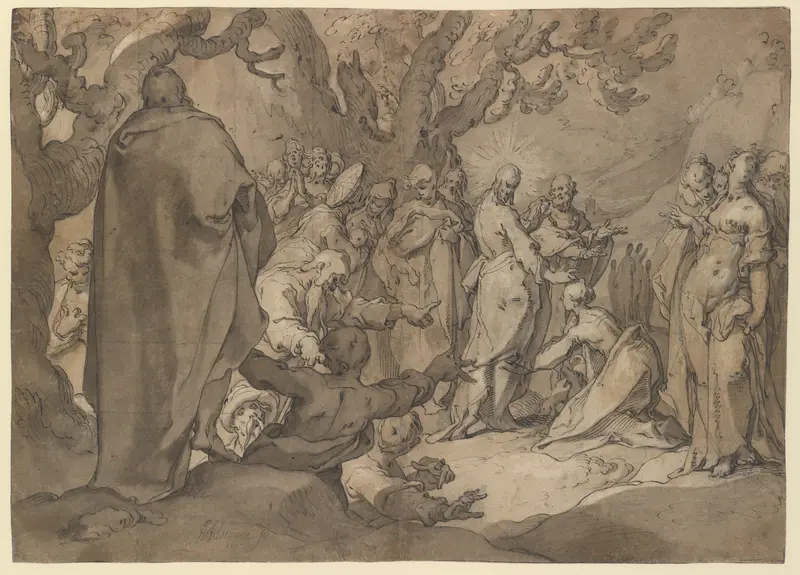
Christ and the Canaanite Women
Abraham Bloemaert
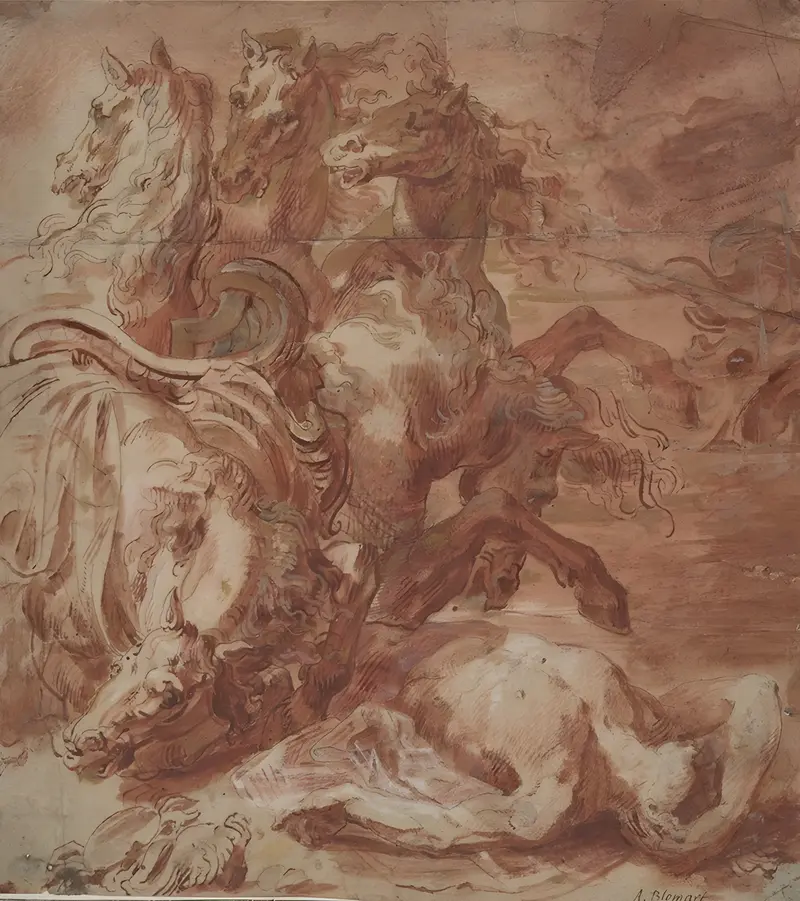
Hippolytus
Abraham Bloemaert
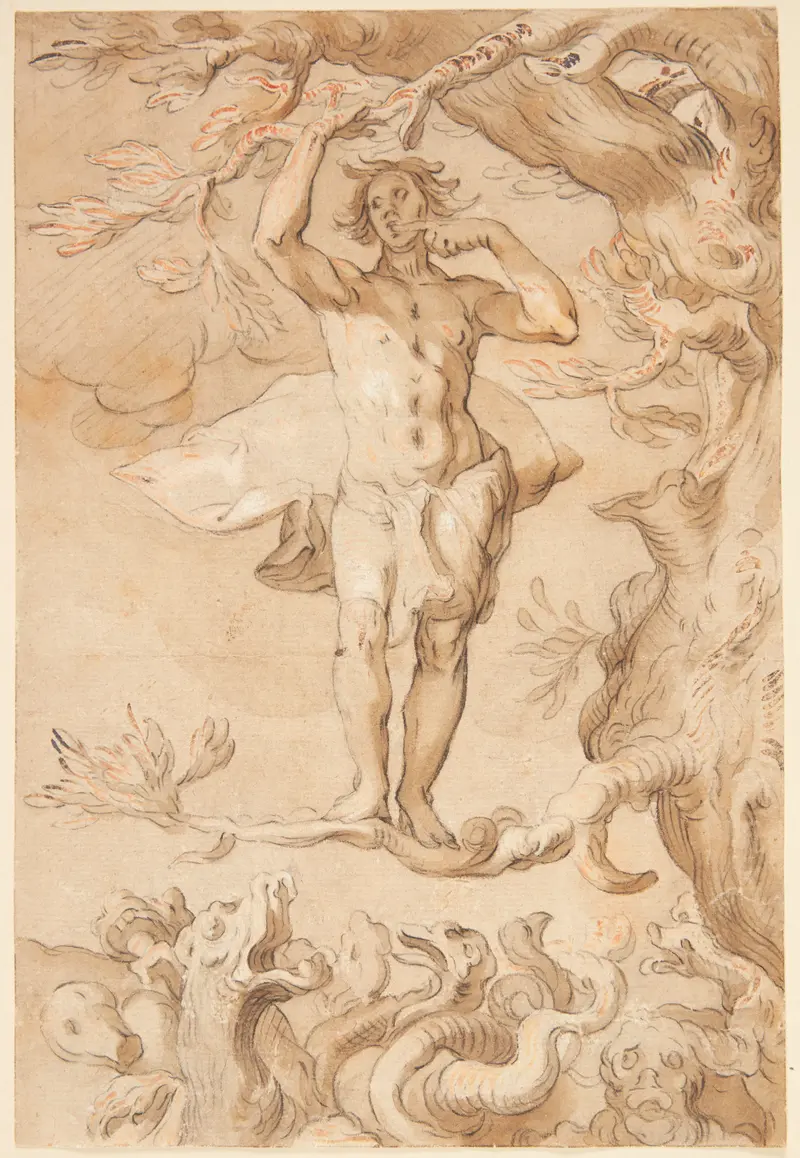
Den menneskelige glædes skrøbelighed En mand, der jages af en drage, klynger sig til en gren, mens han slikker honning af sin finger
Abraham Bloemaert

Moses Striking the Rock
Abraham Bloemaert
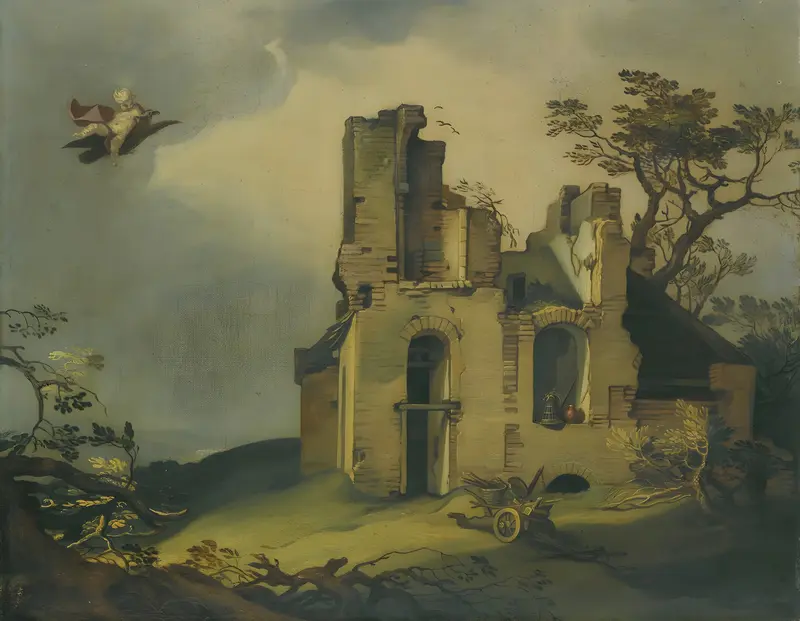
A Landscape With Ruins, With The Rape Of Ganymede
Abraham Bloemaert





